
Self-portrait with raised sabre — History & Facts
Could beauty survive in a century of chaos? In Self-portrait with raised sabre, we encounter a moment suspended in time, where the artist stands not just as a creator but as a bold witness to his turbulent era. Look to the left at the determined gaze that pierces through the canvas, commanding attention. The chiaroscuro technique bathes the figure in an almost theatrical light, casting shadows that enhance the emotional gravity of his stance. The raised sabre, an emblem of both defiance and authority, reflects the glimmers of gold and bronze that dance across the fabric of his richly textured clothing, inviting us to appreciate the meticulous brushwork that brings such vibrancy to the scene. Beneath the surface of this striking portrayal lies a tapestry of contrasts.
The weapon brandished in confidence juxtaposes the vulnerability of the artist’s exposed skin, suggesting a complex interplay between strength and fragility. The background, shrouded in darkness, amplifies the isolation of the figure, stirring questions about the role of the individual amidst societal upheaval. Each element speaks to a duality: a celebration of selfhood and the weight of existence in a world rife with instability. In 1634, Rembrandt created this piece during a formative period in his career, as he began to gain recognition in Amsterdam.
It was a time marked by artistic exploration and the emergence of the Dutch Golden Age, when painters like him were redefining portraiture amidst the shifting currents of cultural and political landscape. This self-portrait not only captures his likeness but also asserts his place within an ever-evolving dialogue of artistry and identity.
More Artworks by Rembrandt van Rijn
Browse all →
The Night Watch Militia Company of District II under the Command of Captain Frans Banninck Cocq
Rembrandt van Rijn

The Return of the Prodigal Son
Rembrandt van Rijn

The Hundred Guilder Print: the figures leaning on the wall in the centre left
Rembrandt van Rijn

The Hundred Guilder Print: the central piece with Christ preaching, the plate arched
Rembrandt van Rijn

Isaac and Rebecca, Known as ‘The Jewish Bride’
Rembrandt van Rijn
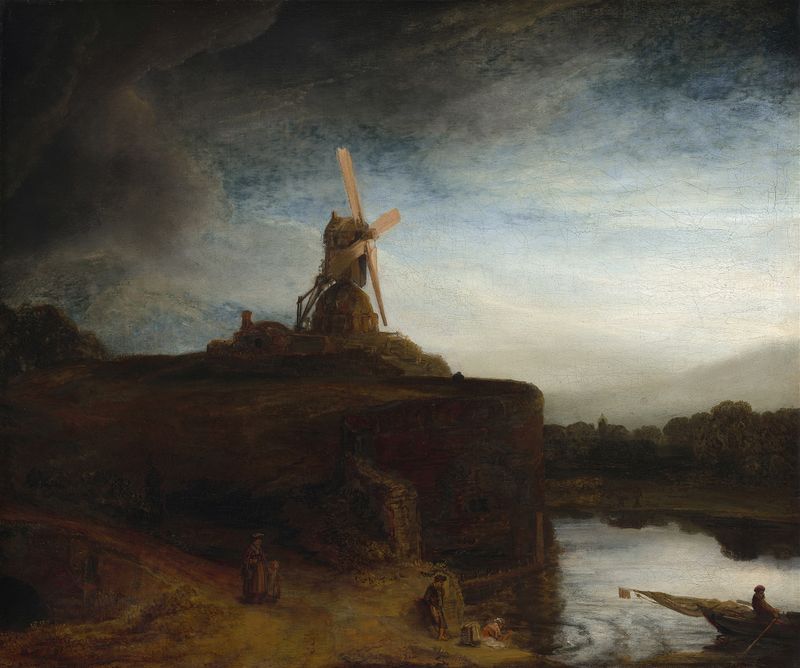
The Mill
Rembrandt van Rijn

The Sampling Officials of the Amsterdam Drapers’ Guild, Known as ‘The Syndics’
Rembrandt van Rijn

The return of the prodigal son
Rembrandt van Rijn
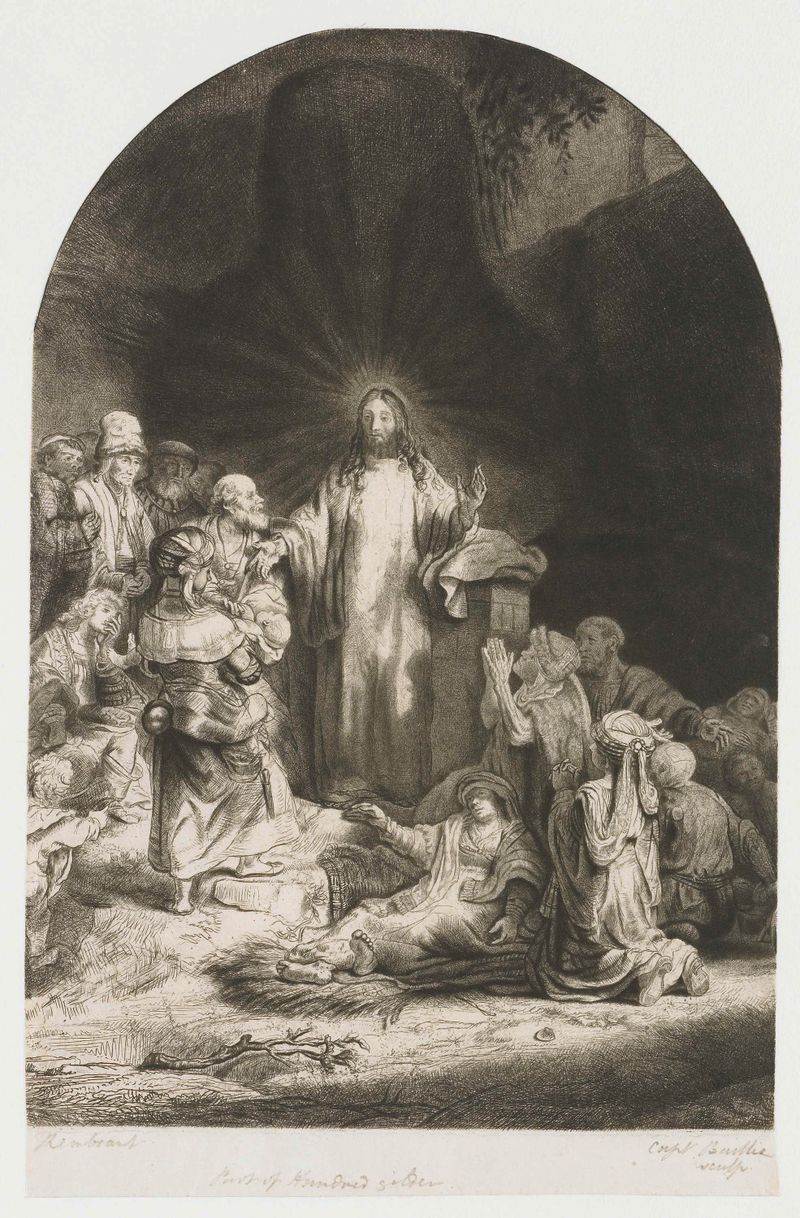
The Hundred Guilder Print: the central piece with Christ preaching, the plate arched
Rembrandt van Rijn

The Hundred Guilder Print: the man seen on the back in the lower left corner
Rembrandt van Rijn
More Portrait Art
Browse all →
Las meninas
Diego Velázquez

Self-portrait with a Bandaged Ear and Pipe
Unidentified artist

Girl with a Pearl Earring
Johannes Vermeer
The Sampling Officials of the Amsterdam Drapers’ Guild, Known as ‘The Syndics’
Rembrandt van Rijn
The Hundred Guilder Print: the man seen on the back in the lower left corner
Rembrandt van Rijn

Portrait of Dr Gachet
Vincent van Gogh