
Self-portrait with raised sabre — History & Facts
Can paint confess what words never could? In Self-portrait with raised sabre, the artist’s brush wields not just color but also power, inviting us to unearth the stories hidden within the layers. Look closely at the fierce gaze that meets you; the intense chiaroscuro illuminates the face, highlighting the strength and determination etched in every furrow. Notice how the bold reds and deep browns dominate the canvas, adding a sense of gravity to the figure. The raised sabre cuts through the air, its metallic gleam contrasting against the warm undertones of the skin and the dark cloak enveloping the artist.
This is not merely a self-portrait; it is a declaration, an embodiment of defiance and resolve. Within this striking composition lies a profound exploration of identity and ambition. The raised sabre symbolizes more than martial prowess; it represents the struggle and triumph of the artist’s journey in a tumultuous era. The tension between light and shadow not only accentuates his features but also mirrors the dualities of his existence—vulnerability alongside strength, solitude amidst self-assertion.
Each brushstroke conveys a timeless narrative of the individual against the backdrop of societal expectations. Painted in 1634, this work was a pivotal moment for Rembrandt as he navigated the complexities of fame and personal challenges in Amsterdam. At this time, he was establishing himself as a master of light and shadow, but also facing financial strains and personal losses. This self-portrait reflects not only his artistic prowess but also a deep introspection, encapsulating the relentless pursuit of self-identity amid life’s tumult.
More Artworks by Rembrandt van Rijn
Browse all →
The Night Watch Militia Company of District II under the Command of Captain Frans Banninck Cocq
Rembrandt van Rijn

The Return of the Prodigal Son
Rembrandt van Rijn

The Hundred Guilder Print: the figures leaning on the wall in the centre left
Rembrandt van Rijn

The Hundred Guilder Print: the central piece with Christ preaching, the plate arched
Rembrandt van Rijn

Isaac and Rebecca, Known as ‘The Jewish Bride’
Rembrandt van Rijn
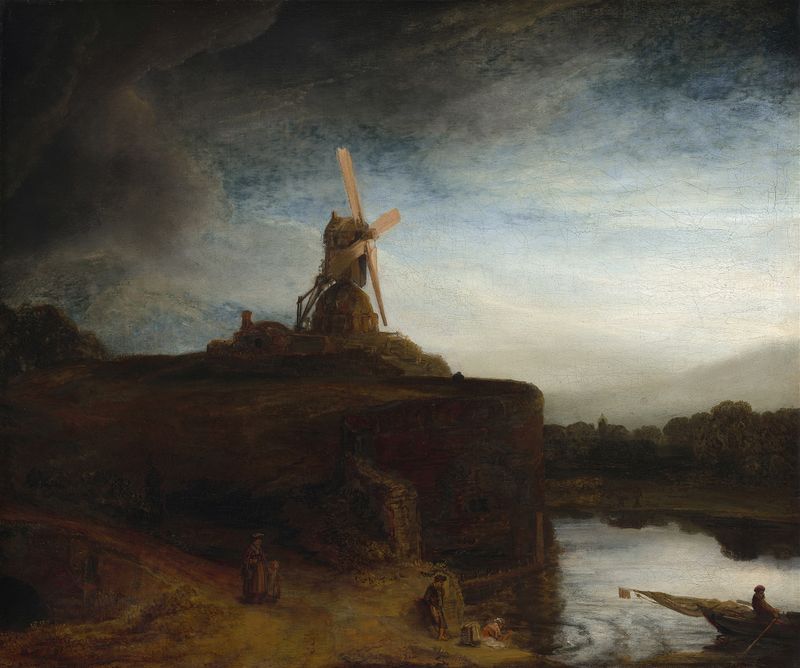
The Mill
Rembrandt van Rijn
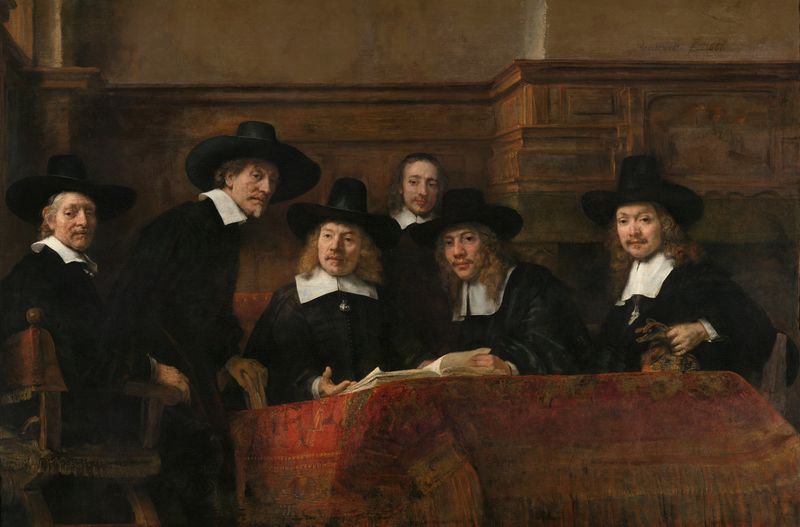
The Sampling Officials of the Amsterdam Drapers’ Guild, Known as ‘The Syndics’
Rembrandt van Rijn

The return of the prodigal son
Rembrandt van Rijn
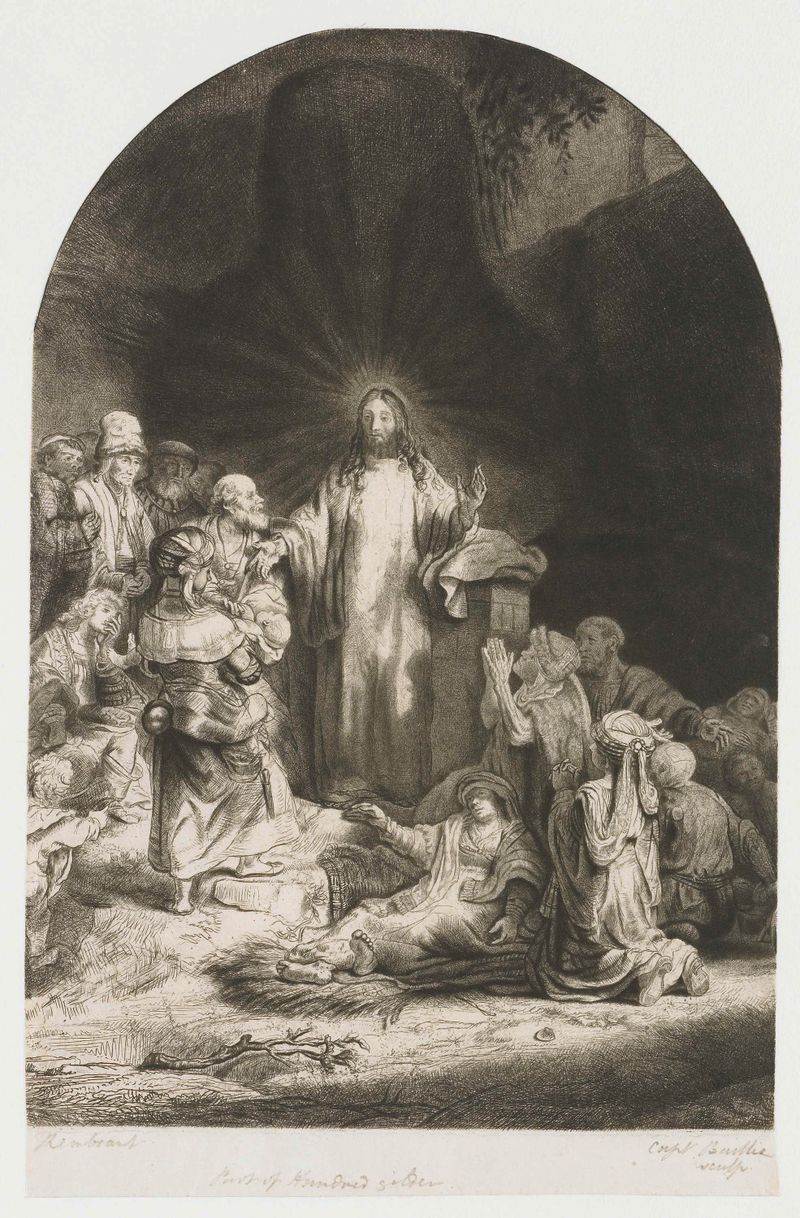
The Hundred Guilder Print: the central piece with Christ preaching, the plate arched
Rembrandt van Rijn
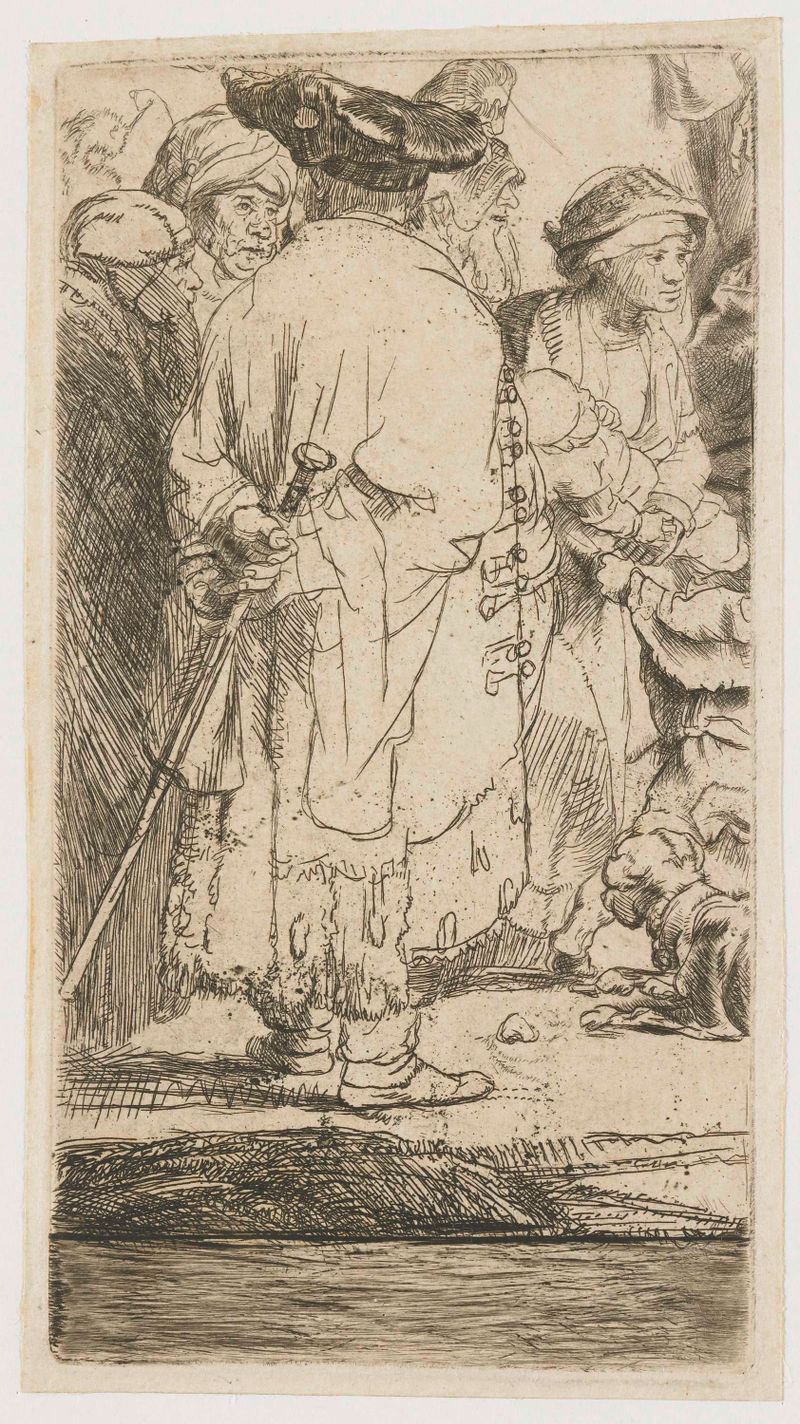
The Hundred Guilder Print: the man seen on the back in the lower left corner
Rembrandt van Rijn
More Portrait Art
Browse all →
Las meninas
Diego Velázquez
Self-portrait with a Bandaged Ear and Pipe
Unidentified artist
Girl with a Pearl Earring
Johannes Vermeer
The Sampling Officials of the Amsterdam Drapers’ Guild, Known as ‘The Syndics’
Rembrandt van Rijn
The Hundred Guilder Print: the man seen on the back in the lower left corner
Rembrandt van Rijn

Portrait of Dr Gachet
Vincent van Gogh