
Self-portrait with Saskia — History & Facts
In the realm of art, the act of creation often mirrors a subtle revolution—an upheaval of emotional truth rendered into tangible form. Focus first on the artist’s expressive face, illuminated by a warm, golden glow. His gaze, direct and introspective, invites you to witness his intimate moment with Saskia, his beloved wife. The rich, earthy browns and deep reds not only convey a sense of comfort but also evoke the warmth of shared love and vulnerability.
Notice how the soft, flowing brushwork captures the delicate fabric of their garments, contrasting the tangible intimacy with the ethereal quality of their expressions. In this self-portrait, the duality of personal and universal emotions unfolds. The delicate interplay of light and shadow reveals the tension between self-awareness and the desire for connection. Saskia, appearing behind him, embodies both muse and reality, reminding viewers of the complex layers of love and identity.
The composition’s asymmetry hints at the unpredictable nature of relationships, while the artist’s choice of dark background emphasizes the warmth of their bond, suggesting that love can illuminate even the most shadowed corners of existence. In 1636, Rembrandt was at a pivotal point in his career in Amsterdam, establishing his reputation as a master painter. His work reflected the societal changes of the time, including shifts in artistic techniques and personal experiences, especially his deepening bond with Saskia. This self-portrait not only exemplifies his innovative approach to light and emotion but also marks a period of personal revelation amid the evolving landscape of European art.
More Artworks by Rembrandt van Rijn
Browse all →
The Night Watch Militia Company of District II under the Command of Captain Frans Banninck Cocq
Rembrandt van Rijn

The Return of the Prodigal Son
Rembrandt van Rijn

The Hundred Guilder Print: the figures leaning on the wall in the centre left
Rembrandt van Rijn

The Hundred Guilder Print: the central piece with Christ preaching, the plate arched
Rembrandt van Rijn

Isaac and Rebecca, Known as ‘The Jewish Bride’
Rembrandt van Rijn
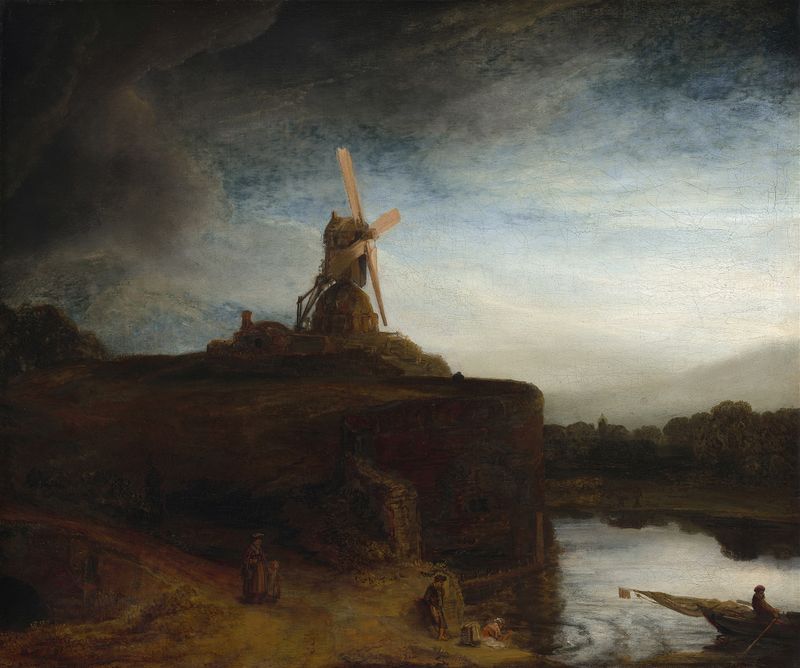
The Mill
Rembrandt van Rijn

The Sampling Officials of the Amsterdam Drapers’ Guild, Known as ‘The Syndics’
Rembrandt van Rijn

The return of the prodigal son
Rembrandt van Rijn
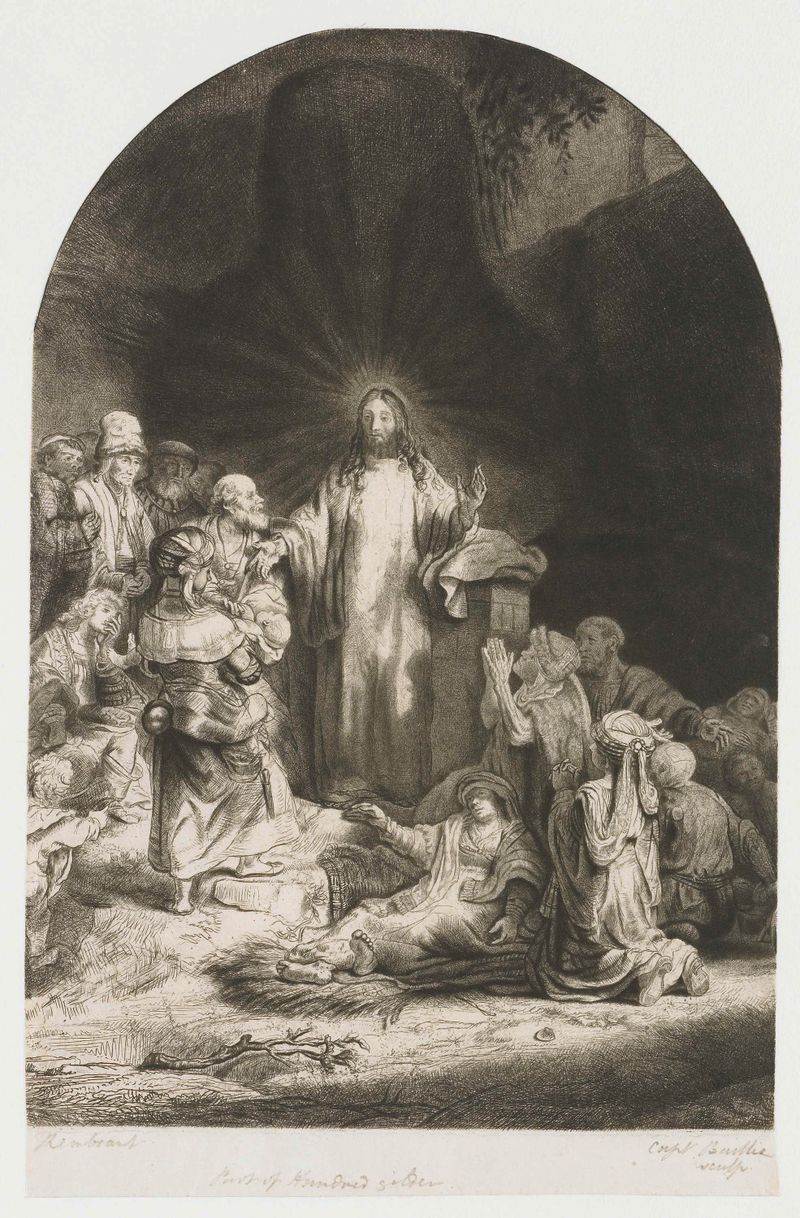
The Hundred Guilder Print: the central piece with Christ preaching, the plate arched
Rembrandt van Rijn

The Hundred Guilder Print: the man seen on the back in the lower left corner
Rembrandt van Rijn
More Portrait Art
Browse all →
Las meninas
Diego Velázquez

Self-portrait with a Bandaged Ear and Pipe
Unidentified artist

Girl with a Pearl Earring
Johannes Vermeer
The Sampling Officials of the Amsterdam Drapers’ Guild, Known as ‘The Syndics’
Rembrandt van Rijn
The Hundred Guilder Print: the man seen on the back in the lower left corner
Rembrandt van Rijn

Portrait of Dr Gachet
Vincent van Gogh