
Self-portrait with Saskia — History & Facts
Can beauty exist without sorrow? Rembrandt van Rijn’s Self-portrait with Saskia provokes this haunting question, intricately intertwining themes of love and betrayal within its brushstrokes. Look closely at the couple’s intertwined forms, where the artist boldly positions himself beside Saskia, his wife. The rich, warm hues envelop the figures, casting a soft glow that highlights the tenderness in their gaze. Notice how the light falls upon Saskia’s delicate features, infusing them with a radiance that contrasts sharply with the deeper shadow enveloping Rembrandt.
Their expressions convey a moment suspended in time, rich with intimacy yet tinged with an unspoken tension. The juxtaposition of their closeness against the somber background hints at a complex emotional landscape. The tenderness in their interaction belies the impending tragedy of their relationship, as history reminds us of the betrayal that would shadow their love. Small details—a subtle furrow in Saskia’s brow or the way Rembrandt’s hand rests possessively around her shoulder—carry weighty implications, suggesting an awareness of fleeting joy even as the specter of sorrow looms. Painted between 1635 and 1642, during a period of personal and professional turbulence, Rembrandt sought solace in the companionship of Saskia while grappling with financial instability.
This work emerged during a prolific phase of his career, where portraiture became a canvas for profound exploration of human emotion. The intimacy of this self-portrait captures not just love but the innate complexity of human connection, establishing it as a testament to both beauty and vulnerability.
More Artworks by Rembrandt van Rijn
Browse all →
The Night Watch Militia Company of District II under the Command of Captain Frans Banninck Cocq
Rembrandt van Rijn

The Return of the Prodigal Son
Rembrandt van Rijn

The Hundred Guilder Print: the figures leaning on the wall in the centre left
Rembrandt van Rijn

The Hundred Guilder Print: the central piece with Christ preaching, the plate arched
Rembrandt van Rijn

Isaac and Rebecca, Known as ‘The Jewish Bride’
Rembrandt van Rijn
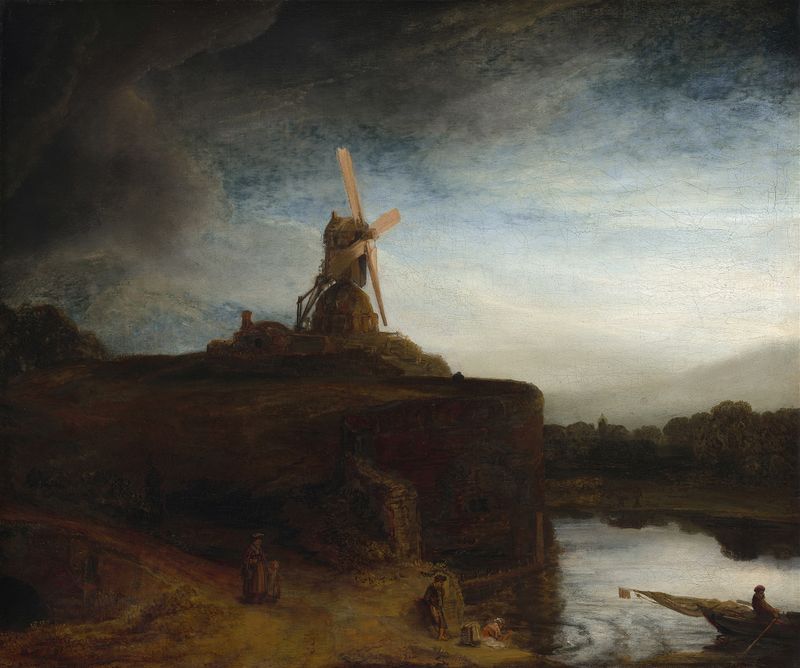
The Mill
Rembrandt van Rijn

The Sampling Officials of the Amsterdam Drapers’ Guild, Known as ‘The Syndics’
Rembrandt van Rijn

The return of the prodigal son
Rembrandt van Rijn
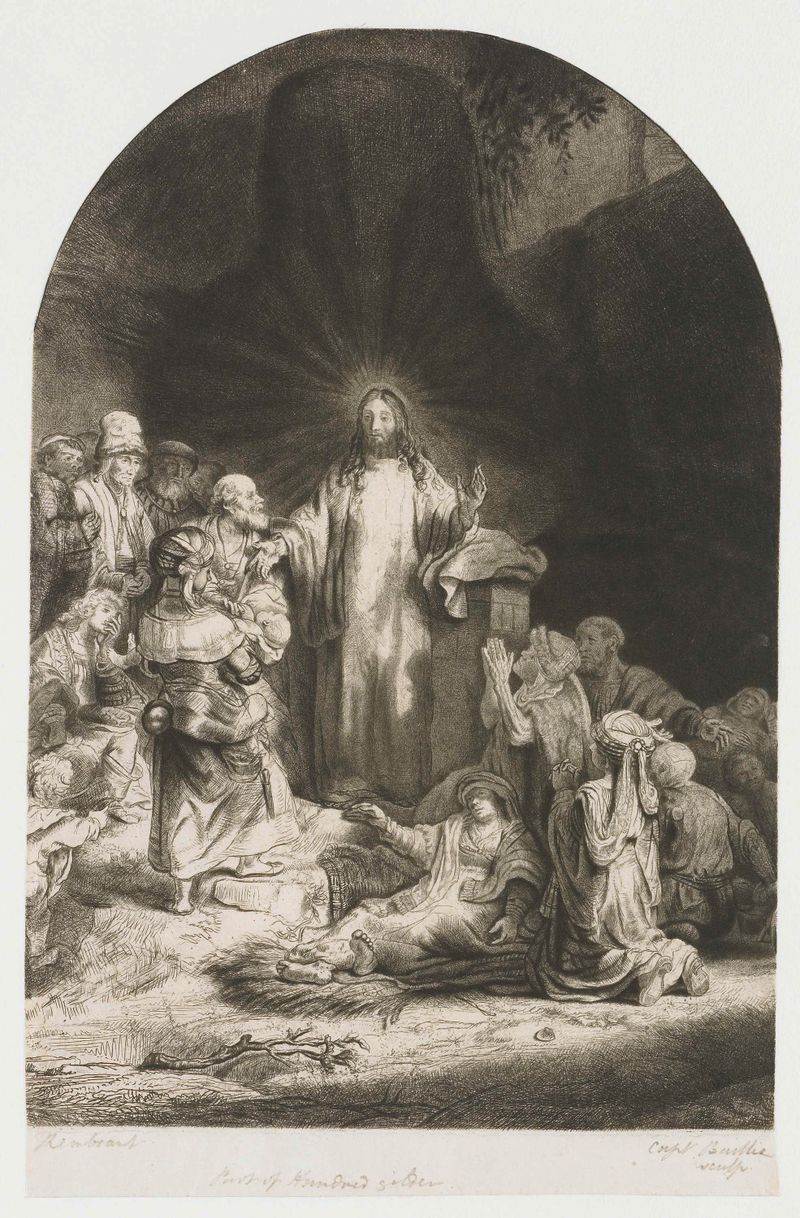
The Hundred Guilder Print: the central piece with Christ preaching, the plate arched
Rembrandt van Rijn

The Hundred Guilder Print: the man seen on the back in the lower left corner
Rembrandt van Rijn
More Portrait Art
Browse all →
Las meninas
Diego Velázquez

Self-portrait with a Bandaged Ear and Pipe
Unidentified artist

Girl with a Pearl Earring
Johannes Vermeer
The Sampling Officials of the Amsterdam Drapers’ Guild, Known as ‘The Syndics’
Rembrandt van Rijn
The Hundred Guilder Print: the man seen on the back in the lower left corner
Rembrandt van Rijn

Portrait of Dr Gachet
Vincent van Gogh