Serenity — History & Facts
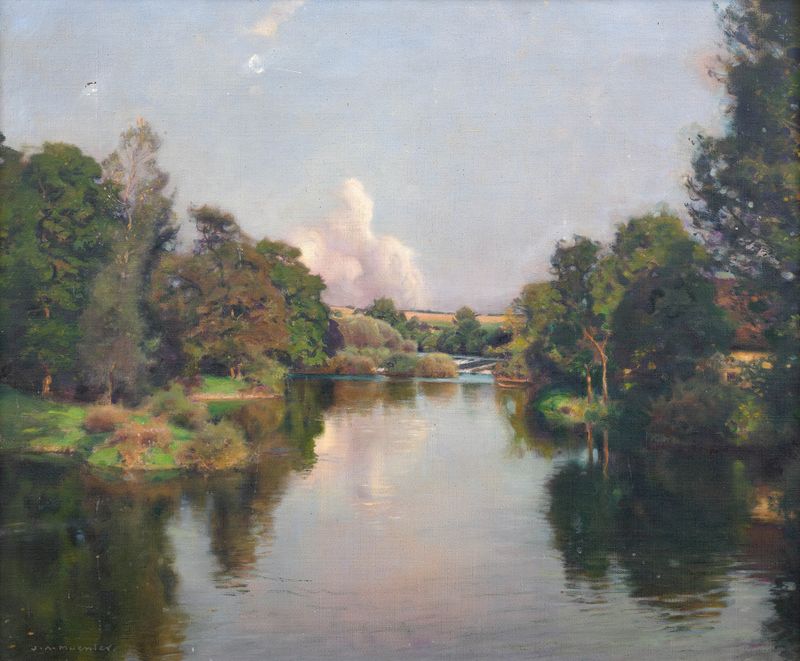
In its quiet expanse, Serenity invites contemplation of the emptiness that envelops us, urging a profound introspection. Look to the center of the canvas, where gentle hues of blues and greens ebb and flow like soft waves. The subtle gradation of color creates a tranquil atmosphere, leading the eye through the delicate brushstrokes that whisper of calmness. Notice the nuanced play of light that dances across the surface, illuminating patches of white that suggest the dawn breaking over a still landscape.
Each stroke, meticulously placed, serves not just to depict, but to evoke stillness—an emotional landscape unshaped by chaos. Peering deeper, the contrasts within the work emerge: the tension between presence and absence, fullness and void. The serene colors entice us with their promise of peace, yet the emptiness speaks loudly, confronting us with the existential void often hidden beneath the surface of daily life. Each layer of paint seems to hold a secret, a story of silence that resonates on an emotional frequency, urging the viewer to explore their own feelings of solitude and peace. At the time Serenity was created, Muenier was navigating the burgeoning Post-Impressionist movement, marked by a desire to capture emotional depth through color and form.
Working in France, he was influenced by the changing landscapes of his surroundings and the evolving art scene that sought to convey more than mere representation. This painting reflects not only his personal journey but also the broader search for meaning and tranquility in a world that often feels overwhelmingly chaotic.