Setting Sail — History & Facts
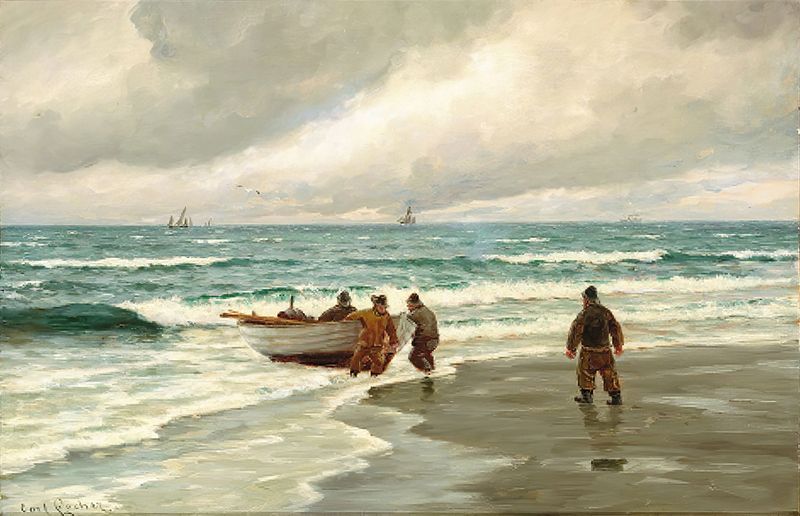
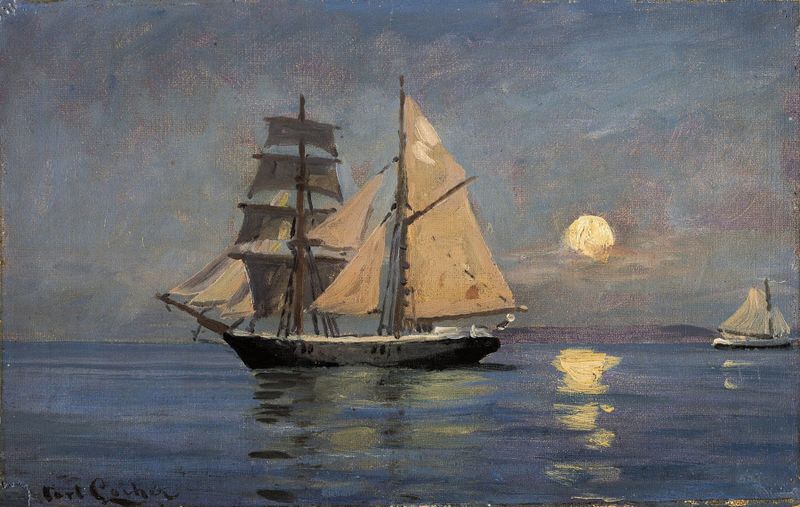
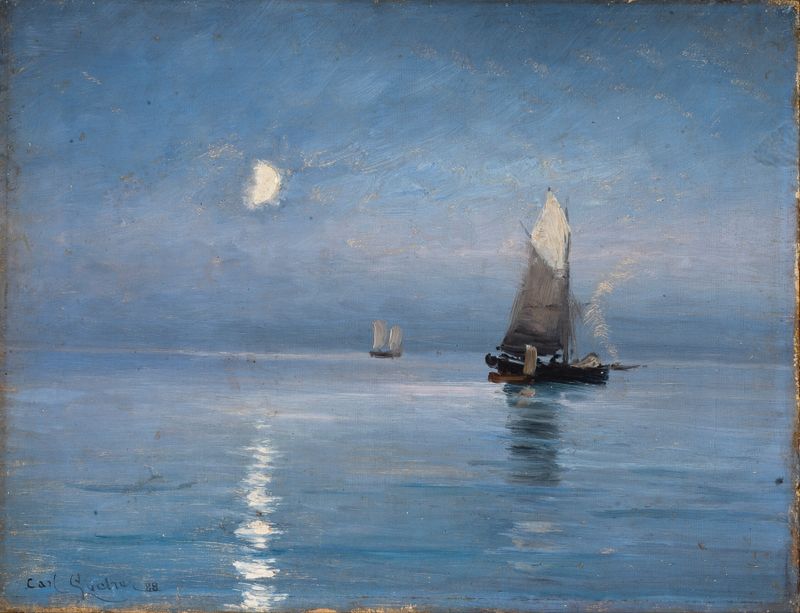
Could a single brushstroke hold eternity? In Setting Sail, the essence of legacy is captured in a moment where the horizon meets the sea, forever intertwining the fleeting and the timeless. Look to the center of the canvas where two boats drift gracefully across the shimmering water, their sails catching the golden hues of a setting sun. The artist’s adept use of light breathes life into the scene; reflections dance on the surface, creating a mosaic of color that invites the viewer into a world of serenity and anticipation. The brushstrokes, varying from soft pastels to vibrant reds and oranges, suggest a warmth that contrasts with the cool blues of the sea, evoking a sense of harmony and balance. Delve deeper into the juxtaposition between the tranquil sea and the implied journey of the sailors.
Each boat, though solitary, symbolizes a universal quest for exploration and self-discovery. The interplay of light on the water mirrors the choices that shape our paths, while the distant shoreline hints at dreams yet to be realized. Together, these details weave a narrative of aspiration, connecting personal legacy with the vast, unknowable future. Carl Locher painted Setting Sail in 1890, during a period of dramatic change in the art world, as artists began exploring new techniques and themes.
Based in Denmark, he was part of the Skagen Painters, a collective that focused on capturing the essence of Scandinavian landscapes and the lives of fishermen. This work reflects a growing fascination with the natural world and the human experience within it, marking a pivotal moment in the evolution of maritime art.