
Seven Views Of Miskhor In The Crimea V — History & Facts
Is this a mirror — or a memory? It captures more than just the landscape; it encapsulates a yearning for a lost moment, woven into the very fabric of time. Look to the left at the delicate interplay of soft blues and greens, where the sea meets the lush landscape of Miskhor. The brushwork is deft, revealing a serene yet vibrant vista that draws our gaze toward the horizon, inviting us to contemplate the vastness beyond. Notice how the light dances on the water’s surface, creating an ethereal glow that hints at the day’s end, while the towering cliffs stand resolute against the fading sun.
Each stroke breathes life into the scene, allowing a sense of tranquility to envelop the viewer. Delve deeper, and you will find contrasts that mirror the sentiments of an era on the brink of revolution. The juxtaposition of the calm sea and imposing cliffs speaks to the tumultuous nature of change — stability clashing against the swell of transformation. The distant figures, almost ghostlike in their presence, evoke a sense of nostalgia, introducing an emotional tension between the beauty of nature and the uncertain events unfolding in society. In the early 1840s, the artist found himself in a period marked by both personal and artistic metamorphosis.
Living in a time when the Romantic movement was flourishing, he painted Seven Views Of Miskhor In The Crimea V while exploring the picturesque landscapes of Southern Russia. This work reflects not only the scenic beauty of the Crimea but also the prevailing sentiments of longing and upheaval, as Europe grappled with revolutionary fervor and the quest for identity.
More Artworks by Carlo Bossoli
Browse all →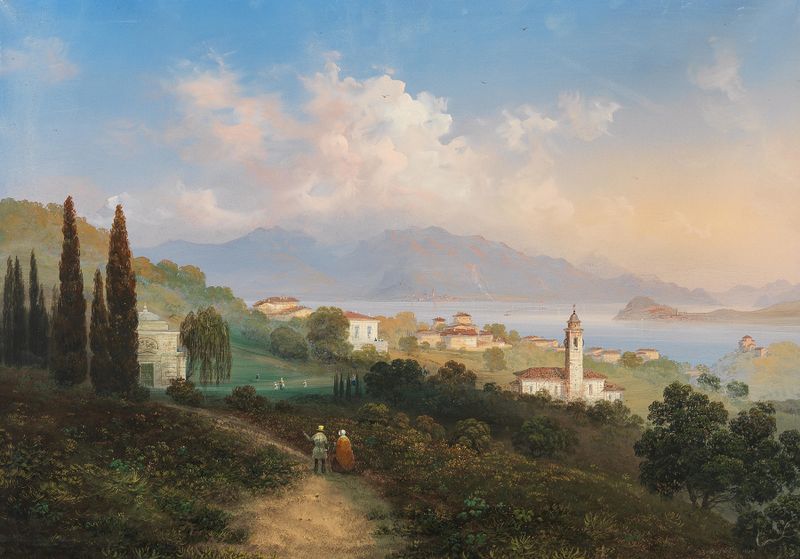
A View of Lake Como and Menaggio, with Punta di Bellagio on the Right
Carlo Bossoli
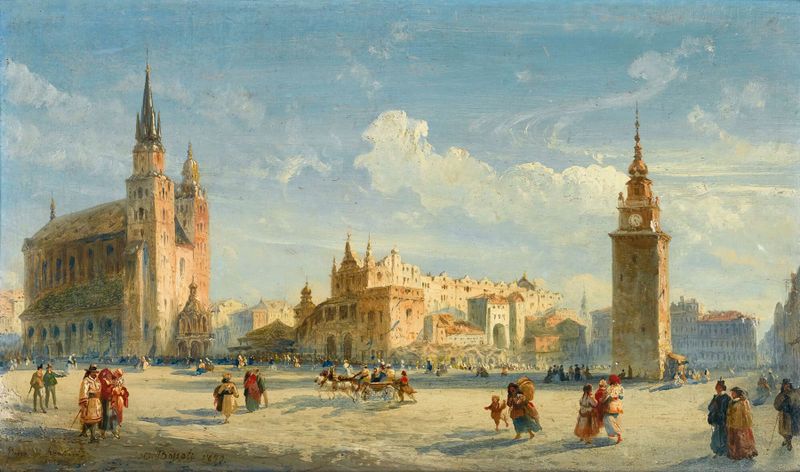
Mariacki square with the cloth hall, Cracow
Carlo Bossoli
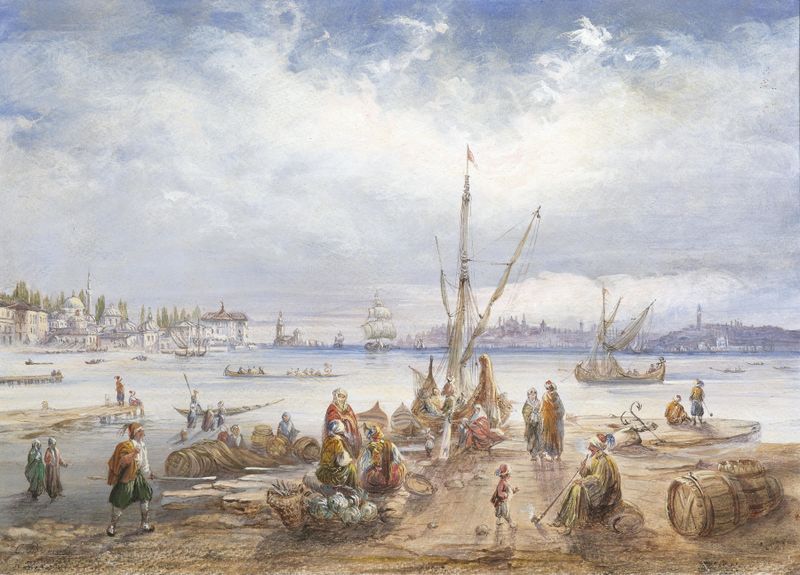
Blick auf Istanbul
Carlo Bossoli
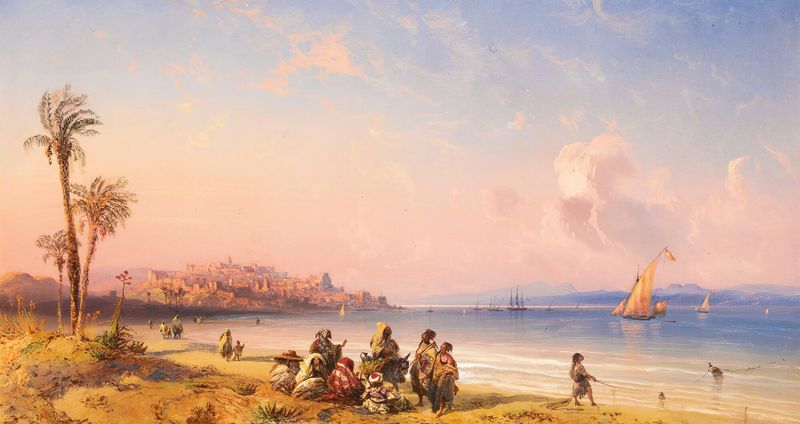
Ceuta
Carlo Bossoli
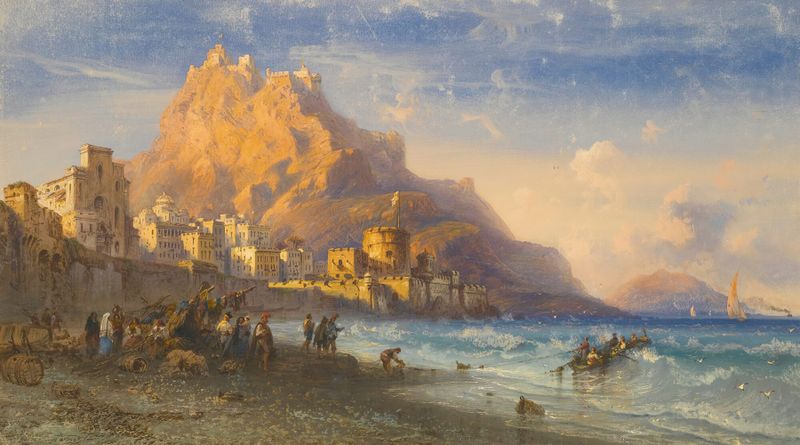
Coastal Landscape, Southern Italy
Carlo Bossoli
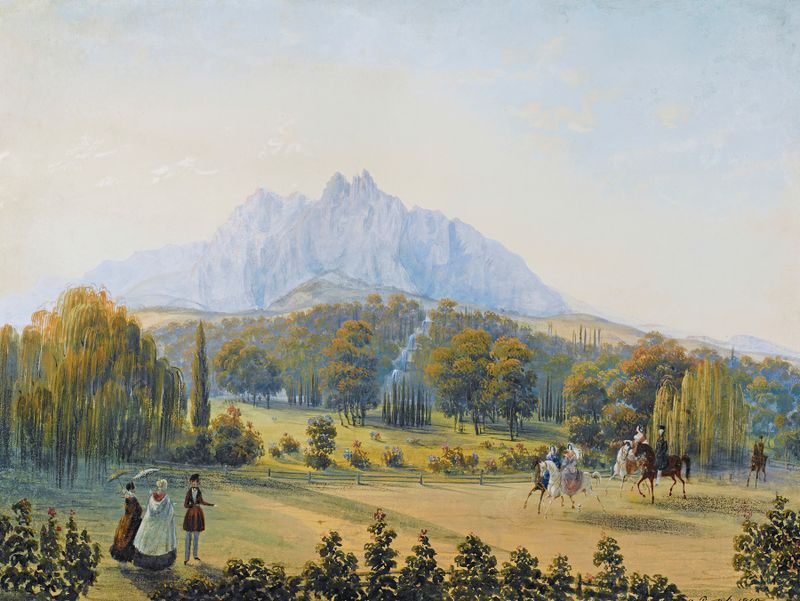
Seven Views Of Miskhor In The Crimea Vi
Carlo Bossoli
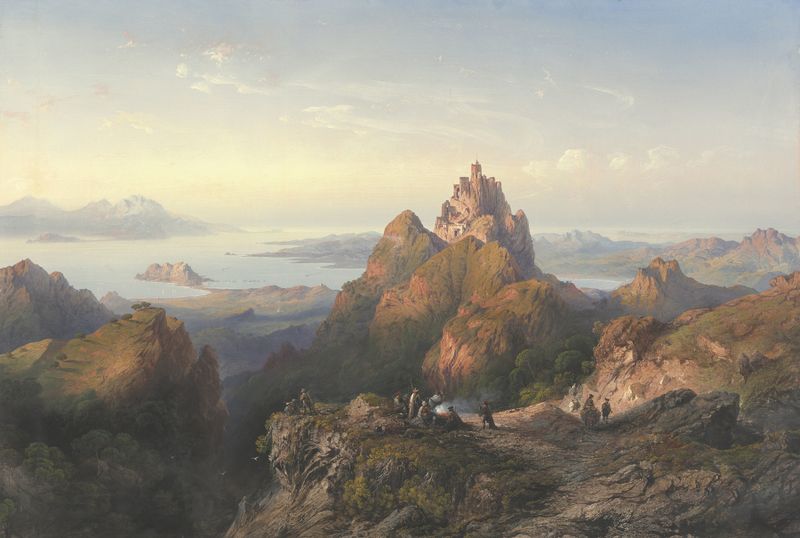
Balaklava
Carlo Bossoli
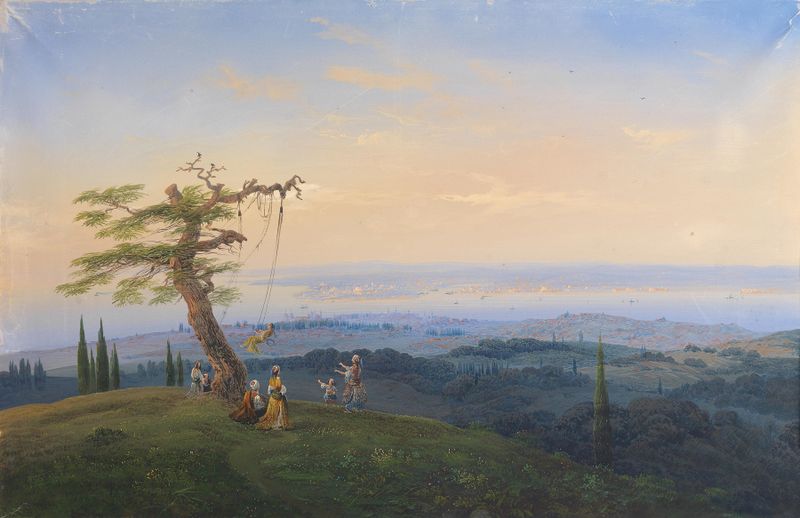
Abendliches Vergnügen vor den Toren Konstantinopels
Carlo Bossoli
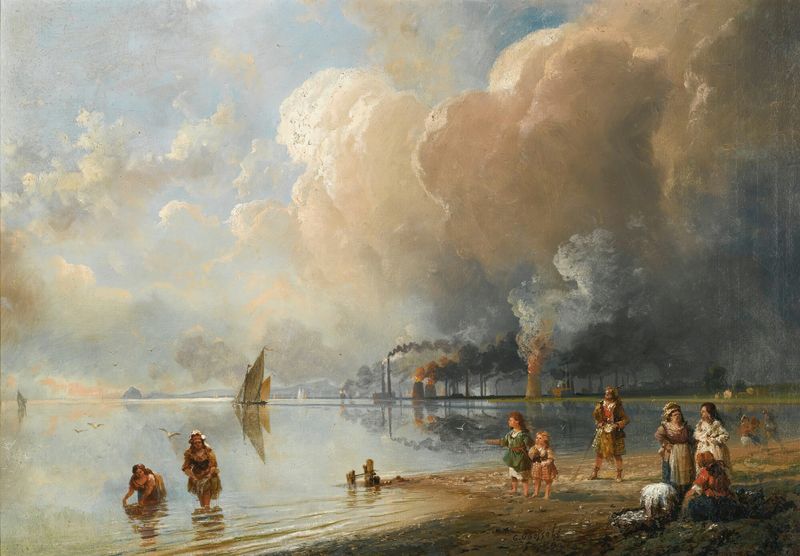
On the banks of the forth, Edinburgh
Carlo Bossoli
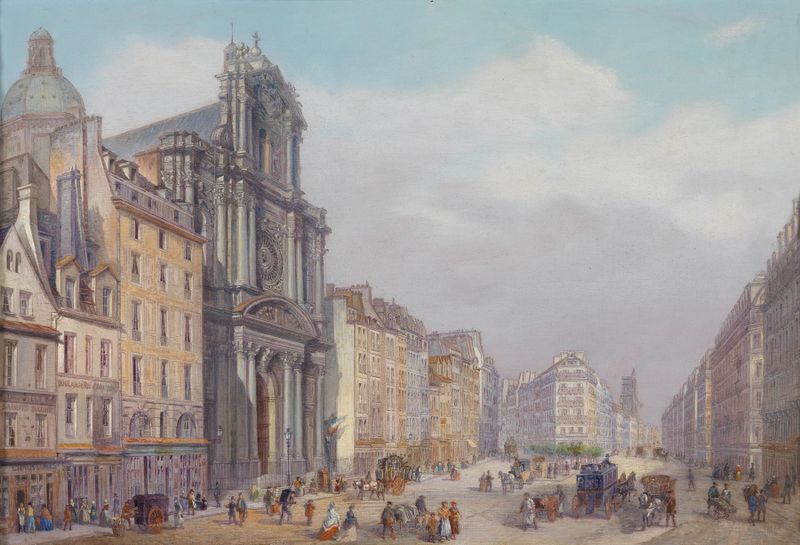
Paris Rue Saint Antoine
Carlo Bossoli





