Sharon Springs — History & Facts
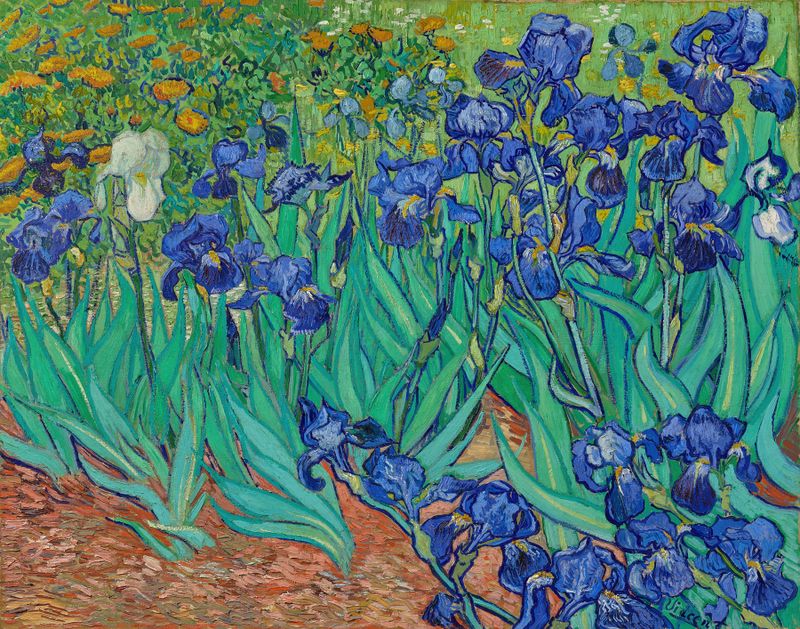
This notion resonates deeply in the painted world of decay, where beauty whispers its secrets through the passage of time. Focus first on the delicate interplay of light and shadow in the foreground. Notice how the dying flowers, rendered in muted tones, seem to capture the last gasp of summer. The artist’s brushwork creates a soft texture, inviting the viewer to linger on the imperfections that enhance the overall composition.
The background fades into an ethereal haze, contrasting the vibrancy of the blooms, drawing us into a realm where vibrancy coexists with inevitable decline. Amidst this tranquil scene, look closely for the subtle expressions of nostalgia and loss. The vibrant petals tell a story of life that is slipping away, while the decaying elements symbolize the transient nature of existence. The juxtaposition of vivid colors against the backdrop of decay evokes a bittersweet tension, inviting contemplation on the beauty found in impermanence and the quiet acceptance of change. In 1883, Elizabeth Boott Duveneck created this piece while living in Florence, amidst a flourishing art community that celebrated both innovation and tradition.
During this time, she was navigating her own artistic voice, influenced by the vibrant colors and themes popular in the world of Impressionism. This work, embodying her unique perspective, reflects both her personal journey and the broader artistic transitions of her era.