
Shield of Edward IV (1442-83), King of England, in his Capacity as Knight of the Order of the Golden Fleece — History & Facts
What secret hides in the quiet of the canvas? Behind the ornate shield lies a narrative of power, loss, and the weight of legacy that resonates through time. Look to the center of the composition, where Edward IV’s shield commands attention with its gilded details and vivid colors, almost pulsating beneath the muted tones surrounding it. The intricate patterns and symbols captured in the metalwork tell tales of chivalry and honor, while the dark background envelops the shield, creating a stark contrast that heightens its significance. Notice how the play of light highlights the textures, inviting the viewer to contemplate both the beauty and the burden carried by the emblem. Delve deeper into the subtle melancholia threaded throughout the painting.
The shield, while a symbol of nobility and protection, also stands as a testament to the fragility of power. Its positioning, slightly askew, suggests the uncertain nature of kingship, as though it might slip from the grasp of its bearer at any moment. The surrounding darkness whispers of the shadows of history, reminding us that even the mightiest are not immune to the passage of time. Coustain painted this work around 1481 during a period of political intrigue and instability in England.
As an artist who was closely linked to the court, he was acutely aware of the tensions and tumult that defined the era. This painting, emblematic of the shifting allegiances and fragile certainties of the time, reflects both the glory and the melancholy inherent in the role of a king, inviting viewers to ponder the weight of history carried by those who wield power.
More Artworks by Pierre Coustain
Browse all →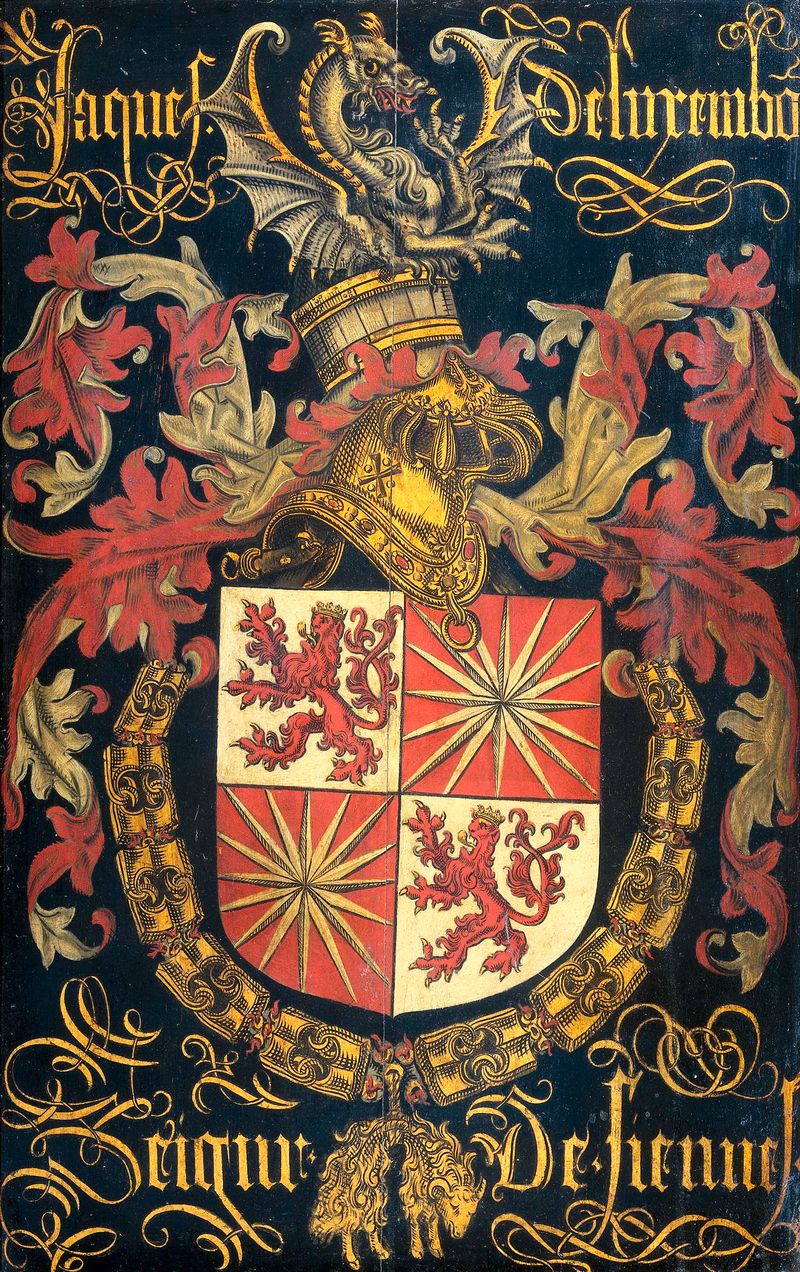
More Historical Art
Browse all →
The Night Watch Militia Company of District II under the Command of Captain Frans Banninck Cocq
Rembrandt van Rijn

Lincoln Memorial
Henry Bacon

The Third of May 1808
Francisco de Goya

Isaac and Rebecca, Known as ‘The Jewish Bride’
Rembrandt van Rijn

The Charge of the Mamelukes (1814)
Francisco de Goya

De vier ruiters van de apocalyps
Albrecht Dürer