
Shield of Jacob of Luxemburg (after 1441-88), Lord of Fiennes, in his Capacity as knight of the Order of the Golden Fleece — History & Facts
When did color learn to lie? In the intricate details of a knight's armor, the hues seem to whisper stories of valor and deceit, reflecting both glory and pretense woven into the fabric of history. Focus on the central shield, resplendent and commanding. Its ornate design draws the eye first, where a tapestry of gold and deep blue intertwines, capturing the essence of nobility. Notice how the delicate brushwork reveals not just the craftsmanship of the era but also the weight of allegiance—each stroke alive with the burden of honor.
As the light dances across the metal, it creates a shimmering illusion, blurring the line between authenticity and façade. Hidden meanings lie beneath the surface. The shield, emblematic of power, also suggests vulnerability; its polished exterior shields not only the knight but encapsulates the fears and ambitions of a man bound by the expectations of his lineage. The contrasting dark background emphasizes the knight’s isolation, hinting at the void that defines his existence beyond the grandeur.
Each minute detail—an elaborate border, a solitary emblem—serves as a reminder of the inner conflict of duty versus desire. Coustain painted this piece around 1481 during a time when the Order of the Golden Fleece represented an elite fraternity of chivalry, embracing both political ambition and cultural refinement. At this moment in history, a surge of interest in heraldry and symbolism flourished within the art world, echoing the complexities of courtly life. The artist, navigating this intersection of art and society, imbued the work with a sense of gravitas, capturing the intricate dance between appearance and reality.
More Artworks by Pierre Coustain
Browse all →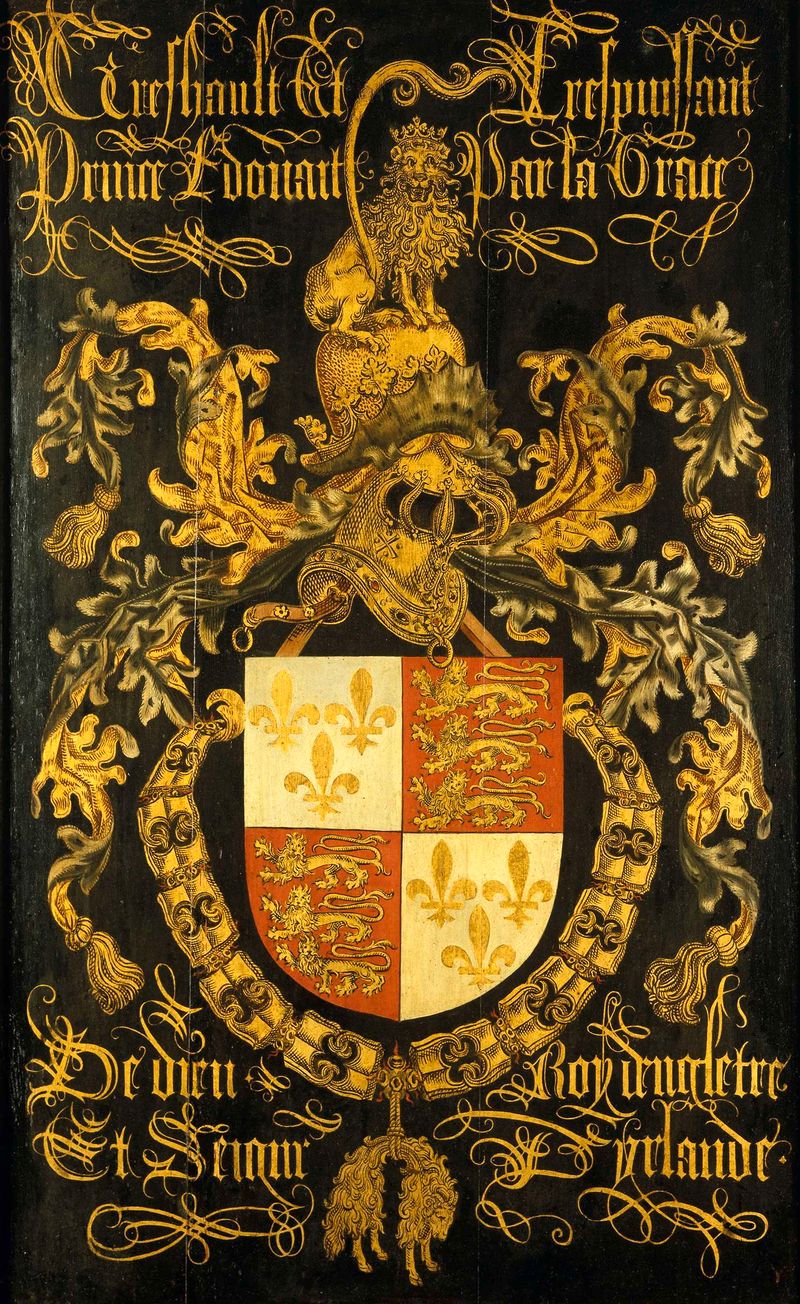
More Historical Art
Browse all →
The Night Watch Militia Company of District II under the Command of Captain Frans Banninck Cocq
Rembrandt van Rijn

Lincoln Memorial
Henry Bacon

The Third of May 1808
Francisco de Goya

Isaac and Rebecca, Known as ‘The Jewish Bride’
Rembrandt van Rijn

The Charge of the Mamelukes (1814)
Francisco de Goya

De vier ruiters van de apocalyps
Albrecht Dürer