
Shimada — History & Facts
What secret hides in the quiet of the canvas? Beneath the serene surface of Hokusai’s Shimada, a poignant melancholy resonates, calling out to those willing to listen. Look to the left at the delicate contours of the hills, where soft greens and blues intertwine, creating a horizon that seems to stretch endlessly. The meticulous detail in the trees, their branches gracefully reaching toward the sky, contrasts with the stillness of the water below, inviting the viewer to ponder the relationship between nature and solitude. The subtle play of light on the surface reflects not only a sense of tranquility but also an underlying tension, suggesting that peace can often harbor deeper emotions. Beneath the tranquil exterior, the artwork evokes feelings of nostalgia and introspection.
The gentle ripples in the water symbolize the passing of time, while the solitary figure—standing perhaps in contemplation—serves as a reminder of human vulnerability amid nature's grandeur. This moment of stillness becomes a canvas for the viewer's own memories and longings, bridging the gap between the individual and the universal experience of melancholy. In 1804, when this piece was completed, Hokusai was establishing himself as a master in the world of ukiyo-e, amidst a backdrop of political change and cultural evolution in Japan. His innovative techniques and focus on landscapes marked a departure from traditional themes, reflecting not only his personal journey but also the broader shifts within the art world of the Edo period.
More Artworks by Katsushika Hokusai
Browse all →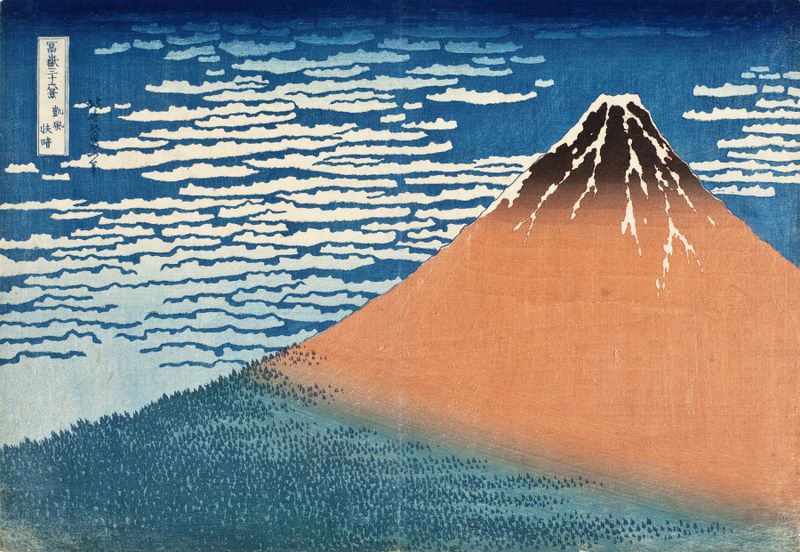
South Wind, Clear Dawn
Katsushika Hokusai

South Wind, Clear Weather
Katsushika Hokusai

Clear Weather with a Southerly Wind
Katsushika Hokusai
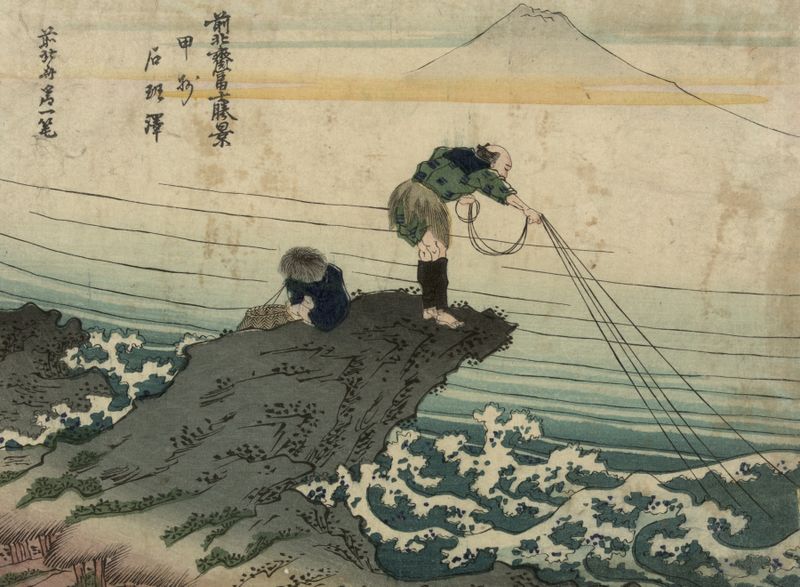
Kōshū kajikazawa
Katsushika Hokusai

Rainstorm beneath the Summit (Sanka Haku-u)
Katsushika Hokusai

Kōshū kajikazawa 2
Katsushika Hokusai
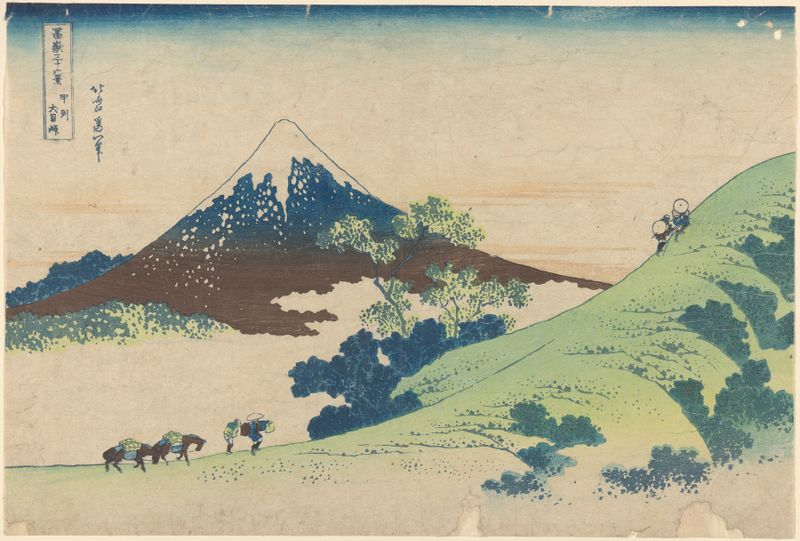
Inume Pass in Kai Province (Kôshû inume-tôge)
Katsushika Hokusai

Yoro Falls in Mino Province (Mino no Yoro no taki), from the series "A Tour of Waterfalls in Various Provinces (Shokoku taki meguri)"
Katsushika Hokusai
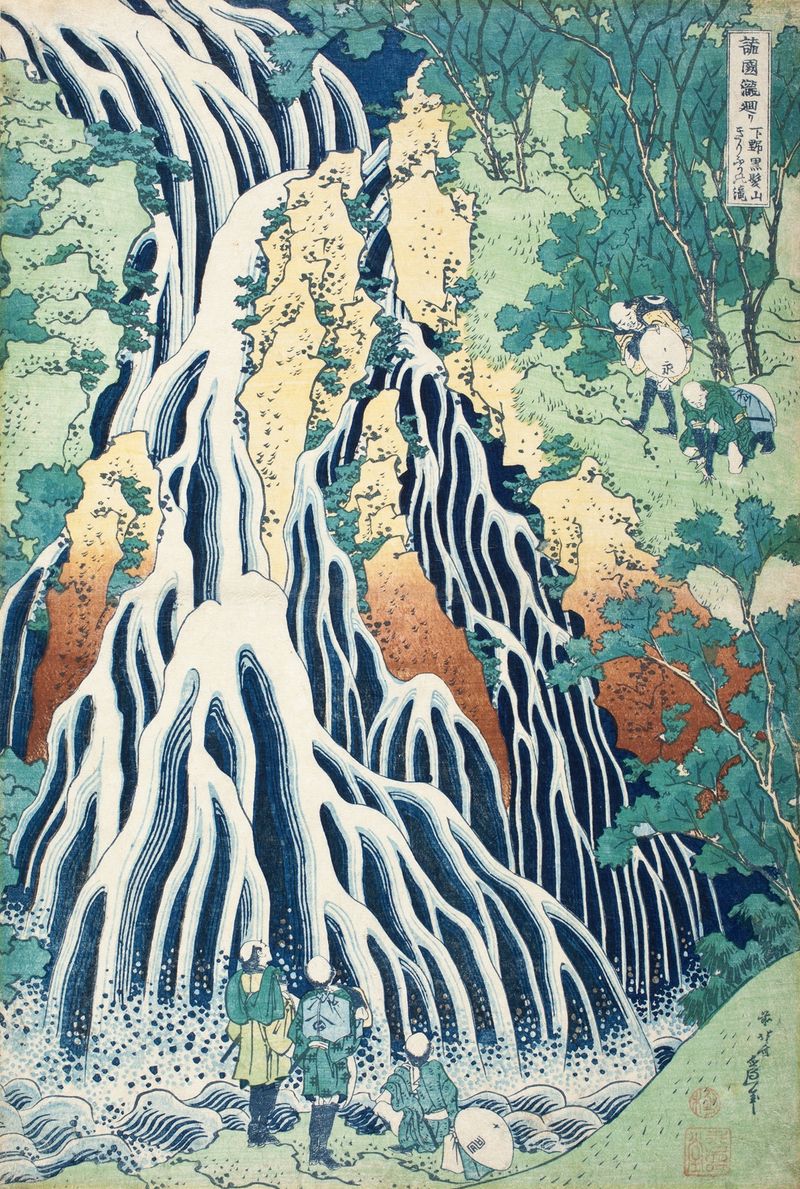
Falls of Kirifuri at Mt. Kurokami, Shimotsuke Province
Katsushika Hokusai
Onden no suisha
Katsushika Hokusai





