
Shipping and the Ducal Palace — History & Facts
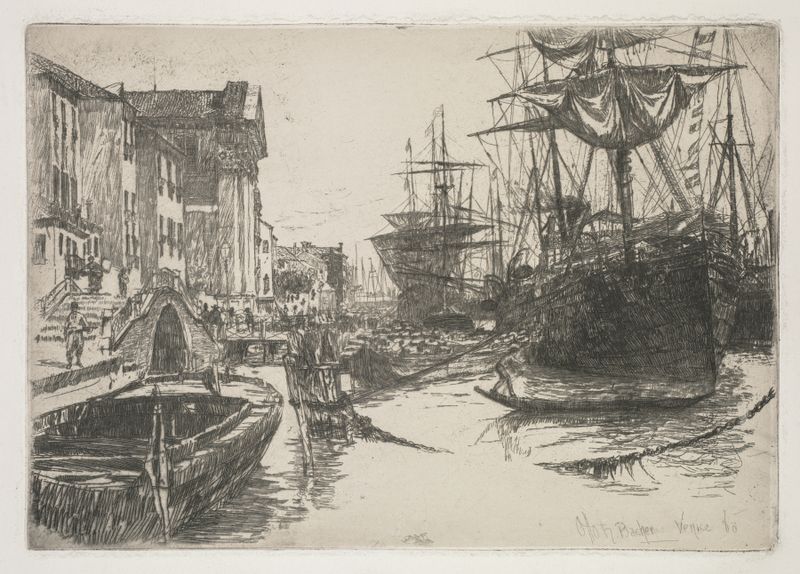
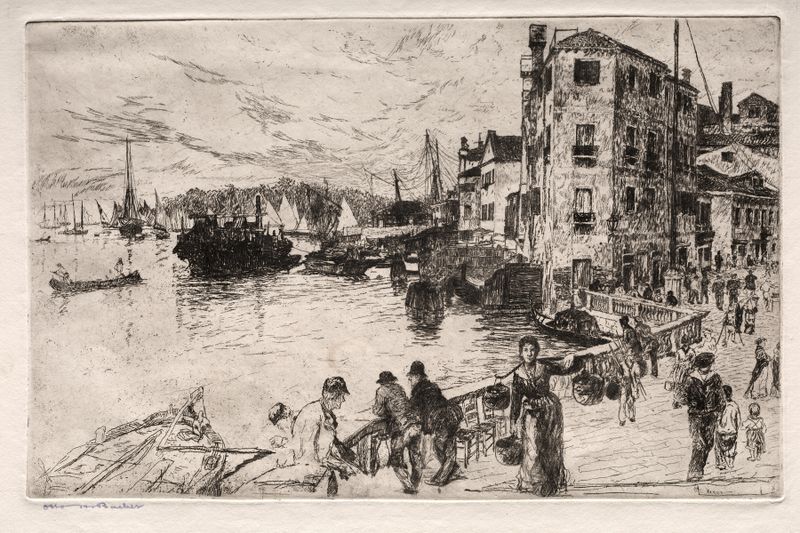
What if beauty was never meant to be finished? In the delicate interplay of light and shadow, this piece invites us to contemplate the transient nature of existence and artistry. Look to the left at the gentle curve of the canal, its waters reflecting the soft hues of the sky, while the intricate architecture of the Ducal Palace stands majestically in the background. The artist employs a muted palette, dominated by earthy tones and dappled sunlight, which evokes a sense of nostalgia. Notice how wisps of clouds mirror the delicate brushstrokes, as Bacher weaves together a tapestry of life that feels both alive and fleeting, urging the viewer to linger. The emotional tension within the work lies in its duality of permanence and impermanence.
The sturdy walls of the palace symbolize history and resilience, while the rippling water signifies the ever-flowing passage of time. There is a fragile beauty to the scene, a moment captured that suggests everything is in flux, reminding us of our own transitory experiences. The interplay of reflections, both in water and in emotion, speaks to the complexities of memory and loss. In 1888, Bacher was navigating the vibrant art scene of Venice, where he painted this piece during a trip that profoundly influenced his work.
The city, known for its historic architecture and intricate waterways, resonated with the artist's fascination for beauty and fragility. At this time, he was exploring impressionistic techniques, aiming to capture the ephemeral qualities of light and atmosphere, setting the stage for an evolving dialogue in modern art.
More Artworks by Otto Henry Bacher
Browse all →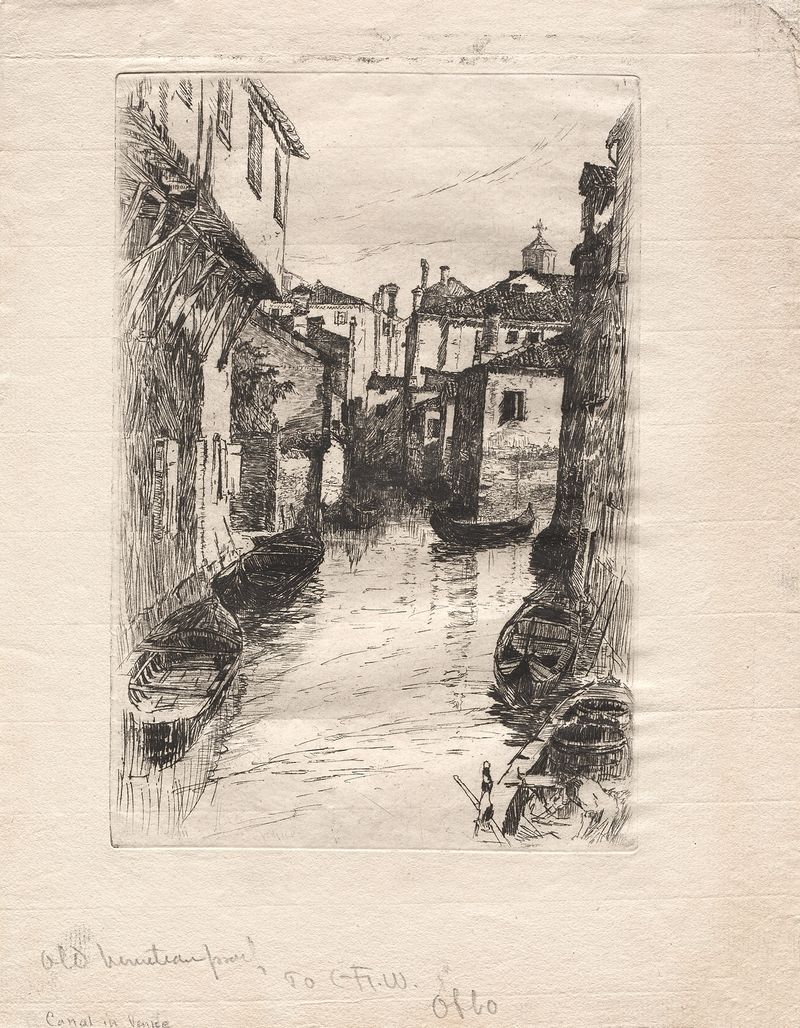
Canal in Venice
Otto Henry Bacher
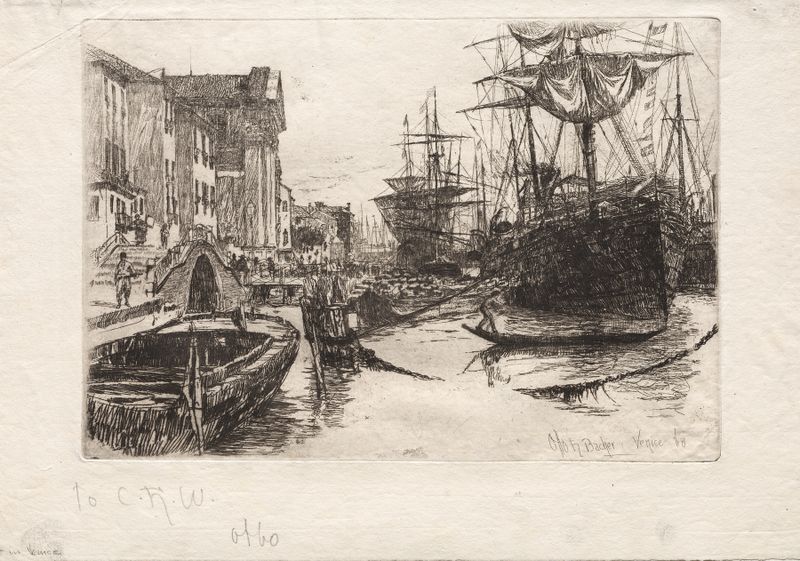
View in Venice
Otto Henry Bacher
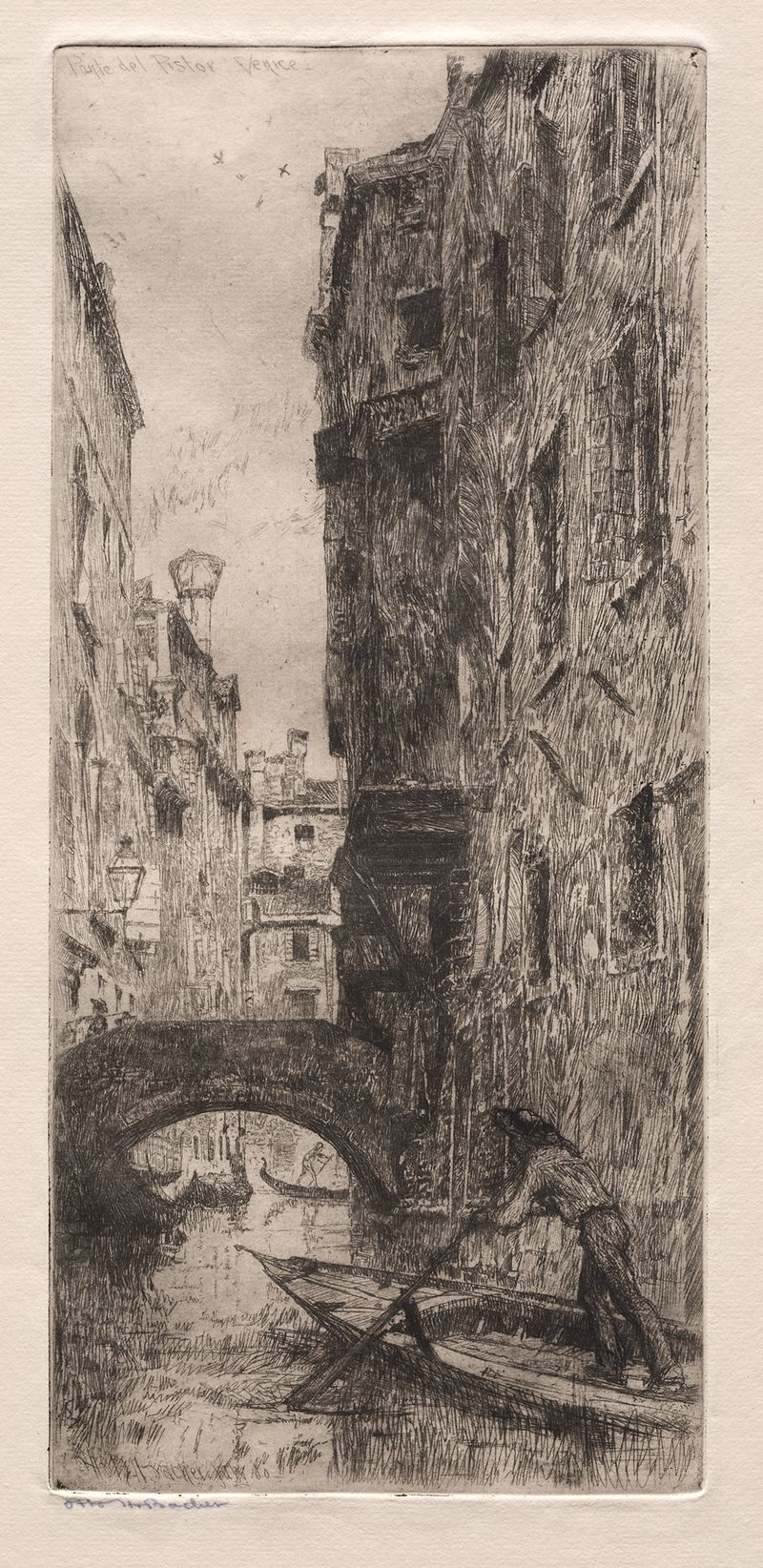
Ponte del Pistor, Venice
Otto Henry Bacher
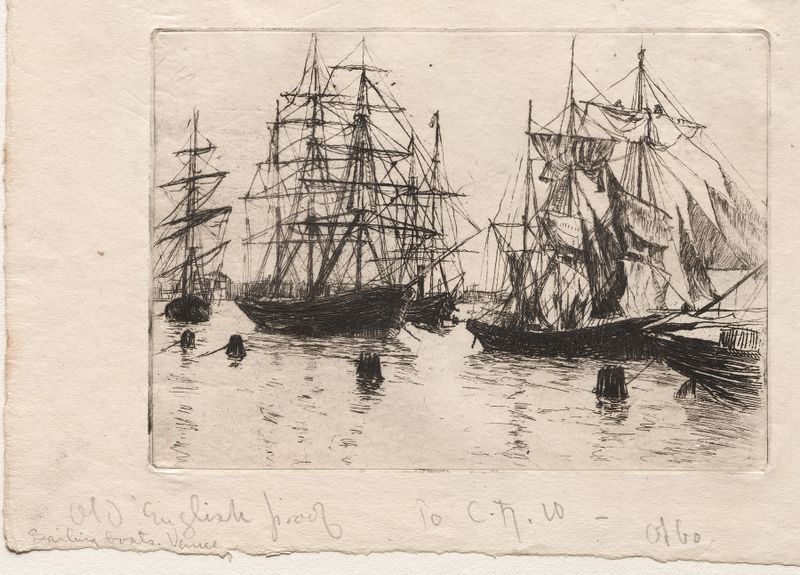
Sailing Boats, Venice
Otto Henry Bacher
Fondamenta della Zattere
Otto Henry Bacher
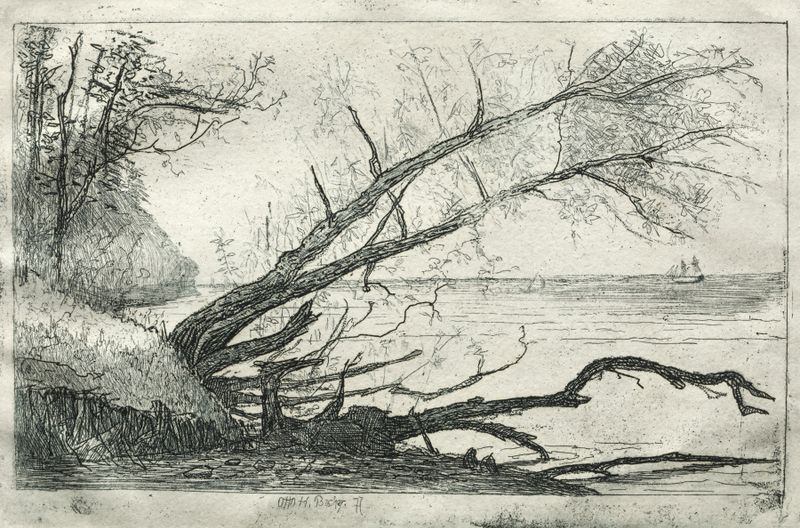
Old Sycamore
Otto Henry Bacher
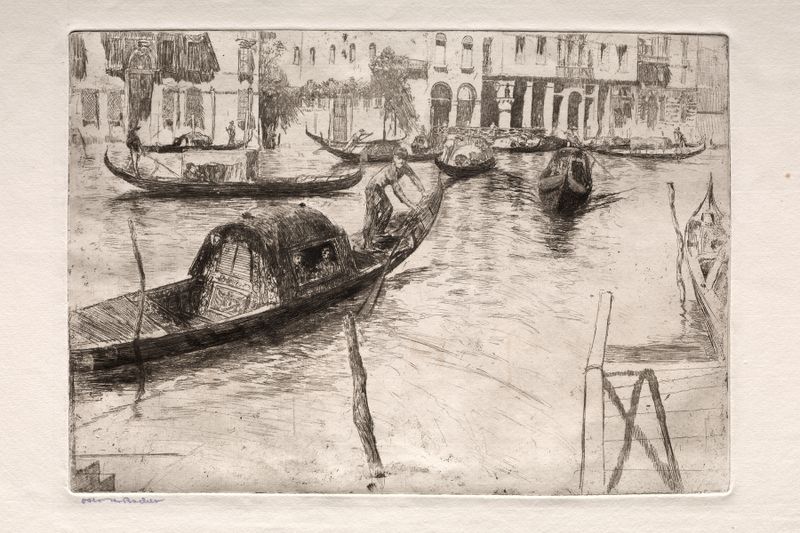
Traghetto San Felice
Otto Henry Bacher
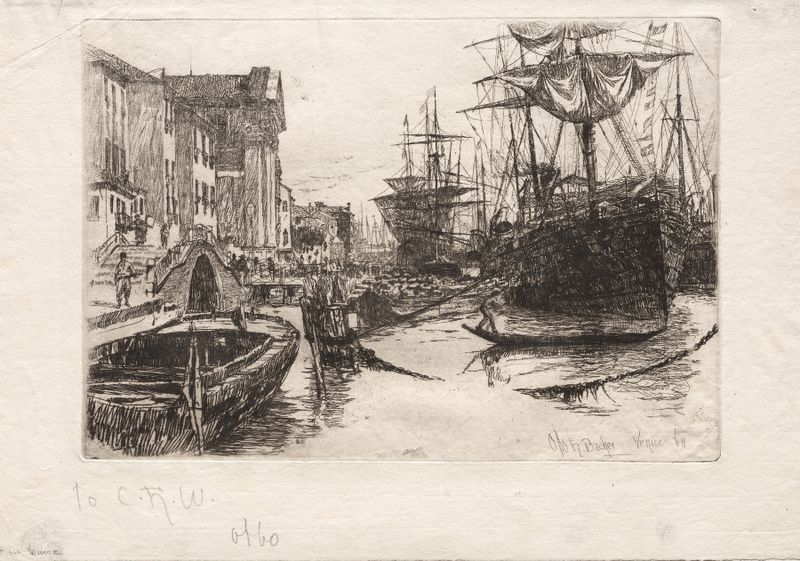
View in Venice
Otto Henry Bacher
Castello Quarters, Riva
Otto Henry Bacher
St. Clair Street, Cleveland
Otto Henry Bacher





