Ships in a Storm on a Rocky Coast — History & Analysis
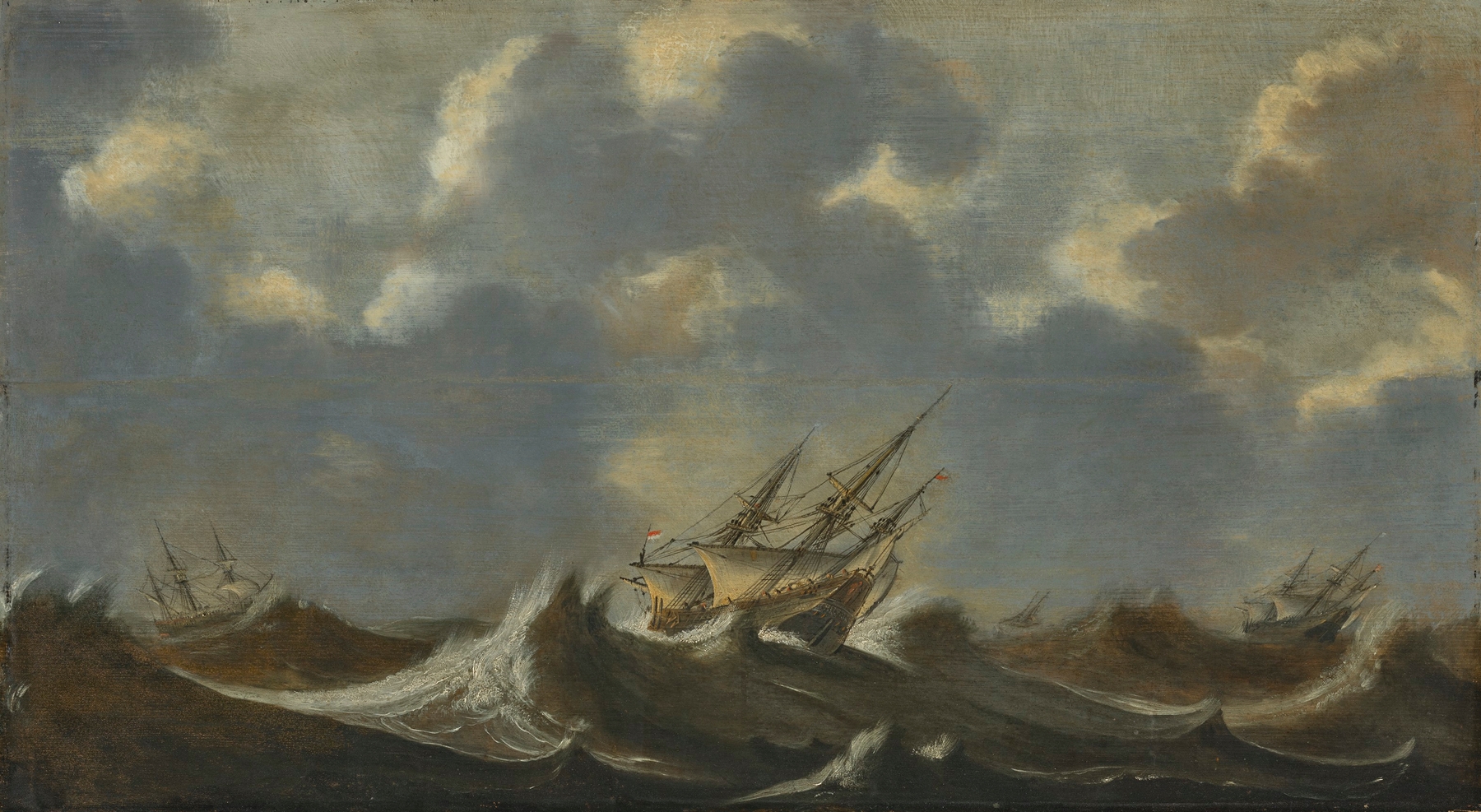
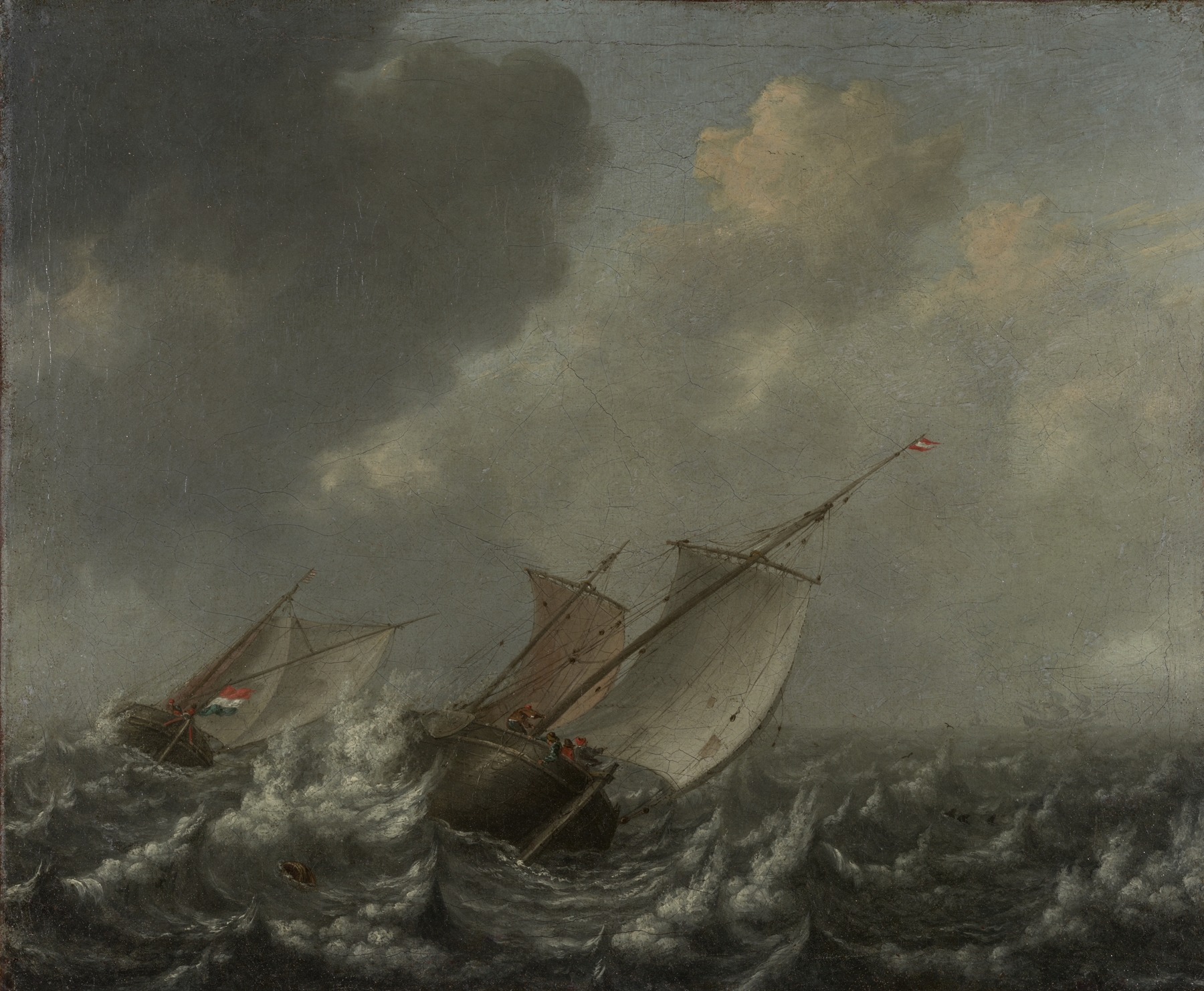
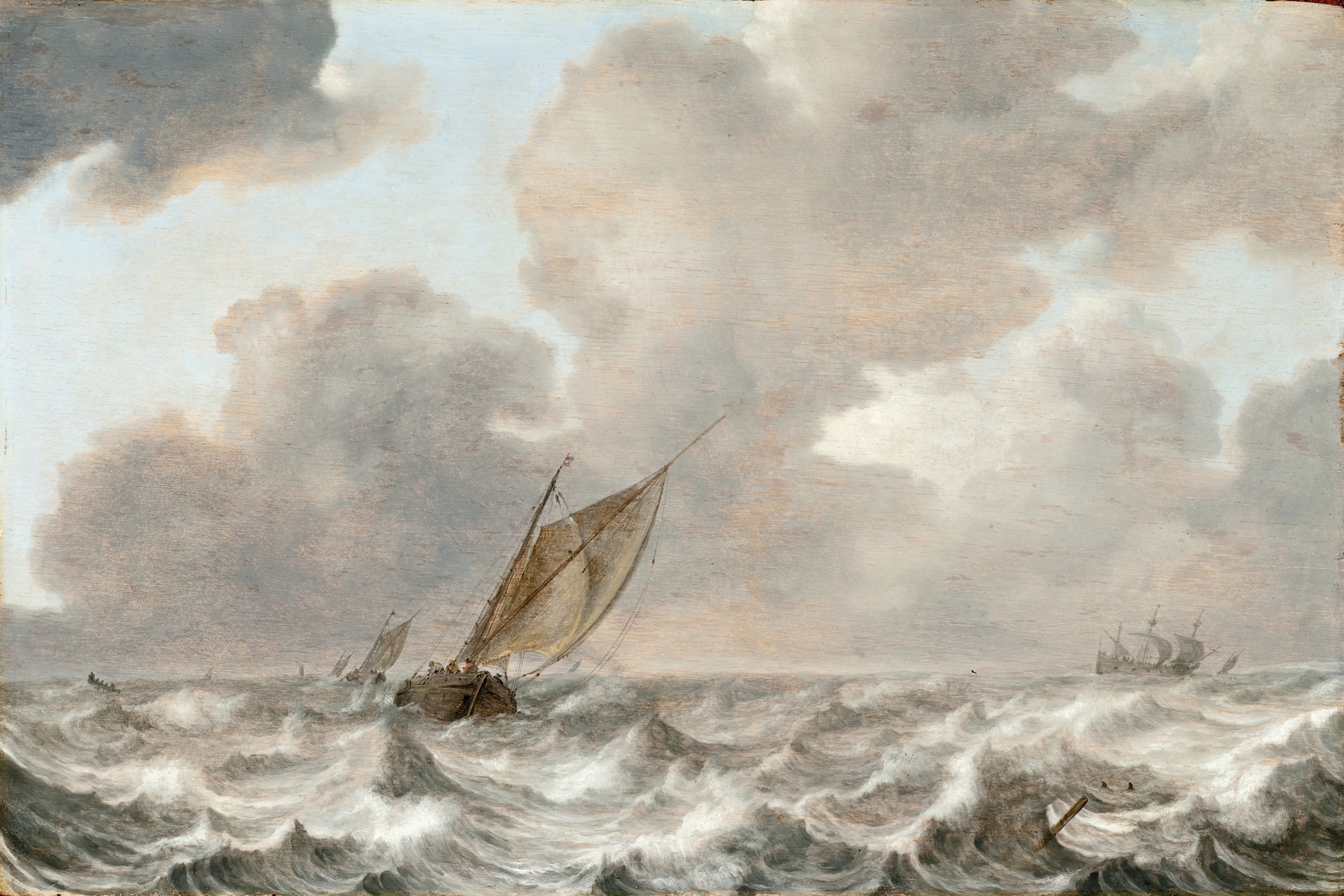
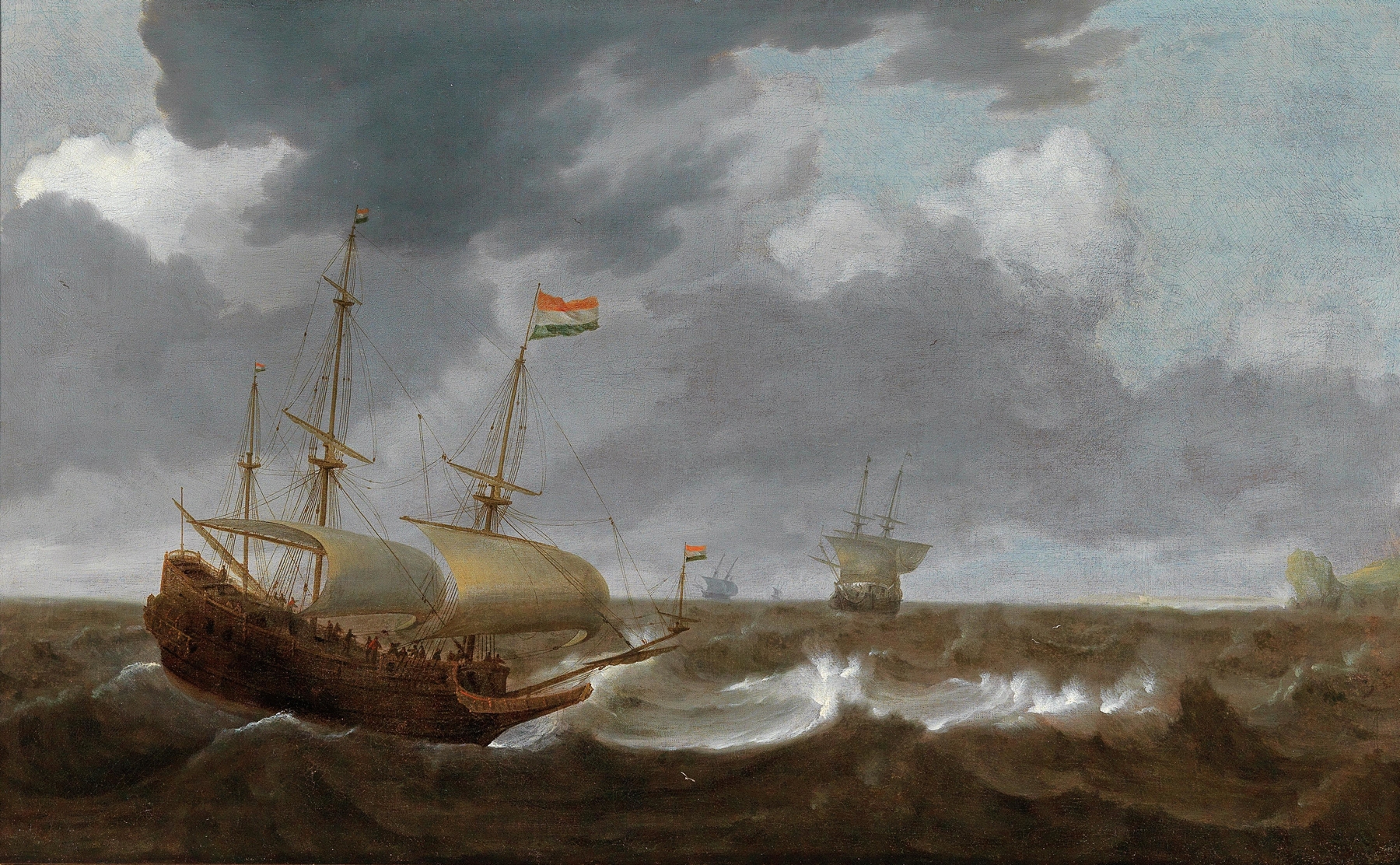
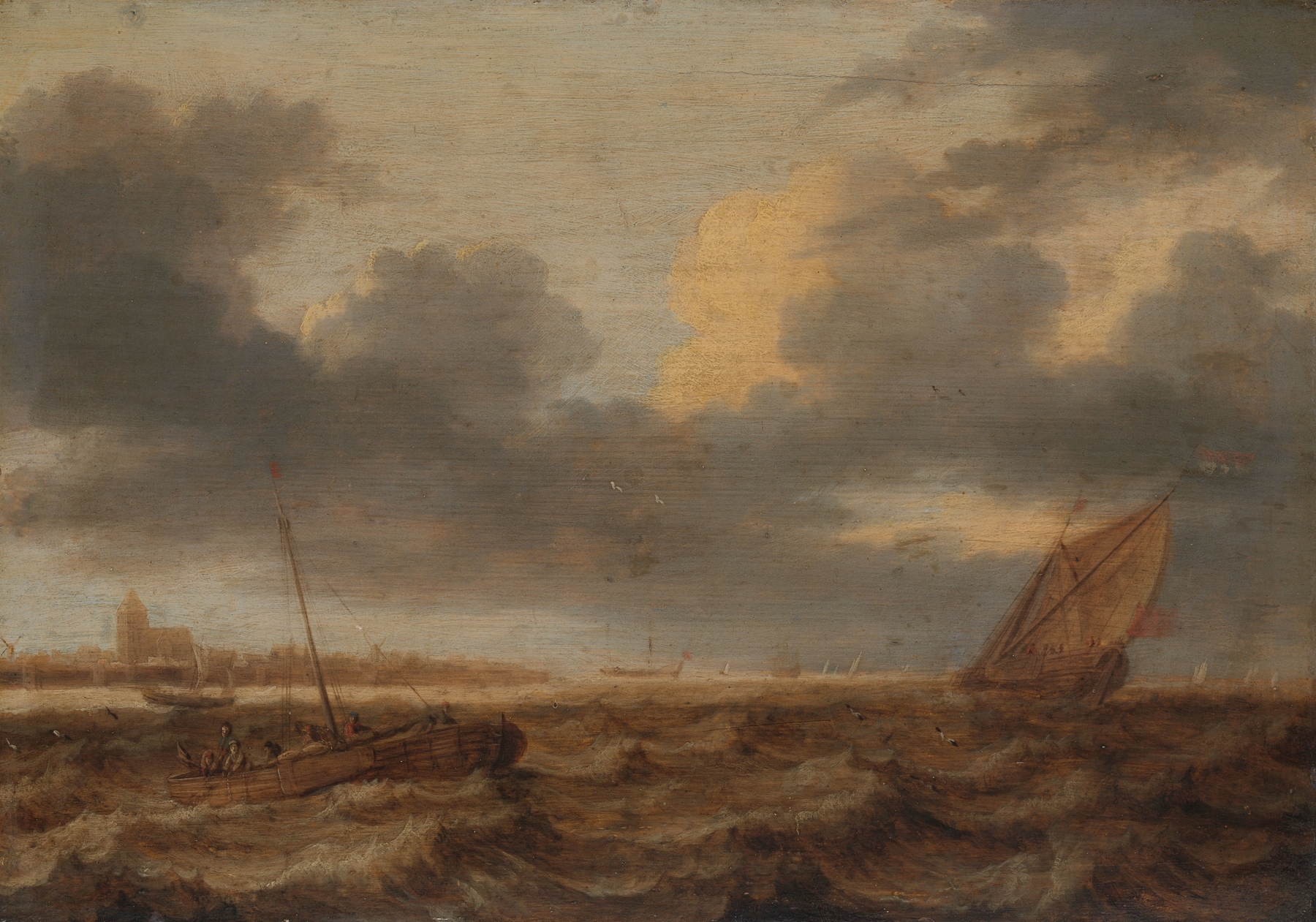
“Under the brush, chaos becomes grace.” In the heart of a tempest, longing manifests not in silence but in the tumult of the waves, where nature’s ferocity meets human endeavor. Focus first on the horizon, where tumultuous clouds swirl with shades of gray and indigo, foretelling the storm's fury. The vessels at the forefront strain against the churning waves, their sails taut as they battle the elements. Notice how Porcellis employs a muted palette, allowing the vibrant flashes of white from the frothy sea to punctuate the darkened sky, creating a stark contrast that intensifies the scene's drama.
Each brushstroke captures the wild dance of water and wood, revealing the artist's deep engagement with both nature and maritime adventure. Look closely at the sailors, their straining figures embodying the essence of human resilience amid nature's chaos. The juxtaposition of their frantic movements against the calm, unyielding rocks hints at themes of perseverance and vulnerability. The crashing waves symbolize both destruction and renewal, suggesting an eternal struggle—an emotional tension mirrored in the hearts of those brave enough to navigate such treacherous waters.
This complexity captures the longing for safety, stability, and the unfathomable beauty of the sea, even when it carries the threat of violence. Jan Porcellis painted Ships in a Storm on a Rocky Coast between 1614 and 1618, during a time when the Dutch Golden Age was flourishing, and maritime trade was vital. Living in Haarlem, he found inspiration in the coastal landscapes and tumultuous seas that surrounded him. The work reflects not only the artist's skill in rendering dramatic seascapes but also a broader cultural preoccupation with the power of nature and the human spirit's resilience in the face of adversity.