
Siedlung im Urwald — History & Facts
In Siedlung im Urwald, Ferdinand Keller presents a vibrant jungle scene filled with lush greenery. The painting features a settlement nestled among tall trees, with figures engaged in daily activities. The colors are rich and varied, showcasing deep greens, earthy browns, and hints of bright colors from clothing and flora.
This lively setting invites viewers to explore the harmony between nature and human life. The technical execution of Siedlung im Urwald highlights Keller's skill in oil on canvas. The brushwork is detailed, capturing the textures of the foliage and the figures' clothing. Light plays a significant role in the composition, creating depth and dimension within the dense jungle.
The overall effect is one of immersion, drawing the viewer into this vibrant world. Ferdinand Keller was a German painter known for his landscapes and depictions of nature. Siedlung im Urwald reflects the Romantic movement's fascination with nature and the sublime. An interesting fact about this work is that it showcases Keller's ability to blend realism with romantic ideals, making the jungle both a setting and a character in its own right.
This painting exemplifies the artist's commitment to capturing the beauty and complexity of the natural world.
More Artworks by Ferdinand Keller

Türkenlouis
Ferdinand Keller
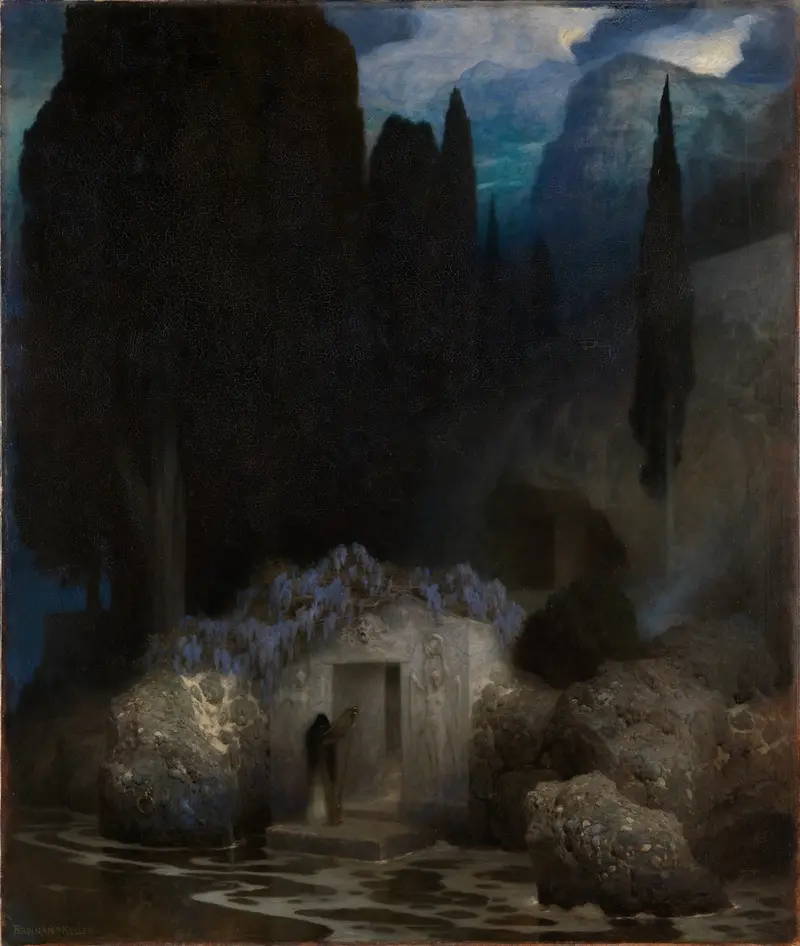
Böcklins Grab
Ferdinand Keller

Reisende in Brasilien
Ferdinand Keller
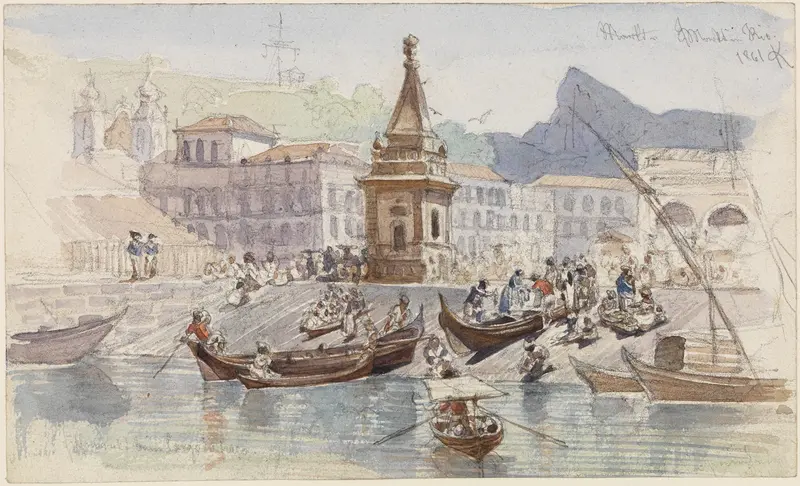
Markt in Rio
Ferdinand Keller
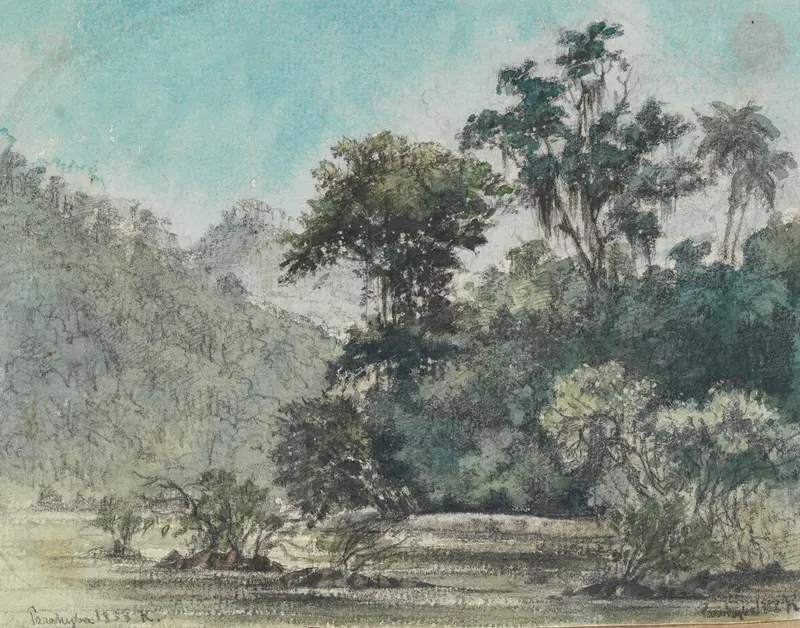
Blick auf das bewaldete Flussufer
Ferdinand Keller
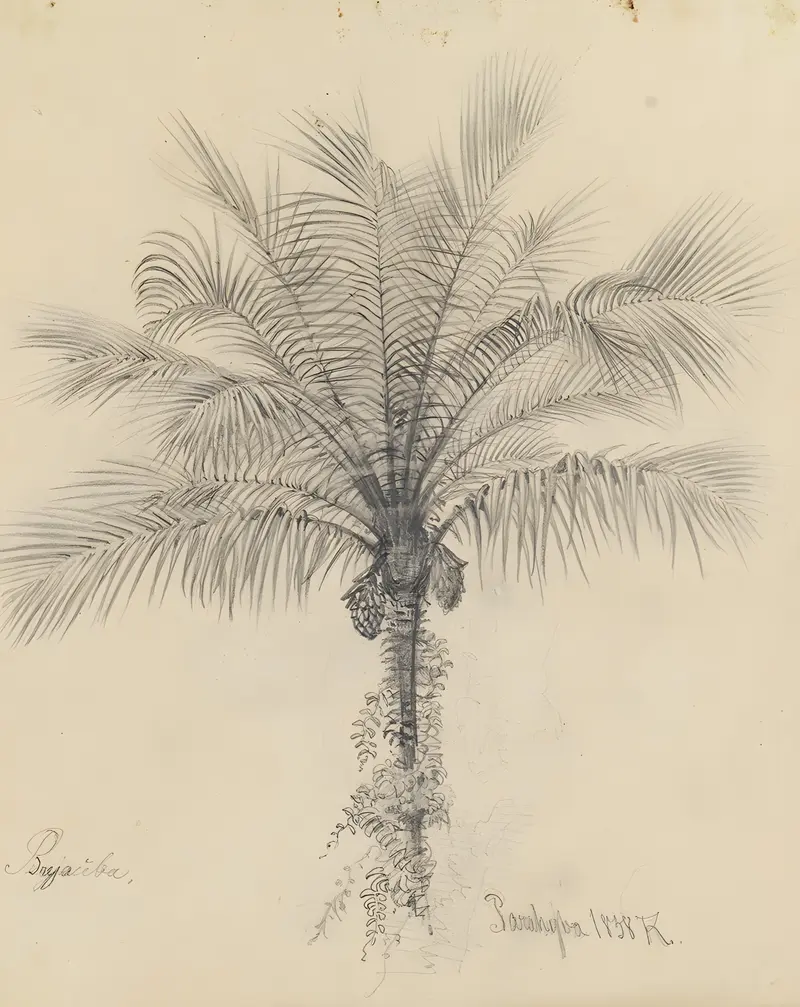
Palmstudie II
Ferdinand Keller
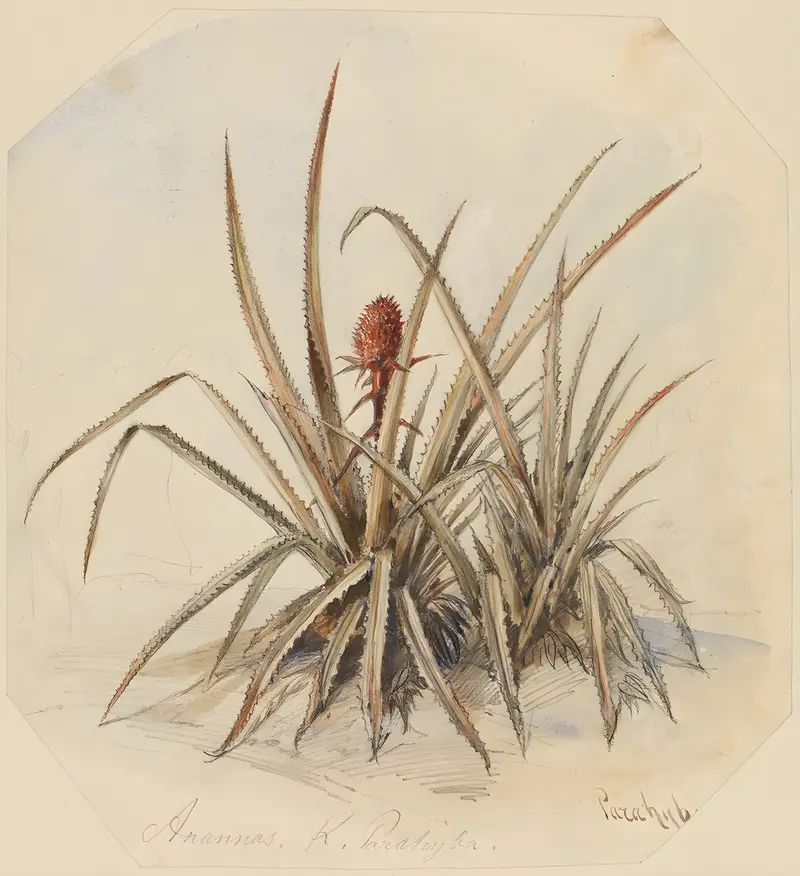
Blühende Ananas
Ferdinand Keller
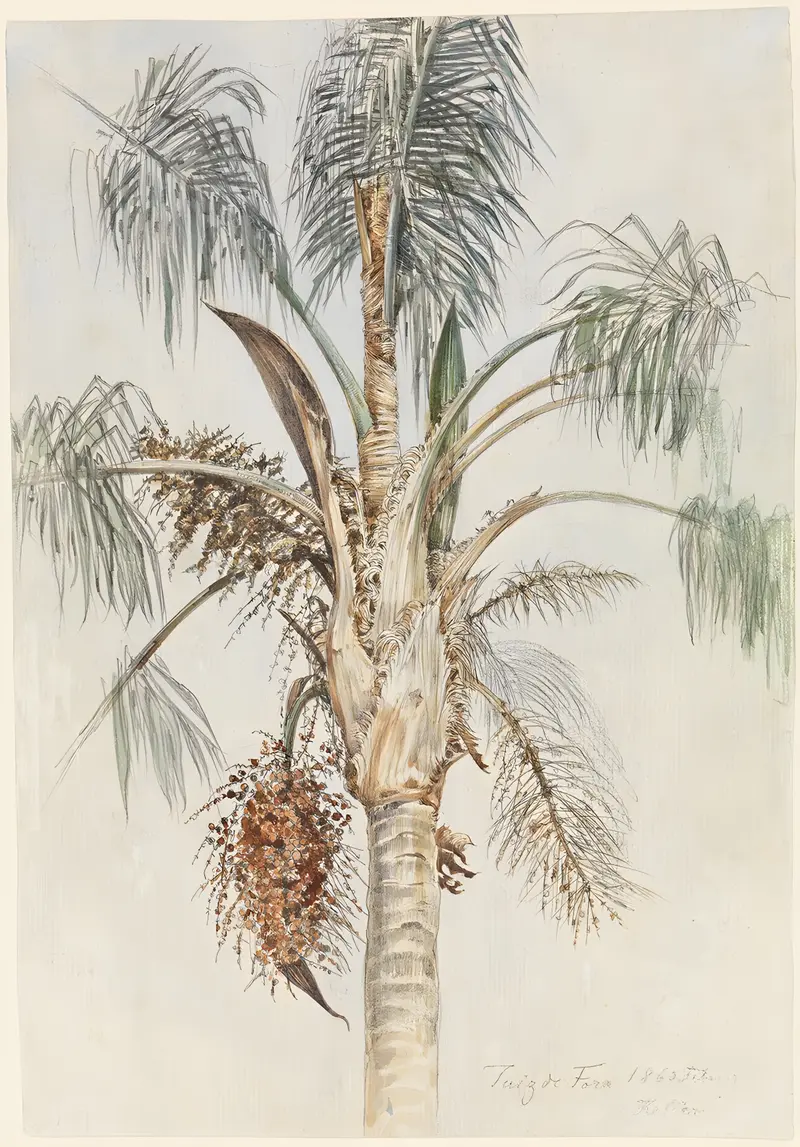
Krone einer Palme (Syagrus macrocarpa) in Juiz de Fora
Ferdinand Keller
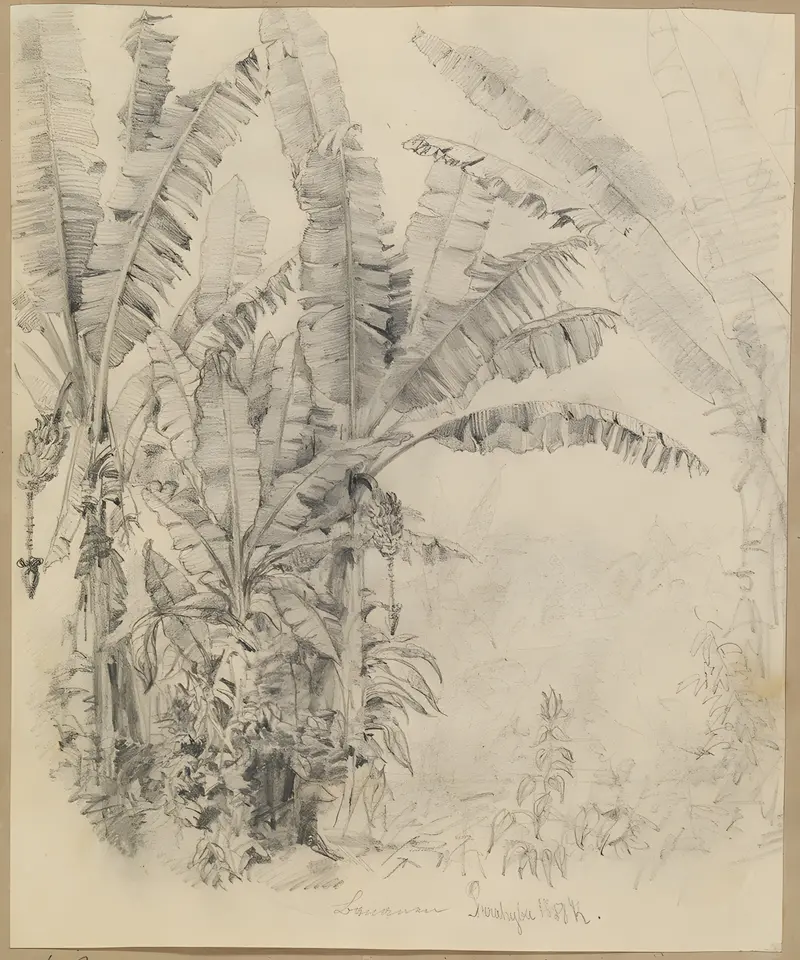
Im Urwald- Palmengewächse
Ferdinand Keller

Diana
Ferdinand Keller
More Landscape Art

The Starry Night
Vincent van Gogh

View of Delft
Johannes Vermeer

Water Lilies
Claude Monet

The Grand Canal, Venice, looking north-west from the Ca' Corner to the Ca' Contarini degli Scrigni, with the campanile of Santa Maria della Carità
Canaletto

Windsor Castle
Canaletto

The Grand Canal looking North-East from the Palazzo Dolfin-Manin to the Rialto Bridge
Canaletto