
Sion (Switzerland) — History & Facts
What if beauty was never meant to be finished? In the delicate interplay of light and shadow, Sion invites us to ponder the allure of the incomplete, revealing a world that beckons exploration yet remains tantalizingly elusive. Look closely at the foreground where the crumbling architecture meets the lush embrace of nature. The artist's brush captures the warm, golden hues of sunlight filtering through wispy clouds, casting an ethereal glow on the ancient stones. Notice how the mountains rise majestically in the background, their imposing presence contrasting with the delicate details of the foreground, where remnants of civilization intertwine with the verdant landscape.
This thoughtful composition evokes both nostalgia and a sense of longing, as if the viewer is peering into a story paused in time. Beneath the surface of this picturesque landscape lies a tension between permanence and decay. The ruins, half-swallowed by nature, suggest a dialogue between humanity and the environment — a reminder of the transient nature of existence. The interplay of light and dark not only reveals the physical contours of the scene but also symbolizes the void that beauty often occupies, hinting at what has been lost and what remains to be discovered.
In this moment, the viewer is both a witness to history and an explorer of the unseen. Isaac Weld painted Sion in 1817 while traveling through Switzerland, a time marked by the Romantic movement’s deep appreciation for nature and the sublime. As an artist and traveler, Weld was influenced by the picturesque beauty of his surroundings, capturing the essence of a rapidly changing world. During this period, he sought to convey the emotional weight of landscapes, reflecting broader themes of exploration and the human experience in an ever-evolving environment.
More Artworks by Isaac Weld
Browse all →
View of Mount Vernon, the seat of General Washington
Isaac Weld

Caernarvon (Castle)
Isaac Weld

View of Niagara Falls with Two Figures Sitting on a Rock Center Foreground
Isaac Weld
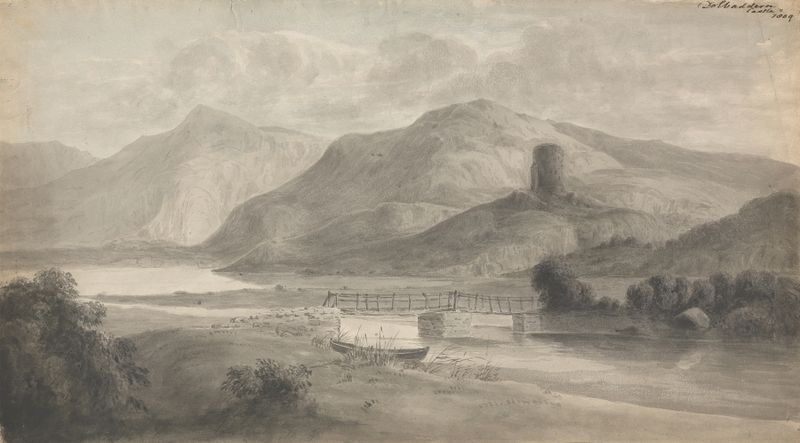
Dolbadarn Castle (North Wales)
Isaac Weld

View of Niagara Falls with Two Figures on Rock in Right Foreground
Isaac Weld
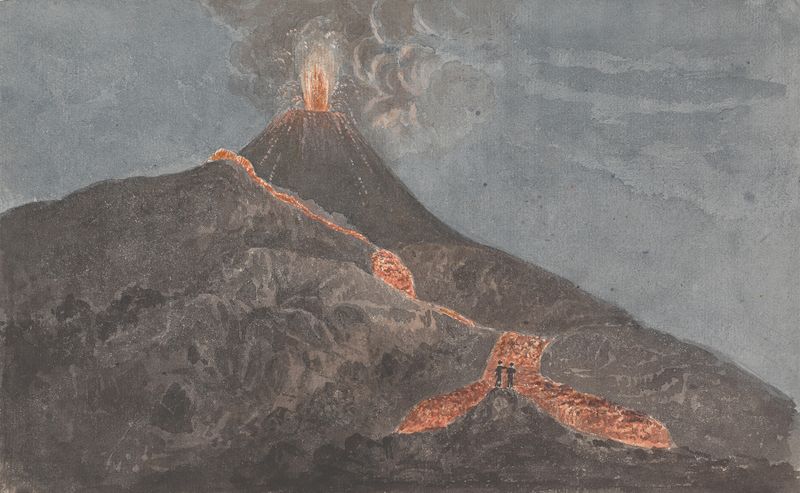
Vesuvius in Eruption
Isaac Weld
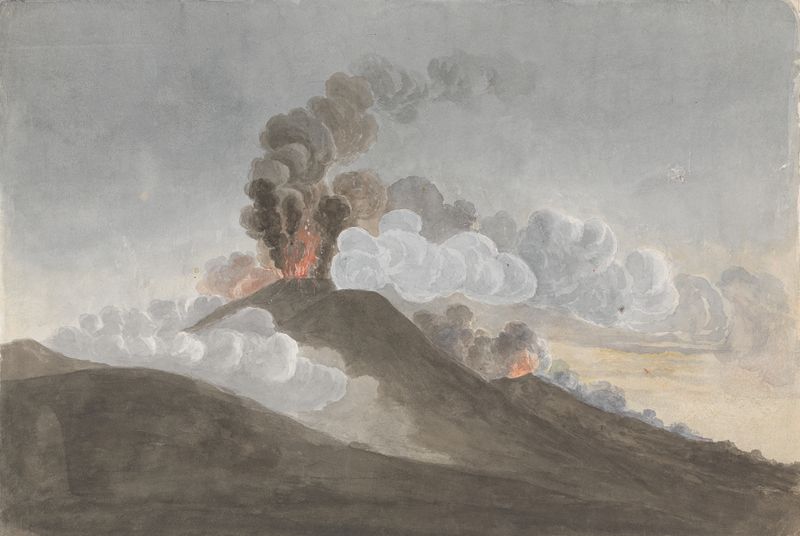
Vesuvius in Eruption.
Isaac Weld
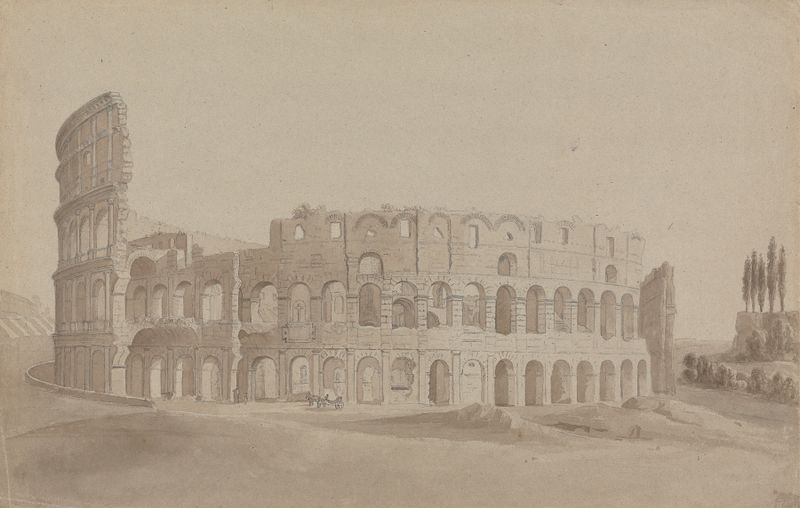
The Colosseum, Rome
Isaac Weld
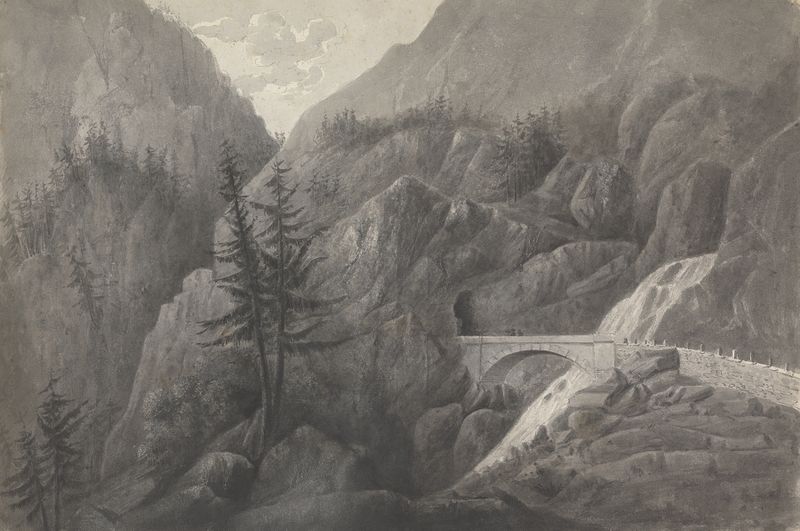
Simplon (Switzerland)
Isaac Weld
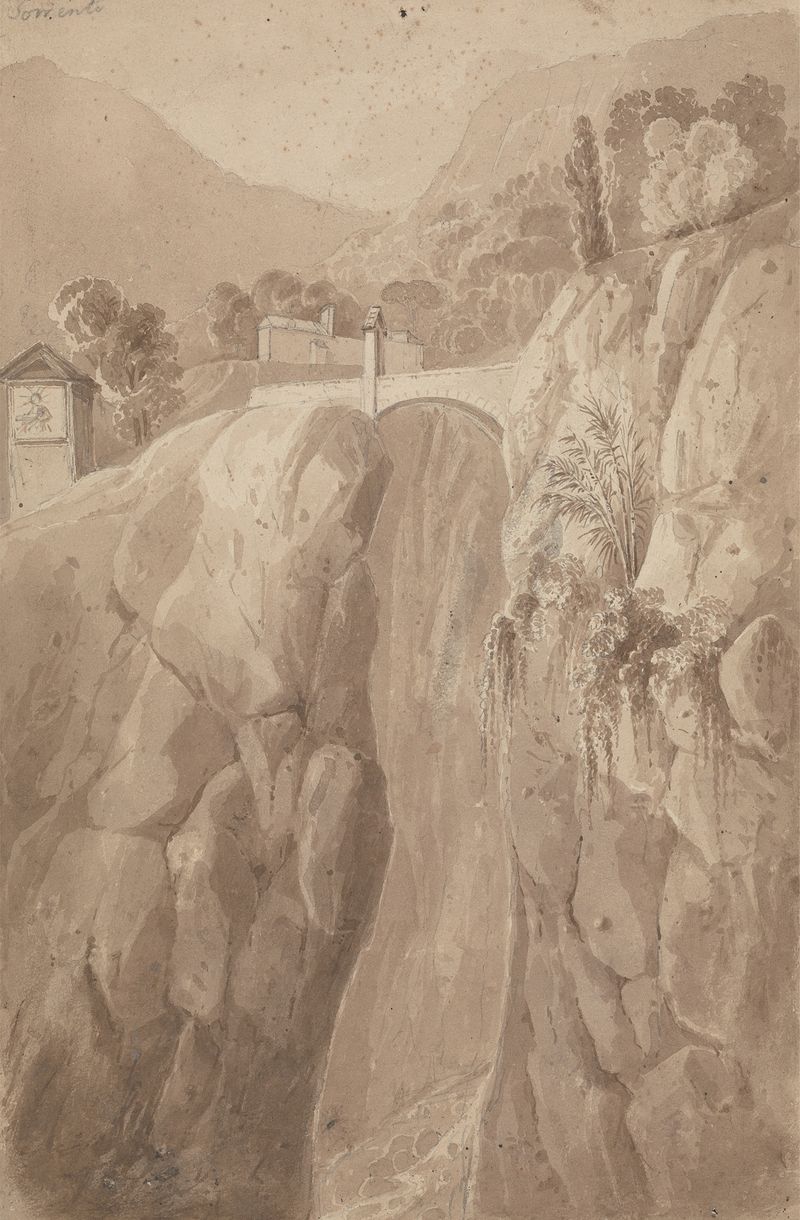
Sorrento
Isaac Weld





