
Sirmione — History & Facts
Color transforms the ordinary into the extraordinary, inviting us to see the world anew. Focus first on the vibrant blues and greens swirling in the water, alive with energy. To the left, the sunlit rocks of Sirmione rise majestically, their warm hues contrasting with the coolness of the lake. Notice how Sargent deftly employs light to create shimmering reflections, making the surface appear fluid and alive.
The play of color is not mere decoration; it is a dialogue, capturing the essence of the Italian landscape. Deeper insights emerge in the flow between the natural and the manmade. The ethereal water is dotted with hints of gold, suggesting sunlight’s gentle caress, while the distant buildings provide a sense of harmony and civilization amidst nature's grandeur. This contrast between the elemental and the architectural serves to evoke a feeling of timelessness, underscoring the fleeting beauty of the moment.
Every brushstroke reveals Sargent's masterful understanding of light and shadow, as well as the emotional resonance present in the scenery. In 1913, Sargent painted this piece while living in London, having already achieved great acclaim. The shift towards Impressionism and a focus on color in the art world influenced his work during this period. As he explored landscapes, the vibrant hues and dynamic forms became a hallmark of his style, marrying the representational with the emotive, capturing the essence of a place with every stroke.
More Artworks by John Singer Sargent
Browse all →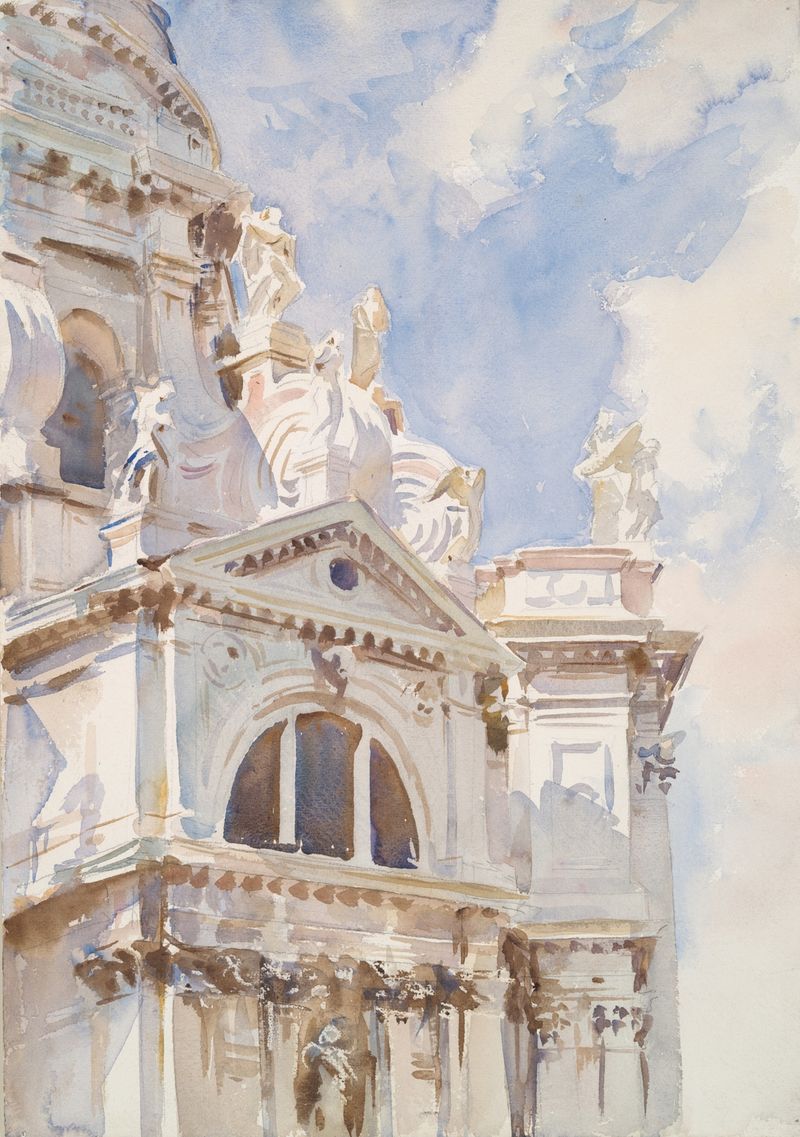
The Salute, Venice
John Singer Sargent

Mrs. Charles Deering (Marion Denison Whipple)
John Singer Sargent
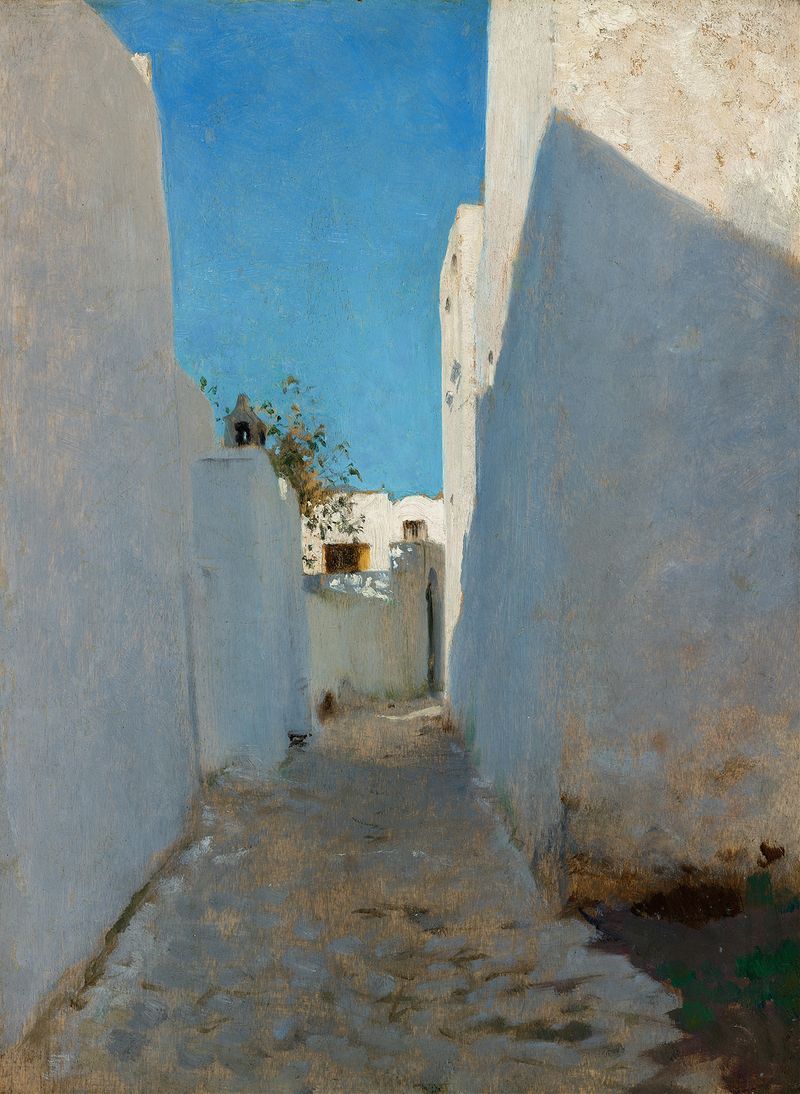
A Moroccan Street Scene
John Singer Sargent
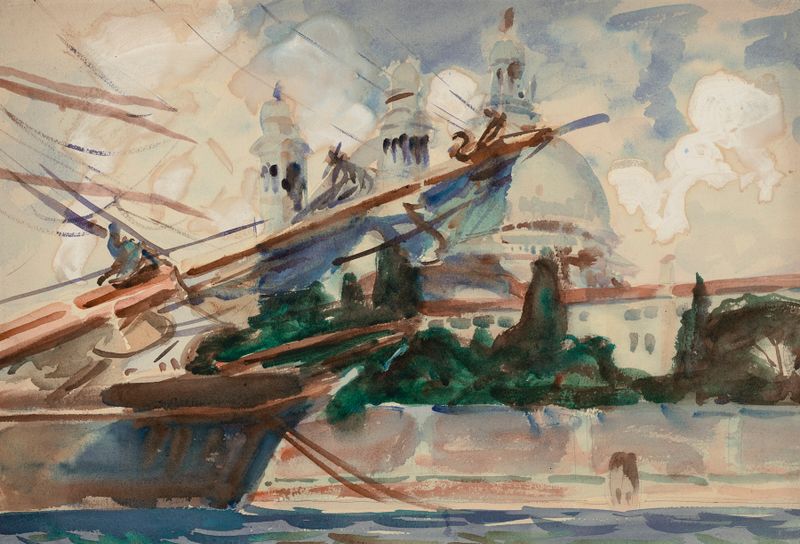
The Salute, Venice
John Singer Sargent
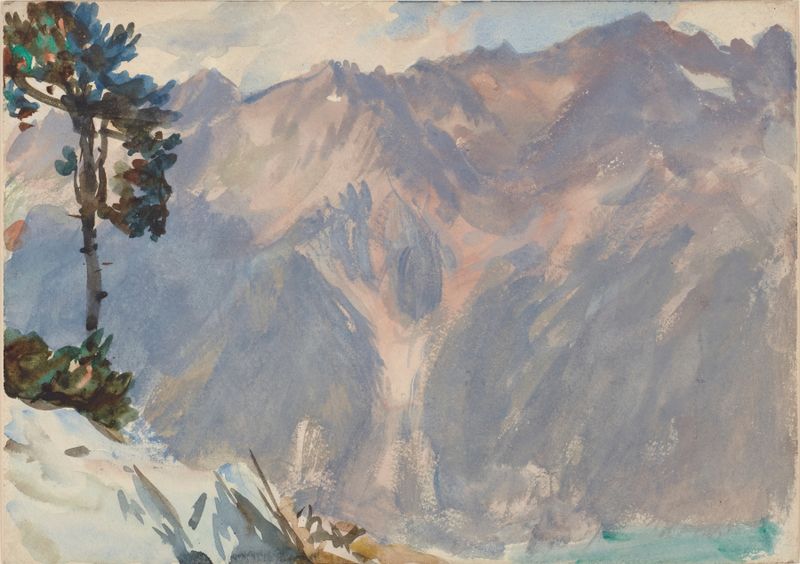
Tyrol
John Singer Sargent

Study for "Gog and Magog," for the Boston Public Library
John Singer Sargent
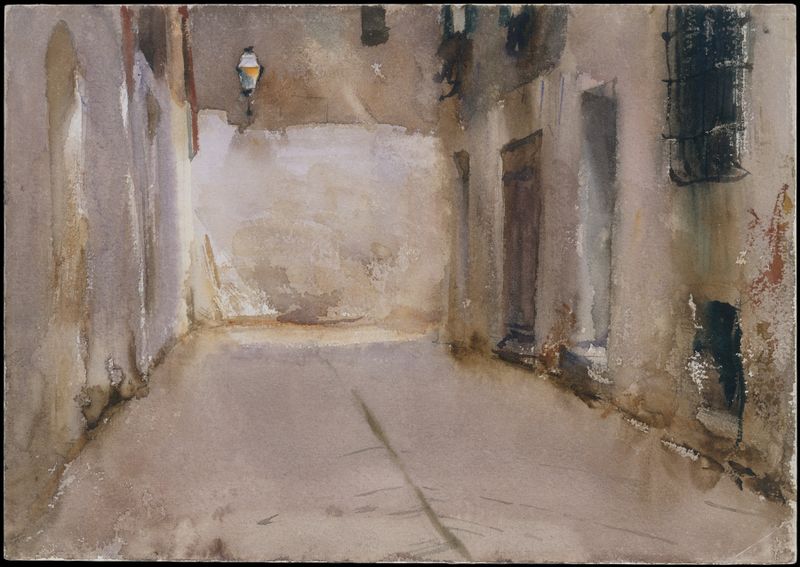
Venice
John Singer Sargent
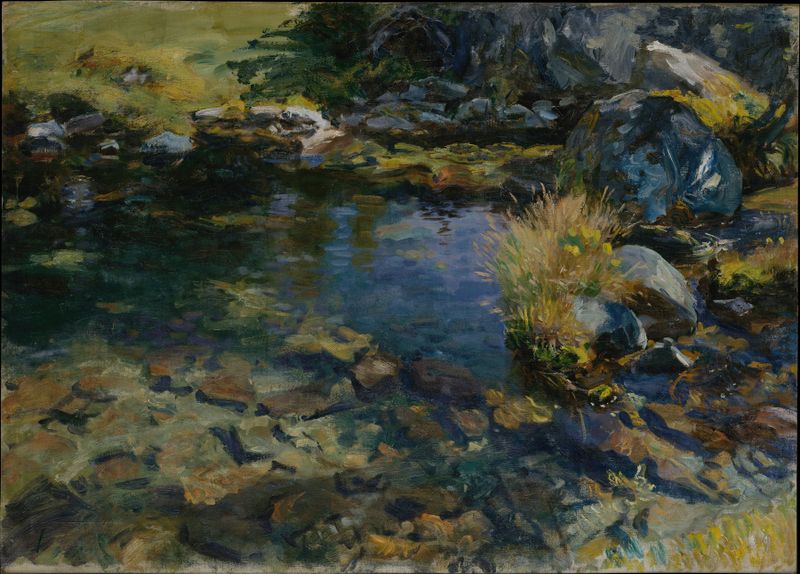
Alpine Pool
John Singer Sargent
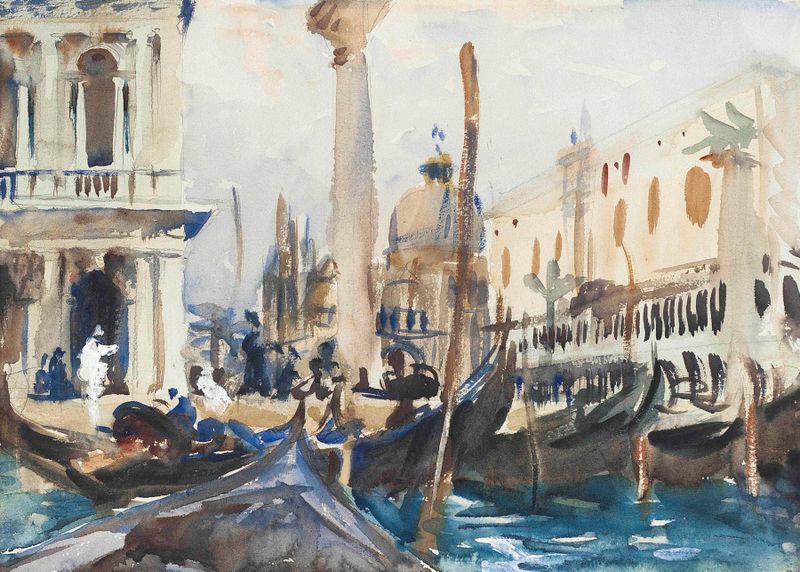
The Piazzetta with Gondolas
John Singer Sargent
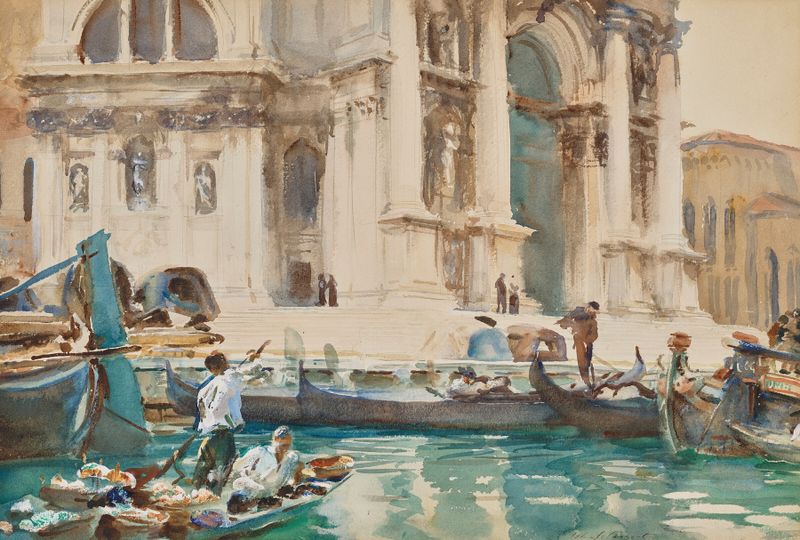
The Façade of La Salute, Venice
John Singer Sargent





