
Siselen — History & Facts
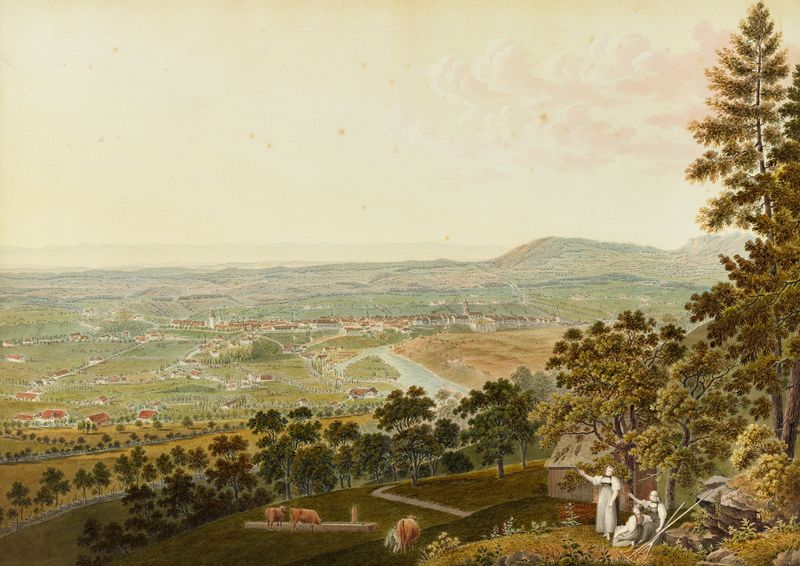
Can paint confess what words never could? In the delicate strokes of Siselen, innocence is captured in a way that transcends mere description, inviting us to explore the depths of human emotion. Look to the center of the canvas where two figures stand, seemingly suspended in a moment of quiet introspection. Their forms are rendered with a soft luminosity, enveloped in hues of gentle pastels that evoke a sense of tenderness. Notice how the light transforms their expressions, illuminating the delicate contours of their faces while casting subtle shadows that hint at the complexity of unspoken thoughts.
The background, a blend of ethereal colors, draws the viewer's gaze inward, offering a space where contemplation meets serenity. Within this intimate tableau, innocence becomes a palpable force, underlined by the contrasts in their postures. One figure reaches out, a gesture that suggests yearning, while the other seems to recoil, wrapped in an aura of unavailability. This push and pull encapsulates the fragility of human connection, hinting at the delicate balance between desire and hesitation.
Their proximity speaks volumes; one can almost feel the weight of unexpressed sentiments hanging softly in the air, amplifying the emotional tension that pervades the piece. Jakob Samuel Weibel created Siselen during a period marked by artistic exploration and a burgeoning interest in emotional depth within visual narratives. The timeframe of its creation remains unclear, yet it is reflective of an era that sought to delve into the nuances of human experience, blending realism with evocative symbolism. Weibel's work resonates with viewers, illustrating a pursuit of innocence amidst the complexities of life.
More Artworks by Jakob Samuel Weibel
Browse all →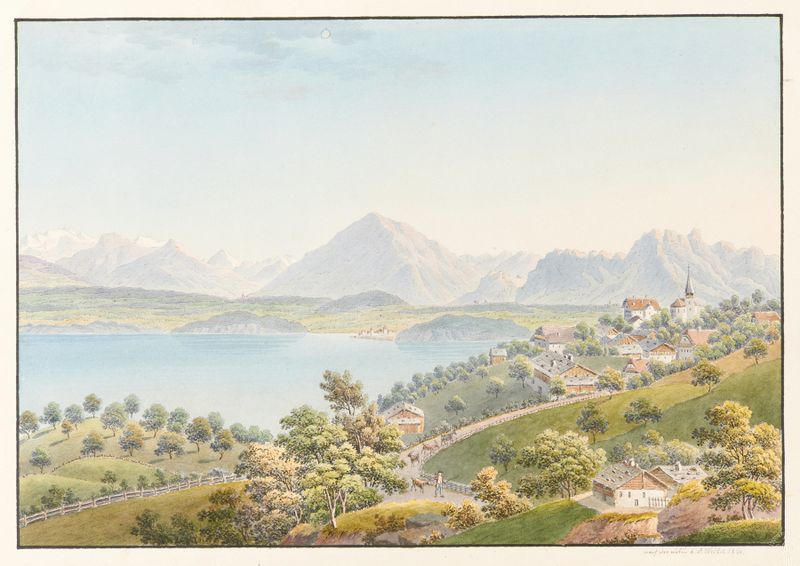
Vue dessiné depuis le Village de Sigriswil, audessus du Lac de Thoune
Jakob Samuel Weibel
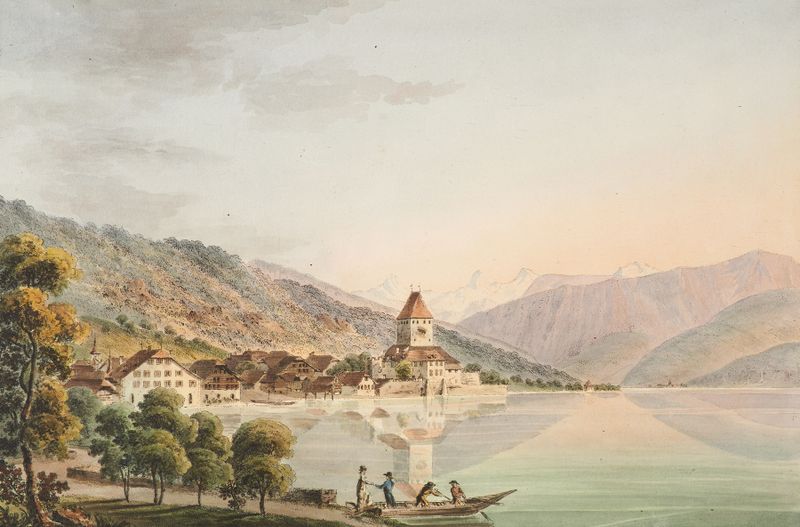
Vûe du Chateau d’Oberhofen au Lac de Thoune
Jakob Samuel Weibel
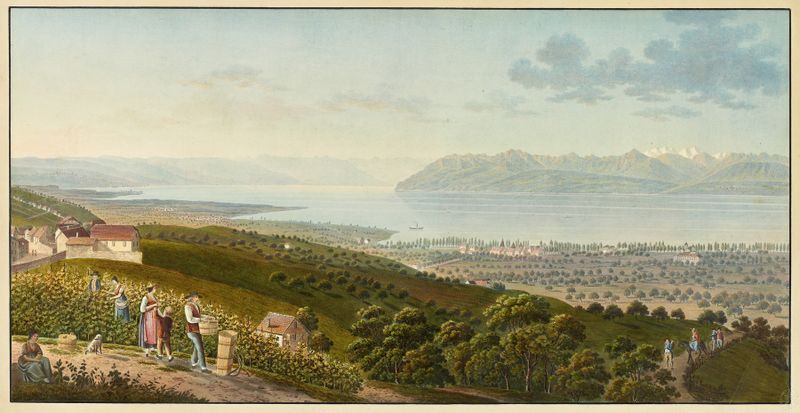
Vue genérale du Lac de Geneve
Jakob Samuel Weibel
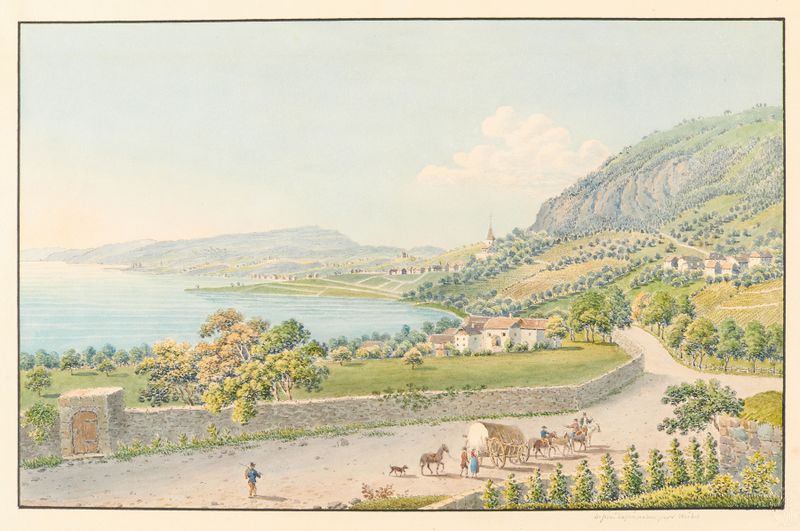
Vue des environs de Montreux et de Clarens
Jakob Samuel Weibel
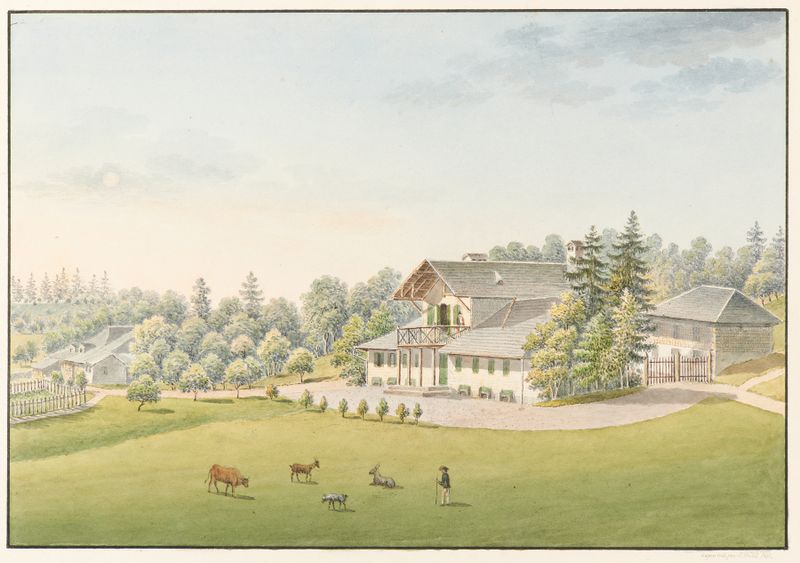
Vue du nouveau Châlet de Vernand
Jakob Samuel Weibel
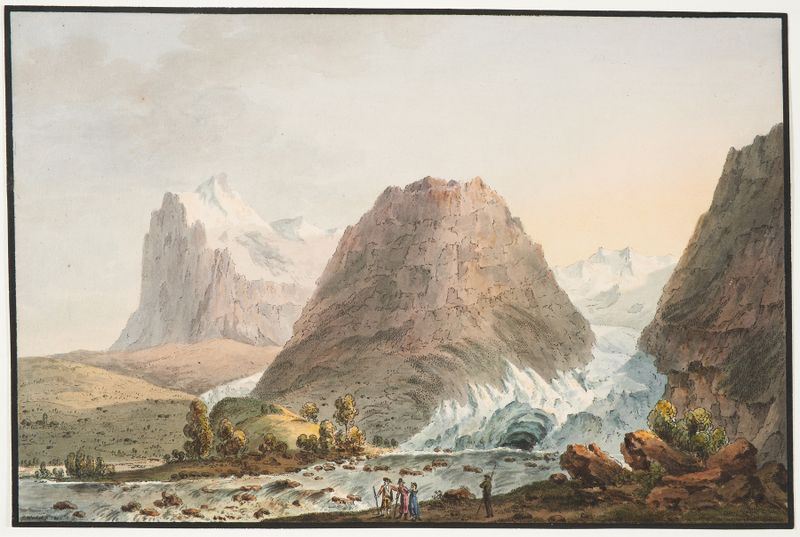
Vûe des Glacieres de Grindelwald
Jakob Samuel Weibel
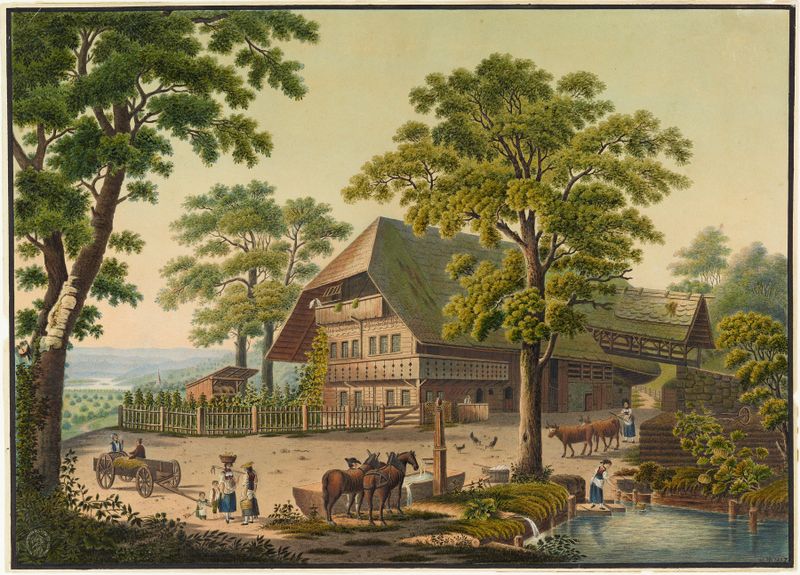
Maison de paysan près Wichtrach
Jakob Samuel Weibel
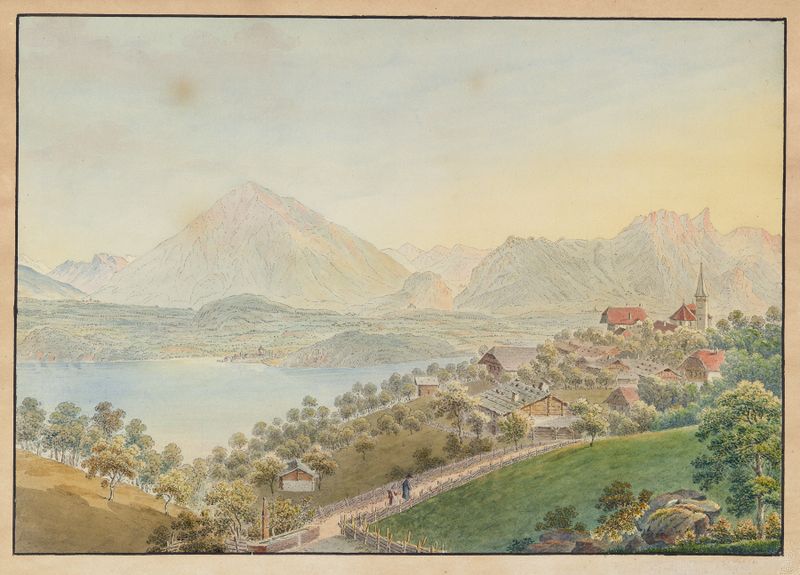
Ansicht von Sigriswil mit Niesen und Thunersee
Jakob Samuel Weibel
Ansicht Berns und der Aare vom Gurten aus
Jakob Samuel Weibel

Lausanne Ville capitale du Canton de Vaud
Jakob Samuel Weibel





