
Sivlefoss, Stalheim — History & Facts
Could a single brushstroke hold eternity? In the delicate interplay of land and water, Sivlefoss beckons with a yearning that transcends time, capturing the essence of desire itself. Look to the left at the cascading waterfall, its silvery torrents rendered with meticulous strokes that suggest both speed and tranquility. The deep greens and earthy browns of the surrounding valley frame the vibrant blue of the sky, creating a vivid contrast that draws the eye toward the turbulent waters. Notice how the light hits the frothy surface, casting glimmers that dance like fleeting dreams upon the canvas.
Each element is harmoniously composed, inviting the viewer to linger in this serene yet powerful moment. Beneath the surface lies an exploration of nature's primal forces, embodying both beauty and ferocity. The towering mountains stand as silent sentinels, their stoic presence contrasting the fluidity of the falls, symbolizing the tension between desire and restraint. This duality evokes a deeper emotional landscape, where the viewer is compelled to reflect on their own longings and the relentless passage of time, a reminder of nature's influence on the human spirit. In 1843, Hans Gude painted Sivlefoss while living in Norway, amidst a burgeoning romantic landscape movement in art.
This period marked a shift toward the celebration of nature’s sublime qualities, mirroring both personal and societal transformations. Gude’s work was inspired by the dramatic scenery of his homeland, as he sought to convey a sense of awe and contemplation, connecting the viewer to a vast, untamed world.
More Artworks by Hans Gude
Browse all →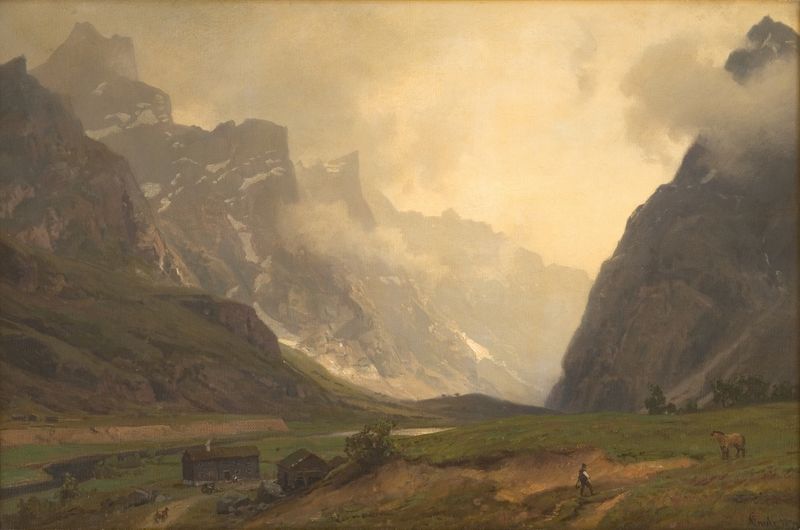
The Troll Peaks in Romsdalen, The Foot of Romsdalshorn to the Right
Hans Gude
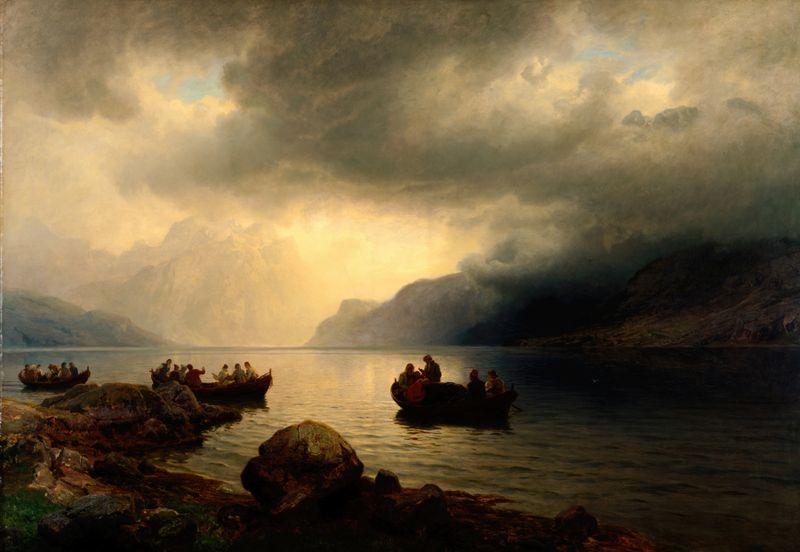
Funeral Procession on the Sogne Fjord
Hans Gude
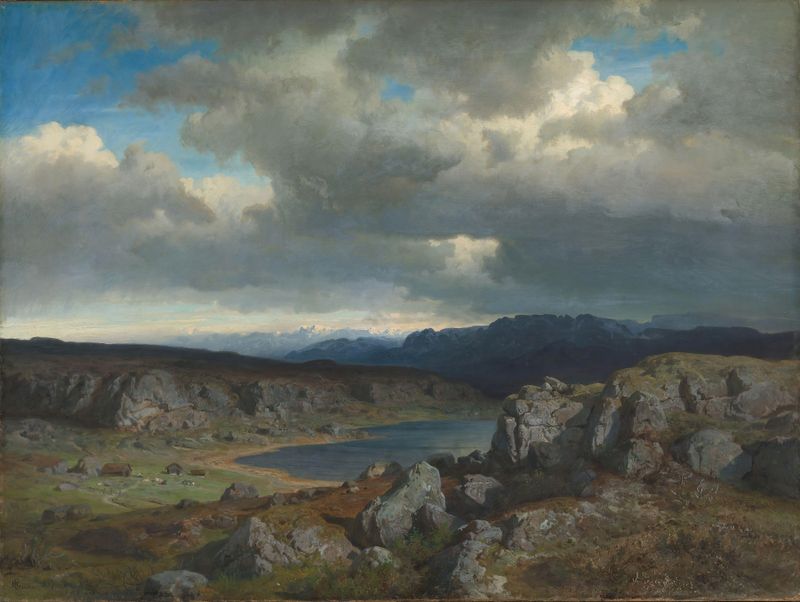
Norwegian Highlands
Hans Gude
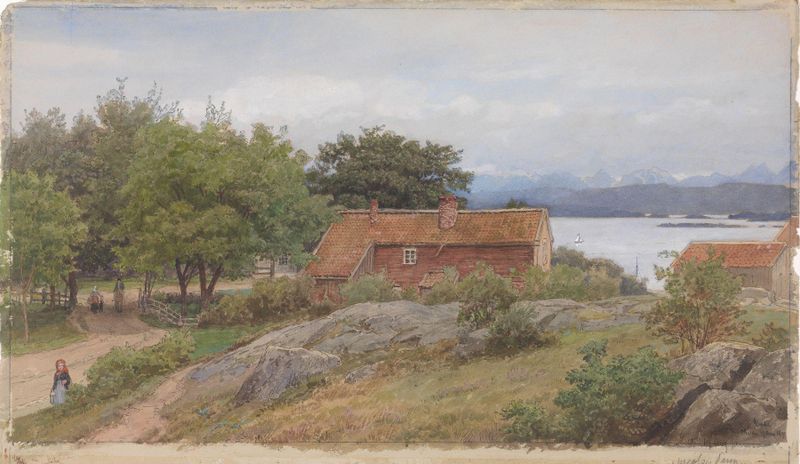
Landskap med bondegård ved Molde
Hans Gude
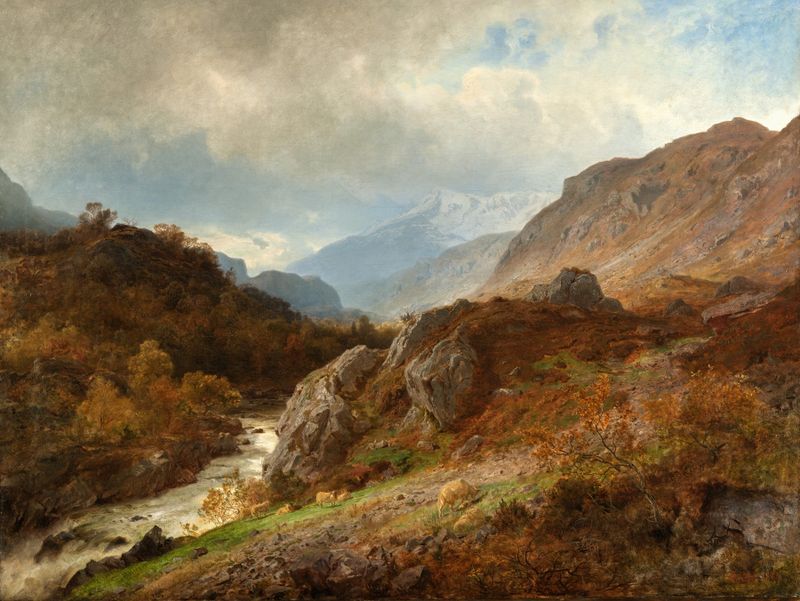
Mountain Landscape
Hans Gude
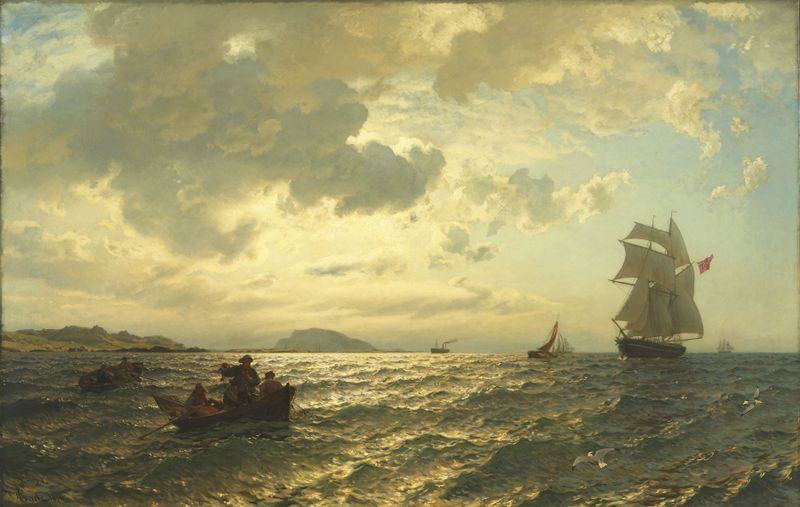
Fresh Breeze on the Norwegian Coast
Hans Gude
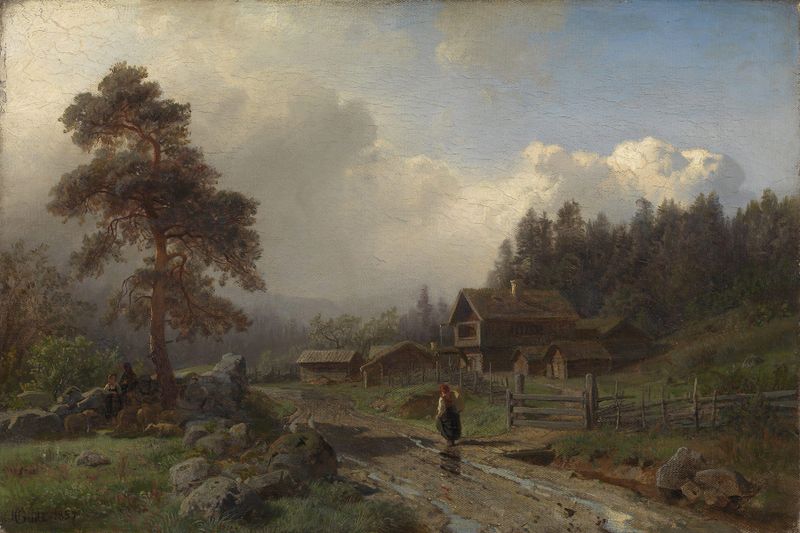
Norwegian Landscape in Rain
Hans Gude
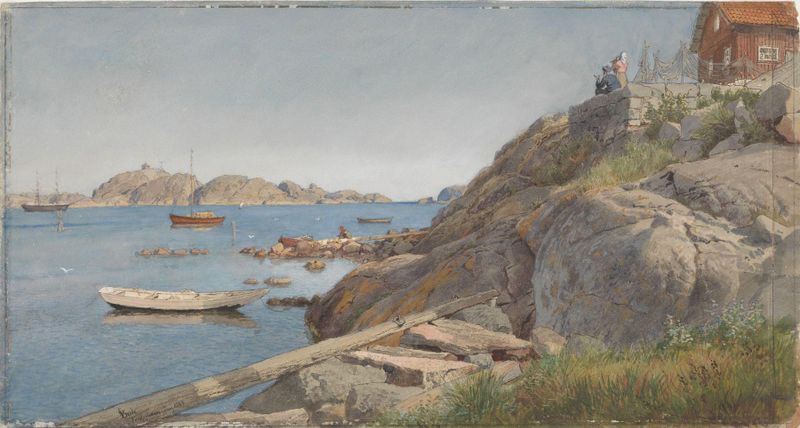
Landscape by Stavern
Hans Gude
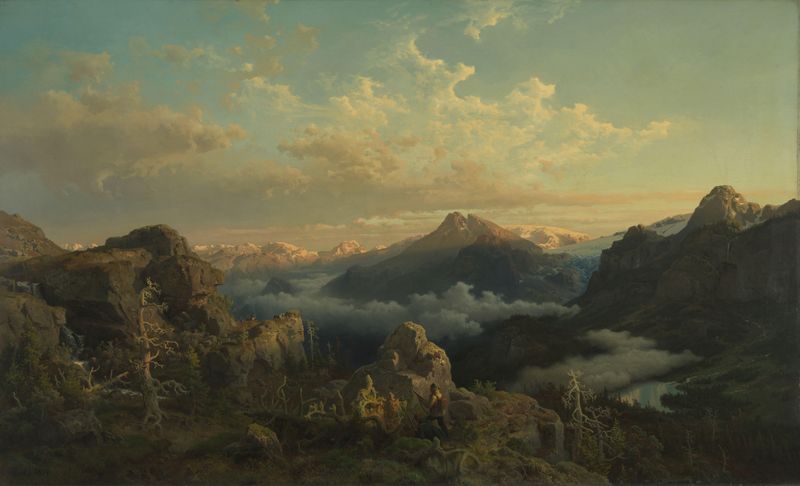
Norwegian Highlands in Sunrise
Hans Gude
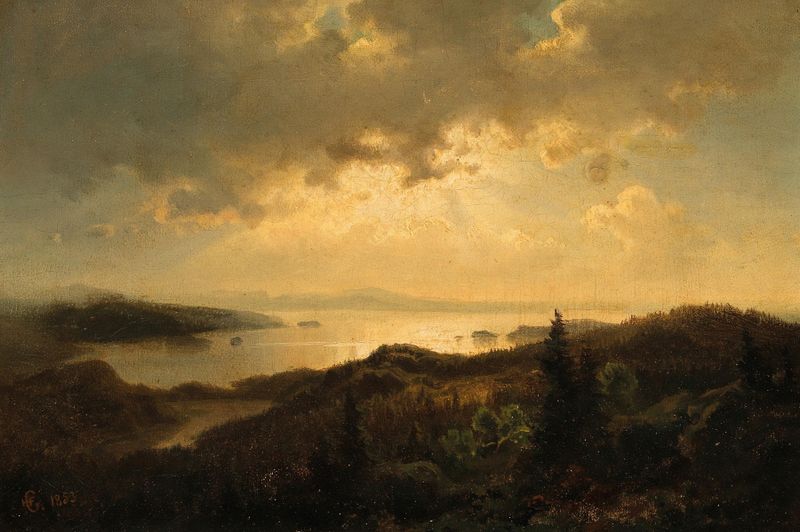
A Scene at Dusk in Norway
Hans Gude





