
Sjøboder, Lindesnes — History & Facts
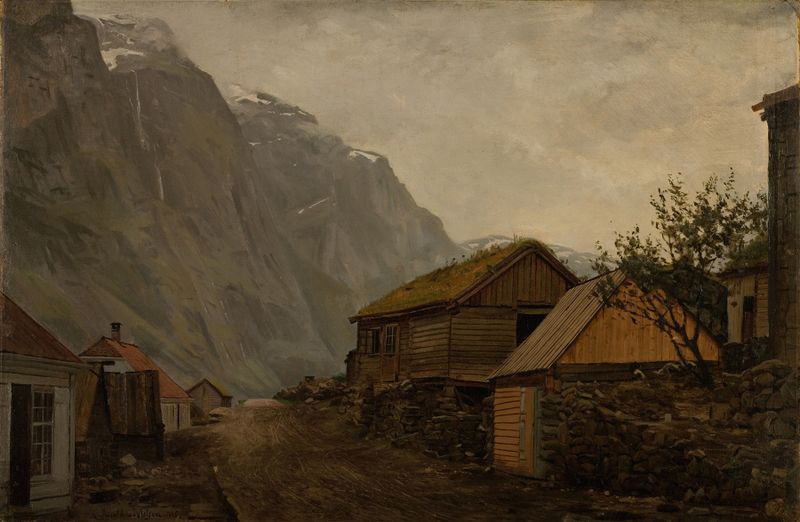
In the realm of chaos, unspoken stories lie in vibrant hues. Sjøboder, Lindesnes encapsulates this essence, inviting us to uncover its layered narratives. Look to the left at the rugged shoreline, where the tumult of the sea intertwines with the delicate architecture of the fishing huts. The palette of reds and blues, clashing and harmonizing, creates a visual dialogue that pulls the eye toward the horizon.
The brushstrokes are both chaotic and deliberate, suggesting the relentless force of nature while simultaneously capturing the quaint beauty of human resilience against it. Notice how the light dances across the wooden structures, casting playful shadows that hint at life lived on the edge. This artwork encapsulates the tension between tranquility and turmoil. The sturdy huts stand resilient, embodying the struggle of fishermen against the capriciousness of the sea.
Yet, amidst this chaos, there is a quietude in the way the colors blend, evoking a sense of longing for stability. The chaotic brushwork may represent both the external forces of nature and the internal battles of those who inhabit this coastal landscape. In 1902, Amaldus Nielsen painted Sjøboder, Lindesnes during a pivotal time in Norwegian art, marked by a growing national identity and appreciation for natural landscapes. Living and working in Oslo, Nielsen was influenced by the Romantic movement and the emerging trends of Impressionism, reflecting a deep connection to the raw beauty of his homeland.
This painting serves as both a personal exploration and a broader commentary on the relationship between humanity and nature.
More Artworks by Amaldus Nielsen
Browse all →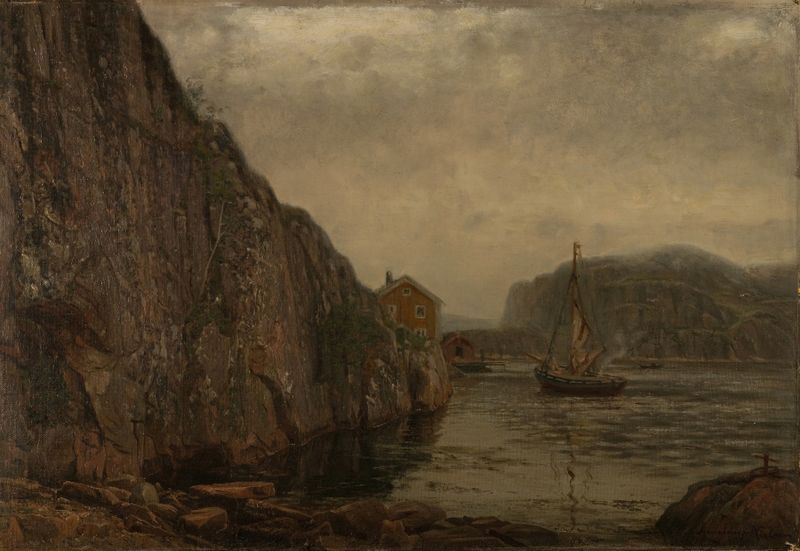
Skjærgård, Ny-Hellesund
Amaldus Nielsen
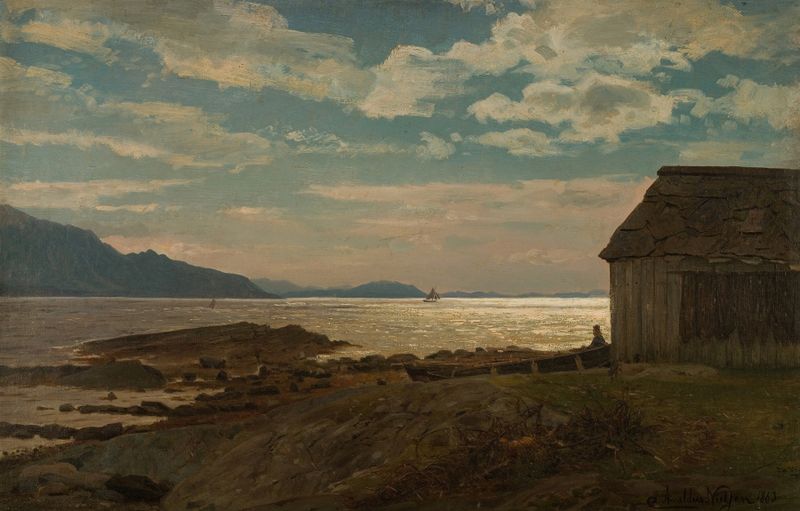
Fra Ølvestranden, Hardanger
Amaldus Nielsen
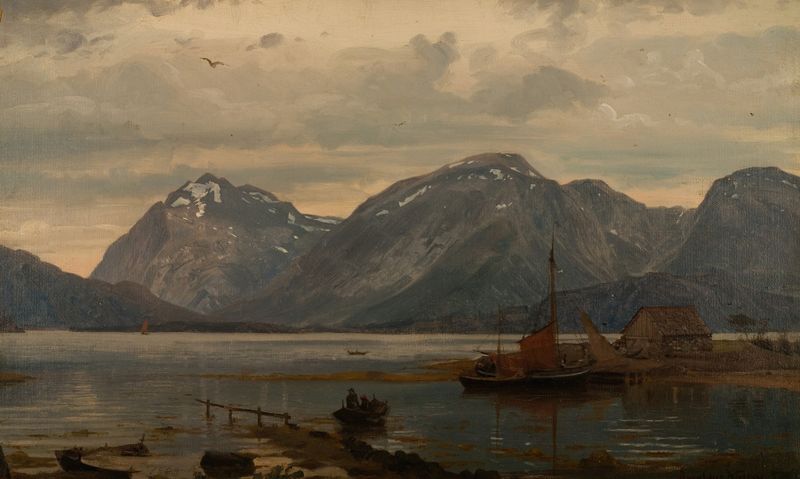
Fra Englafjellene, Hardanger
Amaldus Nielsen
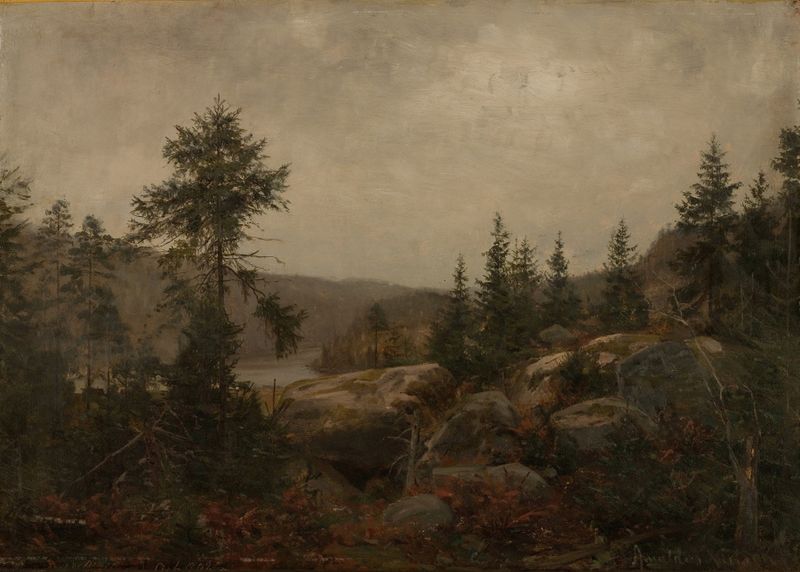
Duskregn . Gården Foss, Mandalselven
Amaldus Nielsen
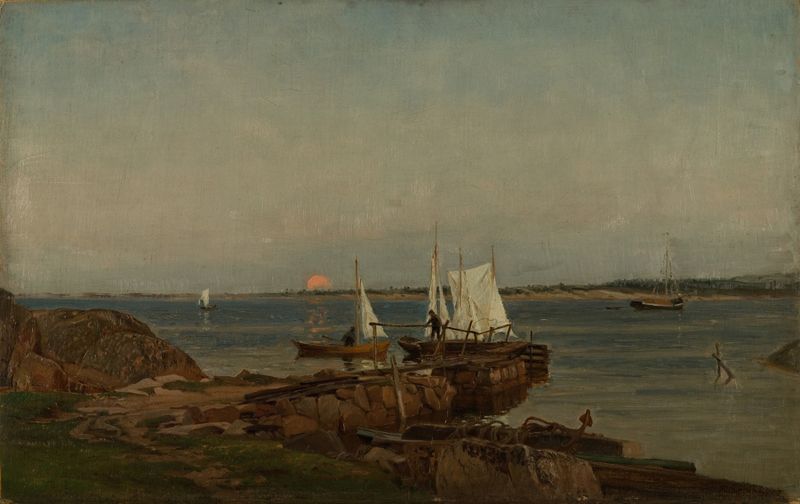
Sommernatt, Hvaler
Amaldus Nielsen
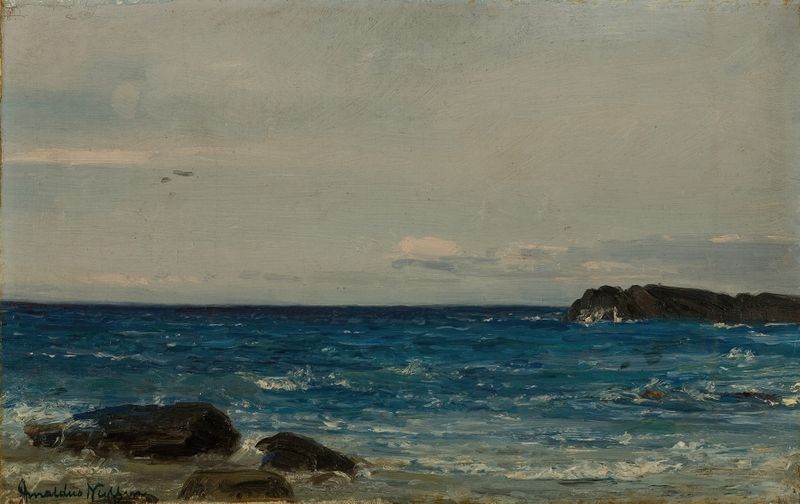
Fra Jæren
Amaldus Nielsen
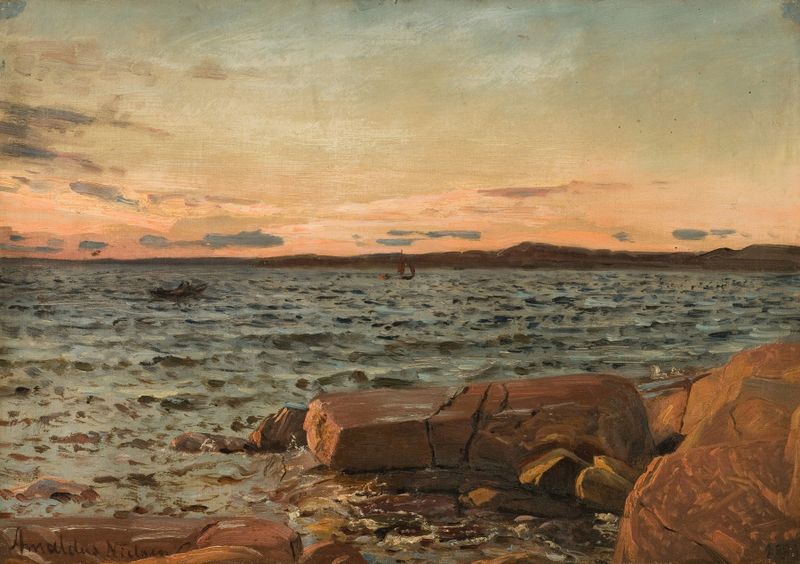
Solgangsvind, Hvaløene
Amaldus Nielsen
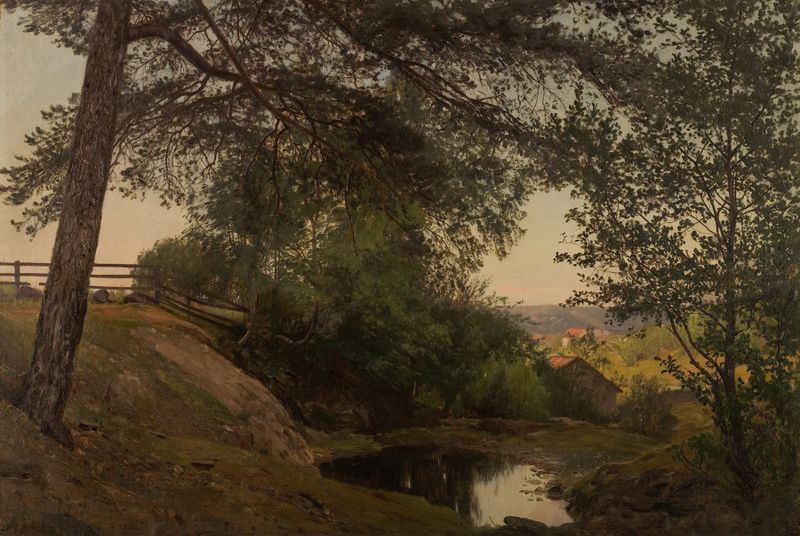
Mellom trærne. Lervik, Stord
Amaldus Nielsen

Båtbyggeri, Lillesand
Amaldus Nielsen
Regnstemning, Gudvangen
Amaldus Nielsen





