
Sketch for the Portrait of Zacharias Topelius — History & Facts
What first draws the eye in Sketch for the Portrait of Zacharias Topelius is the quiet authority of the sitter, arms folded in a gesture that is both closed and contemplative. The artist, Albert Edelfelt, captures a moment of inward reflection rather than outward display. The unfinished, almost translucent brushwork around the figure’s edges lets the background dissolve into suggestion—a window, a wash of light, a hint of the world beyond—while the face and hands are rendered with a careful solidity.
The palette is subdued, dominated by earthy browns and greys, which seem to anchor the sitter’s presence amid the sketch’s fleeting atmosphere. Edelfelt’s choice to leave areas loose and undefined draws attention to the sitter’s expression, inviting the viewer to imagine the thoughts behind those steady eyes. Created in 1888, this work belongs to a period when portraiture in Northern Europe was shifting from grand, formal commissions to more intimate, psychological studies. Artists like Edelfelt were celebrated for their ability to capture not just a likeness, but a sense of character and intellect—qualities highly prized in an era fascinated by individual achievement and national identity.
While little is recorded about the specific journey of this sketch, its presence in a Finnish national collection today speaks to the enduring importance of both artist and sitter in the cultural memory of the region. The unfinished quality of the piece is not a flaw, but a window into the artist’s process, leaving viewers with the sense that they are witnessing a private moment in the making.
More Artworks by Albert Edelfelt

The Day of Rest
Albert Edelfelt
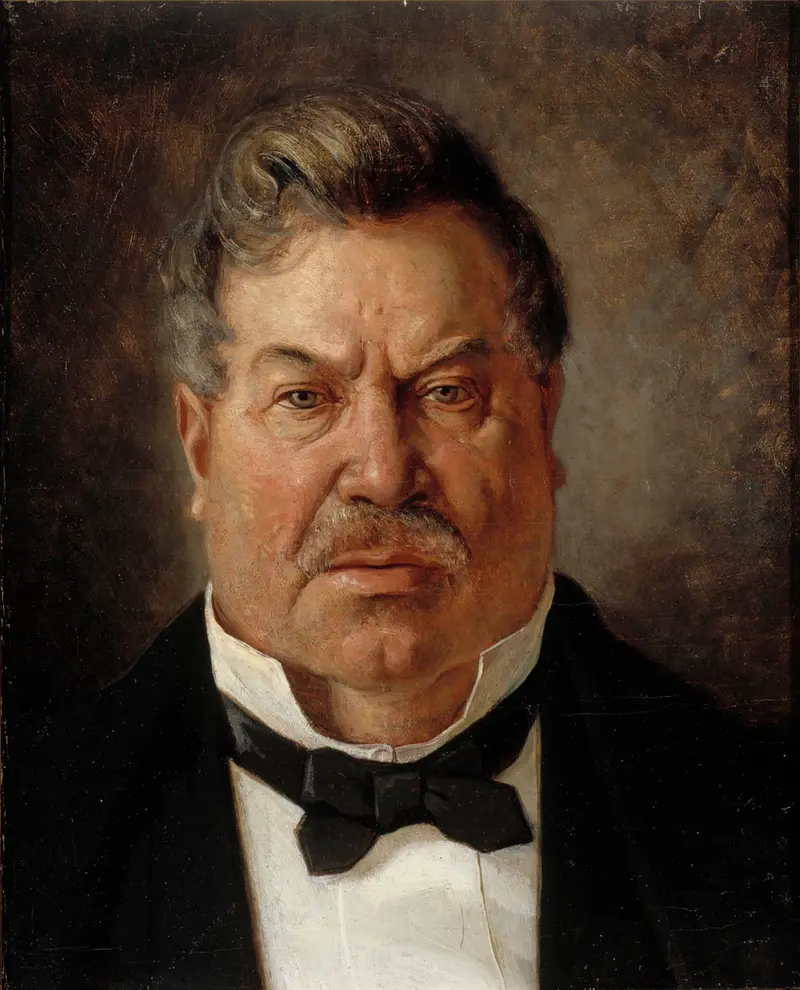
Portrait of August Streng
Albert Edelfelt
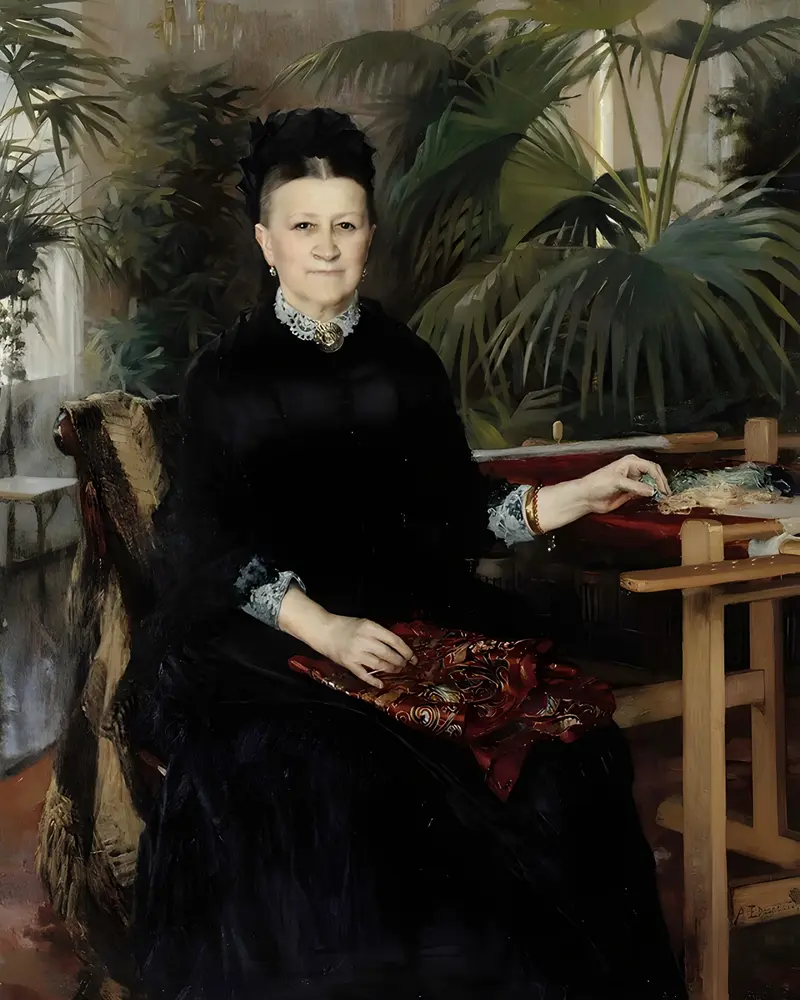
Portrait Of Mrs. Anna Sinebrychoff
Albert Edelfelt

The Poet, Larin Paraske
Albert Edelfelt

Parisian lady in a Peignoir
Albert Edelfelt
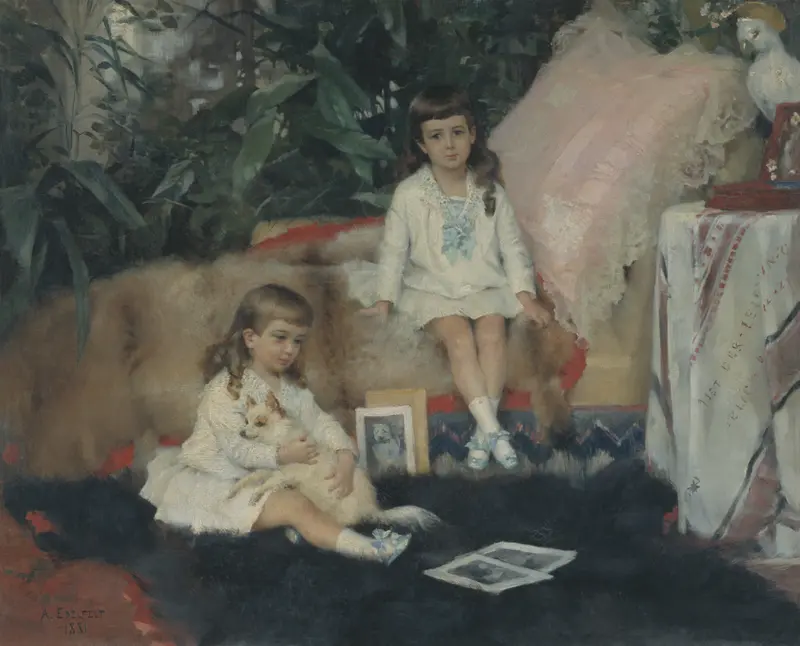
The Grand Dukes Boris and Kirill Vladimirovich as Children
Albert Edelfelt
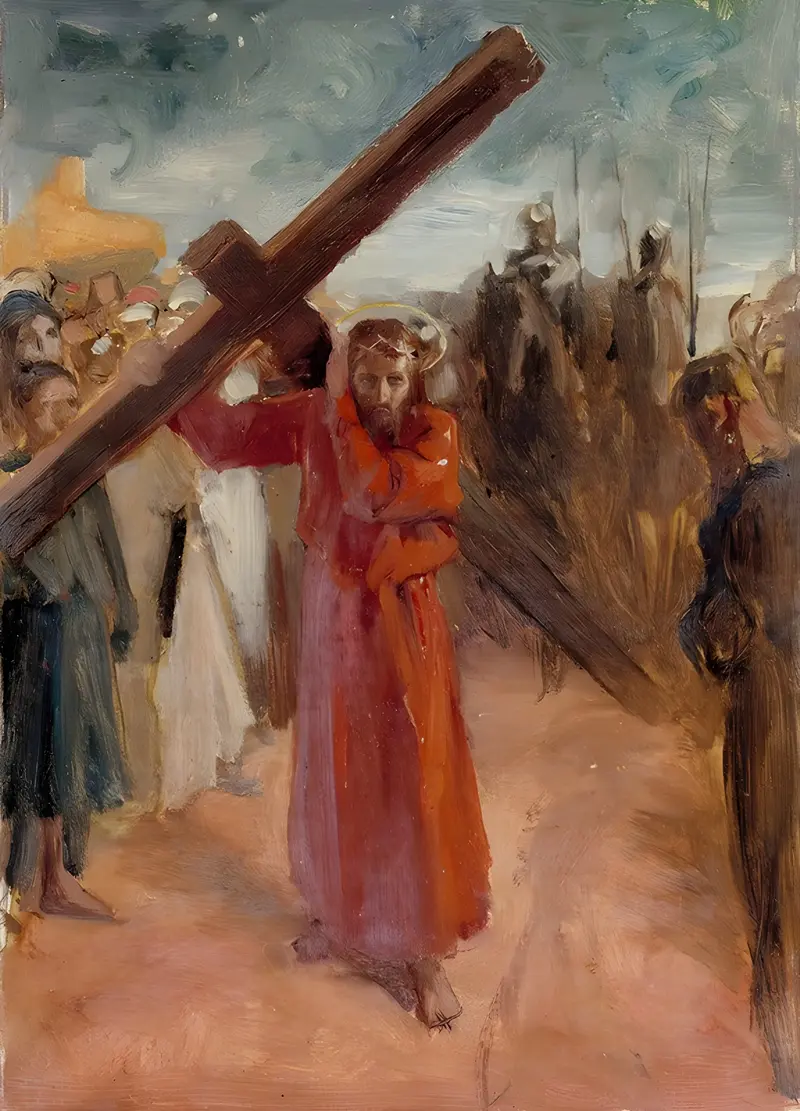
Christ Bears The Cross
Albert Edelfelt
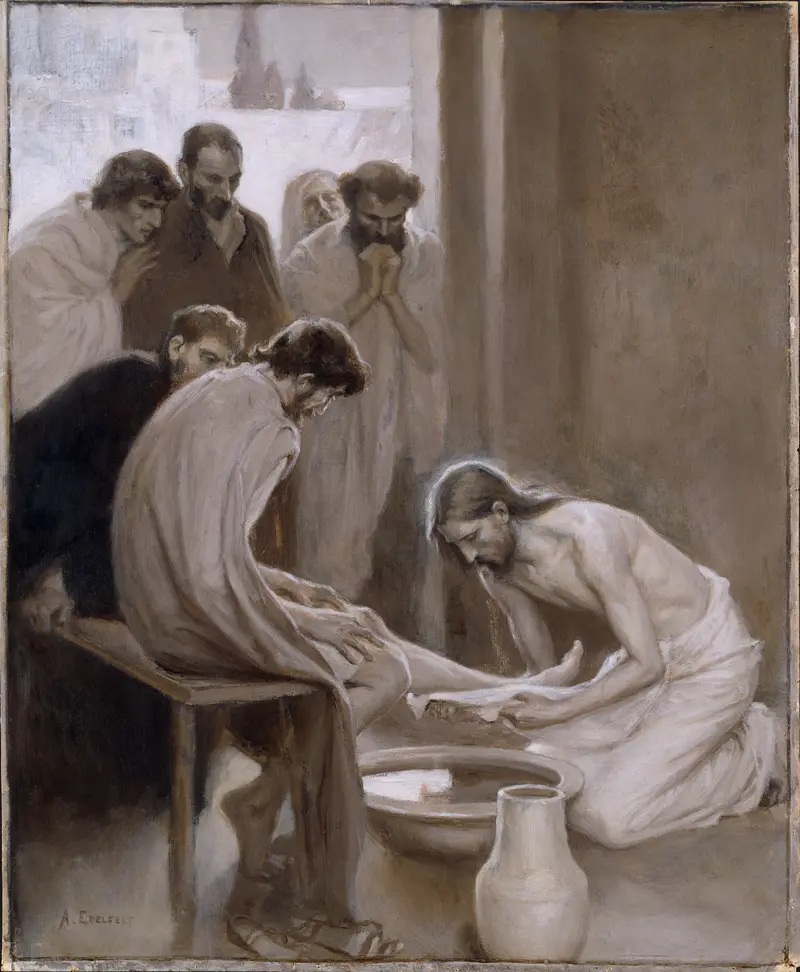
Jesus Washing the Feet of his Disciples
Albert Edelfelt

Larin Paraske with Kantele
Albert Edelfelt
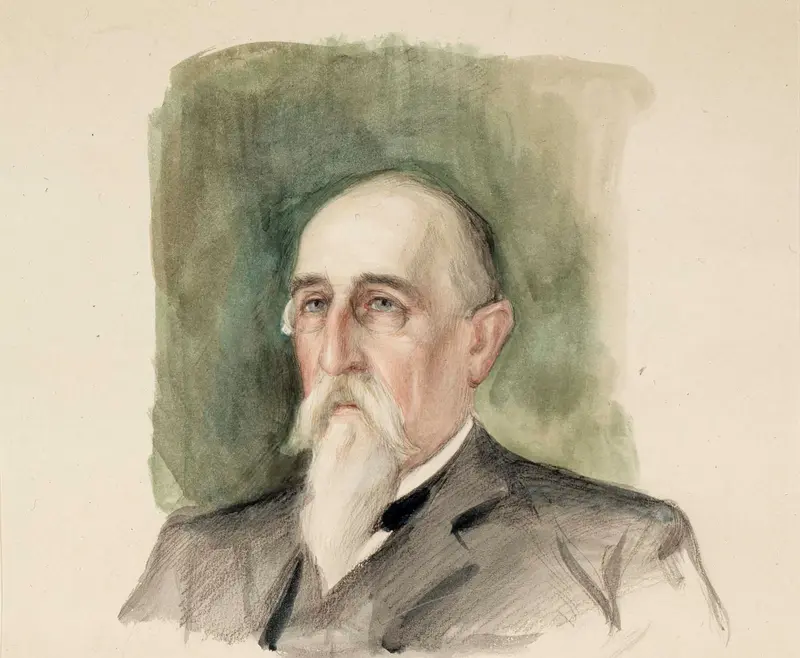
Leo Mechelin, Portrait Study
Albert Edelfelt





