
Sketch from Nature — History & Facts
Can beauty exist without sorrow? In the delicate lines of nature's whisper, emptiness speaks volumes, inviting us to explore the quiet spaces between joy and melancholy. Look to the center of the composition, where the gentle curve of an unseen horizon beckons. The soft strokes create a sense of movement, as if the landscape breathes. Notice the muted palette, with earthy browns and muted greens, evoking a timelessness that transcends the moment.
This simplicity composes a paradox; it captures both the serenity of nature and the underlying sense of absence, compelling the viewer to tread softly through the empty valleys of the mind. As you delve deeper into the details, consider the interplay of light and shadow. The subtle gradations illuminate the contours of the terrain, revealing the beauty of solitude. Each brushstroke conveys an emotional tension, hinting at the unspeakable void that follows every glimpse of nature's grace.
The emptiness resonates, suggesting a longing for connection that remains just out of reach, allowing the viewer to reflect on their own experiences of isolation amidst beauty. In 1879, while creating this work, Otto Henry Bacher was navigating a formative period in his career during his time in Europe. He was influenced by the broader movements in art that embraced impressionistic techniques, reflecting a shift toward capturing the ephemeral beauty of landscapes. This painting stands as a testament to his exploration of the natural world, embodying the complexities of emotion tied to both simplicity and the absence of human presence.
More Artworks by Otto Henry Bacher
Browse all →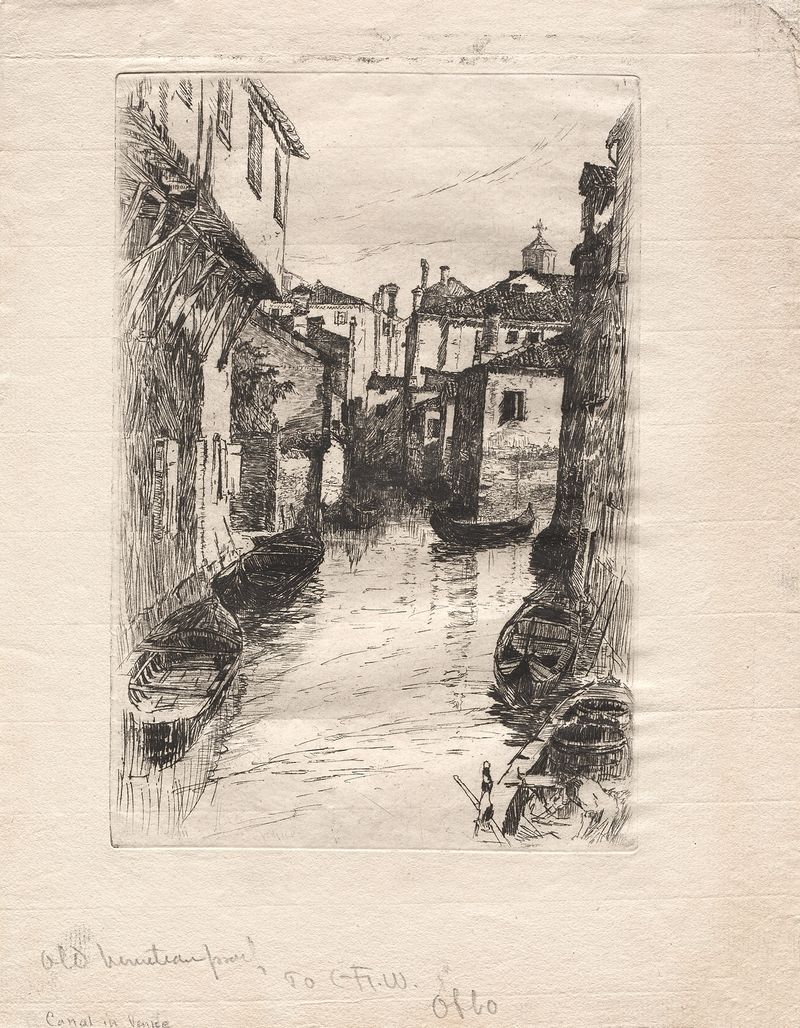
Canal in Venice
Otto Henry Bacher
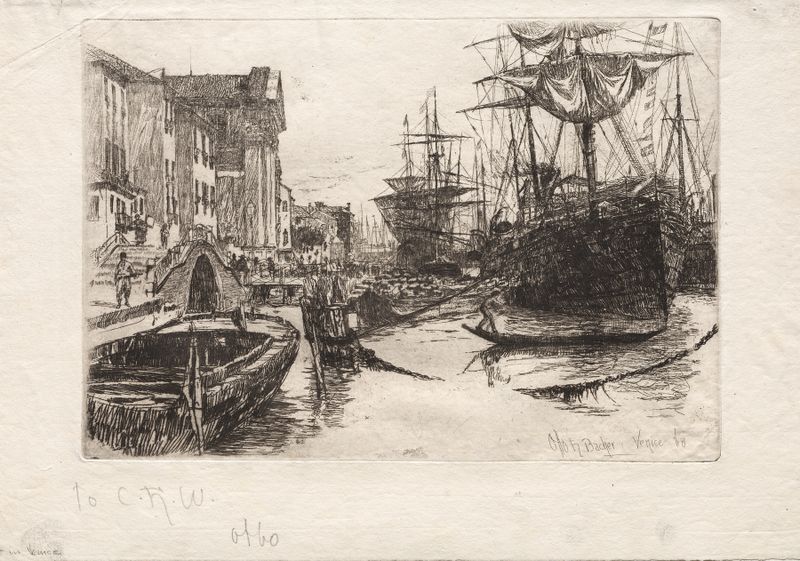
View in Venice
Otto Henry Bacher
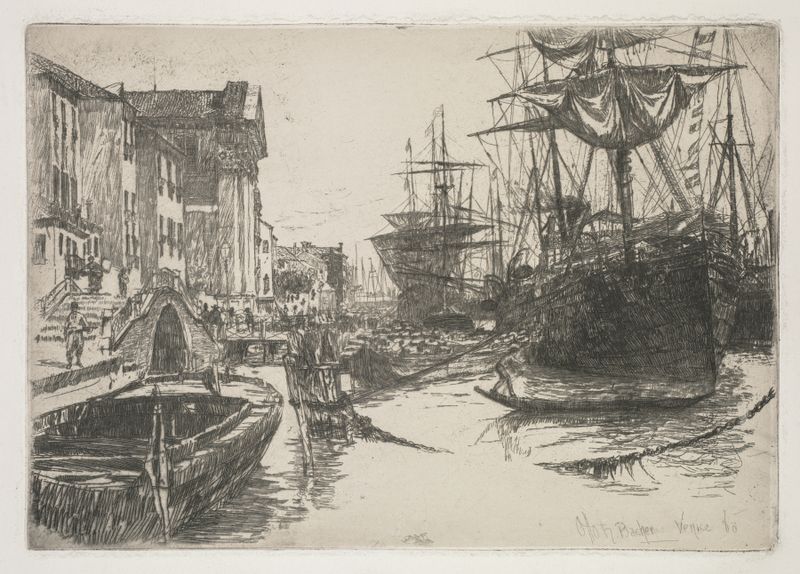
Fondamenta della Zattere
Otto Henry Bacher
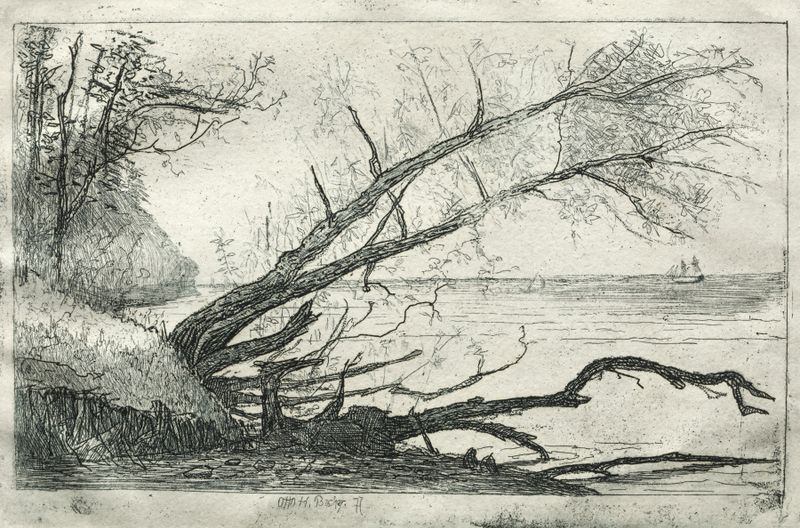
Old Sycamore
Otto Henry Bacher
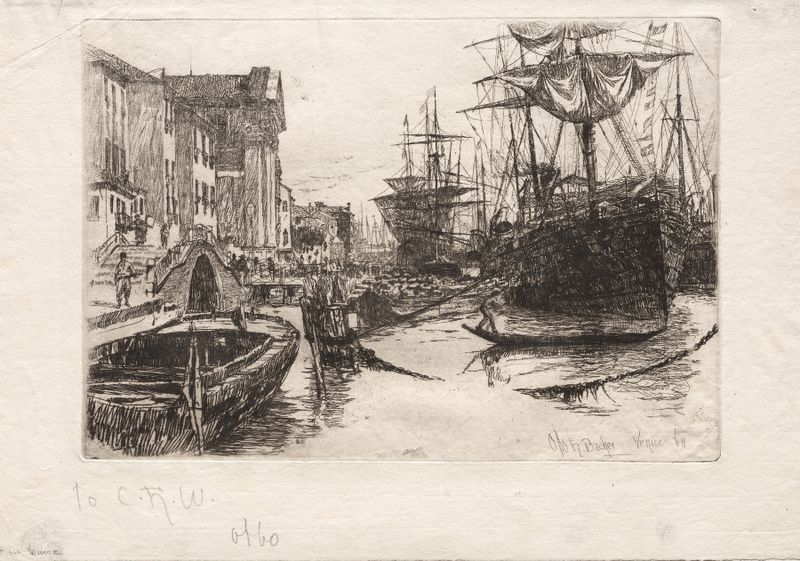
View in Venice
Otto Henry Bacher
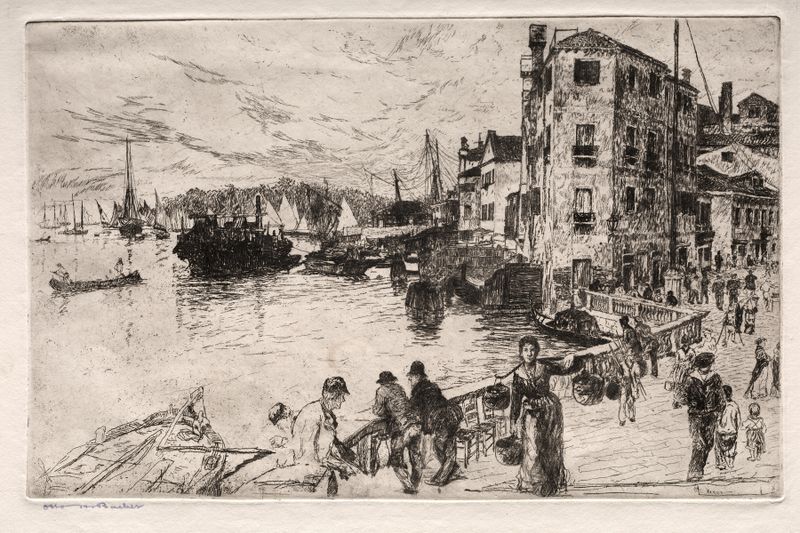
Castello Quarters, Riva
Otto Henry Bacher
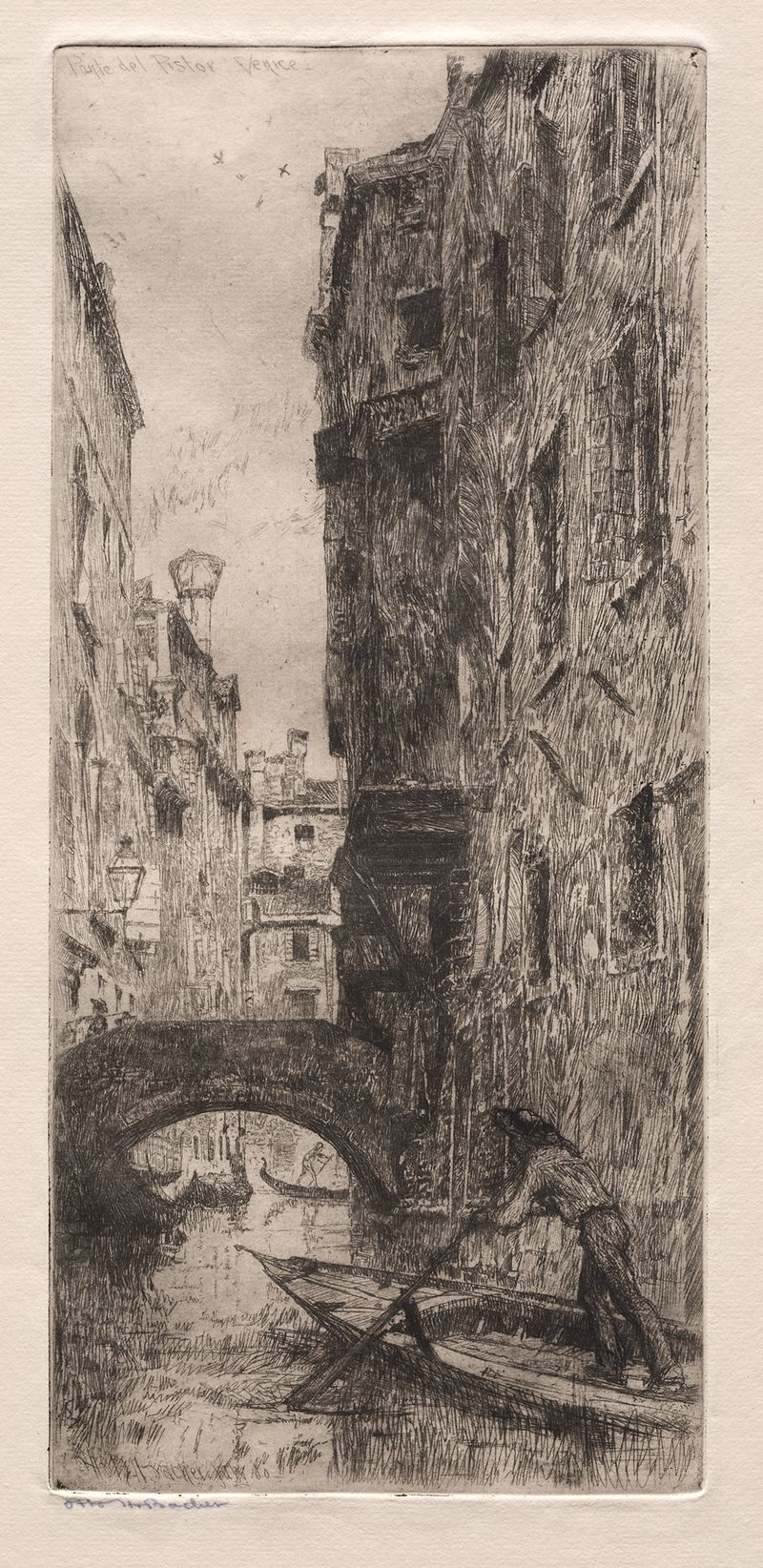
Ponte del Pistor, Venice
Otto Henry Bacher
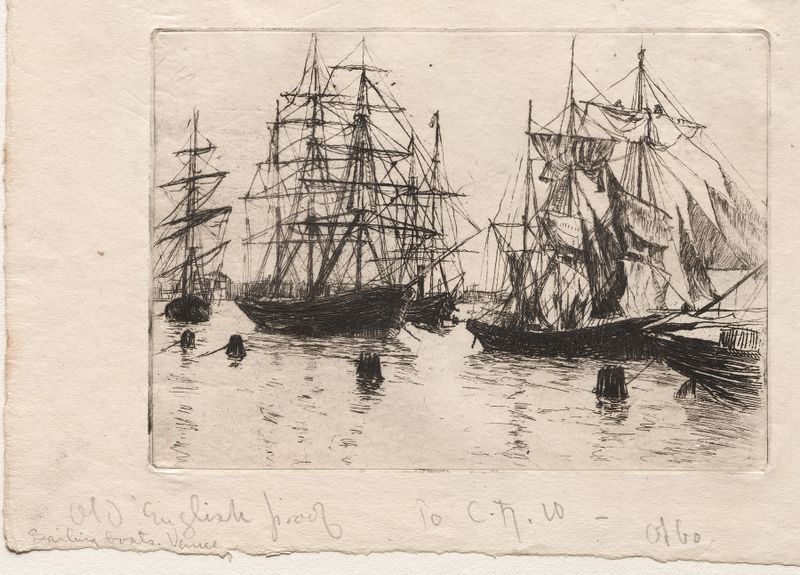
Sailing Boats, Venice
Otto Henry Bacher
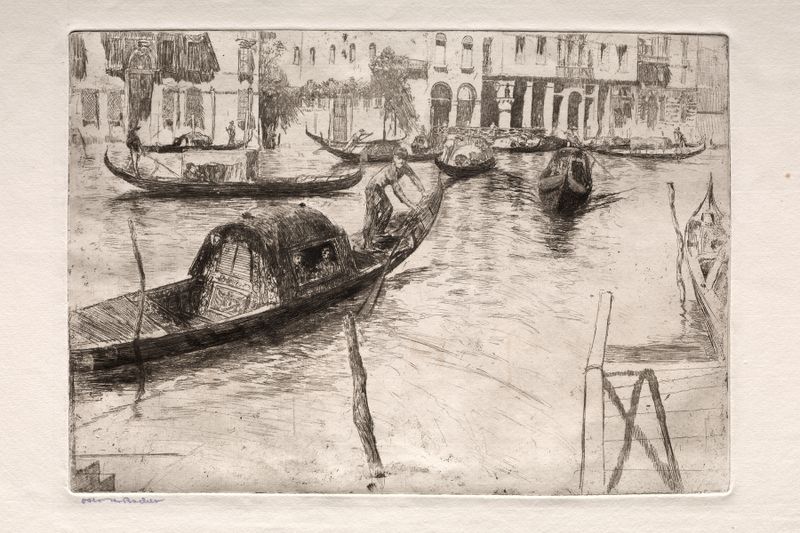
Traghetto San Felice
Otto Henry Bacher
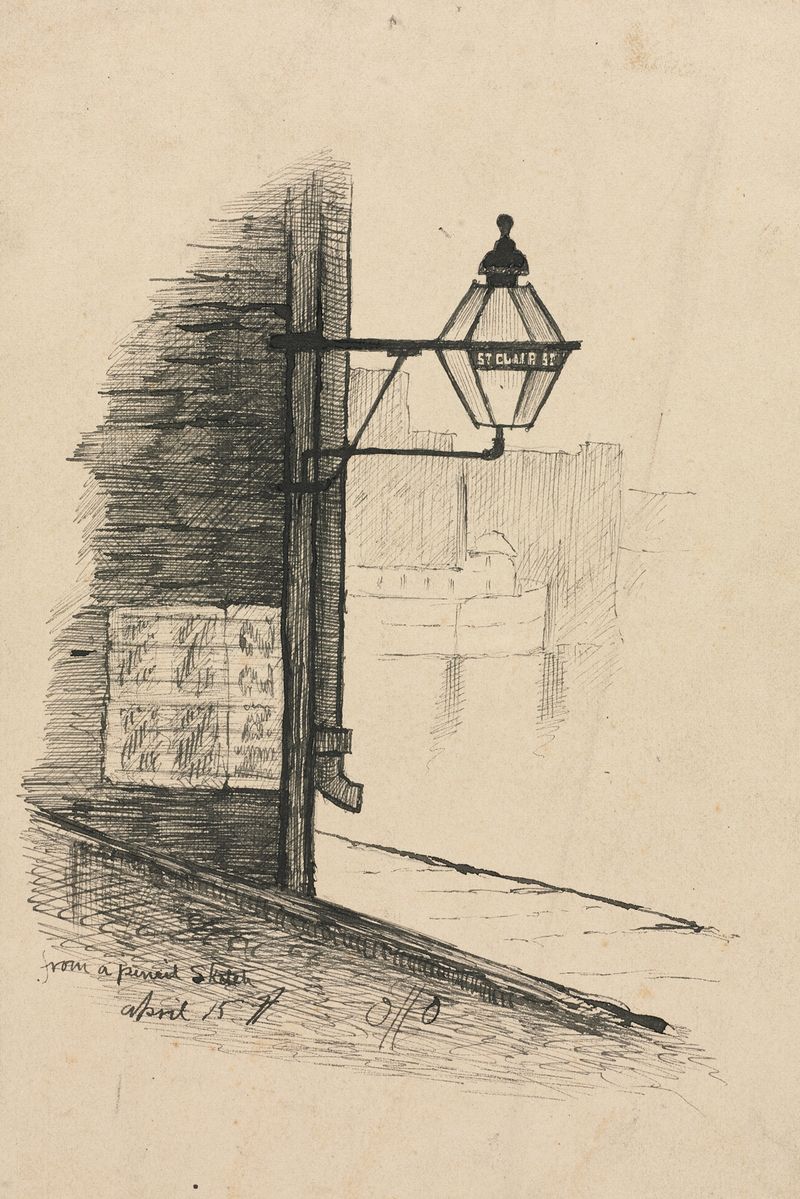
St. Clair Street, Cleveland
Otto Henry Bacher





