
Sky — History & Facts
In its vast expanse, John Singer Sargent’s Sky captures the elusive nature of time, inviting contemplation and reflection. Look to the upper section of the canvas, where shades of blue melt into soft whites and grays, evoking an expansive atmosphere that feels both infinite and transient. The brushstrokes are fluid yet deliberate, creating a sense of movement as if the clouds themselves are in a gentle dance across the sky. Notice how each hue interacts, blending seamlessly to suggest a moment caught between day and night, a fleeting experience that echoes the passage of time. Beneath the surface, there is an emotional tension between the serenity of the scene and the uncertainty of what lies beyond the horizon.
The light plays a crucial role, illuminating pockets of the canvas that suggest both hope and melancholy. The contrast between darker shades and luminous areas reflects the dual nature of existence—the calm before a storm, the promise of a new day, and the inevitability of change. Each detail, from the wisps of cloud to the gradient of colors, embodies a moment suspended in time, urging viewers to pause and reflect on their own journey. Sargent painted Sky between 1900 and 1910, during a period of experimentation and growth in his career.
Living in Europe, he had begun to embrace impressionistic techniques, reflecting societal shifts and the changing landscapes of modernity. This era marked a pivotal moment in art, as artists sought to capture the transient effects of light and emotion, paving the way for a new understanding of perception and experience.
More Artworks by John Singer Sargent
Browse all →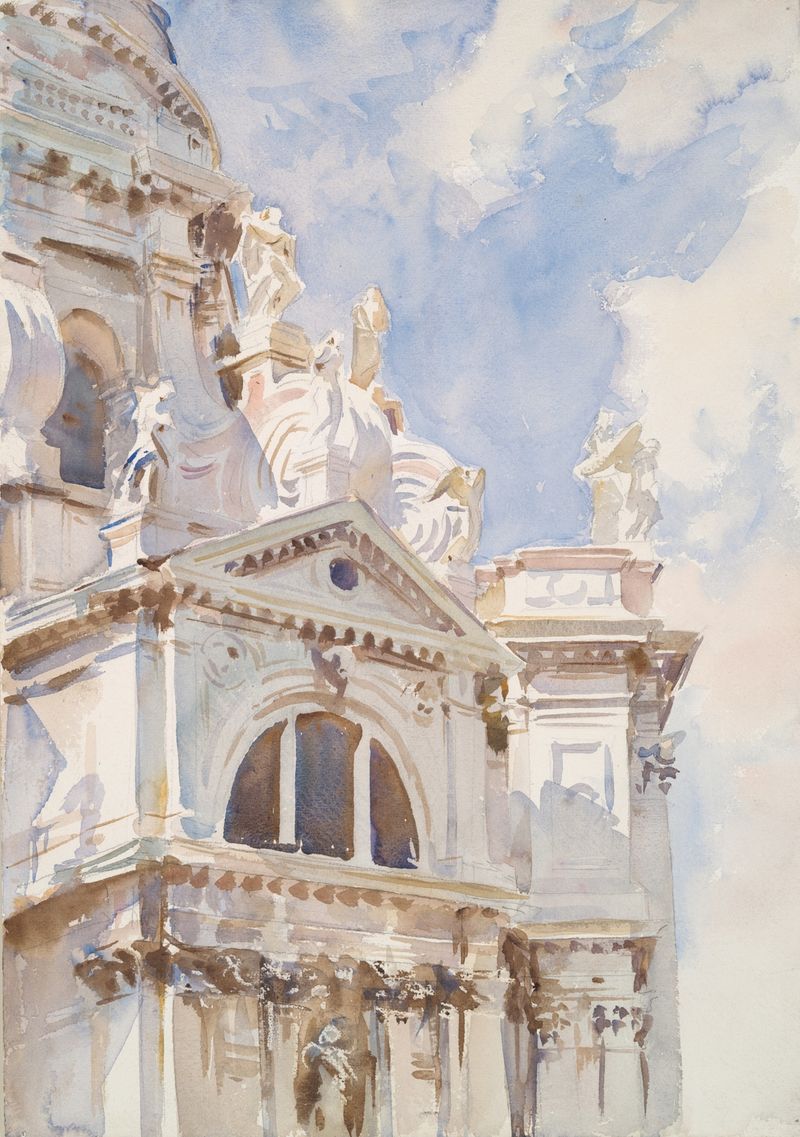
The Salute, Venice
John Singer Sargent

Mrs. Charles Deering (Marion Denison Whipple)
John Singer Sargent
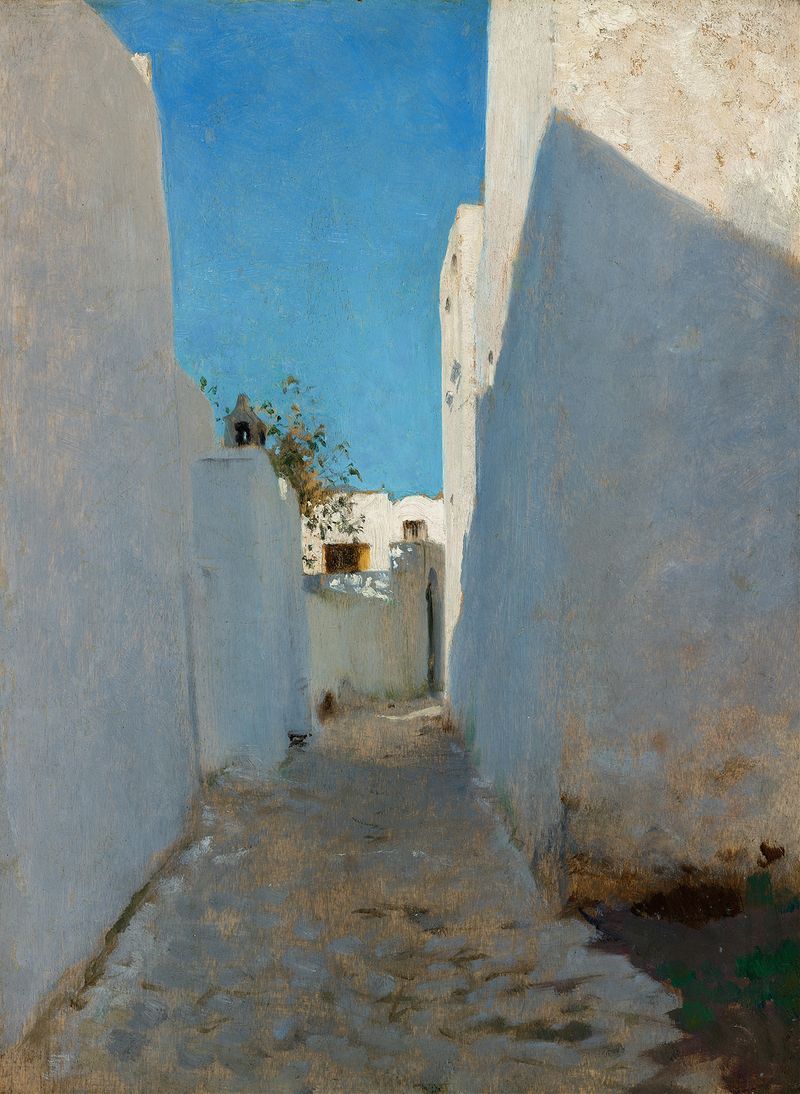
A Moroccan Street Scene
John Singer Sargent
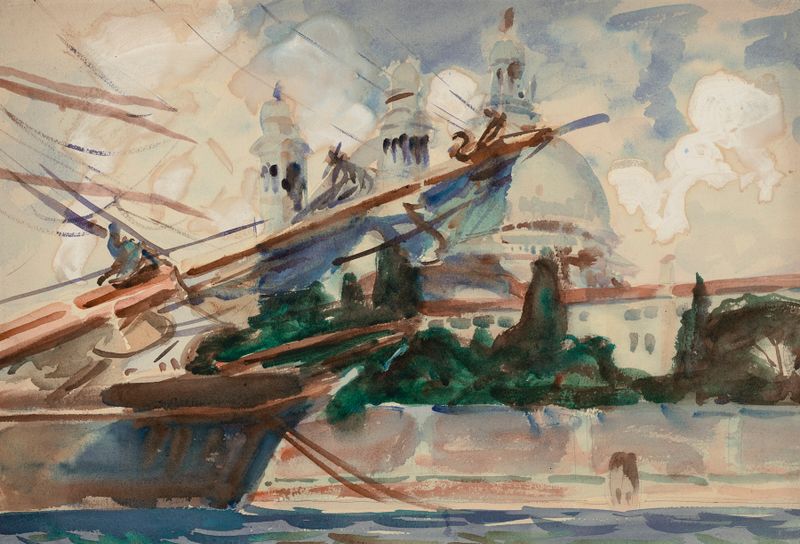
The Salute, Venice
John Singer Sargent
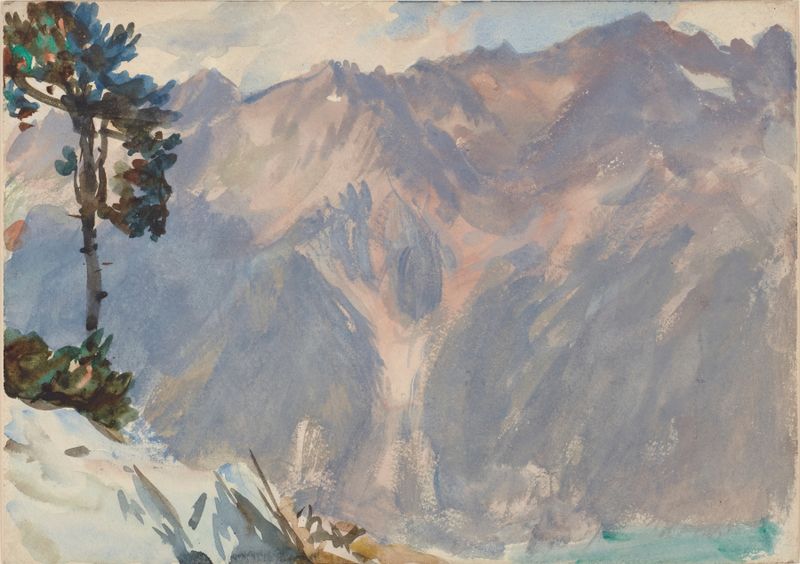
Tyrol
John Singer Sargent
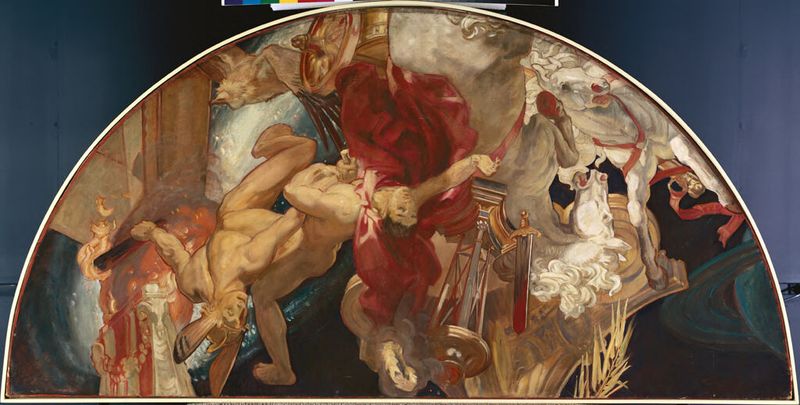
Study for "Gog and Magog," for the Boston Public Library
John Singer Sargent
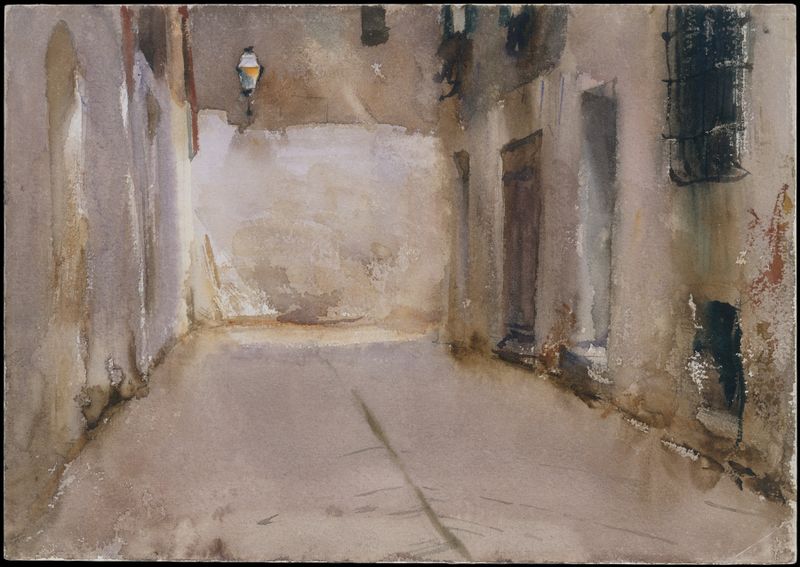
Venice
John Singer Sargent
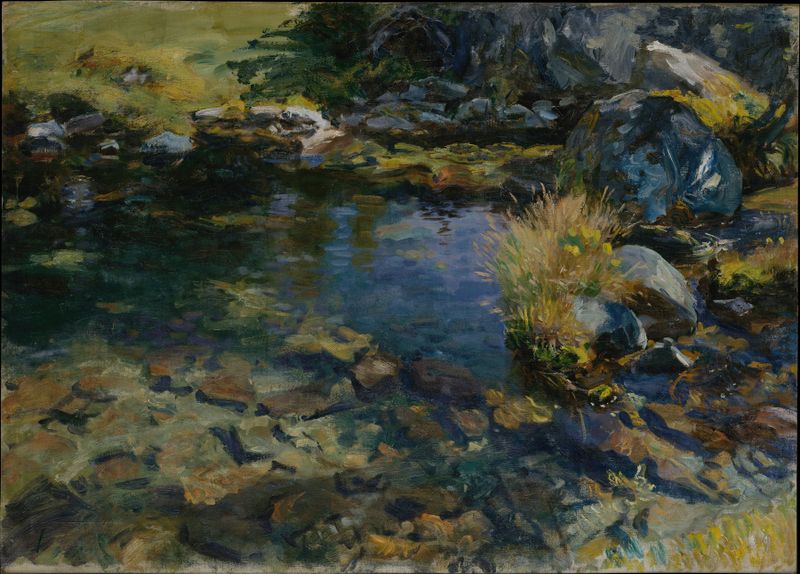
Alpine Pool
John Singer Sargent
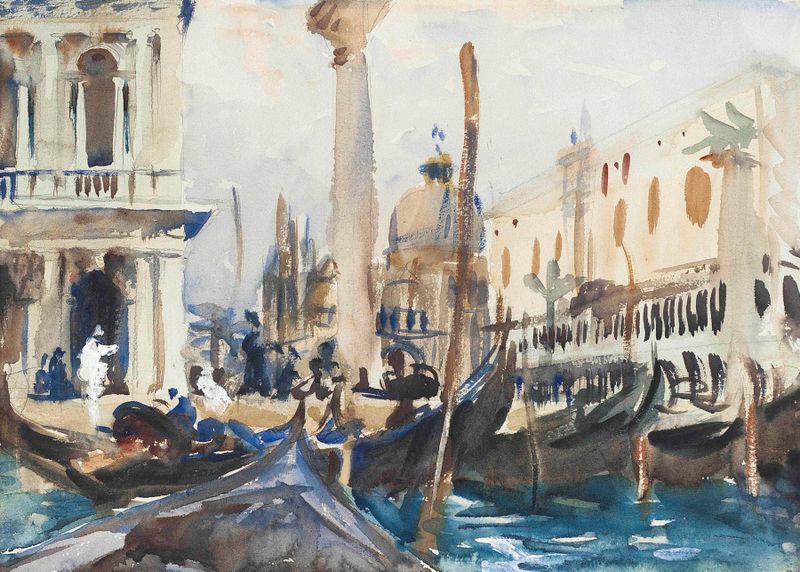
The Piazzetta with Gondolas
John Singer Sargent
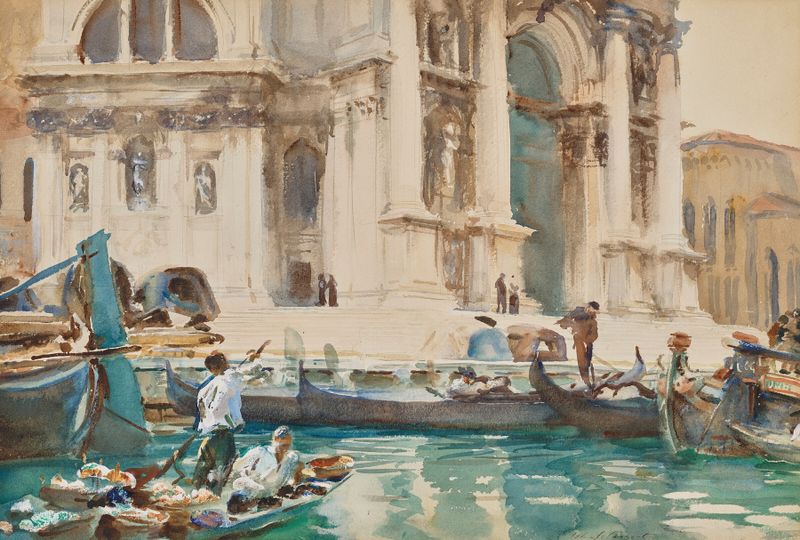
The Façade of La Salute, Venice
John Singer Sargent





