
Sleeping Christ Child — History & Facts
Could a single brushstroke hold eternity? In the gentle folds of a child's drapery, the weight of loss and tenderness intertwine, whispering silent prayers of grief and hope. Look closely at the serene face of the Christ Child, nestled in a tranquil sleep. Notice how the soft palette of pastel hues envelops him, casting a calm glow that radiates peace. The artist has deftly captured the intricate play of light across his cherubic features, illuminating the subtle blush on his cheeks and lending a palpable warmth to the painted surface.
Each delicate brushstroke contributes to an ethereal quality, inviting viewers to linger in the moment of stillness. Yet, beneath this serene exterior lies a profound duality. The tender innocence of the sleeping child juxtaposes the heavy sorrow that accompanies his destiny, a reminder of the inevitable. The surrounding darkness in the composition symbolizes the anguish that shadows joy, while the gentle embrace of Mary's hand implies protection, love, and an unspoken grief over what is to come.
Even the delicate arrangement of flowers at the child’s side—their vibrant colors dimming toward the edges—reflects the transient nature of life, hinting at beauty that exists alongside sorrow. This painting emerged during a time when the Baroque movement was reaching its zenith, characterized by emotional intensity and dramatic contrasts. Created in the late 17th to early 18th century, the period was marked by deep religious sentiment and a burgeoning exploration of the human condition. The artist, though unidentified, aligned with contemporaries who sought to evoke both devotion and introspection through their works, resonating with a society grappling with its own spirituality and existential questions.
More Artworks by Unidentified artist
Browse all →
Self-portrait with a Bandaged Ear and Pipe
Unidentified artist

Feast in the House of Levi
Unidentified artist
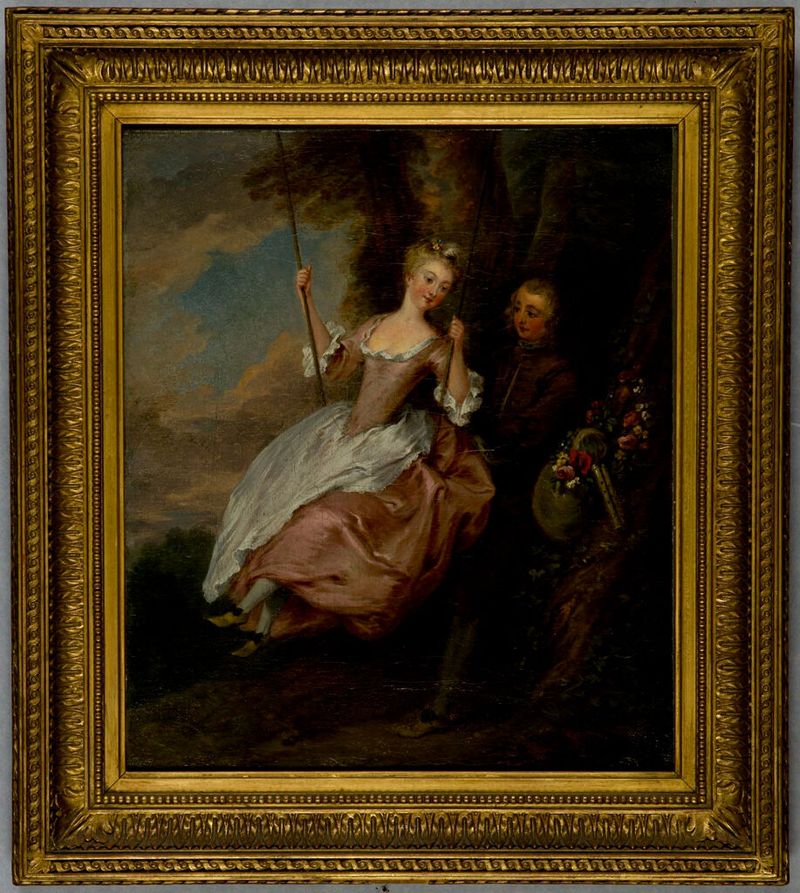
The Swing
Unidentified artist

Geoffrey Chaucer (1340?-1400)
Unidentified artist

Portrait of Michelangelo after the "Strozzi" original in the Uffizi Gallery
Unidentified artist
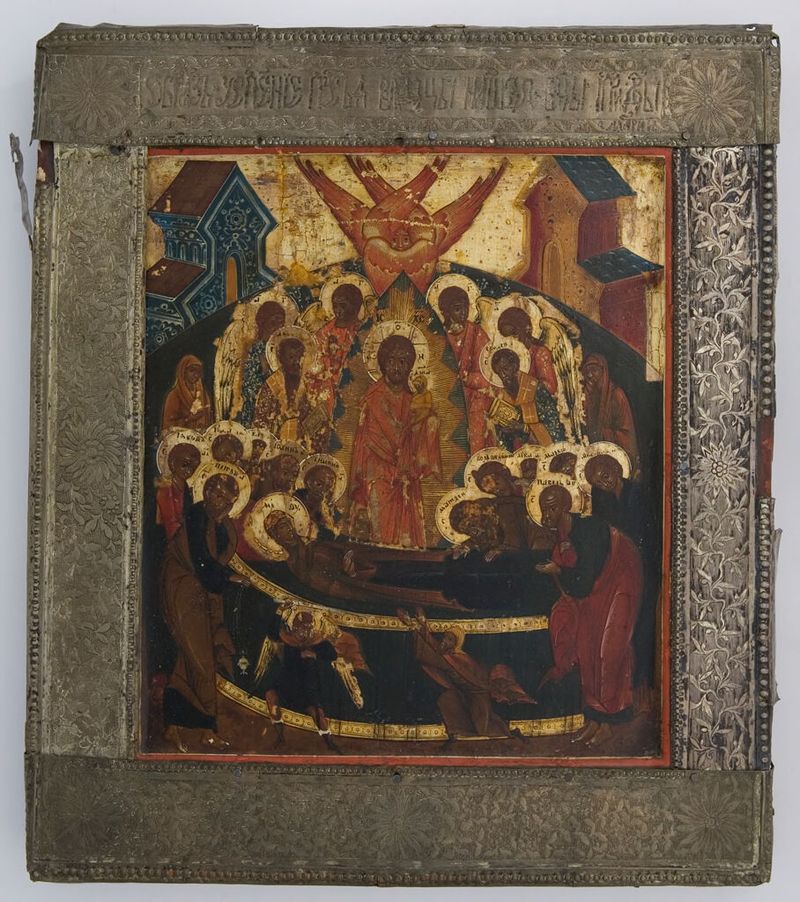
Dormition of the Virgin
Unidentified artist

Charles I (after a van Dyck painting in the Staatliche Museen, Gemaldegalerie, Dresden)
Unidentified artist

Madonna and Child
Unidentified artist

John Winthrop, the Younger (1606-1676)
Unidentified artist

Crucifix with the Virgin and Saint John the Evangelist, Christ the Redeemer, and a Praying Woman
Unidentified artist
More Religious Art
Browse all →
The Return of the Prodigal Son
Rembrandt van Rijn

The Garden of Earthly Delights
El Bosco

Count Orgaz’ funeral
El Greco

The Hundred Guilder Print: the central piece with Christ preaching, the plate arched
Rembrandt van Rijn

The Descent from the Cross
Rogier van der Weyden

The return of the prodigal son
Rembrandt van Rijn