Slotplaat — History & Analysis
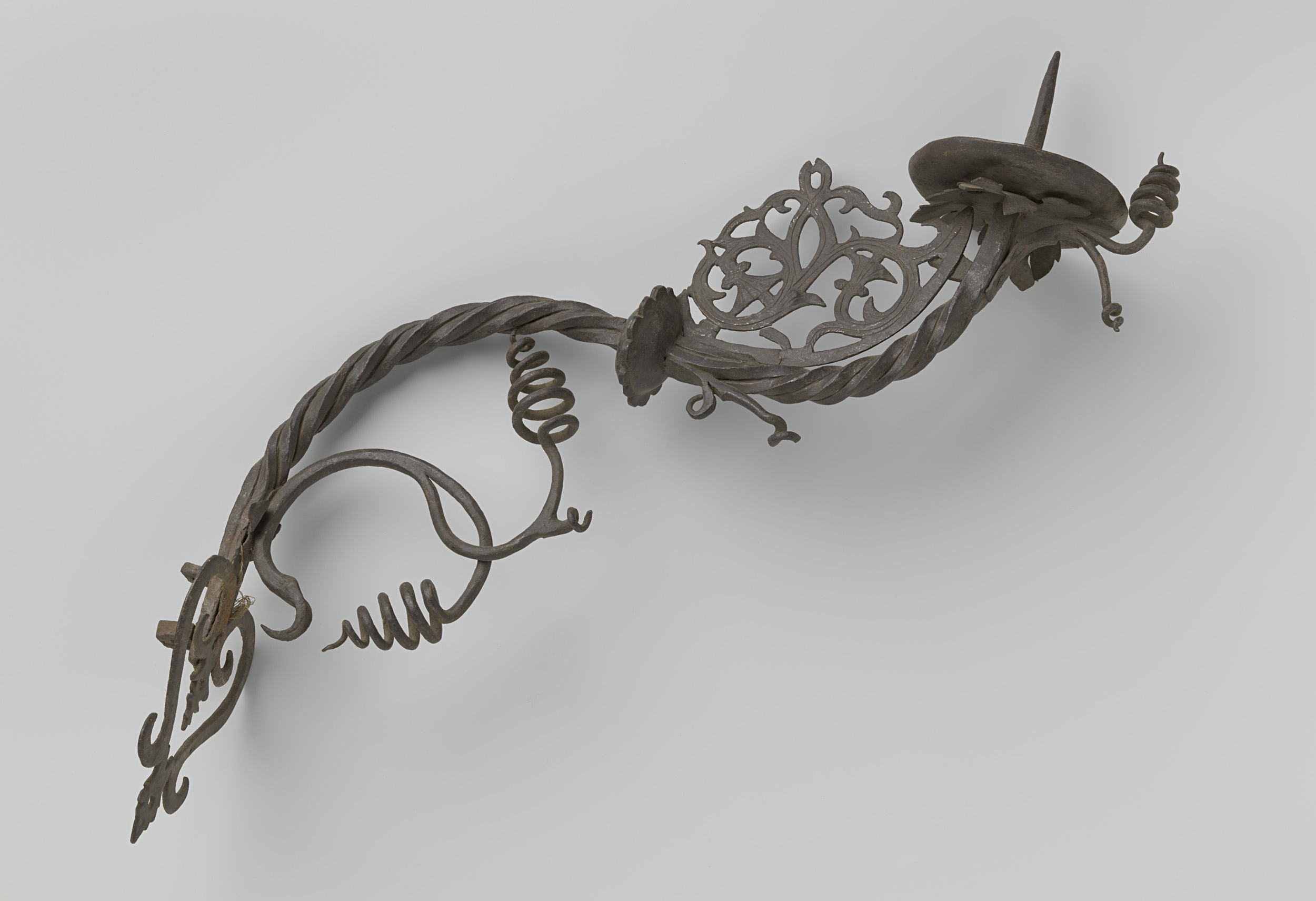
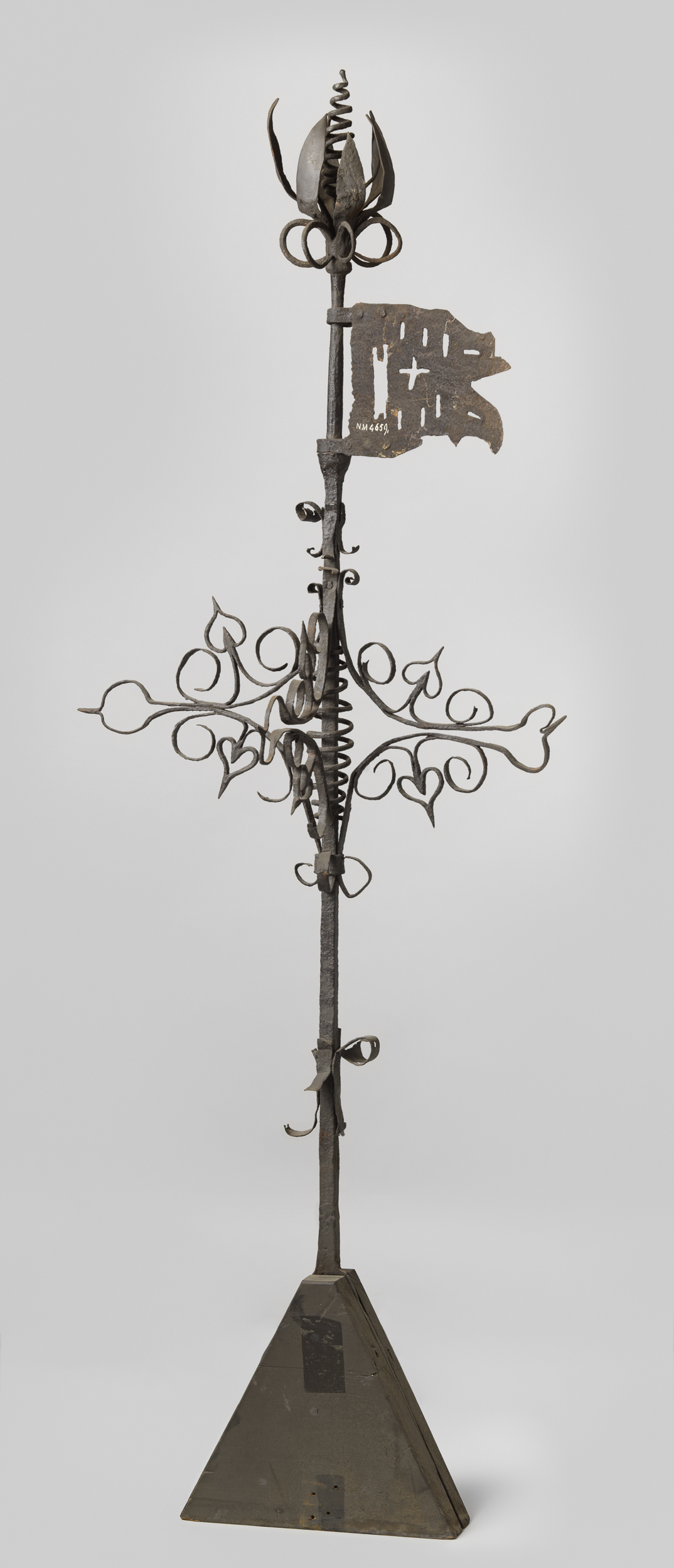
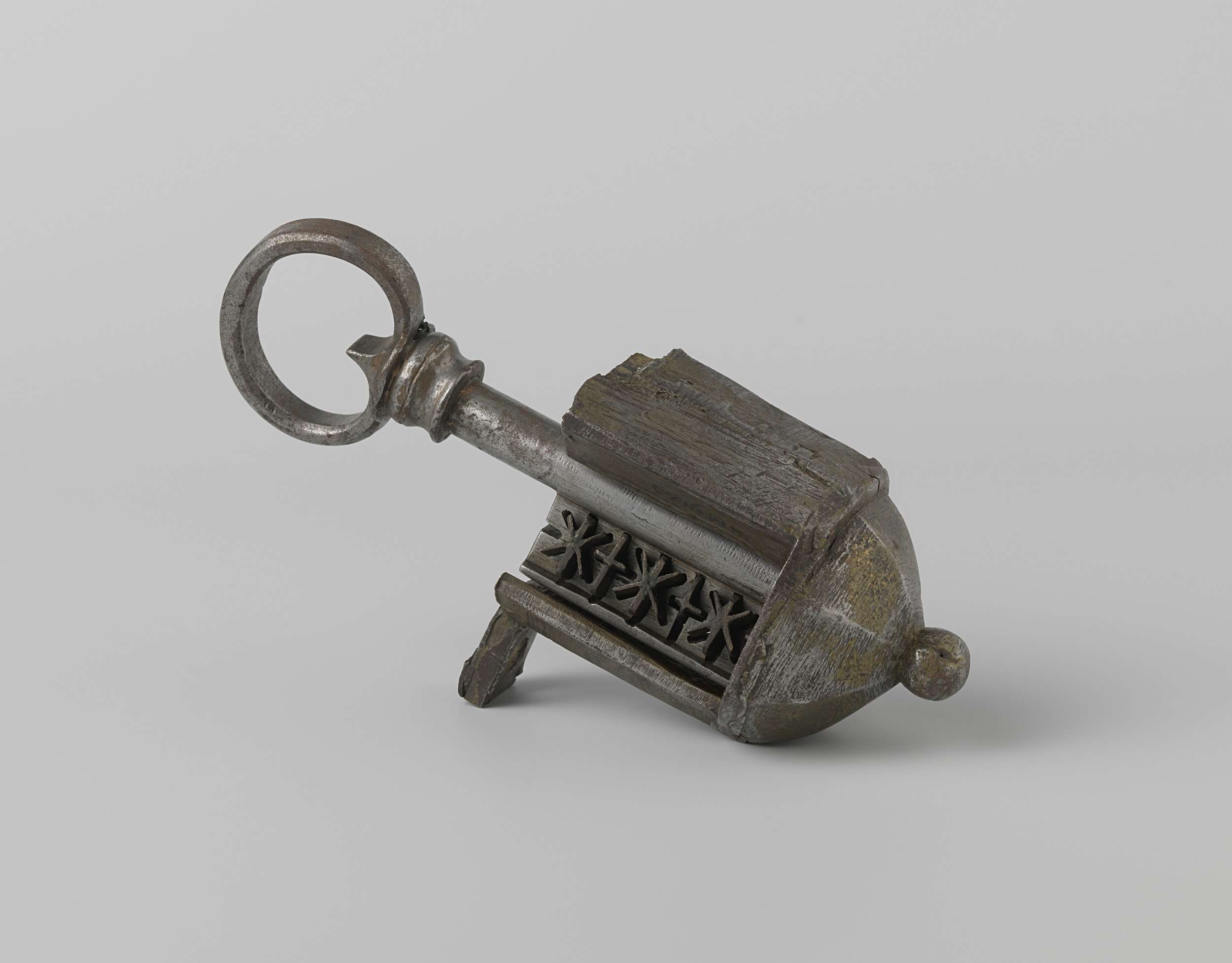
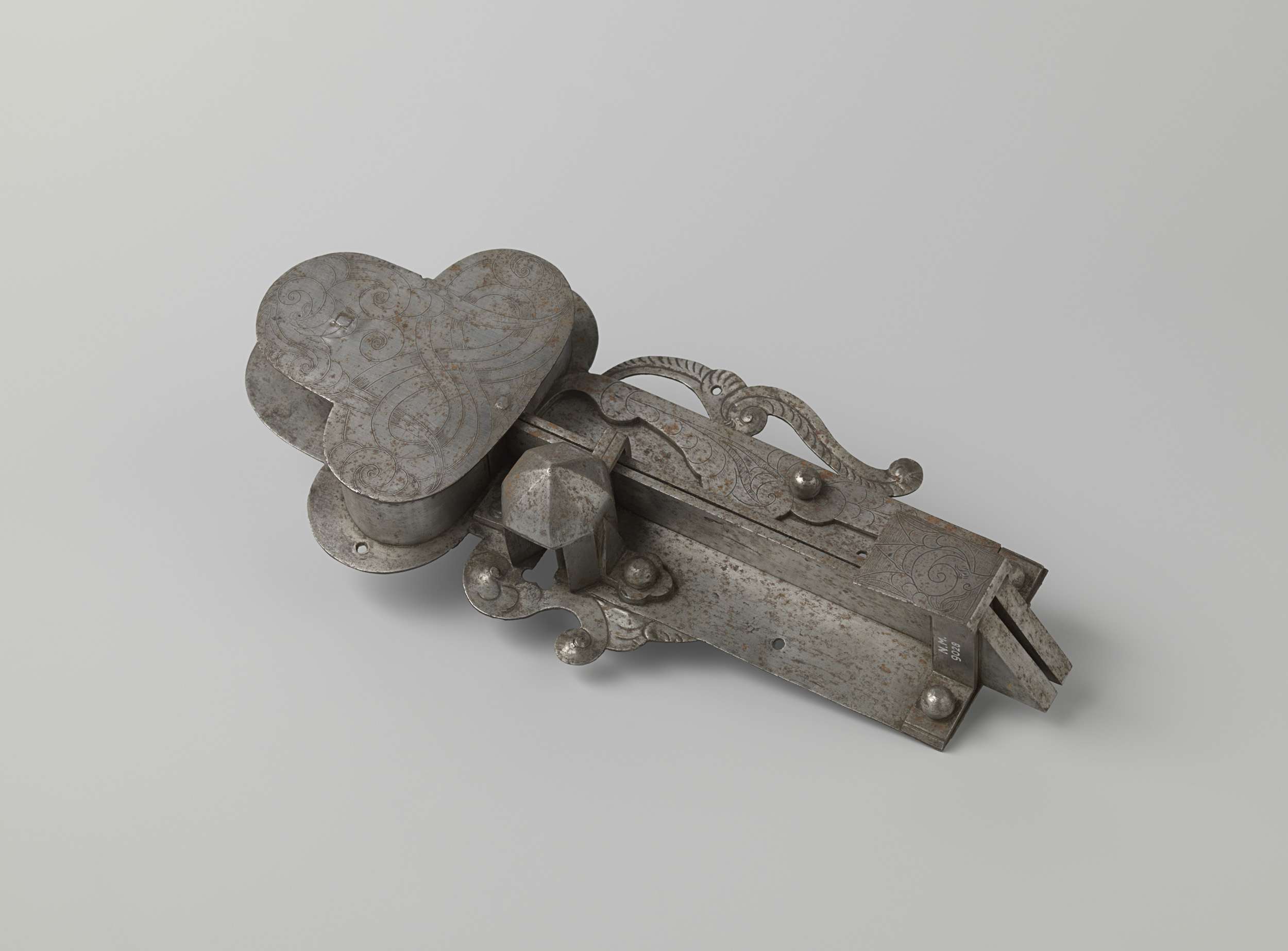
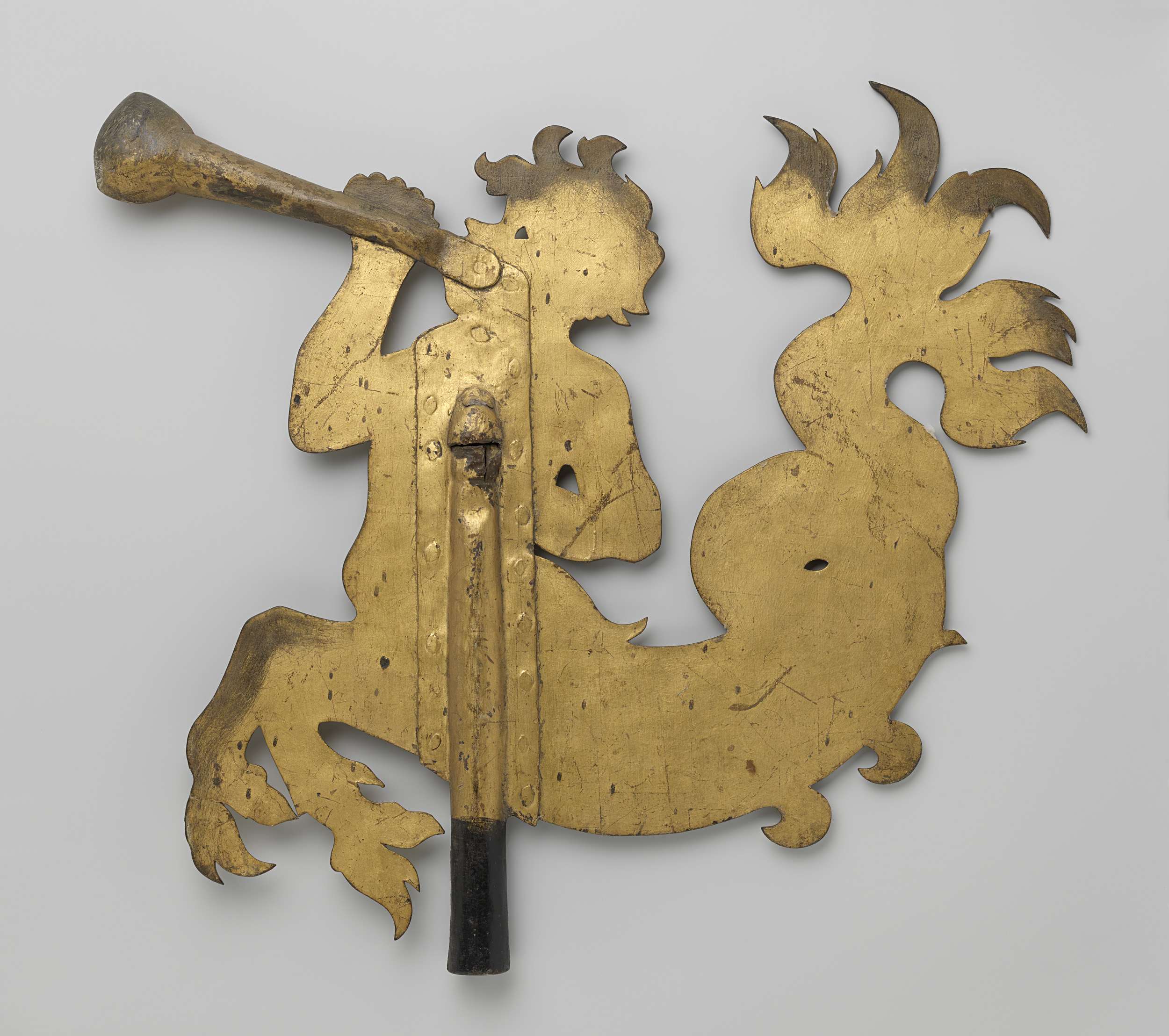
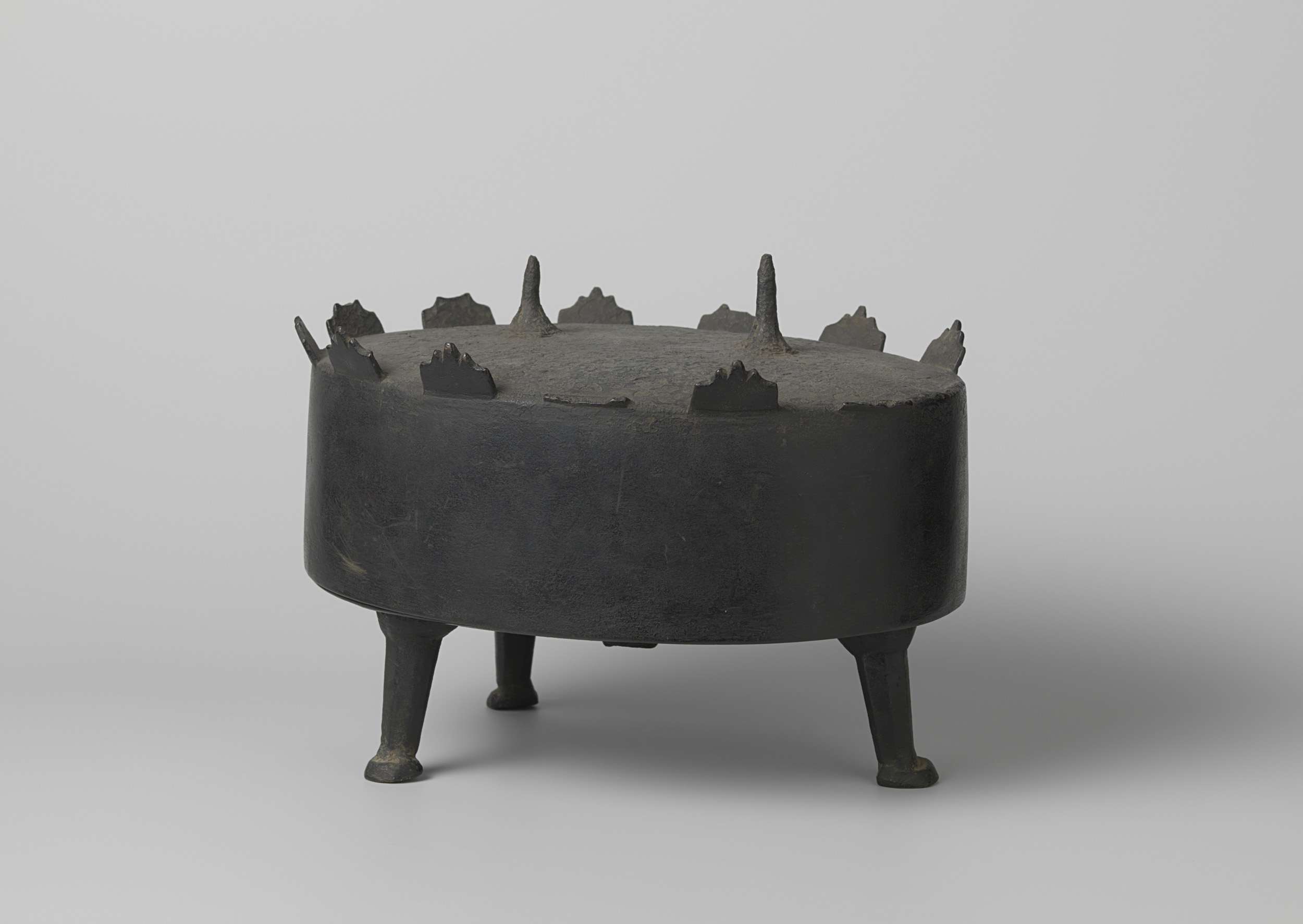
“Art reveals the soul when the world turns away.” It is in these silent revelations that we encounter the weight of destiny, nestled in the folds of time and material. Here, the anonymous creator offers a glimpse into the human experience, where the mundane dances with the extraordinary. Look closely at the intricate patterns adorning the surface of Slotplaat. The subtle interplay of light and shadow draws your eye first to the delicate engravings, which seem to whisper stories of their own, each line meticulously crafted. Notice how the muted palette evokes a sense of calm yet hints at underlying tension, as if capturing a moment suspended between the past and the future.
This artistry is not merely decorative; it invites contemplation, urging us to explore the layers of meaning hidden within its depth. The contrasts within this piece amplify its emotional resonance. The interplay between the intricate details and the surrounding emptiness speaks to the solitude of the human condition. Each engraving reflects a narrative of fate, suggesting a connection to ancestral roots while simultaneously alluding to the inevitability of change.
In the absence of an identifiable artist, the work becomes a collective memory, echoing the voices of many who have grappled with their destinies throughout the ages. Created within a broad timeframe, from 1000 to 2000, this piece emerges from an era marked by transformation in art and society. The anonymity of its creator hints at a broader cultural perspective, where the significance of collective identity often overshadowed individual recognition. This work stands as a testament to the enduring spirit of artistry, transcending its time to resonate with viewers across centuries.