
Art period · c. 1970–today · Worldwide
Contemporary Art and Artists
Contemporary art is the art of the present day and the recent past: a period rather than a single style, often dated from about 1970 to today and made all over the world. The Getty's art vocabulary says the term refers only to when a work was made, while “modern” also implies a break with tradition, and Tate notes that museums set its start anywhere from 1947 to 1977. Its best-known artists include Marina Abramović, David Hockney, Yayoi Kusama, Ai Weiwei, Jean-Michel Basquiat and Banksy.
Almost all of it is still protected by copyright, which in the European Union and the UK lasts until 70 years after the artist's death, and in the United States does the same for works made since 1978. So this page names and explains the artists and works but does not show them. Hockney and Kusama both died in 2026, so their work stays protected until the end of 2096.
Contemporary art itself is named and explained on this page, not shown, because almost all of it is still in copyright; the older works filed under this label below are public domain and free to download.
Selected and written by Pavel MazuelasUpdated November 5, 2026
Part of Art Movements and Painting StylesRelated: Modernism, Abstract Expressionism, Famous Abstract Paintings
Works filed under this label in our catalog
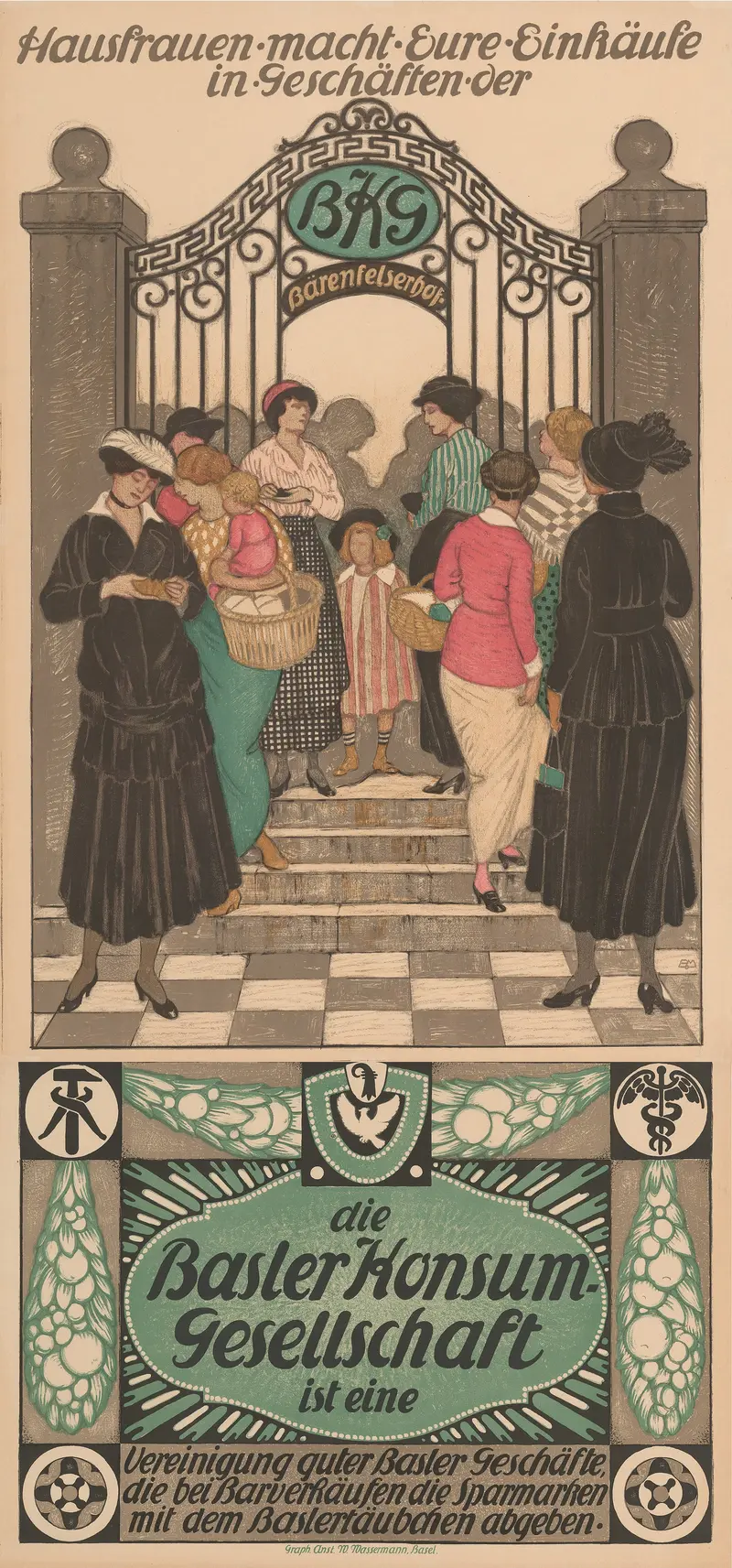
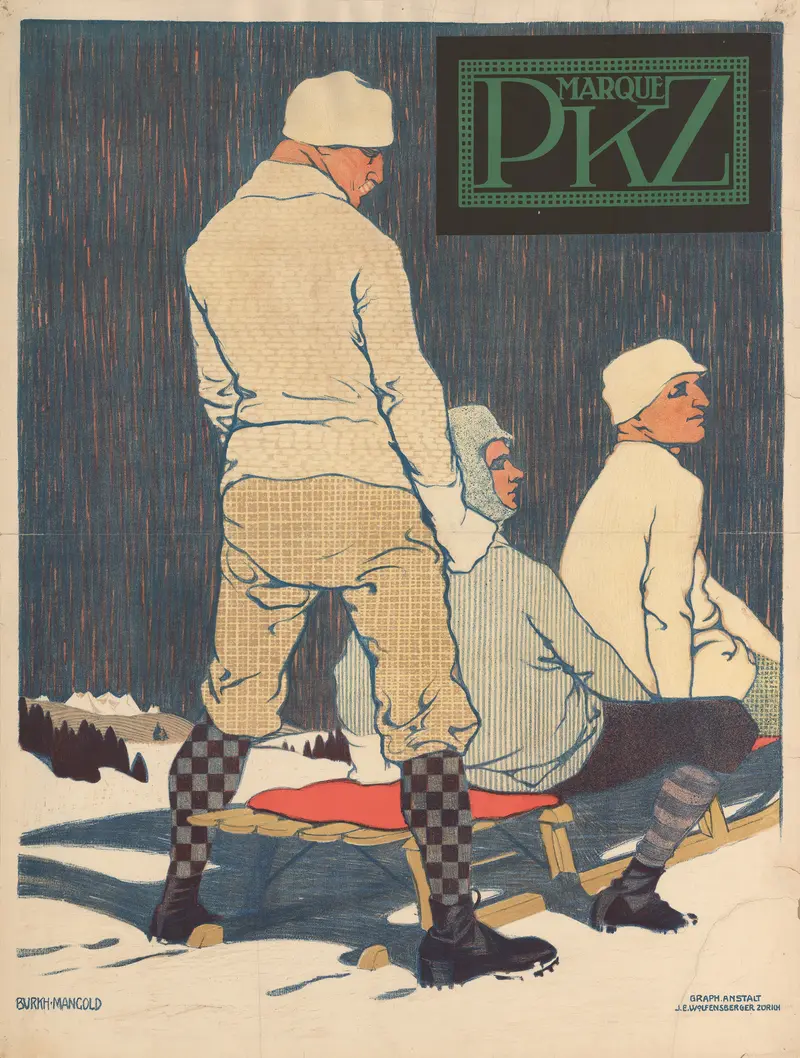
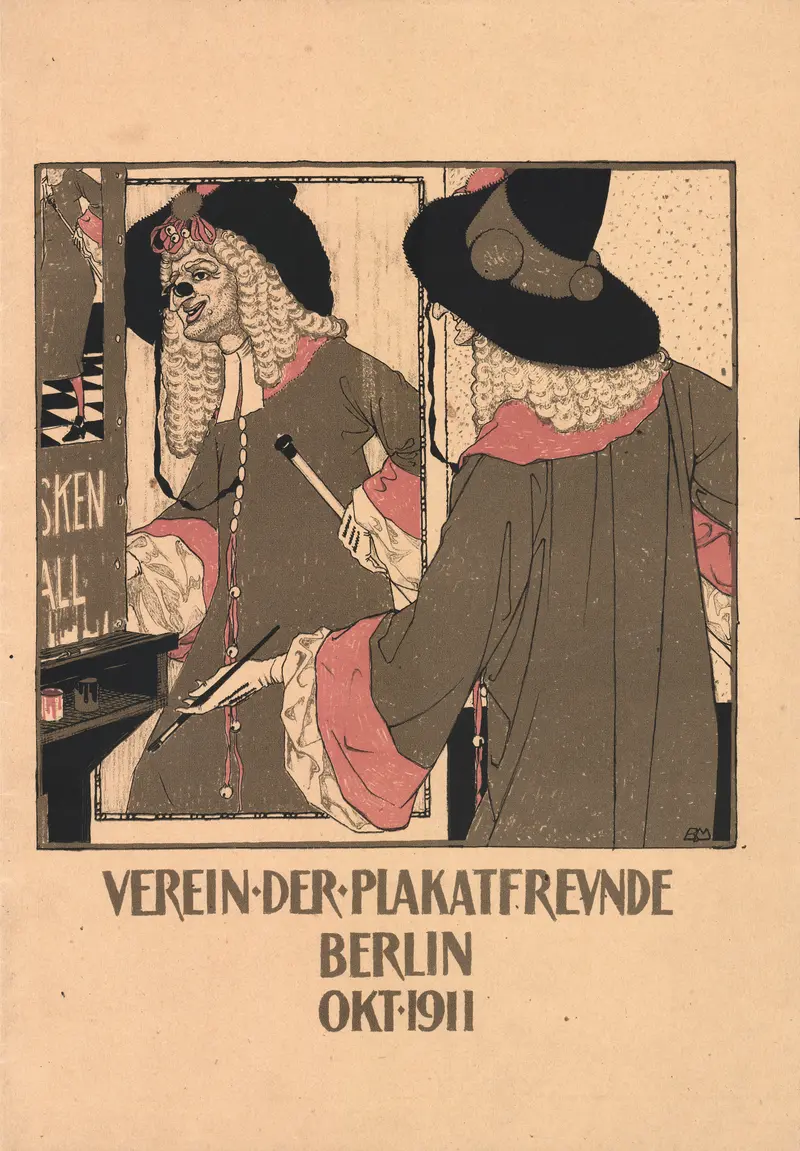
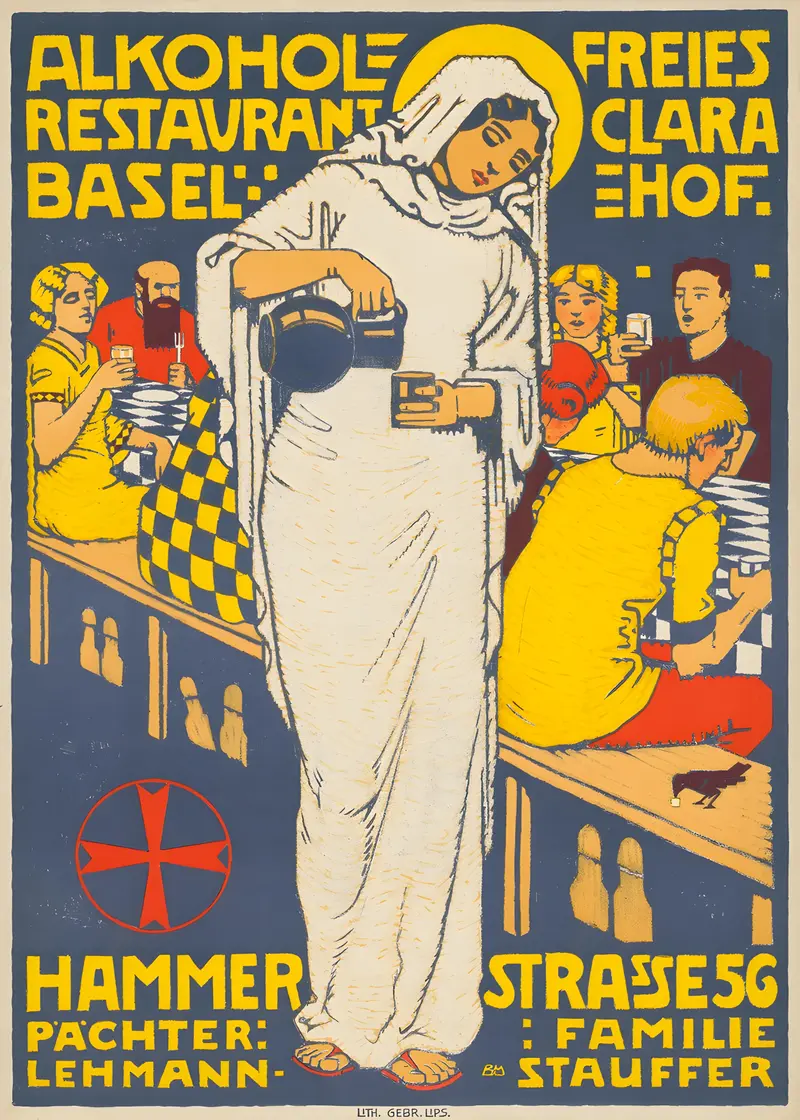
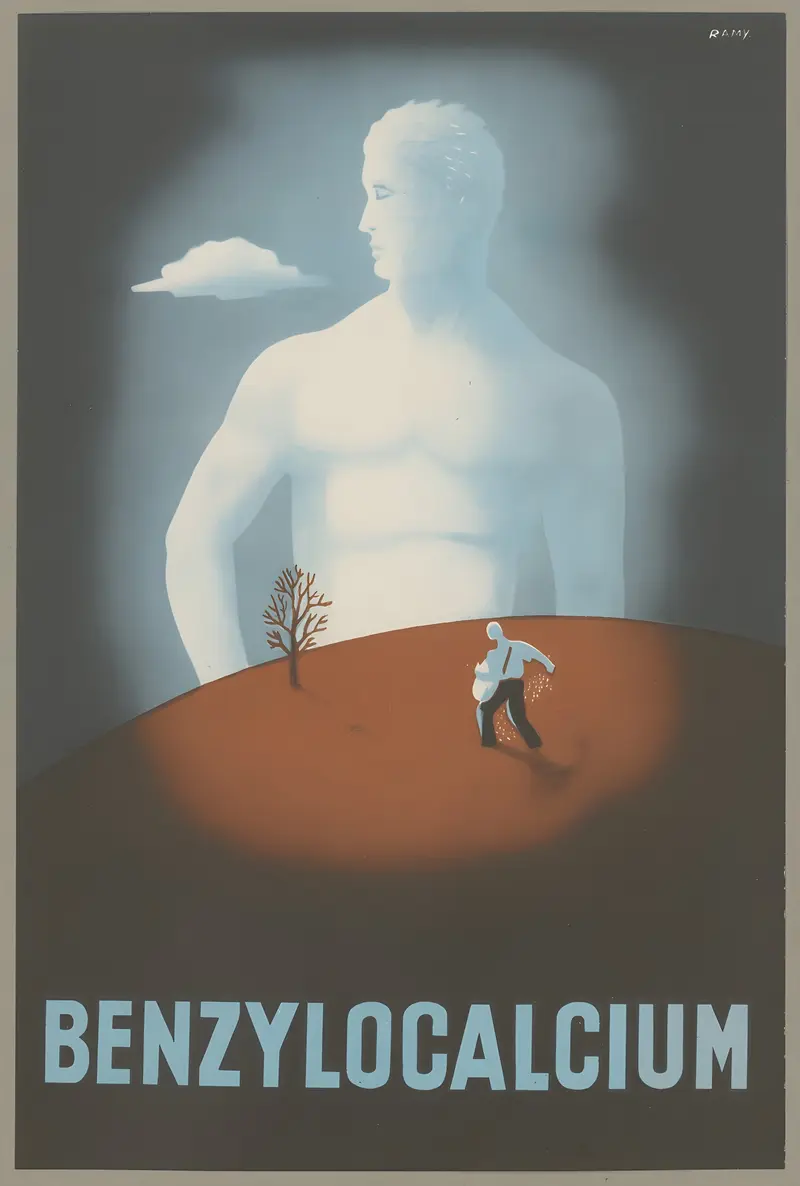
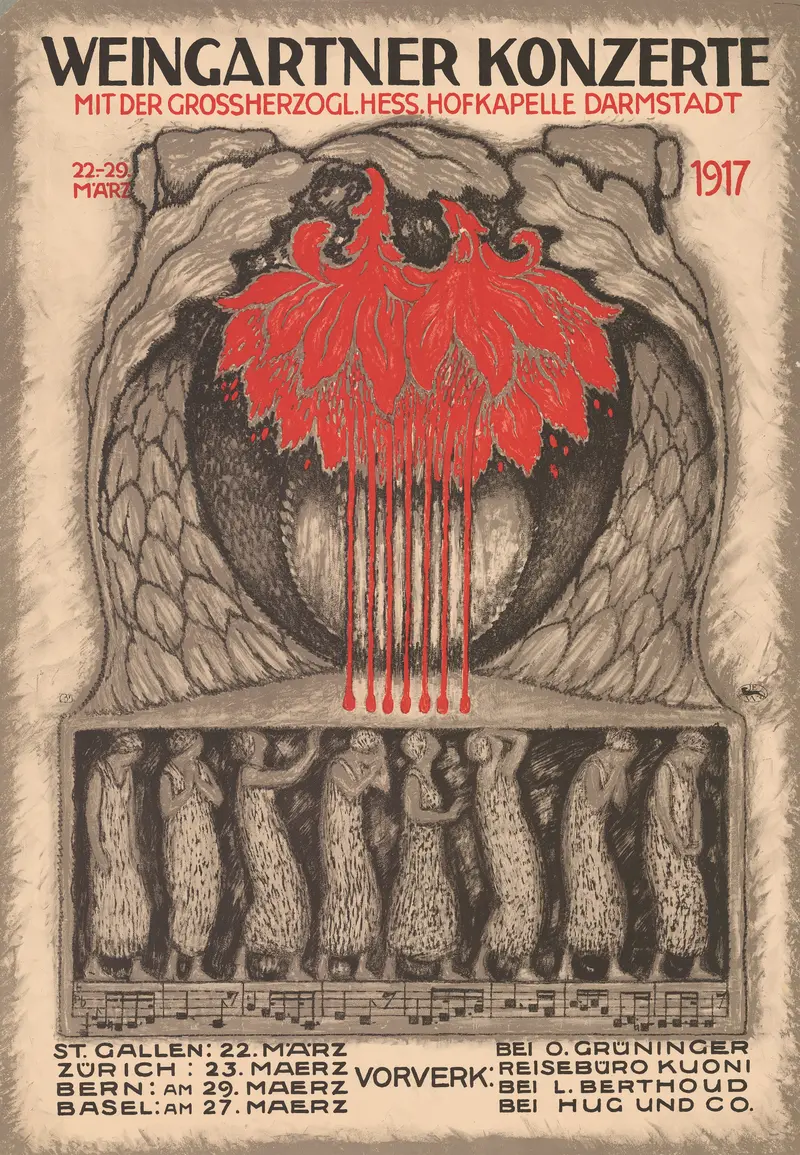
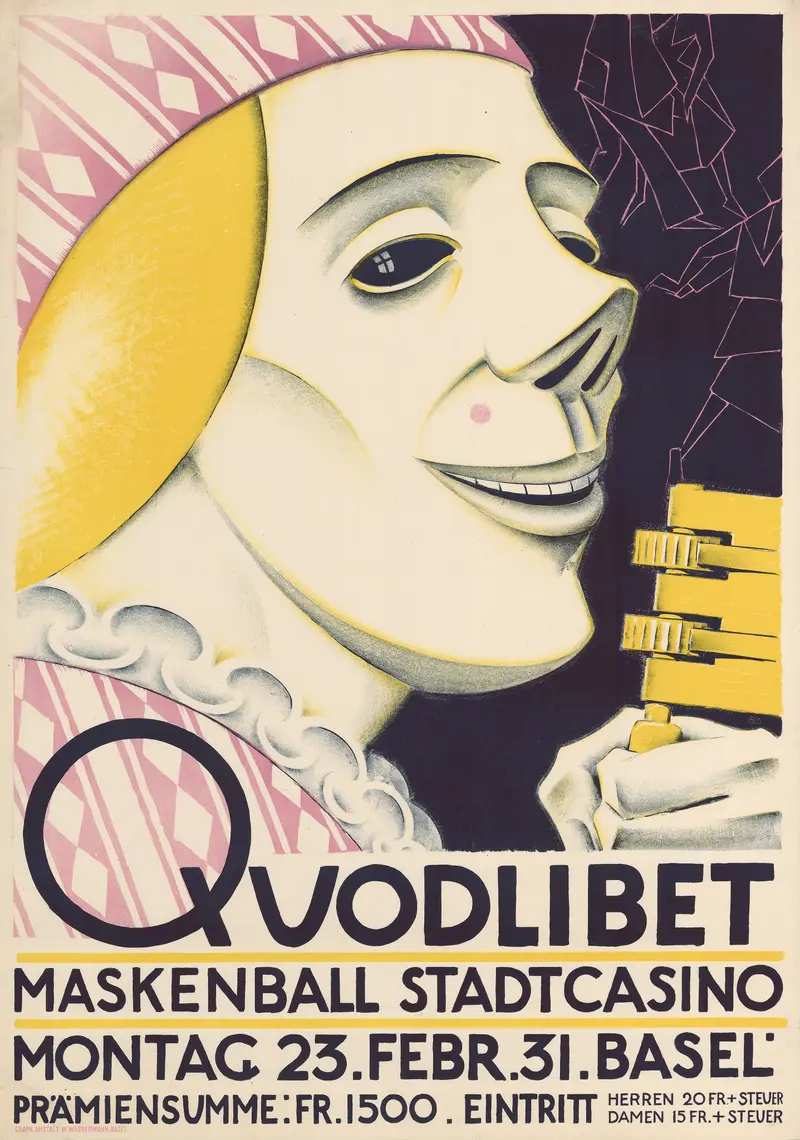
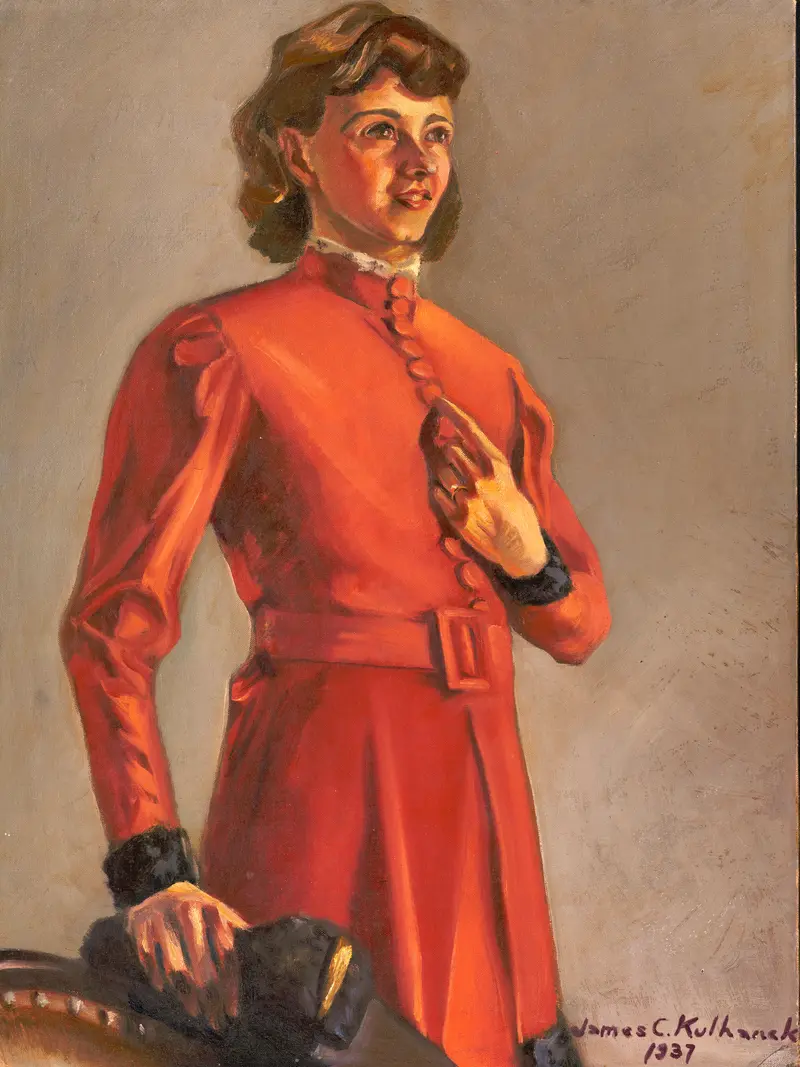
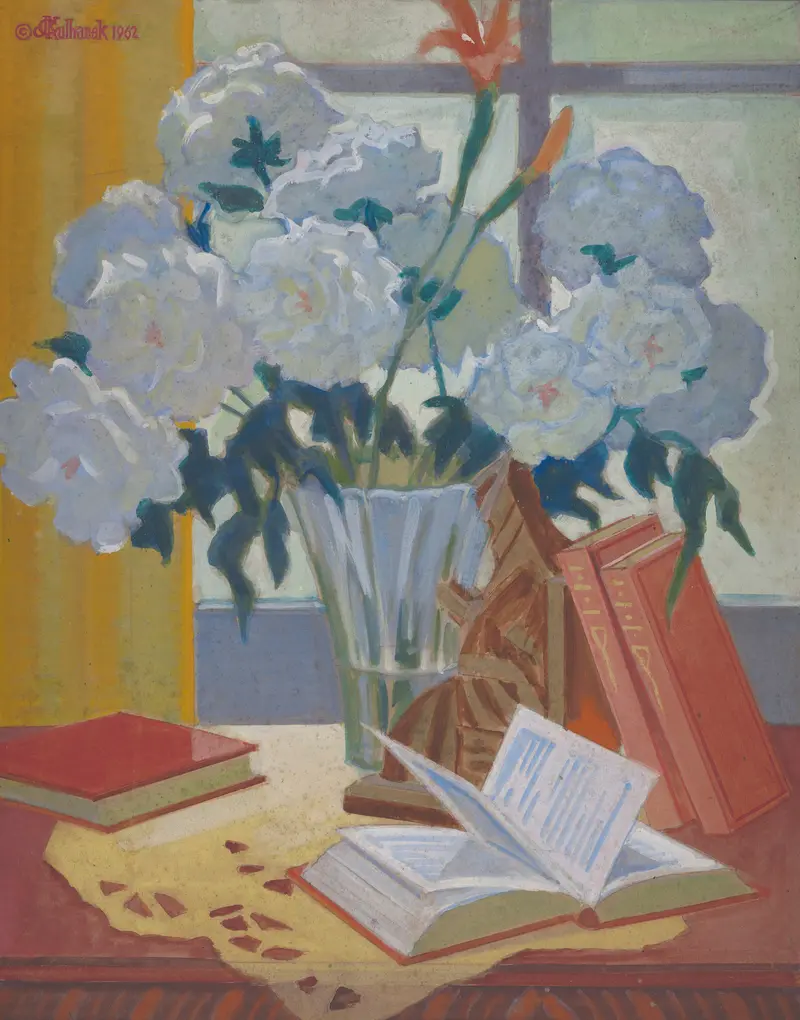
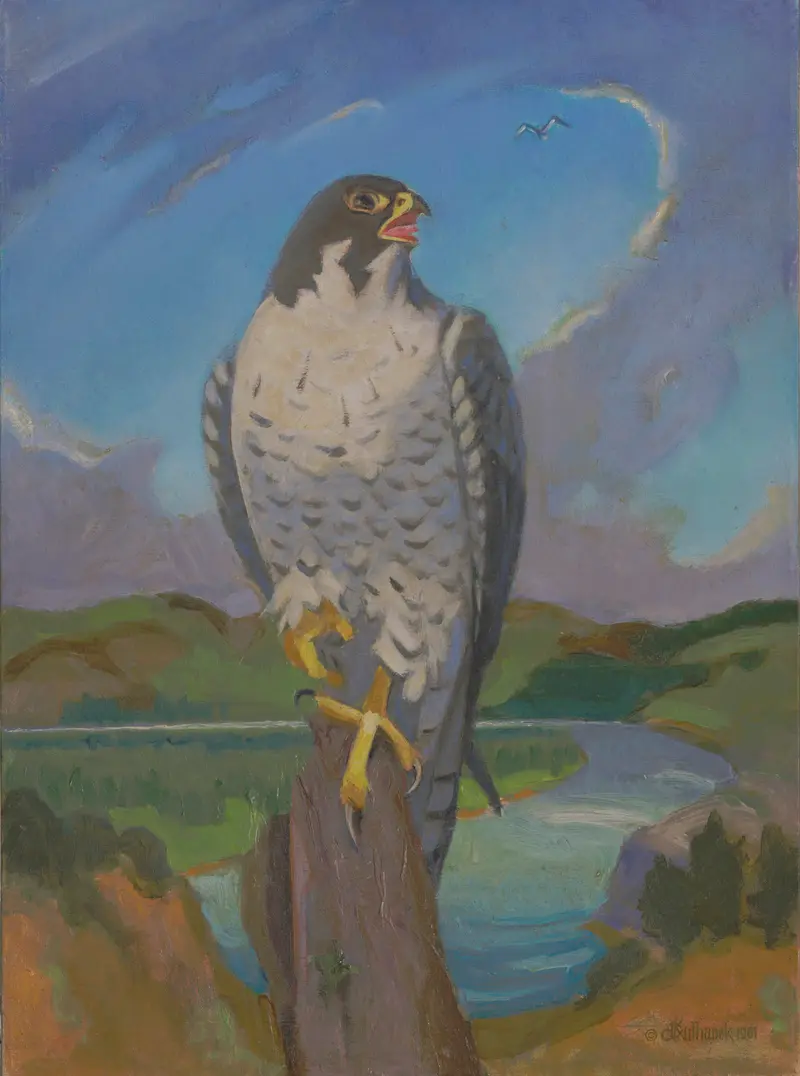
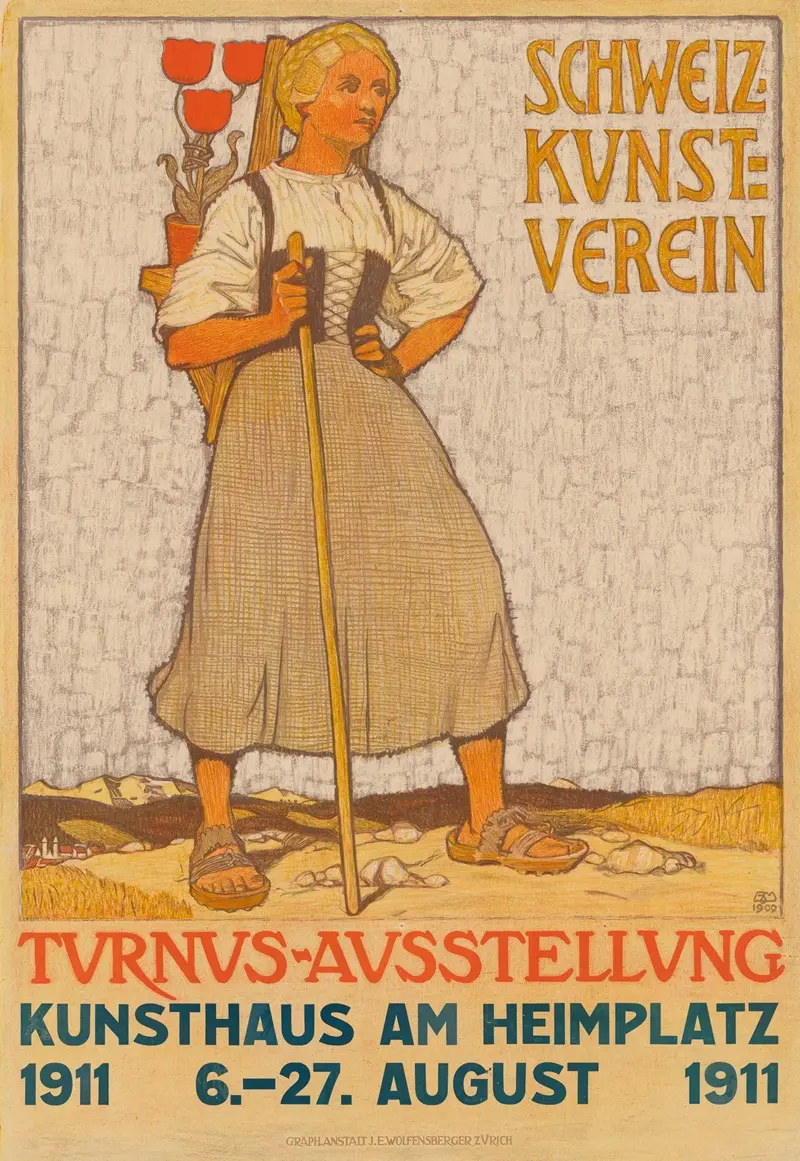
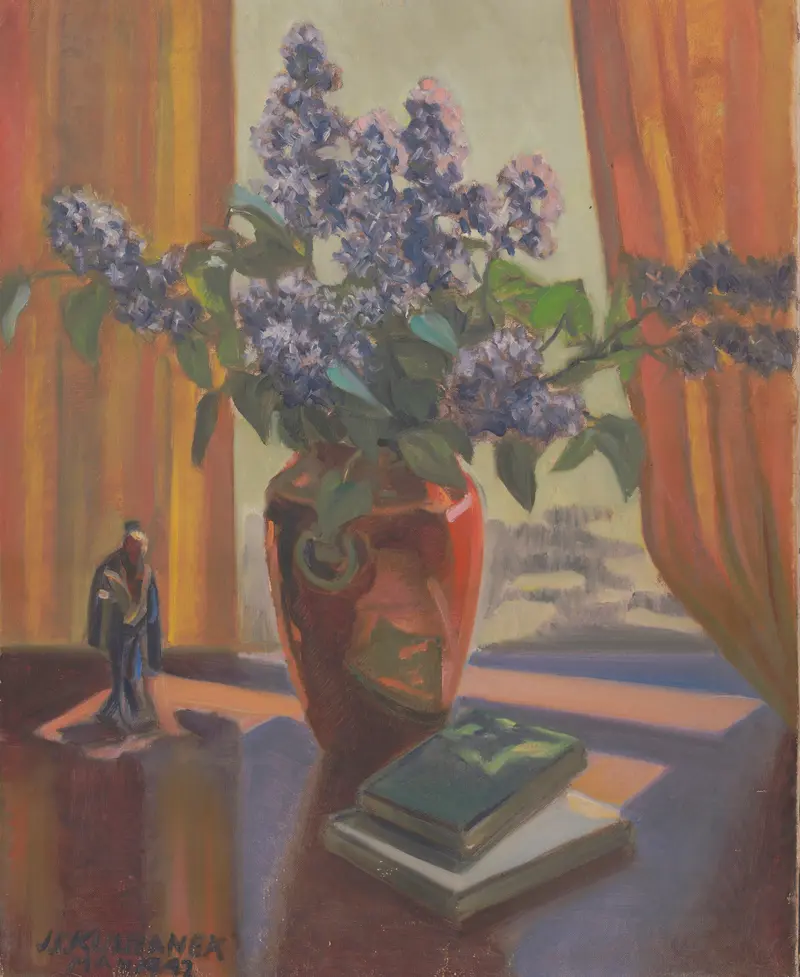
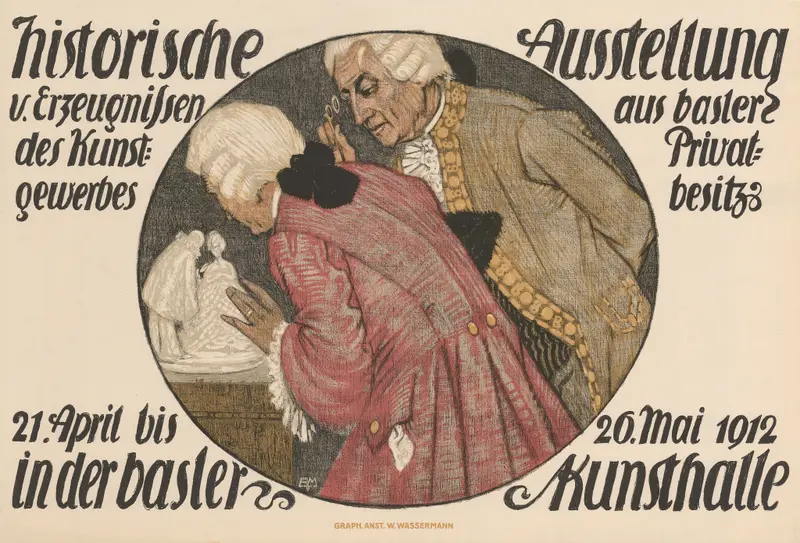
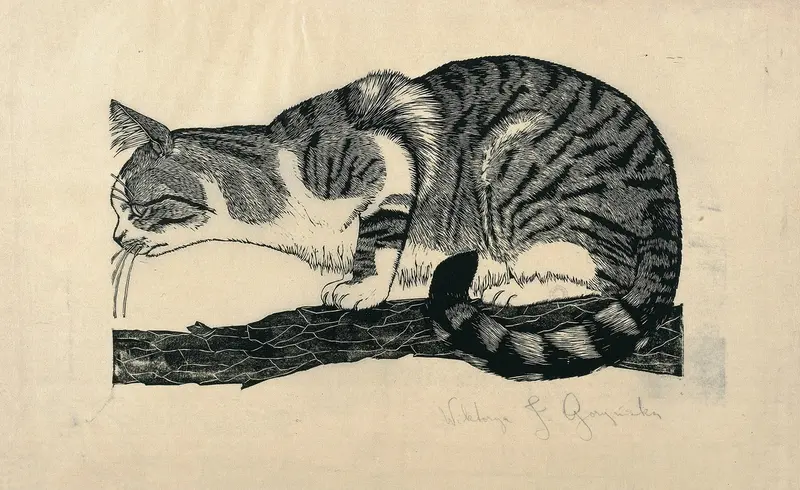
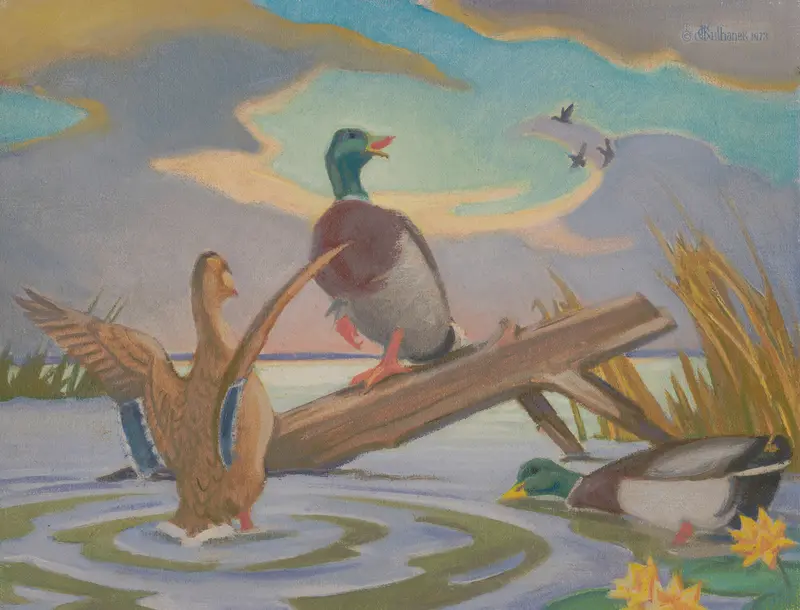
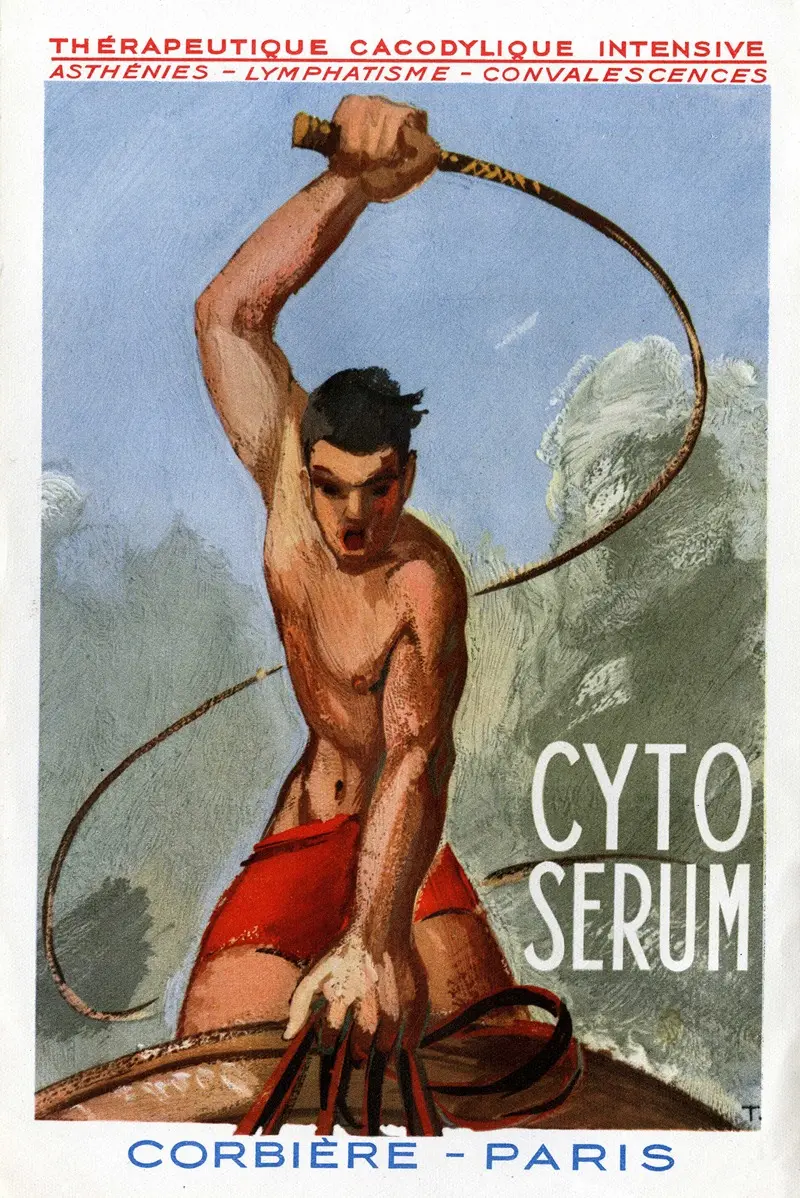
Polish prints, Swiss posters and other older works, none of them contemporary art. All public domain, free to download.









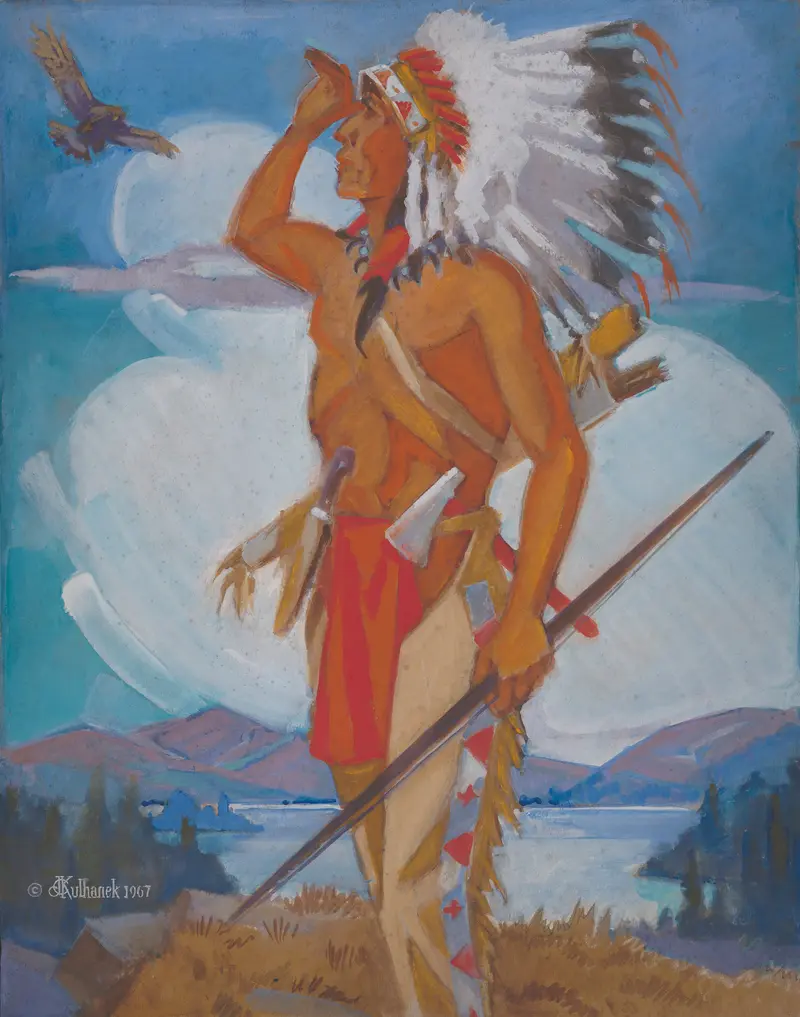
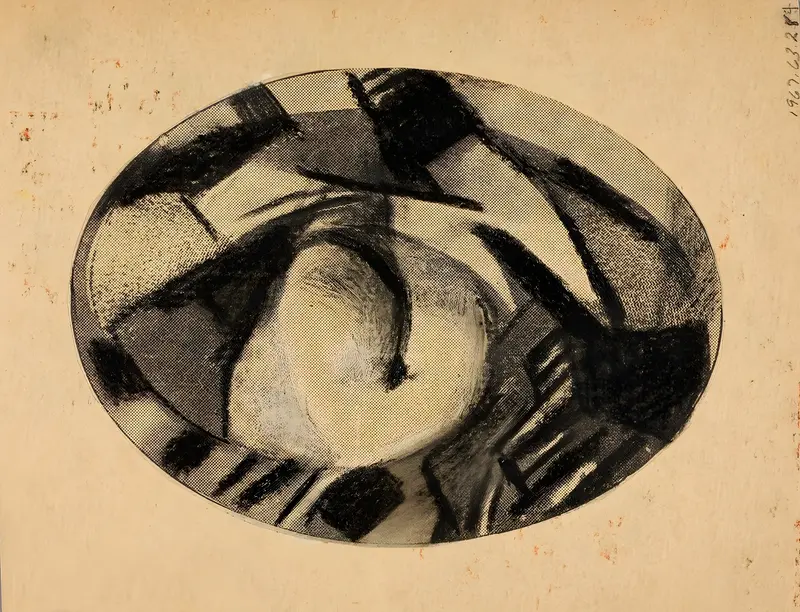

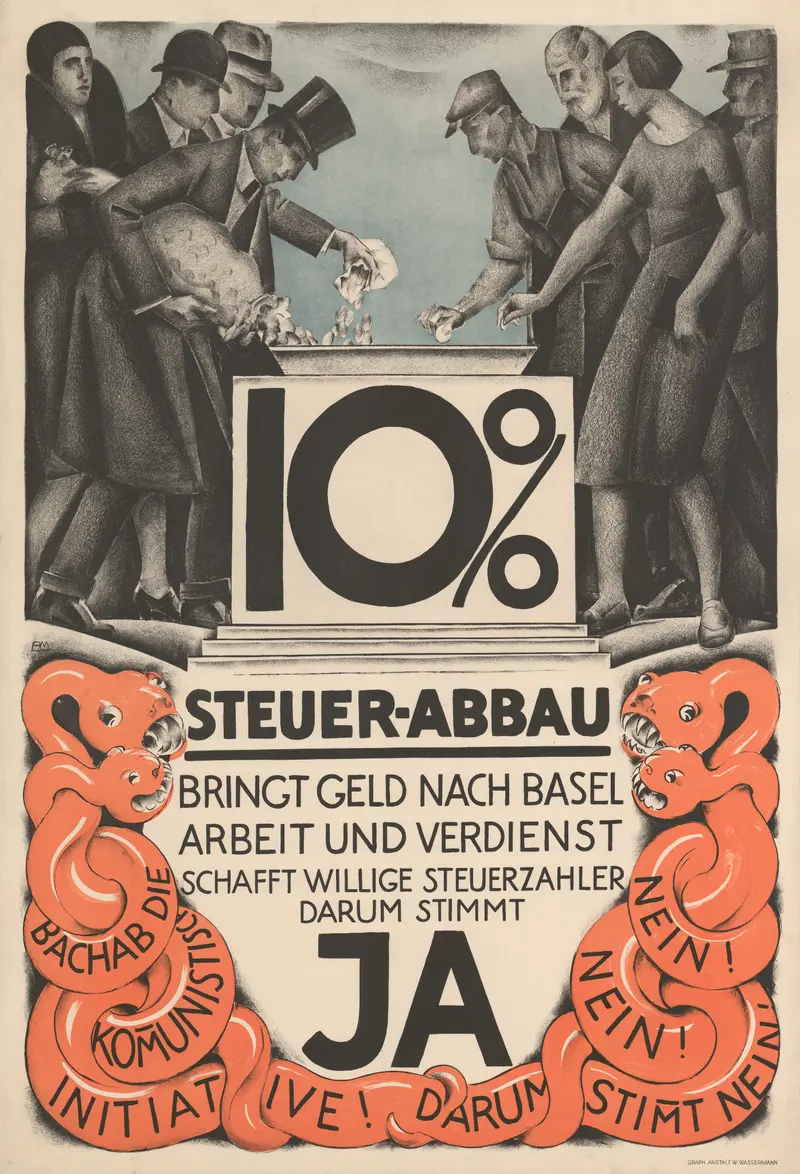
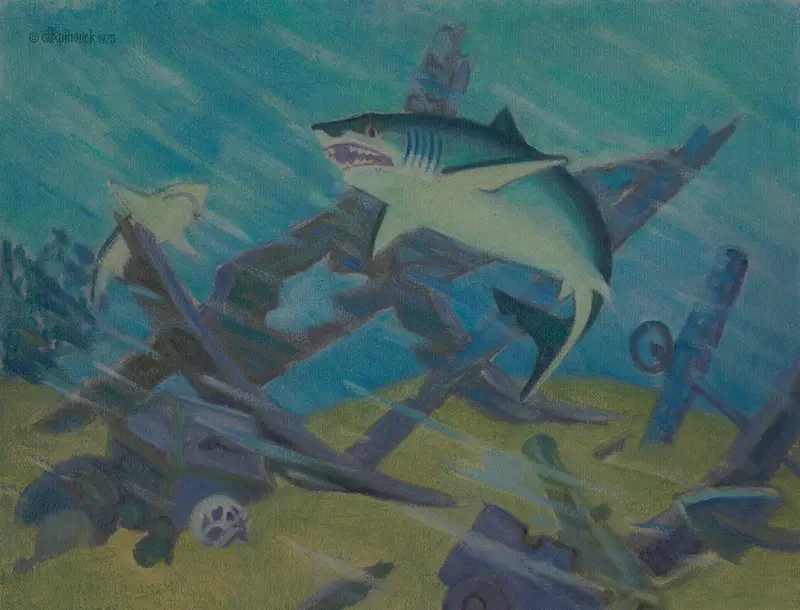

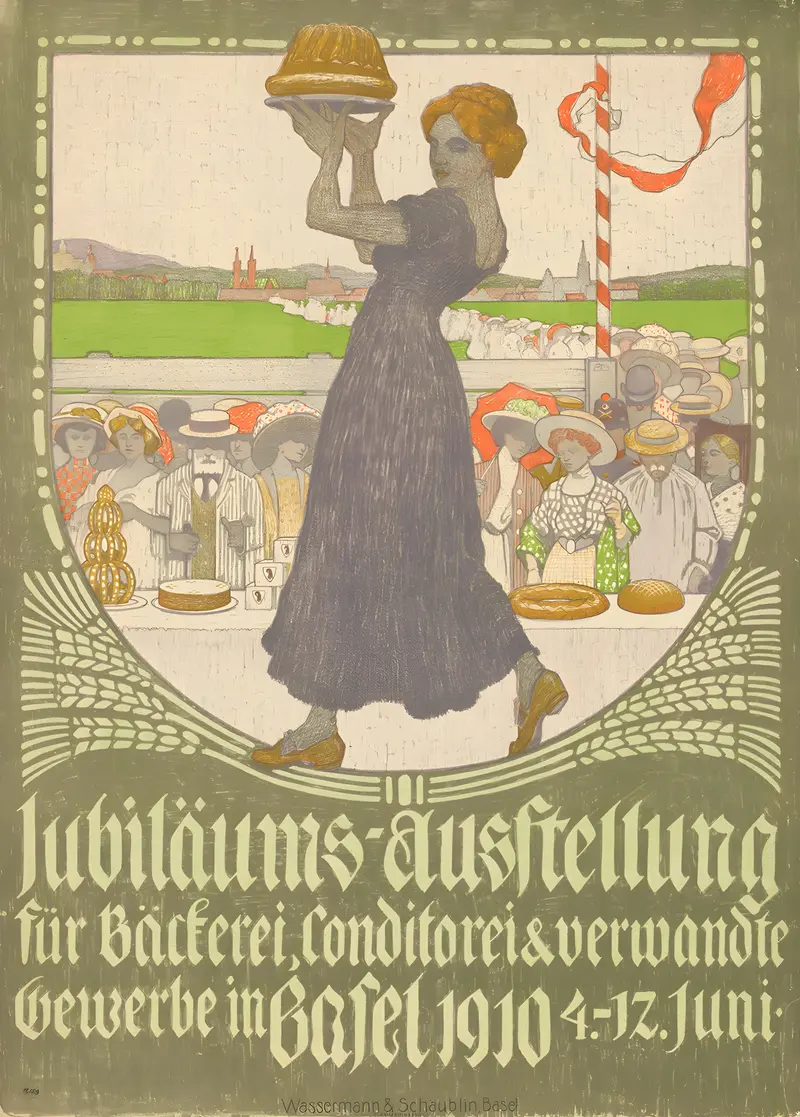
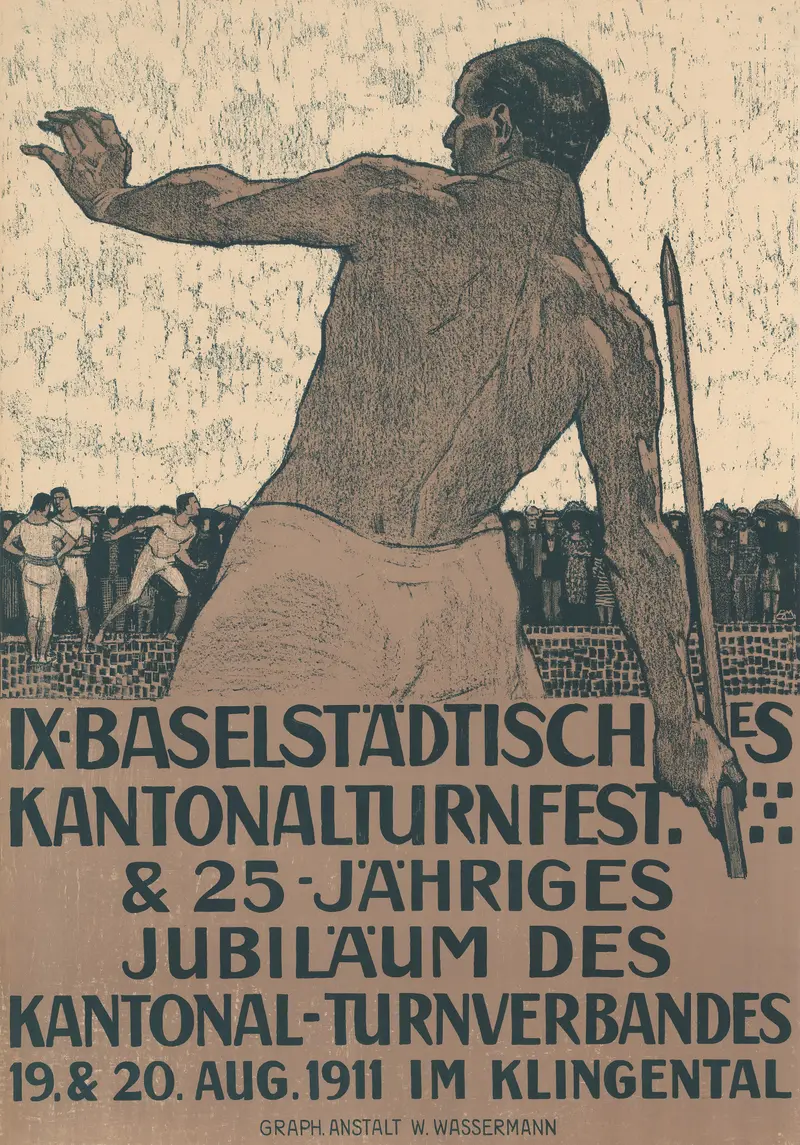
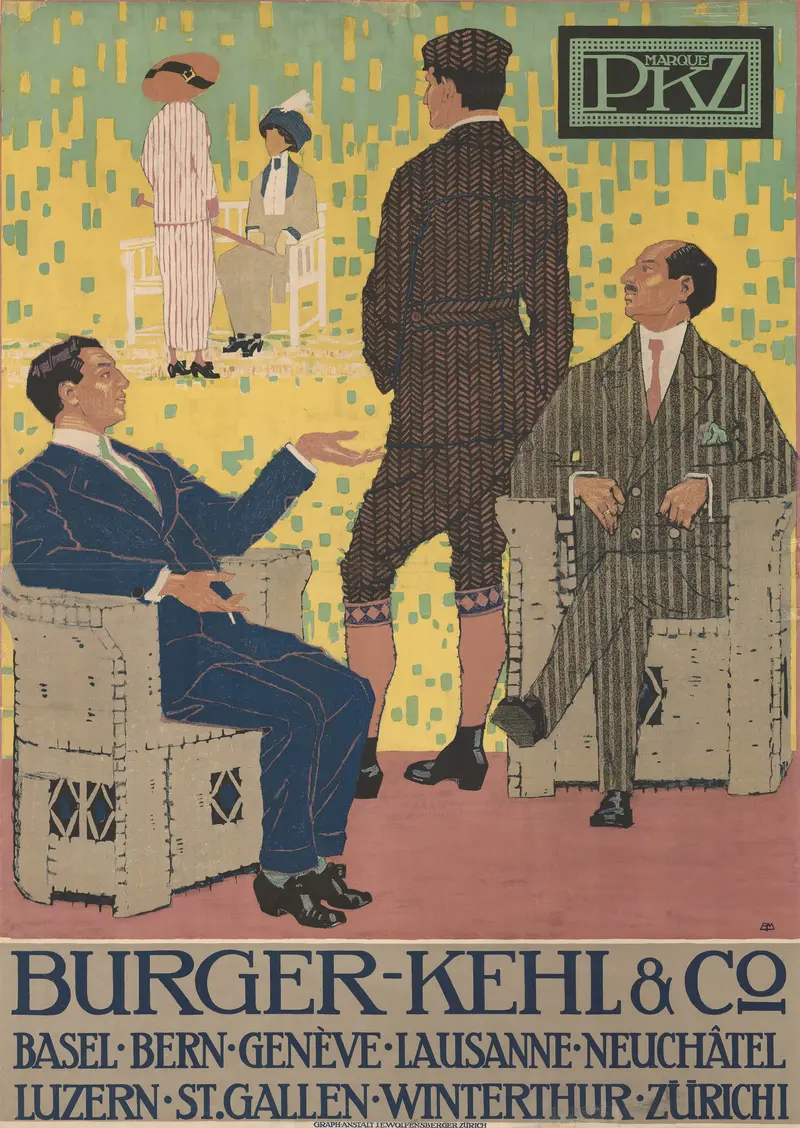
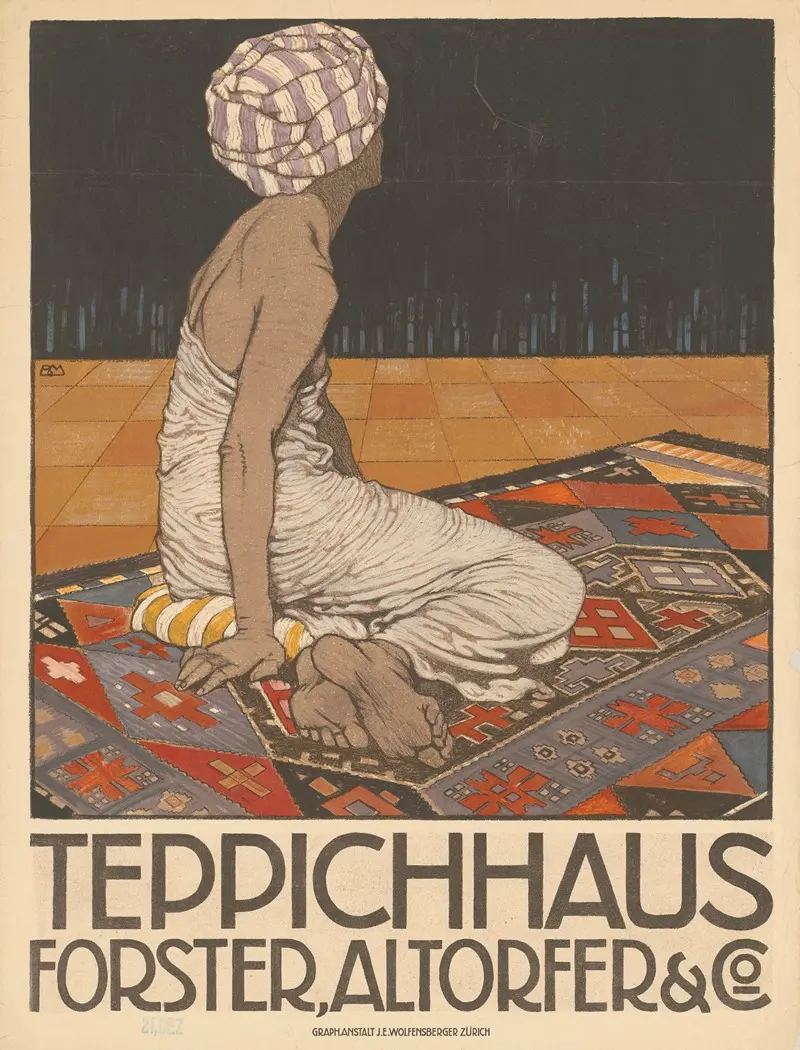
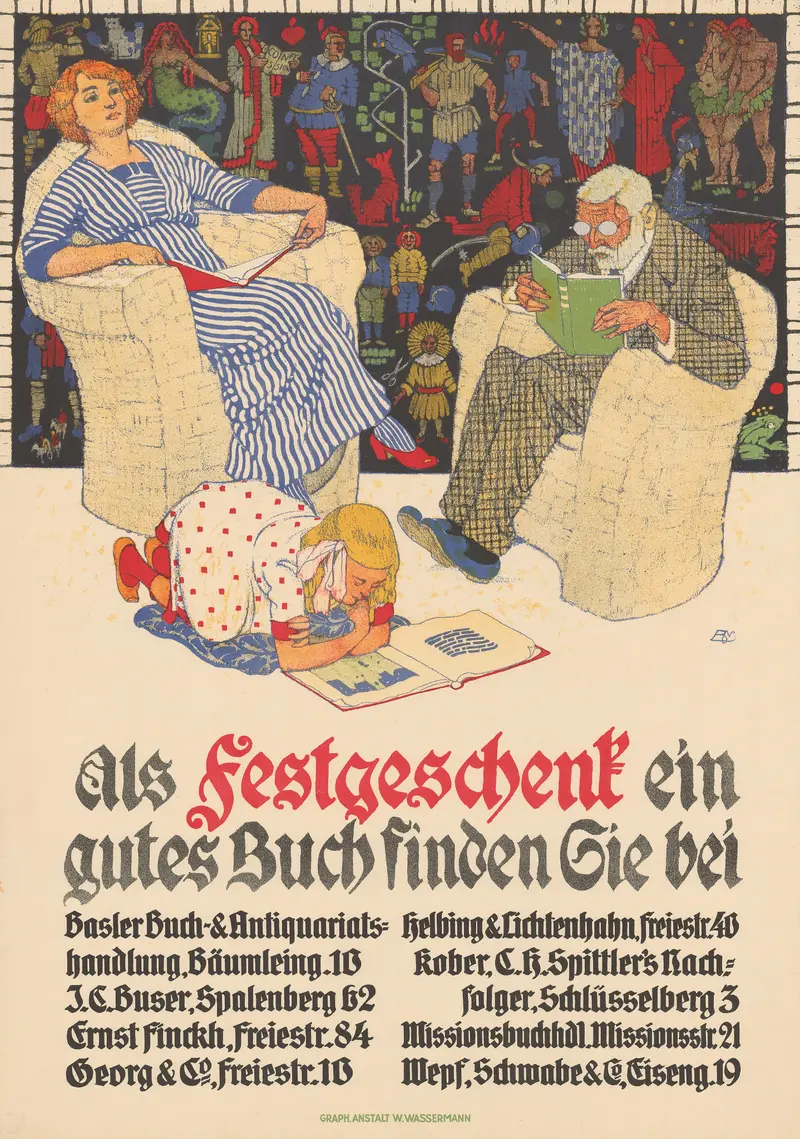
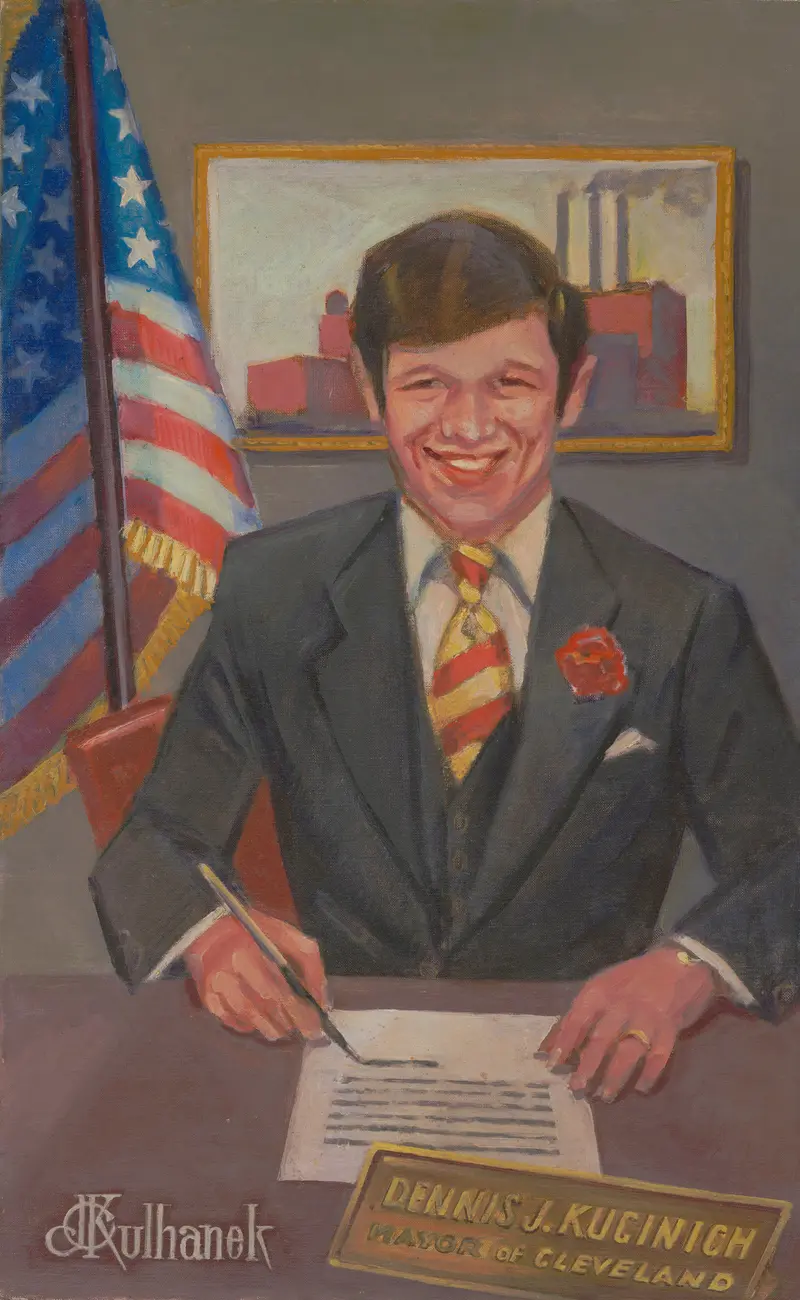

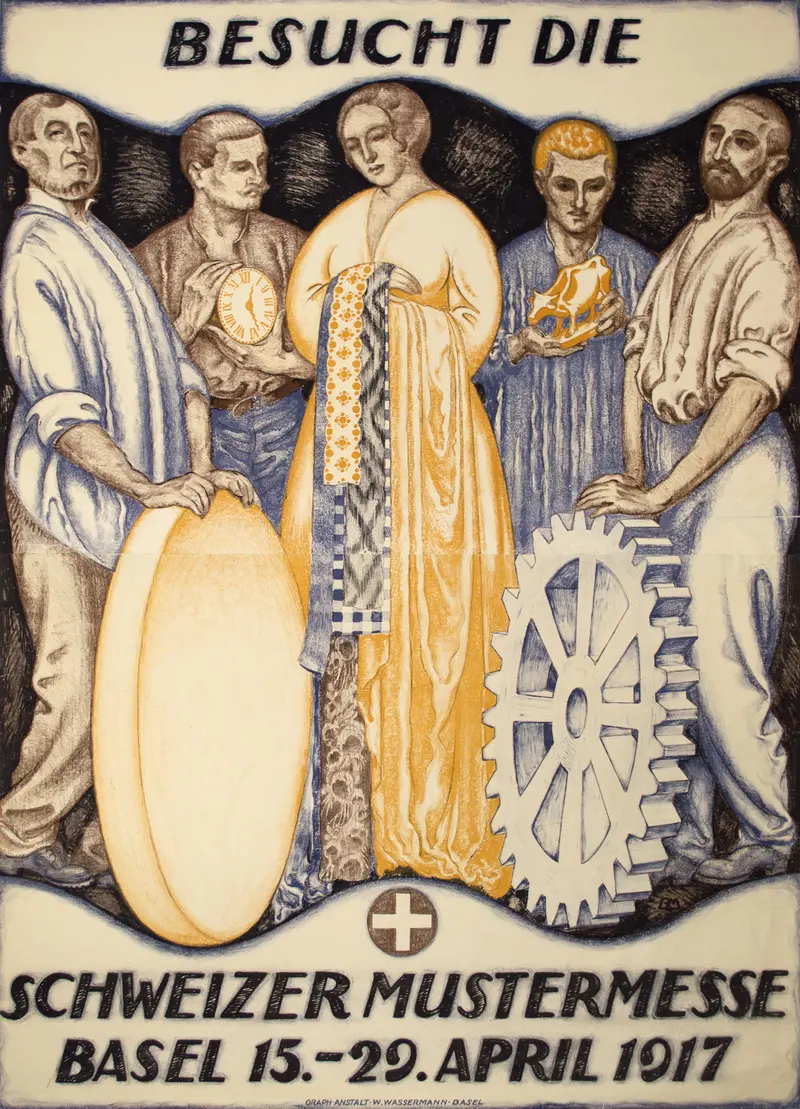
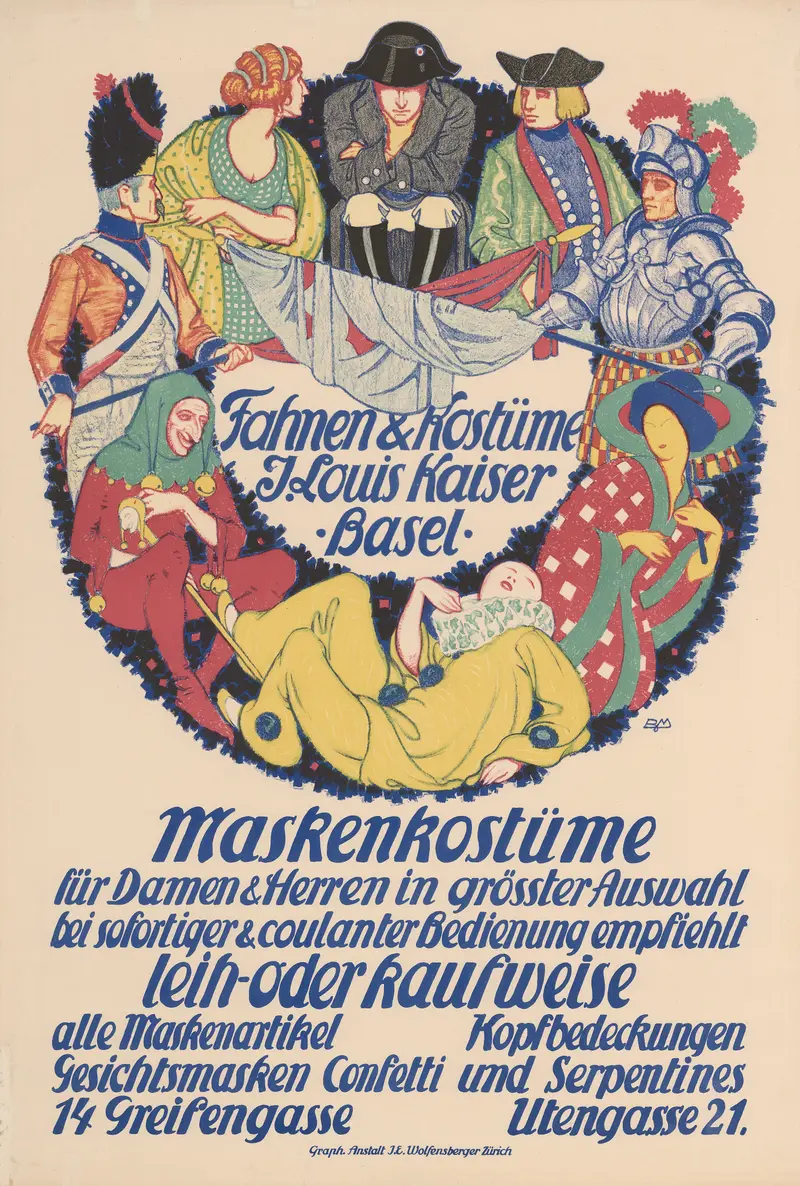


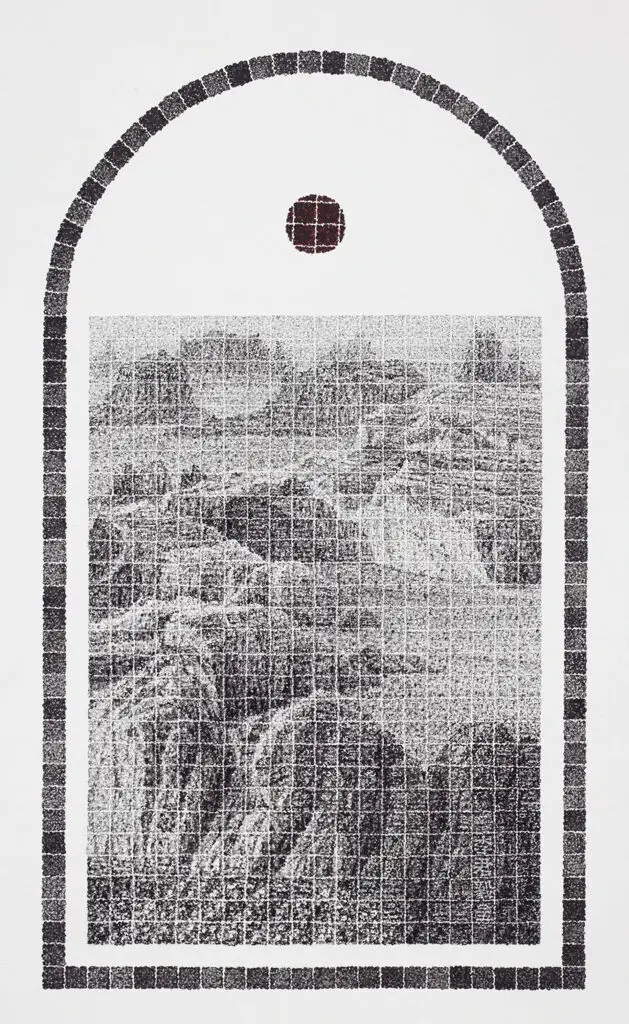

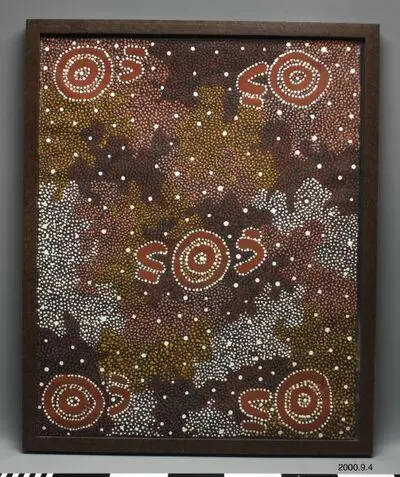
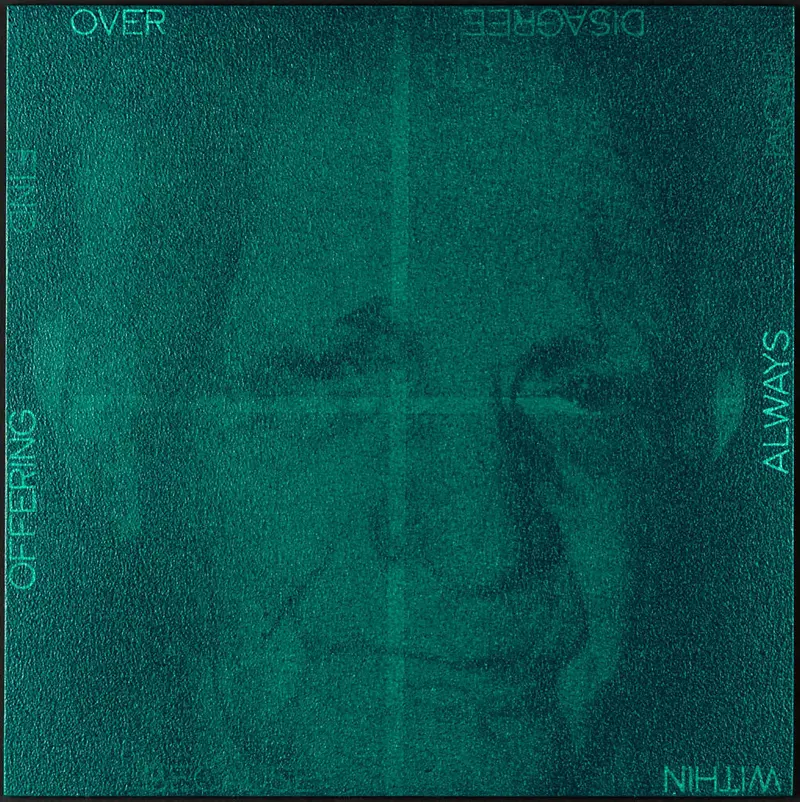

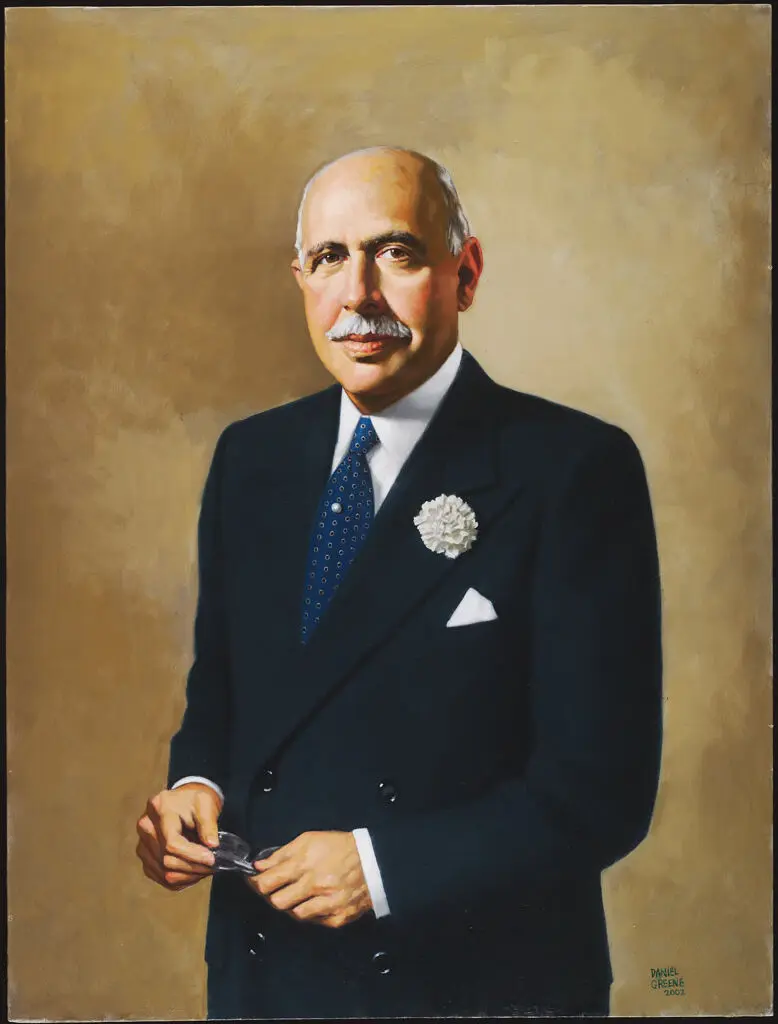


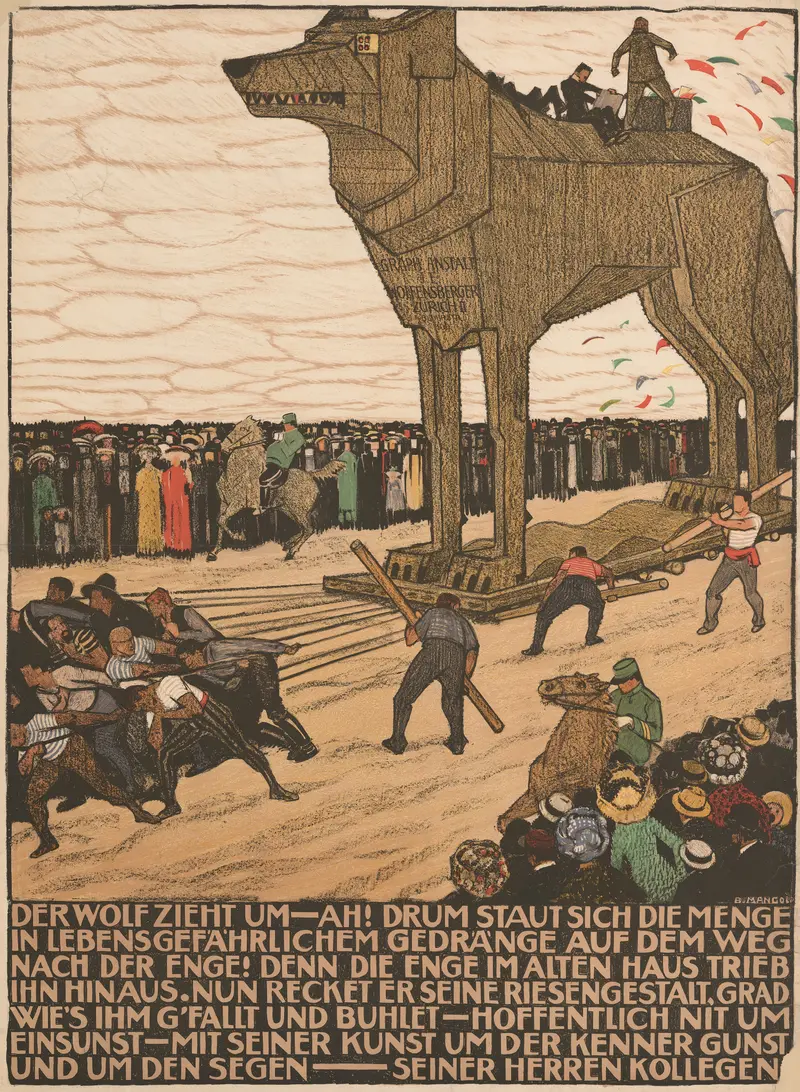

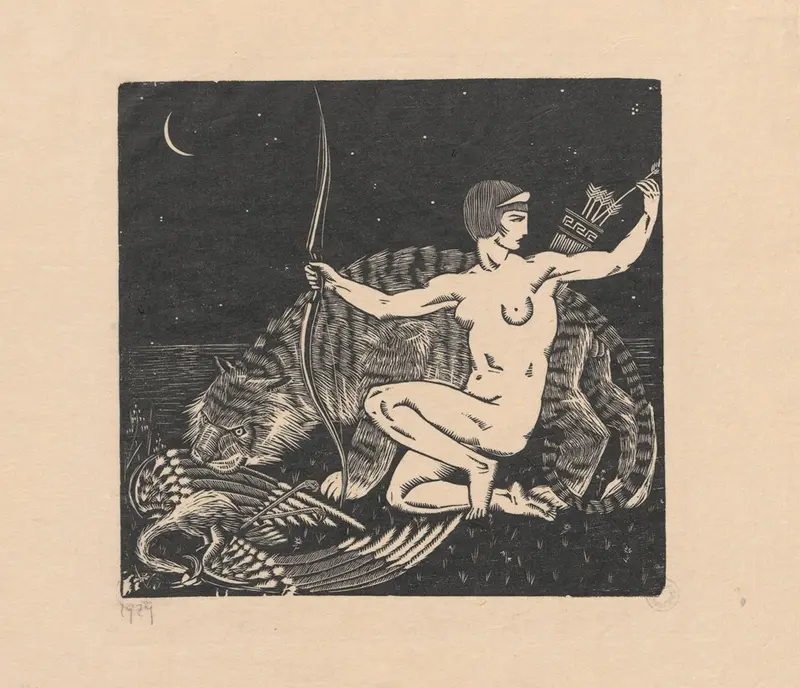

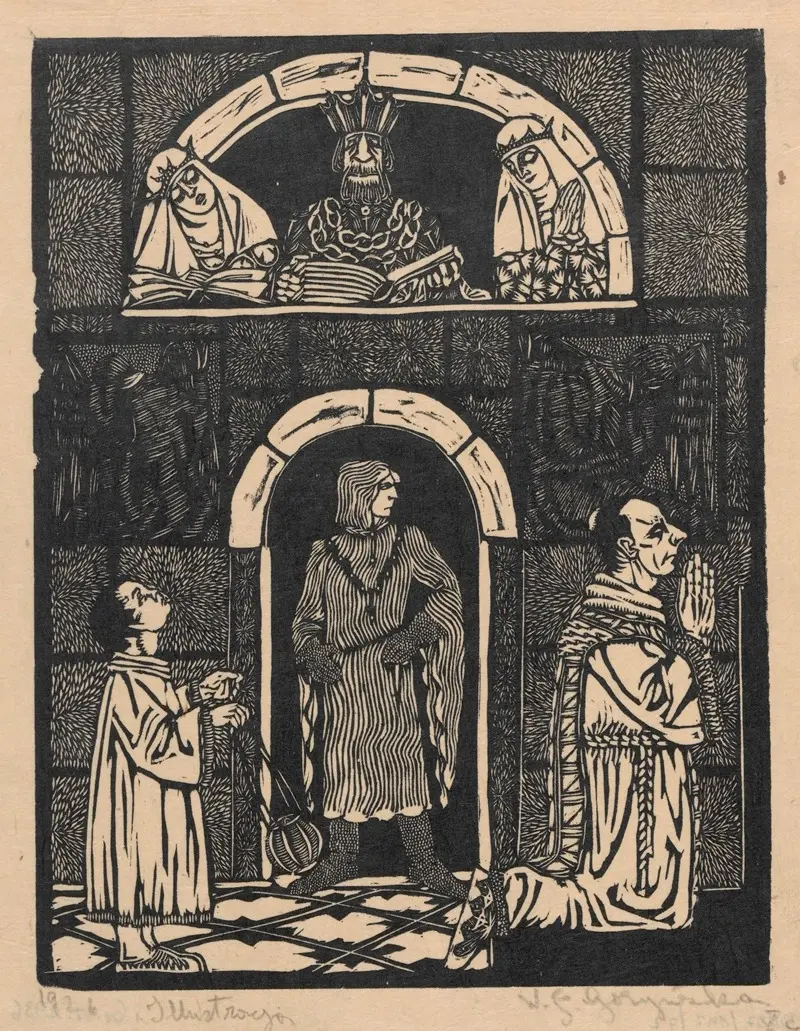
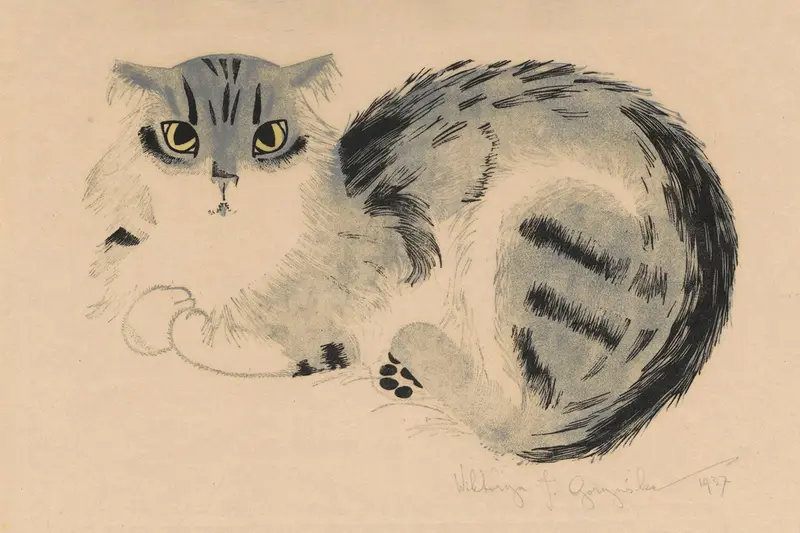
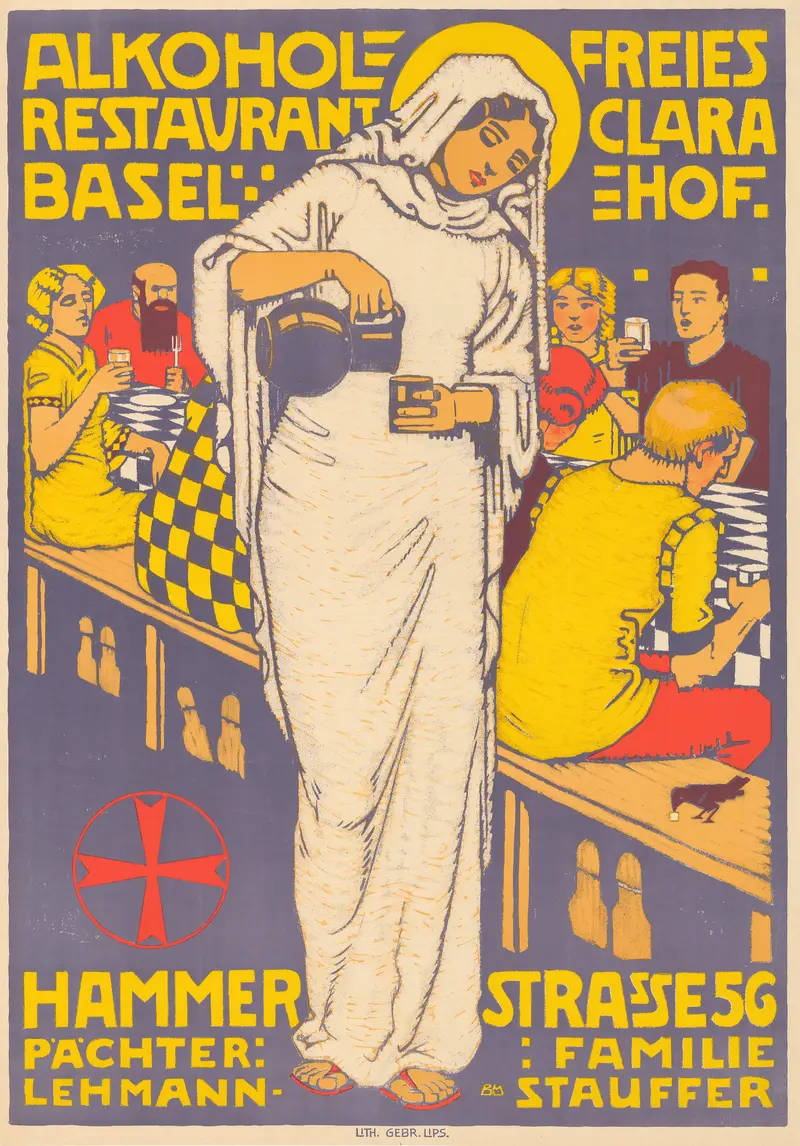
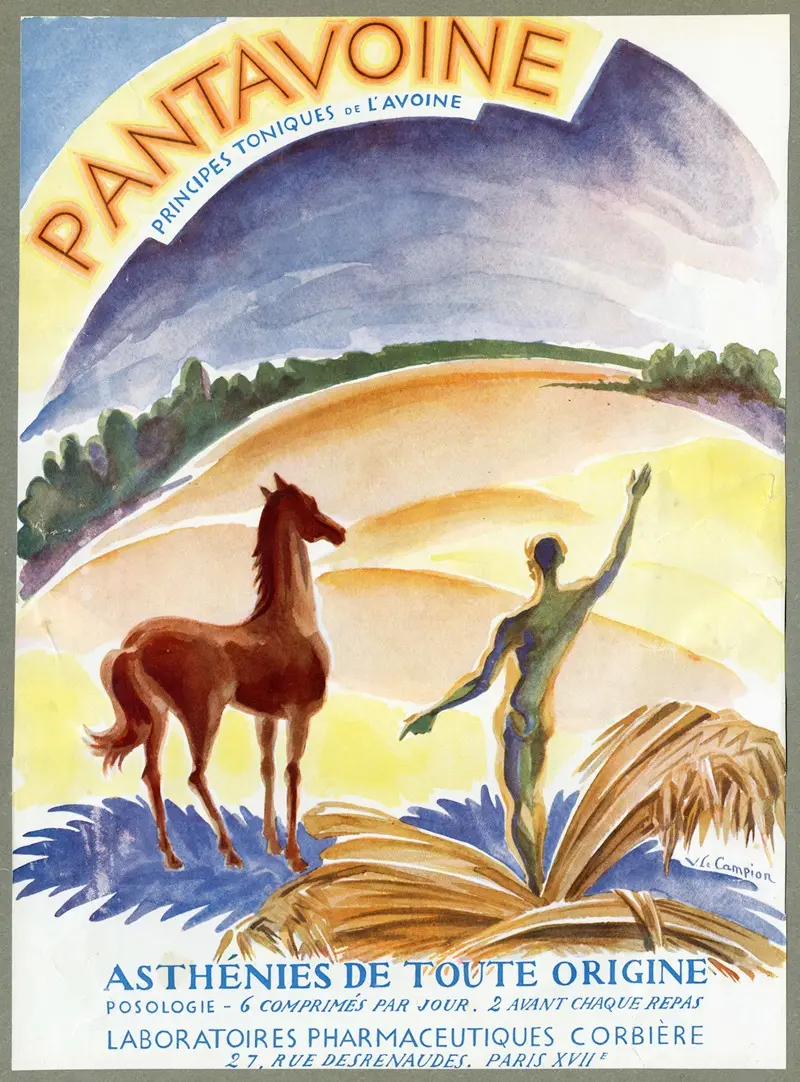
What came before contemporary art
 Modernismc. 1860s–1970s
 Cubismc. 1907–1914
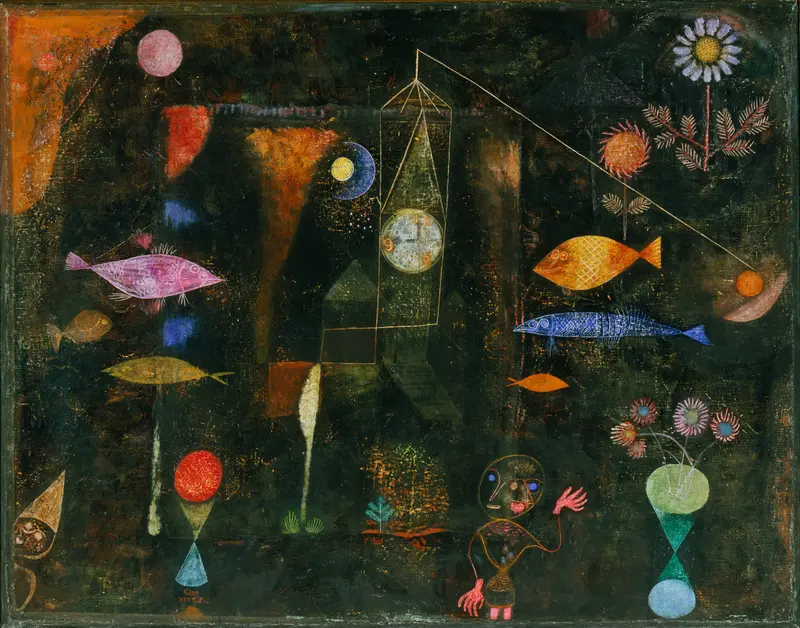 SurrealismFrom 1924
 Abstract Expressionism1940s–1950s
 Contemporary artc. 1970–today
Contemporary art vs modern art and pop art
| Compared | Modern art | Pop art | Contemporary art |
|---|---|---|---|
| When | c. 1860s–1970s | mid-1950s–1960s | c. 1970–today |
| What it is | A run of movements, from Courbet's realism to the abstract art of the 1960s | Art drawn from advertising, comics, film, packaging and pop music | The art of our own time: a period, not a style |
| Aim | A break with tradition, new forms and a belief in progress | A revolt against art-school taste, using popular and commercial images | No shared aim; often ideas first, mixed media, irony |
| Famous example | Malevich, Black Square | Lichtenstein, Whaam! | Ai Weiwei, Sunflower Seeds |
| Key artists | Matisse, Malevich, Mondrian, Kandinsky | Richard Hamilton, Andy Warhol, Roy Lichtenstein | Marina Abramović, Ai Weiwei, Yayoi Kusama, Damien Hirst |
| Public domain today | Much of it: works by artists who died by 1955 | No: Warhol died in 1987, Lichtenstein in 1997 | Almost none |
Contemporary art: questions and answers
What is contemporary art, and what does it mean?
Contemporary art means the art of the present day and the recent past. Tate describes it as art of the present day and of the relatively recent past, of an innovatory or avant-garde nature. The Getty's art vocabulary adds that the term refers only to the time when a work was made, not to a style, and that it is sometimes used more narrowly for art from about 1960 or 1970 to the present.
Sources: Tate: Contemporary art · Getty AAT: Contemporary (style of art)
When did contemporary art start?
Contemporary art is usually dated from about 1960 or 1970, but there is no fixed start. The Getty's art vocabulary gives about 1960 or 1970. Tate notes that museums choose differently: London's Institute of Contemporary Arts, founded in 1947, champions art from that year on, the New Museum of Contemporary Art in New York chooses 1977, and in the 1980s Tate planned a museum where contemporary meant the past ten years on a rolling basis. Tate dates the first use of the word postmodernism, for the period after modernism, to around 1970.
Sources: Getty AAT: Contemporary (style of art) · Tate: Contemporary art · Tate: Postmodernism
What is the difference between modern art and contemporary art?
Modern art is a run of movements that broke with tradition, from the realism of Gustave Courbet to the abstract art of the 1960s; contemporary art is simply the art of our own time, from about 1970 on. Tate describes modernism as built on experiment with form, a tendency toward abstraction and a belief in progress. The Getty's art vocabulary says “modern” implies a non-traditional style, while “contemporary” refers only to when a work was made, and that both terms are fluid.
Sources: Tate: Modernism · Getty AAT: Contemporary (style of art) · Tate: Postmodernism
Is contemporary art a movement?
No, contemporary art is a period, not a single movement or style. Tate says postmodernism, the art that followed modernism, has no one style or theory: it may be said to begin with pop art in the 1960s and to take in conceptual art, neo-expressionism, feminist art and the Young British Artists of the 1990s. Movements such as minimalism and conceptual art flourished in the 1960s and 1970s, and installation and performance became established ways of making art.
Sources: Tate: Postmodernism · Tate: Minimalism · Tate: Conceptual art · Tate: Performance art
What are the characteristics of contemporary art?
Contemporary art has no single look, but it often puts the idea first, mixes styles and media, borrows from popular culture and uses irony. Tate says postmodern art broke down the line between high and popular culture and between art and everyday life. In conceptual art the idea behind a work matters more than the finished object; installation art often fills a room that the viewer walks through; and performance art is made through actions by the artist or others. Tate says works made from everyday objects, such as Tracey Emin's My Bed (1998), can be described as readymades.
Sources: Tate: Postmodernism · Tate: Conceptual art · Tate: Installation art · Tate: Performance art · Tate: Readymade
Who are the famous contemporary artists?
The contemporary artists with encyclopedia entries in the most languages are Banksy, Marina Abramović, David Hockney, Yayoi Kusama, Fernando Botero, Keith Haring, Ai Weiwei and Jean-Michel Basquiat, counted in November 2026. Other widely known names include Joseph Beuys, Gerhard Richter, Louise Bourgeois, Anselm Kiefer, Cindy Sherman, Jeff Koons and Damien Hirst, whom Tate calls the most celebrated, or notorious, of the Young British Artists. Their works are still in copyright, so they are named here but not shown.
Sources: Tate: Young British Artists (YBAs) · Tate: Postmodernism
What are some famous contemporary artworks?
Among the best-known contemporary artworks are Antony Gormley's steel Angel of the North (1998) in England, Anish Kapoor's Cloud Gate (2004) in Chicago, Judy Chicago's The Dinner Party (1979) at the Brooklyn Museum and Damien Hirst's shark in formaldehyde, The Physical Impossibility of Death in the Mind of Someone Living (1991). Among paintings made since 1970, Banksy's Love is in the Bin (2018) and Hockney's Portrait of an Artist (Pool with Two Figures) (1972) have entries in the most languages. Tate holds Hockney's Mr and Mrs Clark and Percy (1970–71), Emin's My Bed (1998) and Ai Weiwei's Sunflower Seeds (2010).
Sources: Tate: David Hockney, Mr and Mrs Clark and Percy · Tate: Tracey Emin, My Bed · Tate: Ai Weiwei, Sunflower Seeds
Why can't I download contemporary art for free here?
Because it is still protected by copyright, and this site only offers works in the public domain. In the European Union and the UK, copyright in a painting lasts until 70 years after the artist's death; in the United States, works made since 1978 are protected for the artist's life plus 70 years. Museums follow the same rule: the Art Institute of Chicago, which gives away its public-domain images under CC0, says many of its artworks are covered by copyright and offers no download for them.
Sources: Your Europe (European Union): Copyright · GOV.UK: How long copyright lasts · Cornell University Library: Copyright Term and the Public Domain · Art Institute of Chicago: Open access images
When will contemporary art become public domain?
Each artist's work becomes public domain on January 1 after the 70th year from their death, in the European Union, the UK and other countries with the same rule. Andy Warhol died in 1987, so his work is protected there until the end of 2057; Jean-Michel Basquiat (died 1988) until the end of 2058; Keith Haring (died 1990) until the end of 2060; and David Hockney and Yayoi Kusama, who both died in 2026, until the end of 2096. Work by living artists will stay protected for decades.
Sources: Your Europe (European Union): Copyright · GOV.UK: How long copyright lasts · PBS NewsHour: David Hockney dies at 88 (June 2026) · OPB/NPR: Yayoi Kusama has died at 97 (August 2026)
Is any contemporary art in the public domain?
Very little. An artist or their heirs can give up their rights with a public domain dedication such as CC0, which Creative Commons describes as a way to waive all copyright to the fullest extent the law allows, but few do. Museums that release images under CC0, such as the Art Institute of Chicago, limit this to works already in the public domain. A license is not the same thing: an artist's family may share images under a license such as CC BY-SA, which still requires credit and the same license.
Sources: Creative Commons: Public domain tools (CC0) · Art Institute of Chicago: Open access images
Who are famous contemporary female artists?
The women artists of our time with encyclopedia entries in the most languages are Marina Abramović, Yayoi Kusama, Louise Bourgeois and Cindy Sherman, followed by Shirin Neshat, Judy Chicago, Tracey Emin, Bridget Riley and Marlene Dumas. Tate names Agnes Martin among the leading minimalists of the 1960s and 1970s, and shows the Guerrilla Girls' 1989 poster asking “Do Women Have To Be Naked To Get Into the Met. Museum?” as an example of postmodern art.
Sources: Tate: Minimalism · Tate: Postmodernism
Who are famous contemporary portrait painters?
Famous portrait painters of our time include David Hockney, Lucian Freud, Marlene Dumas and Jenny Saville, and Kehinde Wiley and Amy Sherald, who painted Barack and Michelle Obama's portraits for the Smithsonian's National Portrait Gallery in 2018. Tate holds Hockney's double portrait Mr and Mrs Clark and Percy (1970–71), and Freud's Benefits Supervisor Sleeping (1995) is among the best-known contemporary paintings. All of them are still in copyright.
Where can you see contemporary art?
In museums of modern and contemporary art around the world. Tate, whose galleries include Tate Modern in London, holds the national collection of British art and of international modern and contemporary art. Tate also points to London's Institute of Contemporary Arts, founded in 1947, and New York's New Museum of Contemporary Art. The Whitney Museum of American Art in New York, whose collection includes Jean-Michel Basquiat, runs the Whitney Biennial, the longest-running survey of American art.
Sources: Tate: About us · Tate: Contemporary art · Whitney Museum of American Art: About
How we chose the artists and works named here
This page shows no famous contemporary artworks. Almost all contemporary art is still protected by copyright, and this site only offers works in the public domain, so the artists and works are named in the text and none of their images is used. The pictures in the timeline are older public-domain works that stand for the movements before it; for contemporary art itself we use Malevich's White on White (1918), a forerunner that Tate counts among the first works to reduce painting to its simplest form.
The artists and works named here are those with encyclopedia entries in the most languages, counted on Wikidata in November 2026. We counted about 50 artists named in Tate's guides to contemporary art, postmodernism, conceptual art, minimalism, installation and performance art and the Young British Artists, or classed as contemporary on Wikidata, and kept those whose best-known work dates from about 1970 on. For artworks, we counted those artists' best-known works and every painting on Wikidata dated 1970 or later.
Dates and places come from the museums' own records, Tate's art terms and Wikidata. The copyright terms are those of the European Union, the UK and the United States.
Spotted a mistake? Tell us and we will correct it.