
Snow — History & Facts
In a world often dominated by drab shades, a master’s color palette breathes life into the winter landscape, transforming snow into an entity of emotion. Look to the center where the soft, spirited brushstrokes converge, revealing a lively flurry of white and bluish tones. The artist's deft hand captures the essence of snow, its texture almost palpable. Notice how the shadows dance beneath the trees, suggesting not just depth but also life hidden beneath the surface.
The variations in hue evoke a serene yet lively atmosphere, a silent homage to nature’s playful spirit. Beneath the surface of this seemingly simple scene lies a contrast between the tranquil beauty of winter and the bustling life it envelops. The interplay of light and shadows suggests both warmth and cold, hinting at unseen narratives of those who traverse this landscape. The rhythmic patterns in the snow invite contemplation, evoking memories of fleeting moments and the passage of time, while the vibrant colors challenge one’s perception of a typically monochrome season. In the early 1900s, while living in London, the artist created this piece during a time of significant change in the art world, moving away from traditional representation toward more expressive forms.
It reflects his mastery of light and color, serving as a bridge between Impressionism and the emerging modern art styles. During this period, he sought to capture not just the visual elements of winter, but the emotional landscape they inspire.
More Artworks by John Singer Sargent
Browse all →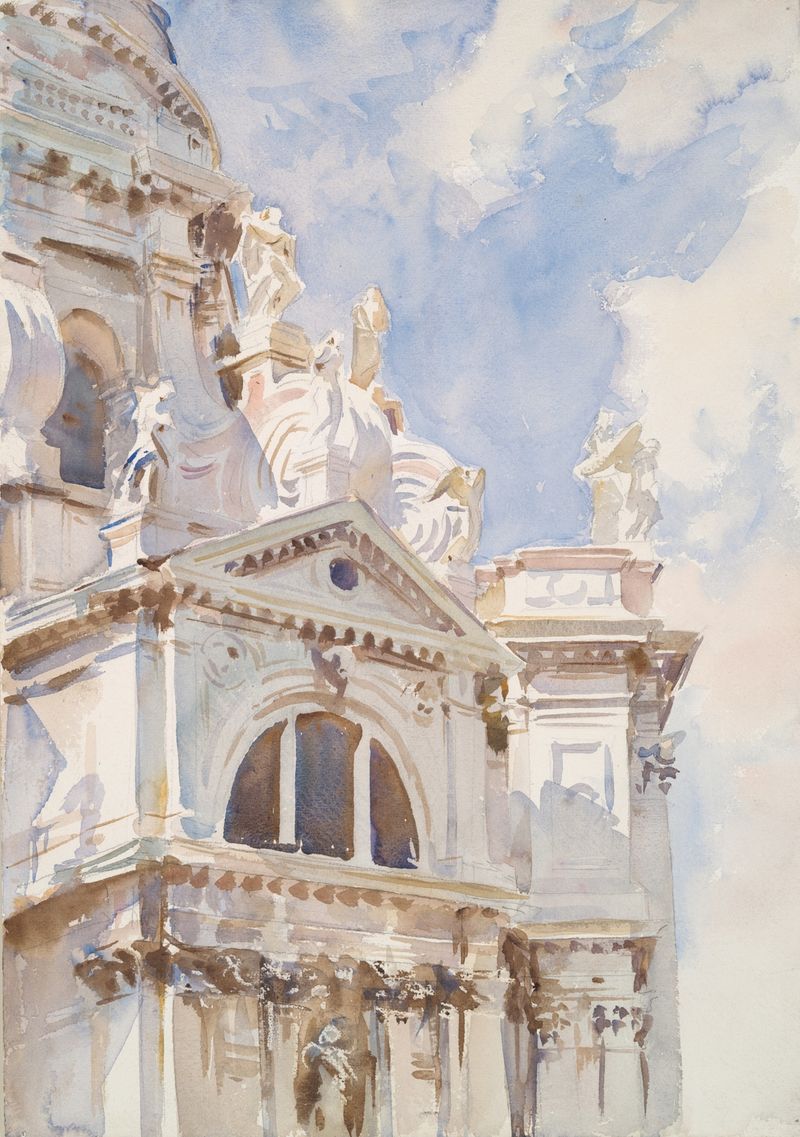
The Salute, Venice
John Singer Sargent

Mrs. Charles Deering (Marion Denison Whipple)
John Singer Sargent
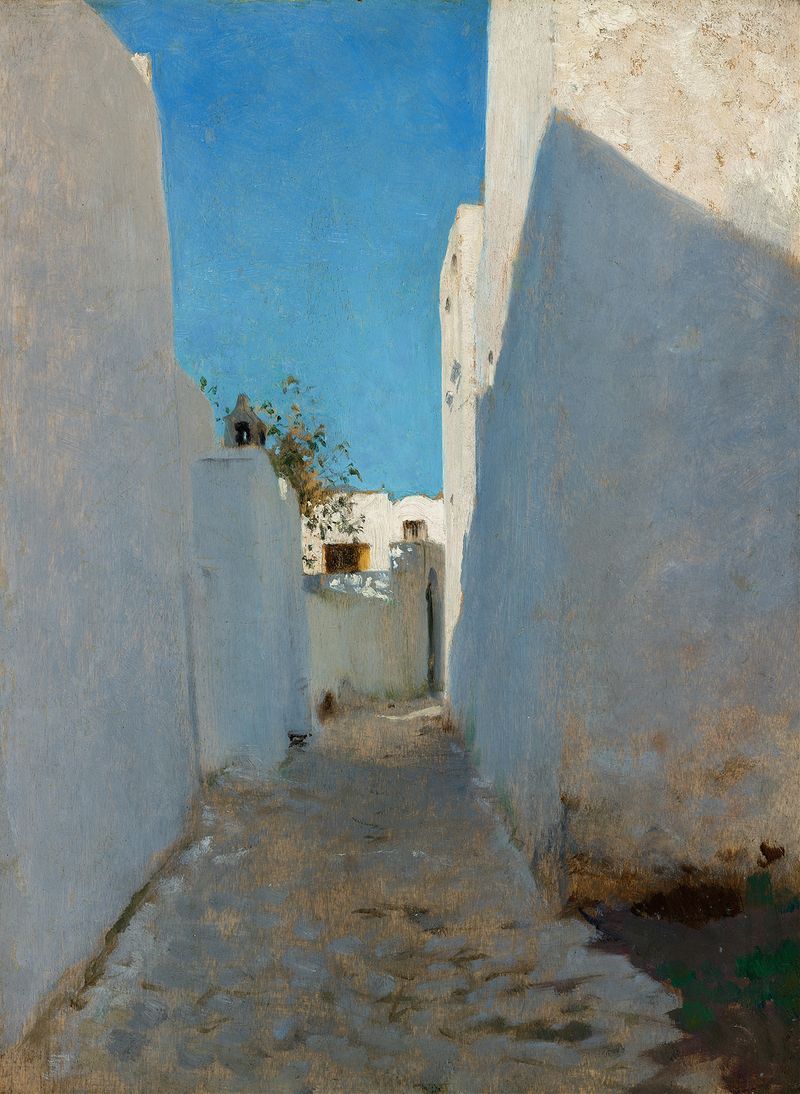
A Moroccan Street Scene
John Singer Sargent
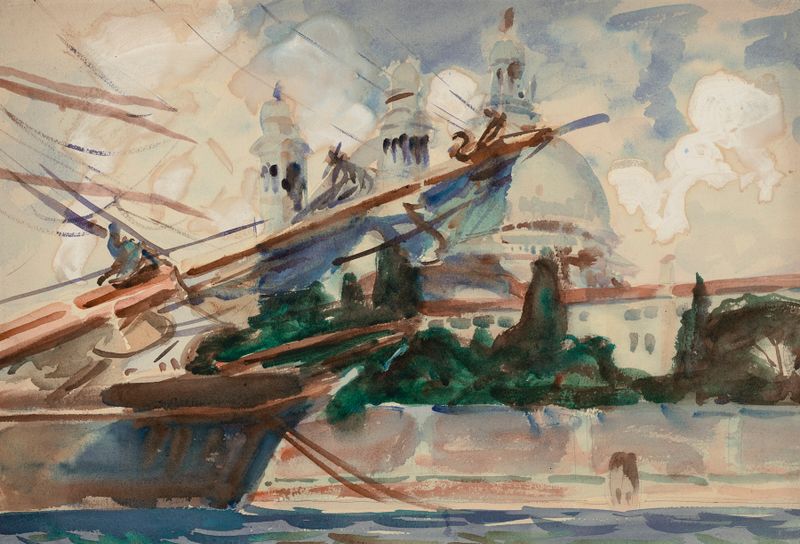
The Salute, Venice
John Singer Sargent
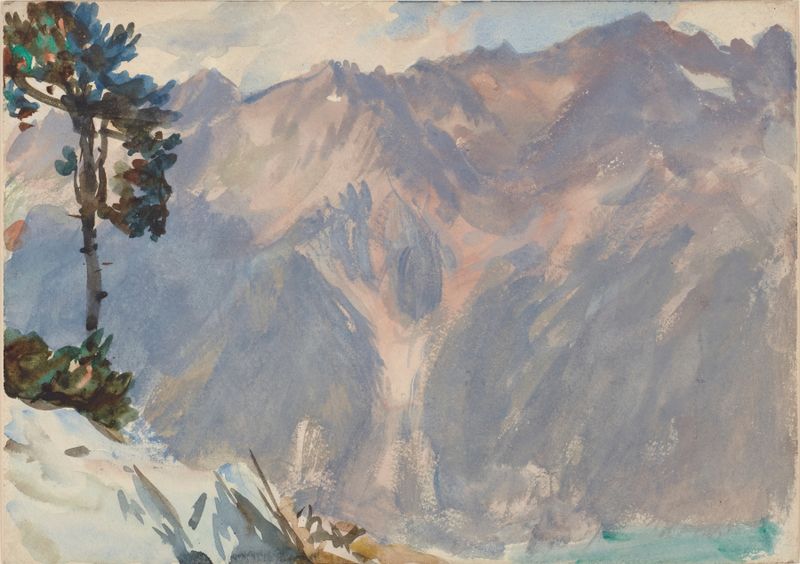
Tyrol
John Singer Sargent
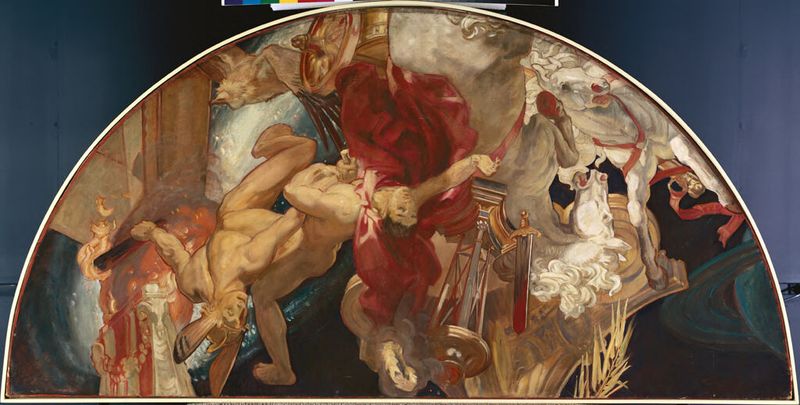
Study for "Gog and Magog," for the Boston Public Library
John Singer Sargent
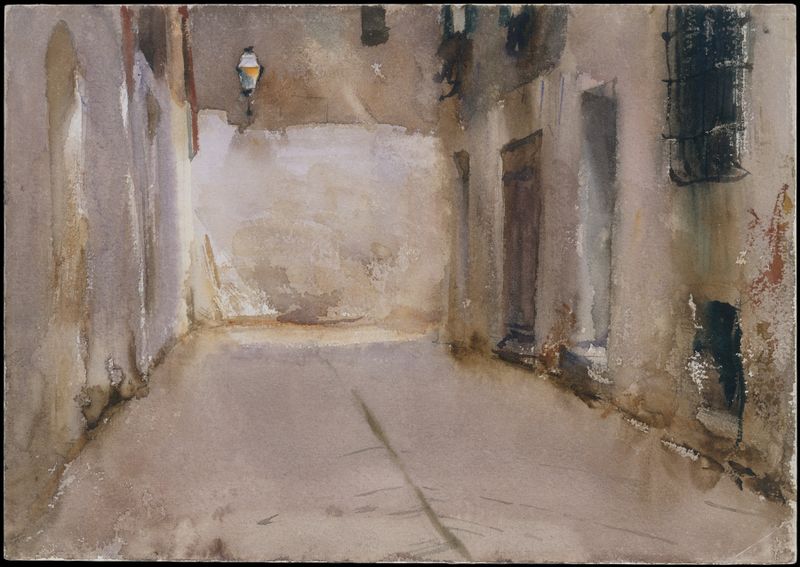
Venice
John Singer Sargent
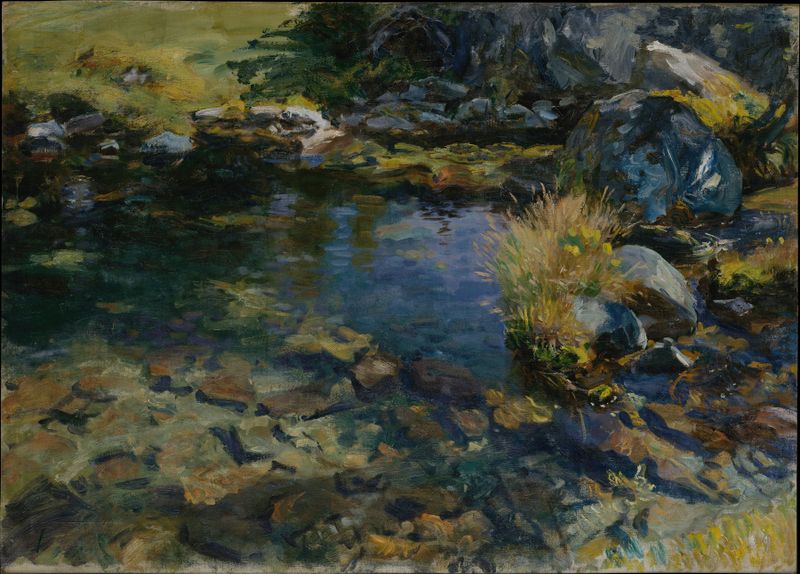
Alpine Pool
John Singer Sargent
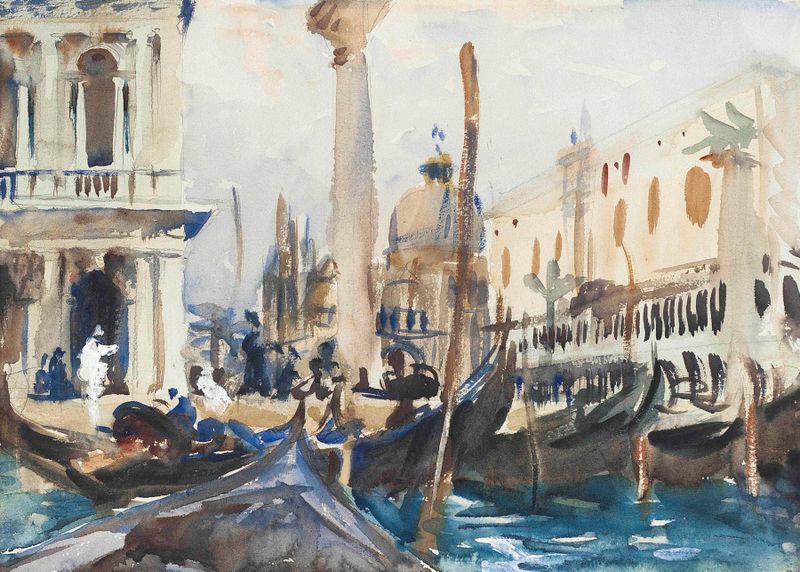
The Piazzetta with Gondolas
John Singer Sargent
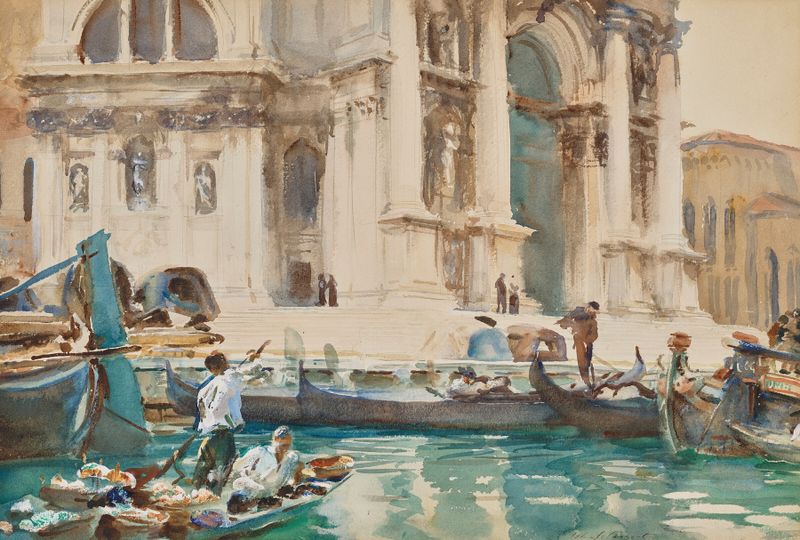
The Façade of La Salute, Venice
John Singer Sargent





