
Soap Works, Mystic River — History & Facts
Could beauty survive in a century of chaos? Soap Works, Mystic River invites this contemplative question, seamlessly weaving together the fragility of existence and the resilience of nature amidst industrial progress. Look to the left at the gentle rippling of the Mystic River, where the water's surface reflects the soft hues of the sky. Notice how the artist captures the luminous quality of early morning light, playing against the muted tones of the factory in the background. The juxtaposition of the organic river and the rigid structure of the soap works creates a dialogue between serenity and industrialization, inviting the viewer to explore the emotional landscape of this scene. Hidden within this visual narrative lies a poignant tension, where the river serves as a symbol of endurance against the harsh realities of human enterprise.
The delicate brushstrokes convey a sense of nostalgia, hinting at a time when nature thrived unchallenged. Meanwhile, the factory’s looming presence captures the inevitable encroachment of progress, suggesting a profound loss of innocence and beauty amid the relentless march of modernity. Created in the late 19th to early 20th century, this piece emerged during a pivotal moment in American art and industry. Denman Waldo Ross was deeply engaged in the exploration of color theory and impressionism, seeking to depict the world through a lens that illuminated both its beauty and its complexities.
This artwork reflects not only his personal artistic journey but also the broader cultural shifts of an era grappling with rapid change and the paradox of industrial advancement.
More Artworks by Denman Waldo Ross
Browse all →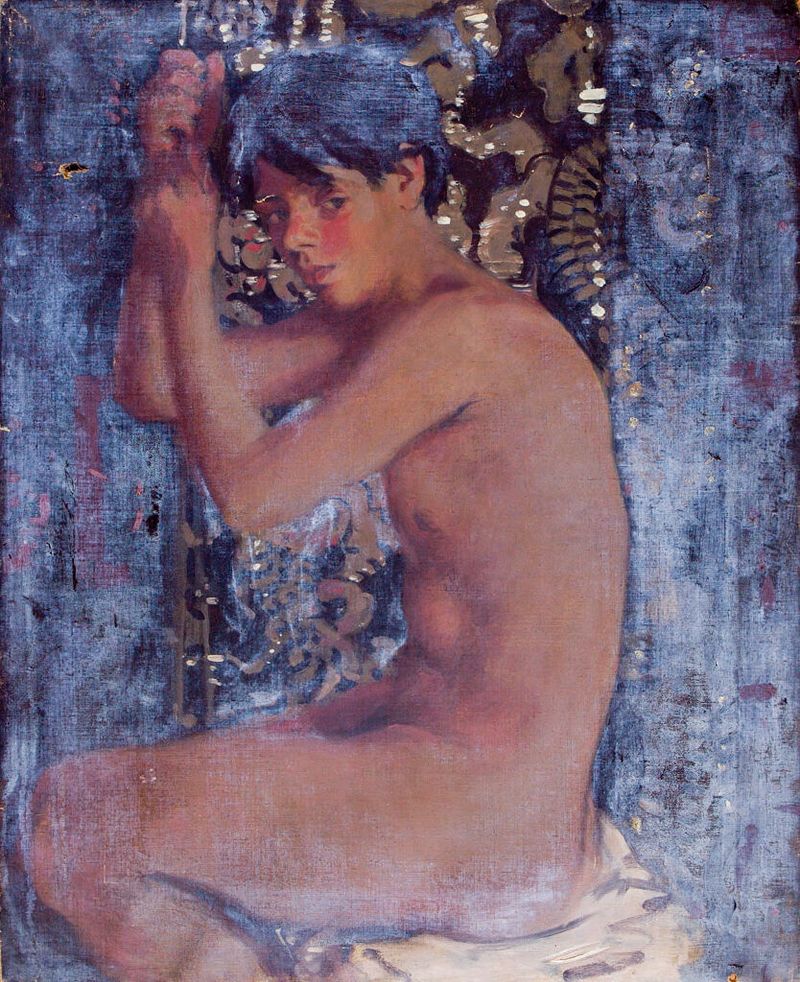
Portrait of a Seated Young Man
Denman Waldo Ross
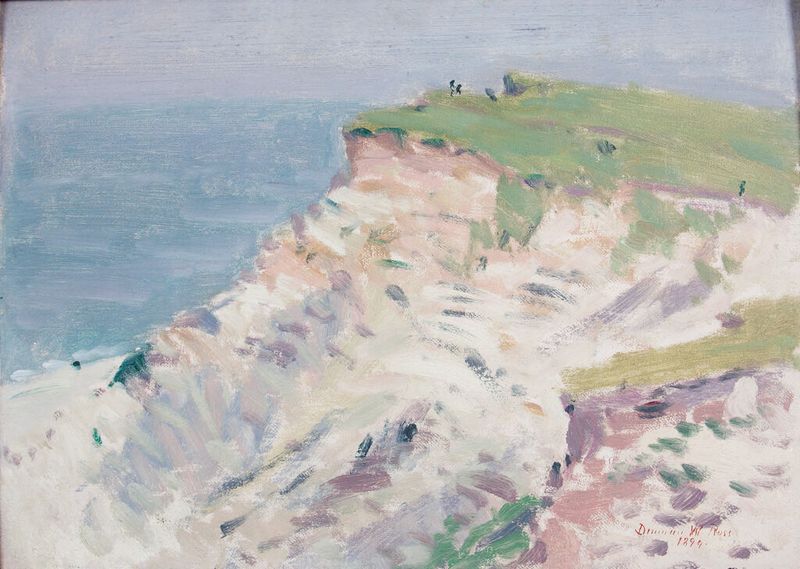
Highland Light, North Truro, Massachusetts
Denman Waldo Ross
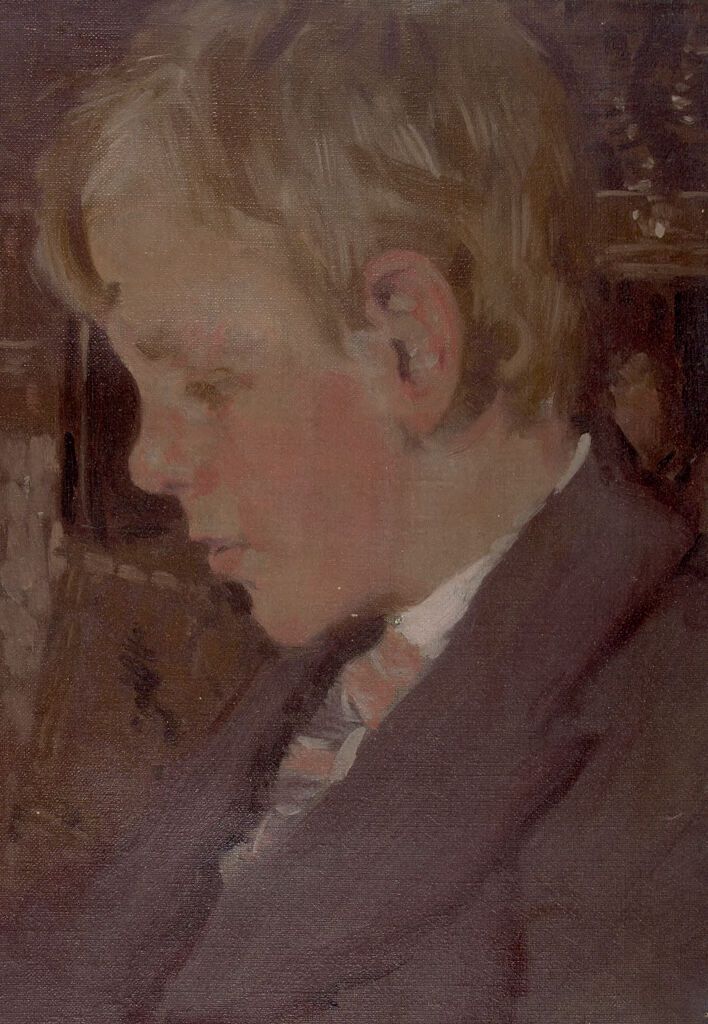
Profile Portrait of a Boy in Suit and Tie
Denman Waldo Ross
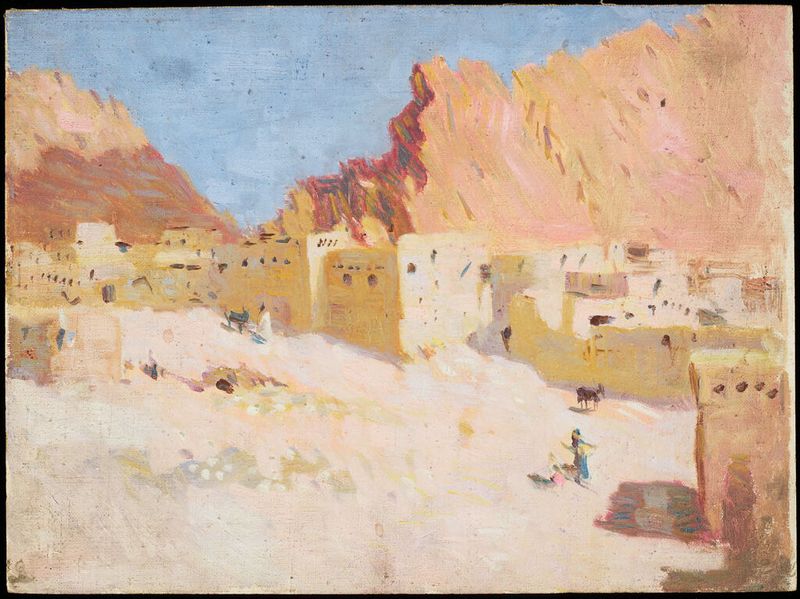
El Kantara, Near Biskra, Algeria
Denman Waldo Ross
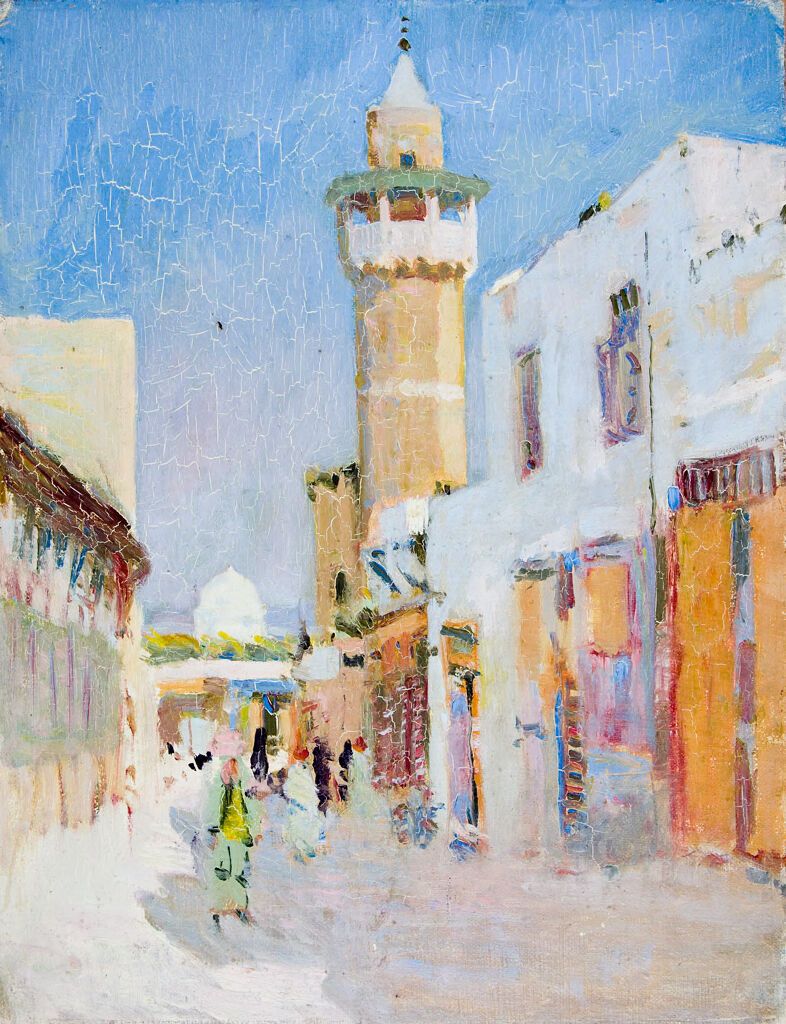
Tunis Street Scene
Denman Waldo Ross
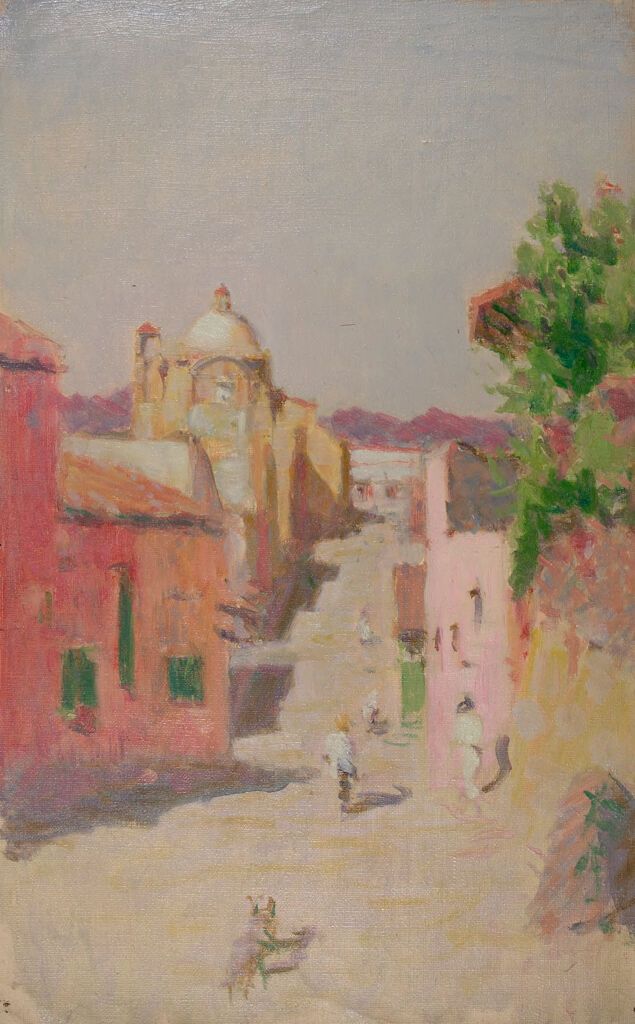
Street Scene with Animal and Figures
Denman Waldo Ross
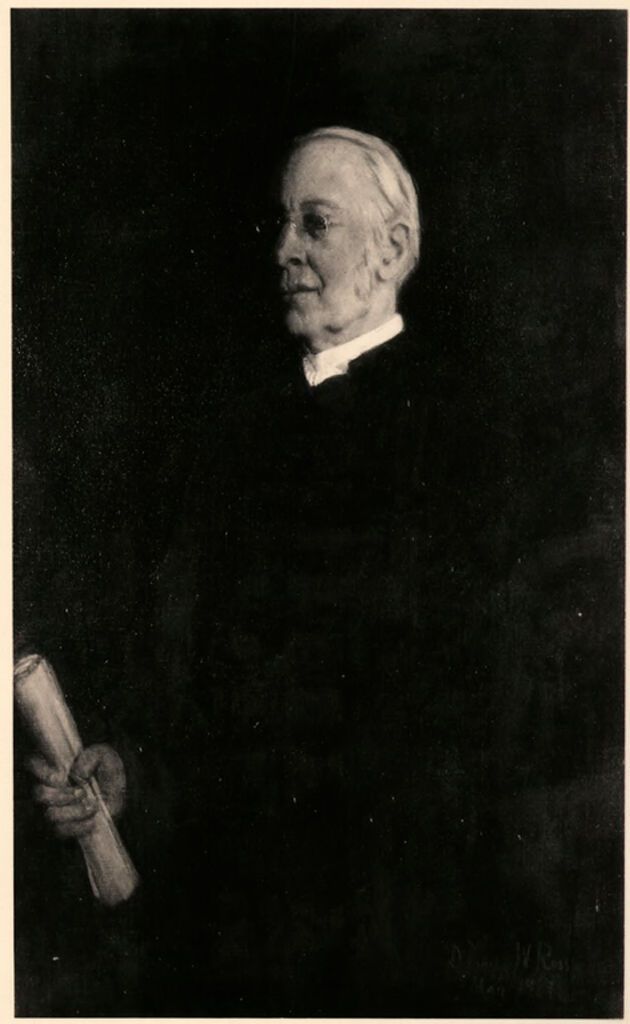
Charles William Eliot (1834-1926)
Denman Waldo Ross
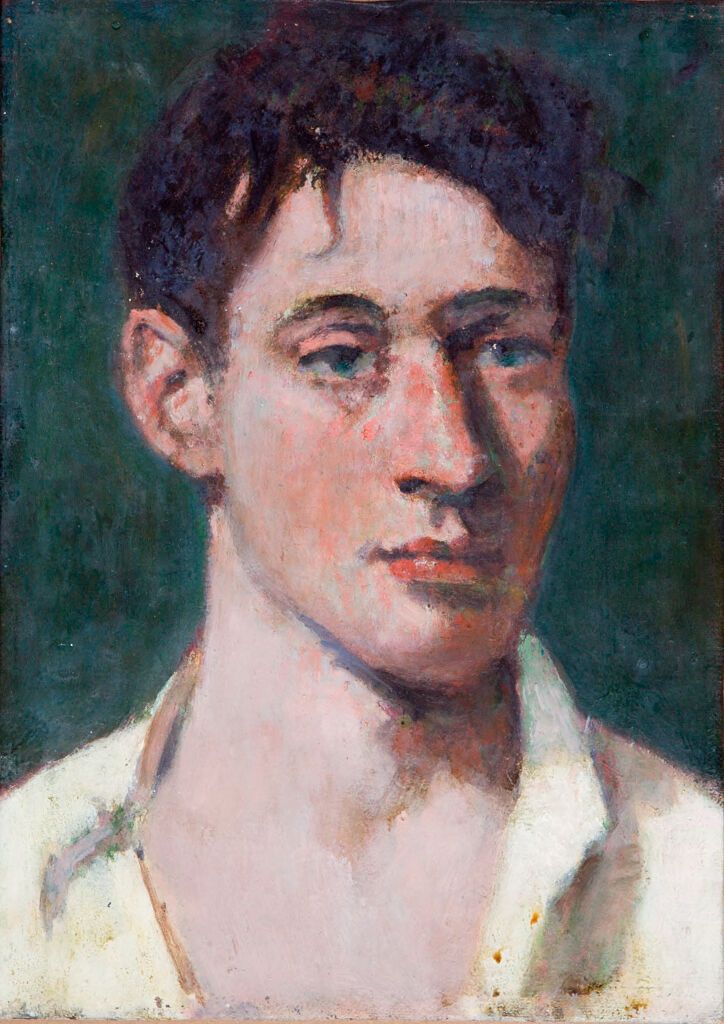
Portrait of a Young Man in White Shirt
Denman Waldo Ross
Village Near Arequipa, Peru
Denman Waldo Ross

York Harbor, Maine
Denman Waldo Ross





