
Solitude — History & Facts
In Solitude, the viewer sees a solitary figure seated in a tranquil setting. The colors are soft and muted, with warm earth tones dominating the palette. The background features a gentle landscape that adds to the sense of peace.
The figure's posture and expression convey a deep sense of introspection and calm. The painting is executed in oil on canvas, showcasing Leighton's skillful brushwork and attention to detail. The dimensions are approximately 100 x 150 cm, making it a substantial work that invites close examination. The use of light and shadow enhances the three-dimensionality of the figure and the surrounding environment.
Viewers can appreciate the texture of the fabric and the subtle variations in color throughout the piece. Frederic Leighton was a prominent figure in the Victorian art scene, known for his classical themes and exquisite technique. 'Solitude' reflects his interest in the human condition and the exploration of emotional states. An interesting fact about this work is that it was likely influenced by Leighton's travels to the Mediterranean, where he found inspiration in the serene landscapes and the contemplative nature of his subjects.
This painting exemplifies his ability to blend realism with a romantic sensibility.
More Artworks by Frederic Leighton
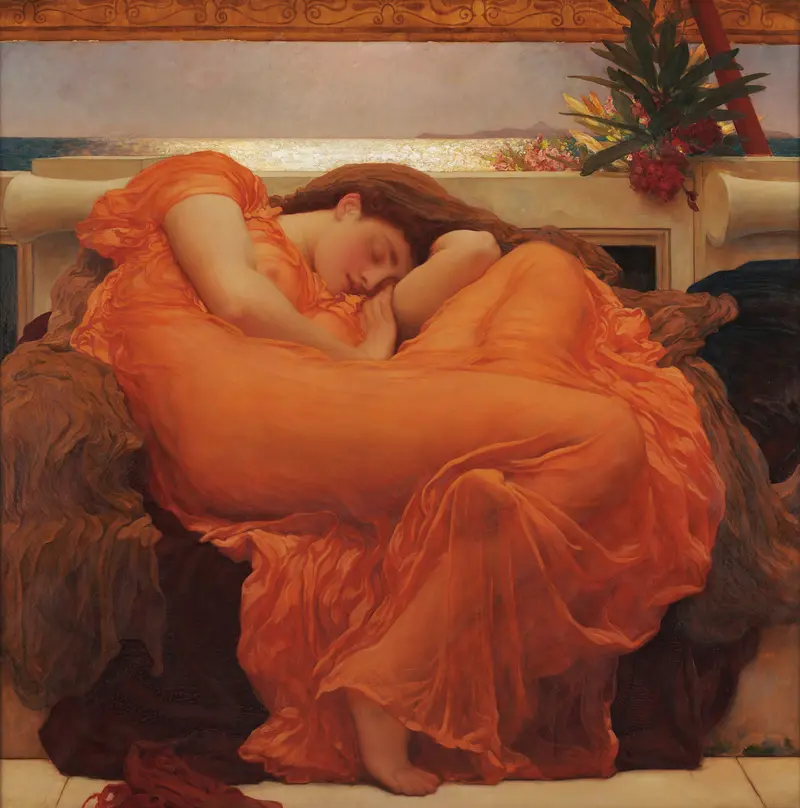
Flaming June
Frederic Leighton
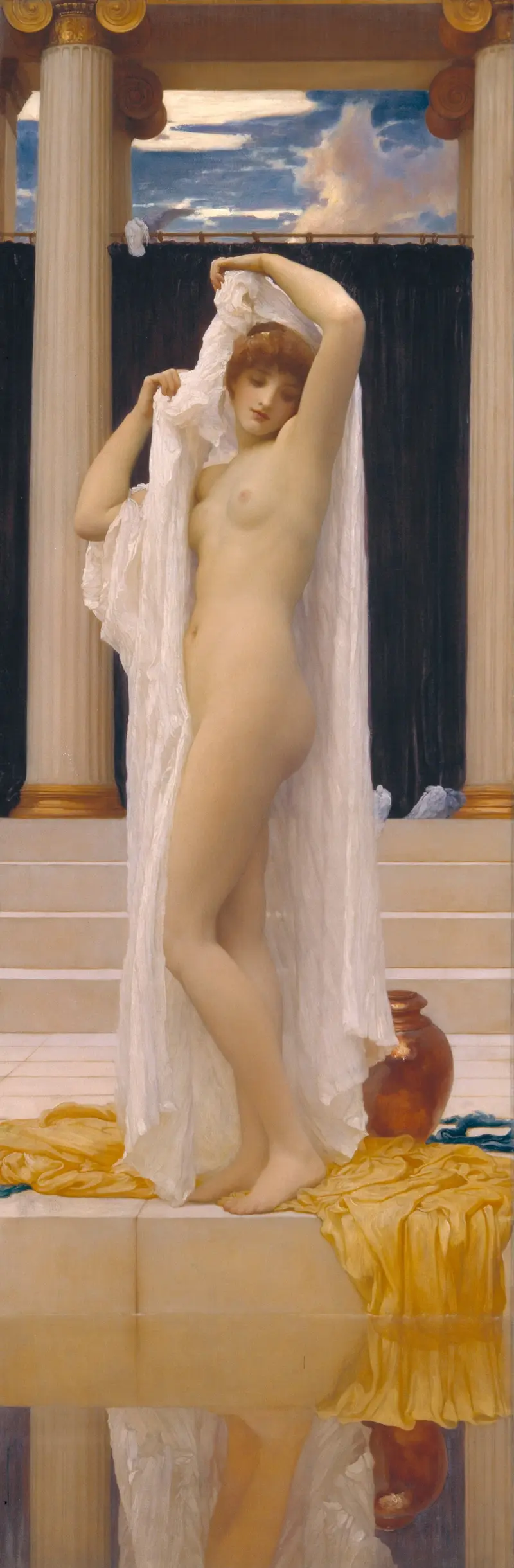
The Bath of Psyche
Frederic Leighton
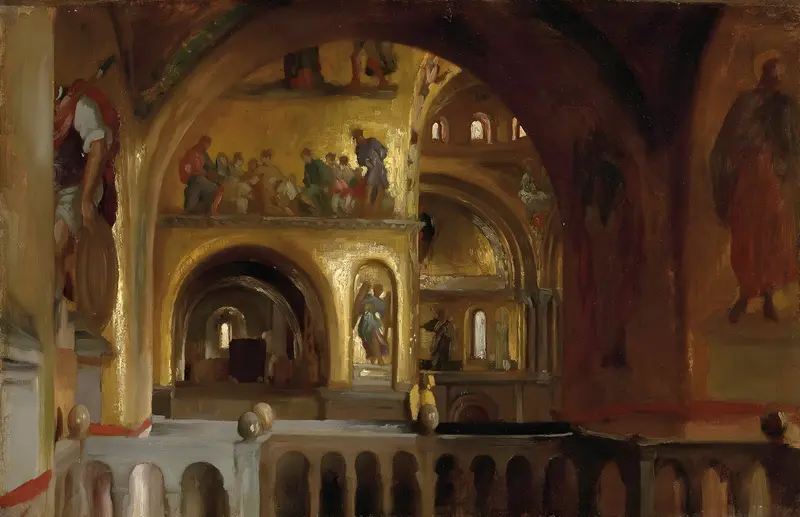
The Interior of St Mark’s Basilica, Venice
Frederic Leighton

Portrait of May Sartoris, Mrs Henry Evans Gordon
Frederic Leighton
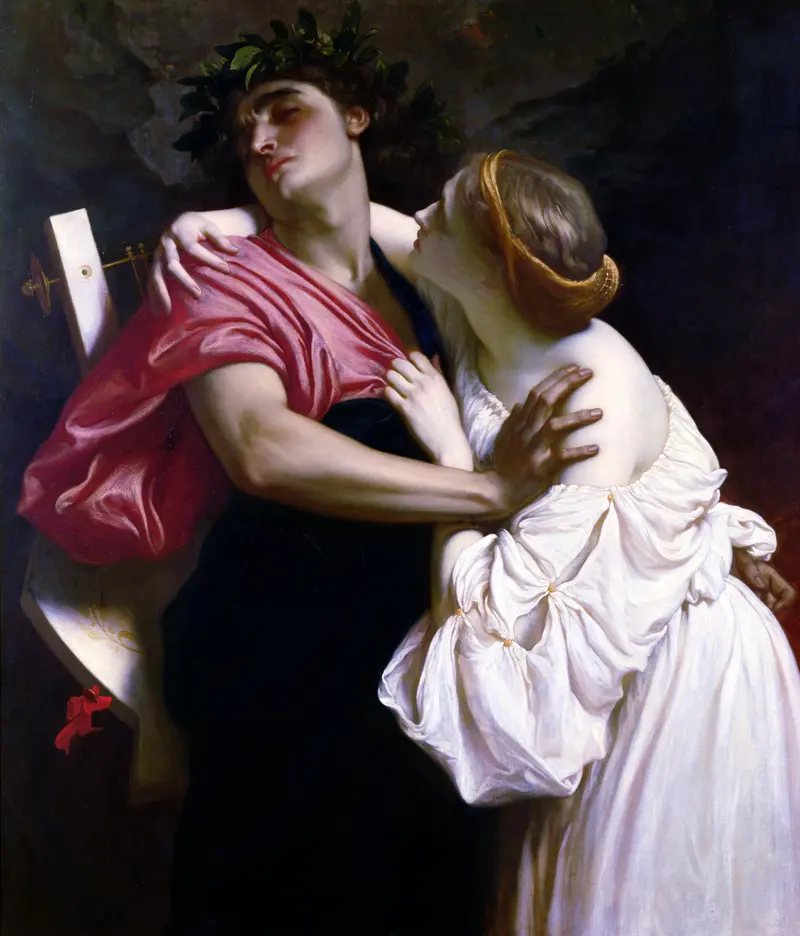
Orpheus And Eurydice
Frederic Leighton
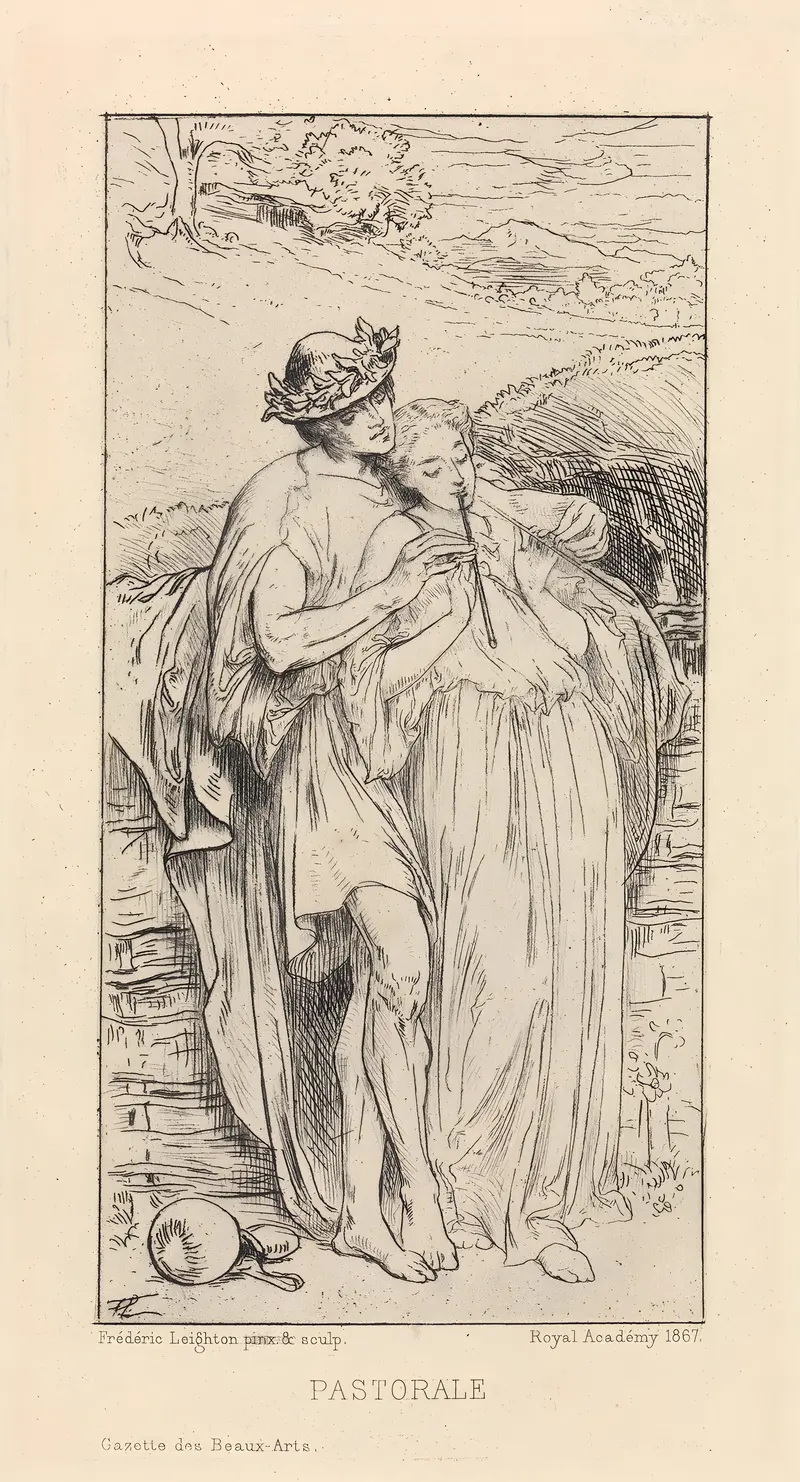
Pastorale
Frederic Leighton
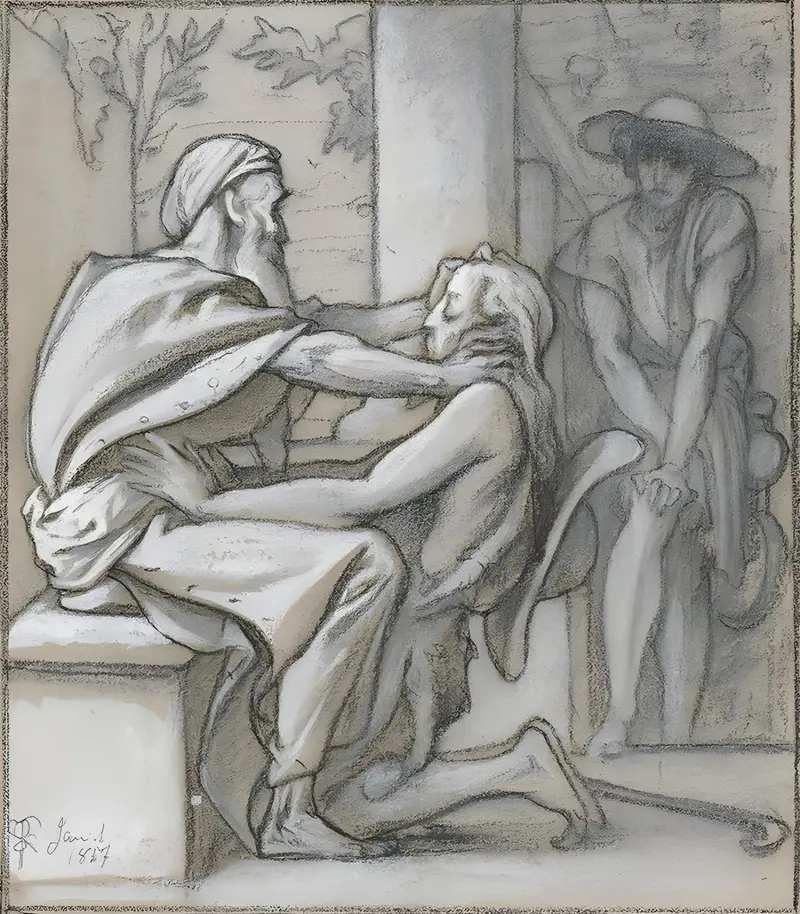
Jacob and Esau
Frederic Leighton
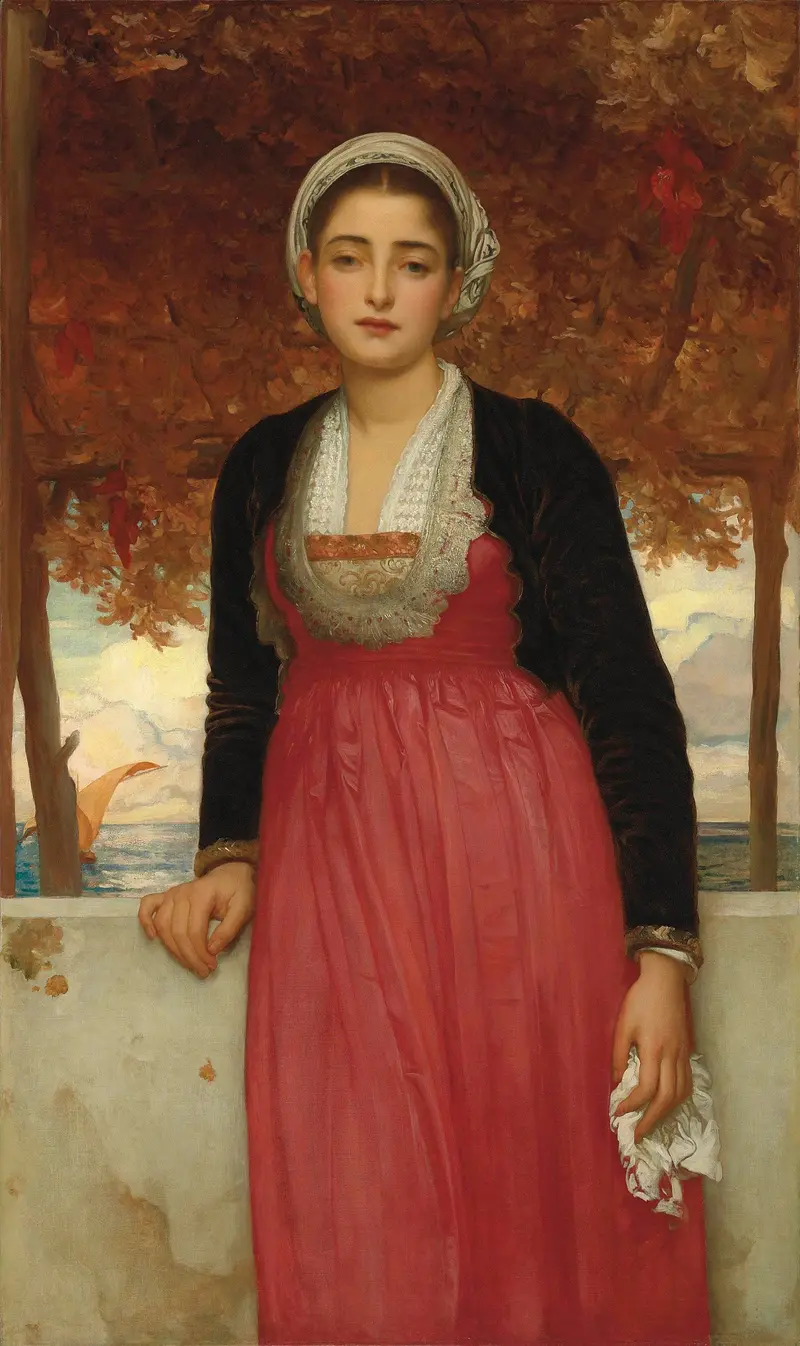
Amarilla
Frederic Leighton
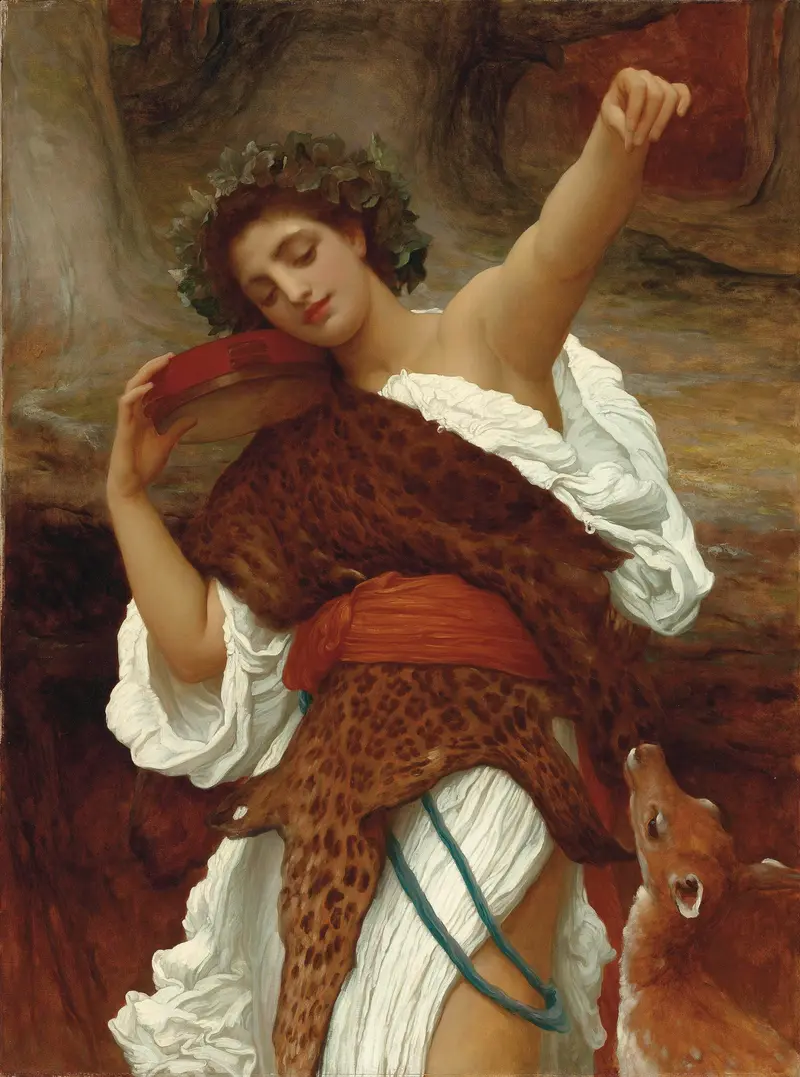
Bacchante
Frederic Leighton
Cain and Abel
Frederic Leighton



