
Sommerwiese — History & Facts
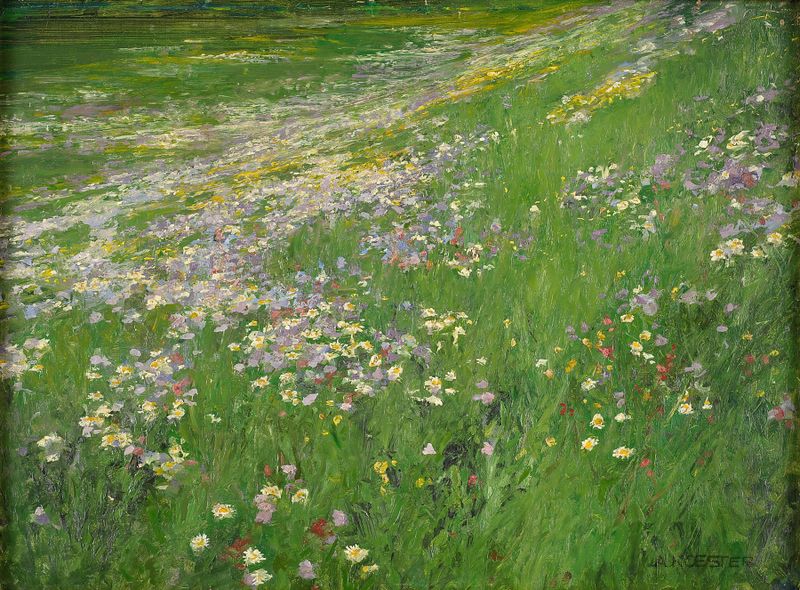
Is this a mirror — or a memory? In the gentle embrace of nature, the canvas invites us to contemplate the fragile beauty of existence and the destinies that intertwine within it. Look to the right at the shimmering surface of the lake, where reflections dance with the delicate hues of the setting sun. Notice how the warm golden light bathes the lush greens and browns of the meadow, creating a harmonious palette that draws the eye across the composition. The interplay of light and shadow reveals not only the physical landscape but also the emotional depths within; every brushstroke resonates with a sense of calm and tranquility. Beneath the surface beauty lies a poignant contrast between serenity and transience.
The vivid blossoms, captured in their fleeting moment of bloom, symbolize life's ephemeral nature, while the stillness of the water evokes a sense of timelessness. This duality prompts reflection on our own paths, suggesting that within the revitalizing essence of nature, there is an innate understanding of what it means to be both anchored and adrift. In 1900, while creating Sommerwiese, the artist was deeply immersed in the naturalist movement, influenced by the lush landscapes of his German homeland. It was a time marked by a growing appreciation for the intrinsic beauty of rural life, contrasting sharply with the burgeoning industrial age.
Koester's focus on the serene interplay of light and landscape not only defines his artistic vision but also encapsulates a moment in art history that cherished the quiet whispers of nature amidst the chaos of modernity.
More Artworks by Alexander Koester
Browse all →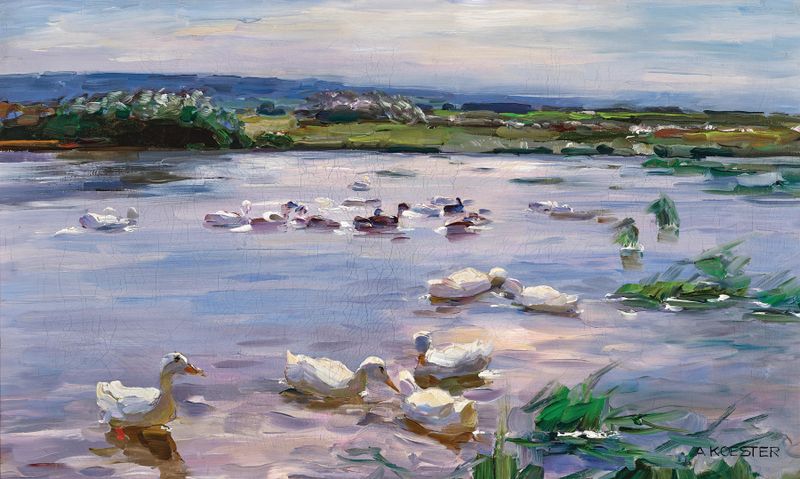
Ducks on the Lakeside
Alexander Koester

Teichblüten – Altwasser bei Brixen
Alexander Koester

See mit Wetterwolken
Alexander Koester

A Wayside Shrine
Alexander Koester
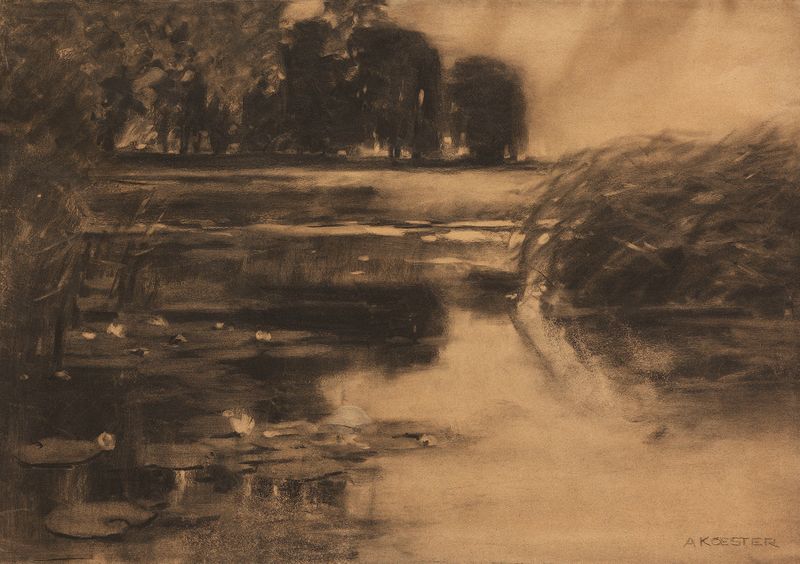
Wasserlandschaft
Alexander Koester
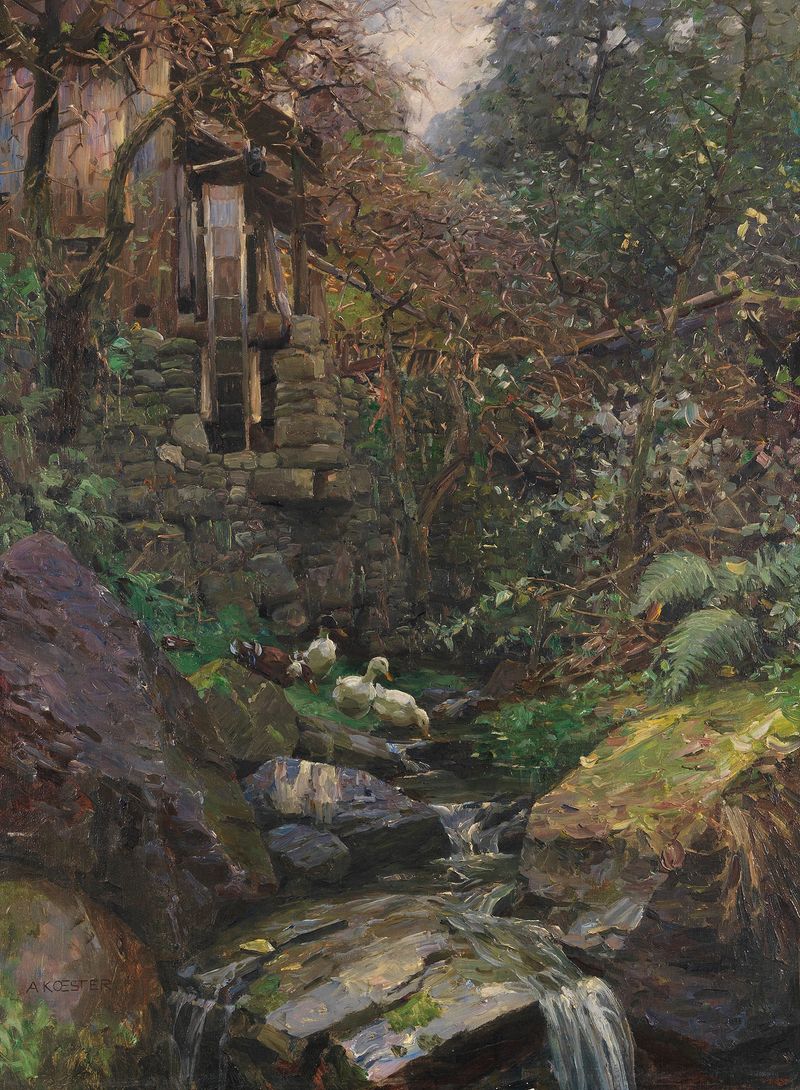
Im Mühlengrund
Alexander Koester
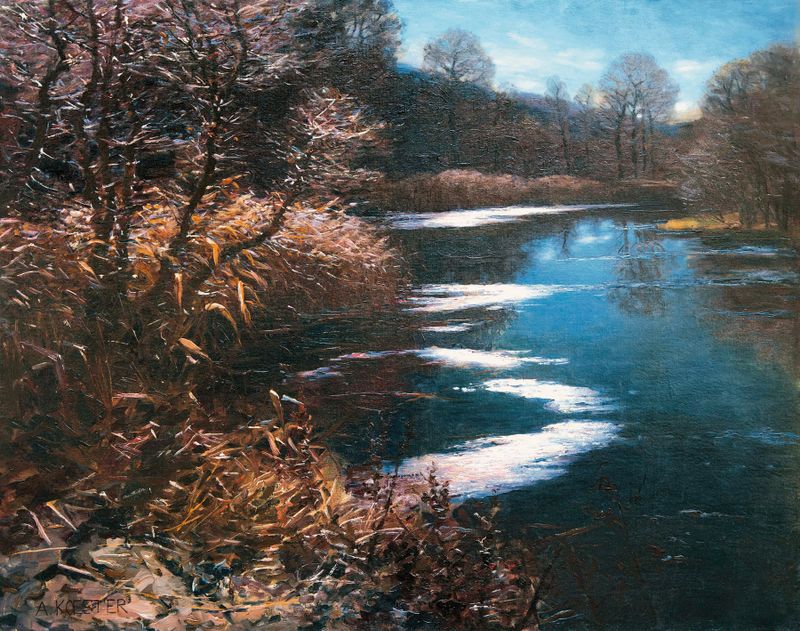
Altwasser bei Brixen
Alexander Koester
Blumenwiese bei Weßling
Alexander Koester

Reichenau, Weiden am See, Sonne
Alexander Koester
Segelboot, Holland
Alexander Koester





