
Sorrento Gate — History & Facts
In moments of solitude, the heart whispers its deepest truths, often hidden beneath layers of elegance and charm. Look to the center of the composition, where the archway beckons with warmth and light, inviting yet distant. The golden hues that frame the entrance contrast sharply with the deep shadows that linger outside, creating a tension that compels the viewer to consider the threshold between comfort and isolation. Notice how the delicate brushstrokes bring the textures of the stone to life, each crevice telling a story of time, while subtle variations in color evoke a sense of melancholic beauty. As your gaze wanders, the barren surroundings amplify the sense of loneliness.
The overgrowth at the edges appears untamed, symbolizing the forgotten and often overlooked. The gate stands sturdy yet forlorn, embodying the duality of a sanctuary and a prison; it represents a barrier that keeps the world at bay, while simultaneously inviting one to contemplate what lies beyond. Each element, from the arch's graceful lines to the encroaching foliage, echoes the emotional weight of yearning for connection. Isaac Weld created Sorrento Gate in 1818, during a period of significant personal reflection as he traveled through Italy.
This era marked a transition in his career, where he sought to capture not just a scene but the essence of emotion. Surrounded by the picturesque landscapes, Weld grappled with his own sense of isolation, mirroring the broader Romantic movement that emphasized individual experience and introspection. The artwork reflects a moment where beauty serves as a vessel for deeper feelings, inviting viewers to explore their own encounters with solitude.
More Artworks by Isaac Weld
Browse all →
View of Mount Vernon, the seat of General Washington
Isaac Weld

Caernarvon (Castle)
Isaac Weld

View of Niagara Falls with Two Figures Sitting on a Rock Center Foreground
Isaac Weld
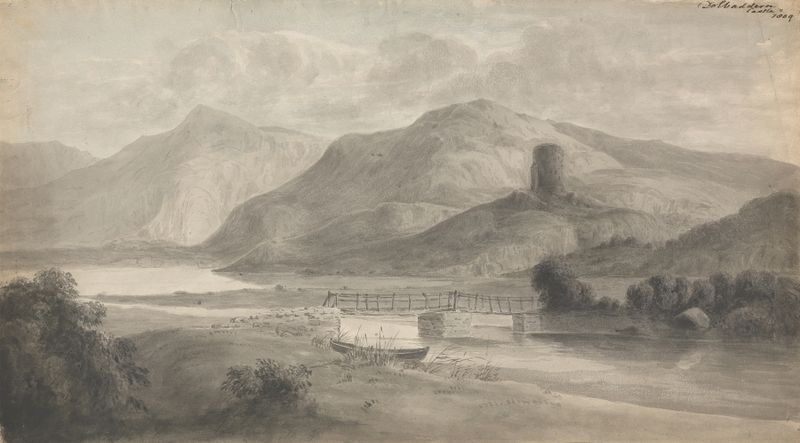
Dolbadarn Castle (North Wales)
Isaac Weld

View of Niagara Falls with Two Figures on Rock in Right Foreground
Isaac Weld
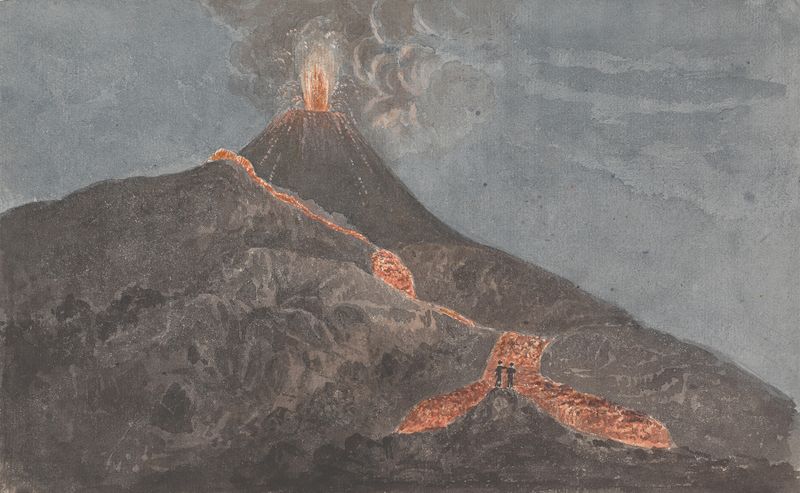
Vesuvius in Eruption
Isaac Weld
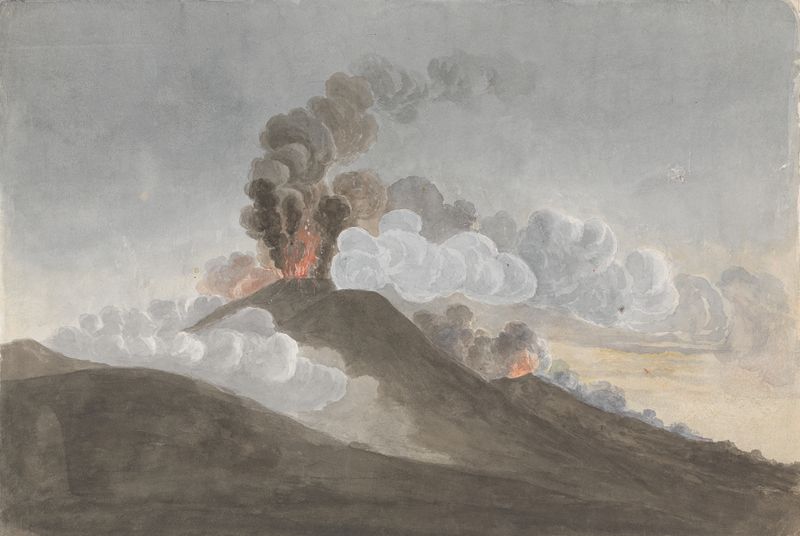
Vesuvius in Eruption.
Isaac Weld
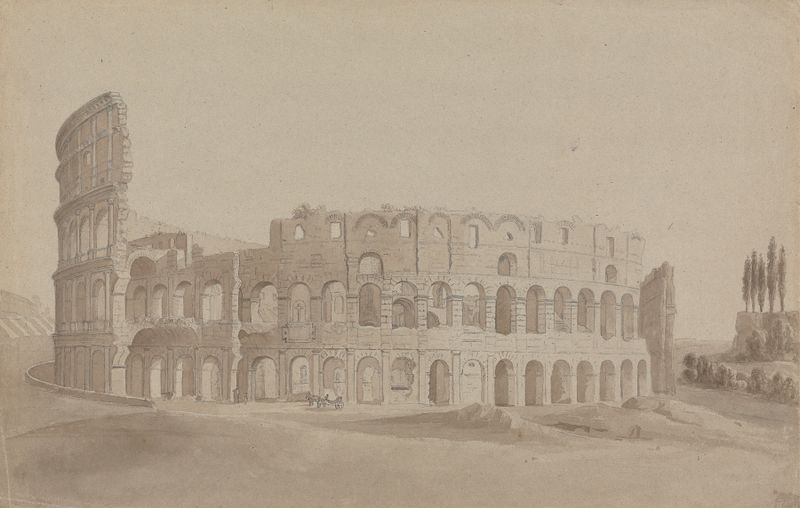
The Colosseum, Rome
Isaac Weld
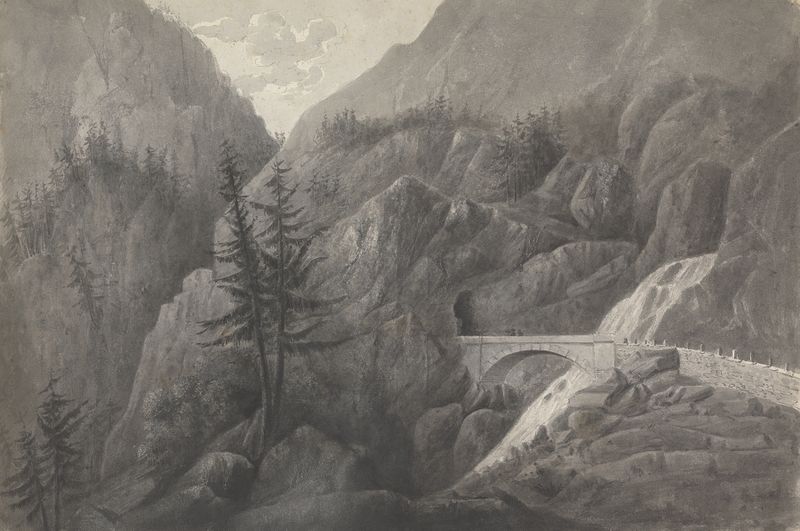
Simplon (Switzerland)
Isaac Weld
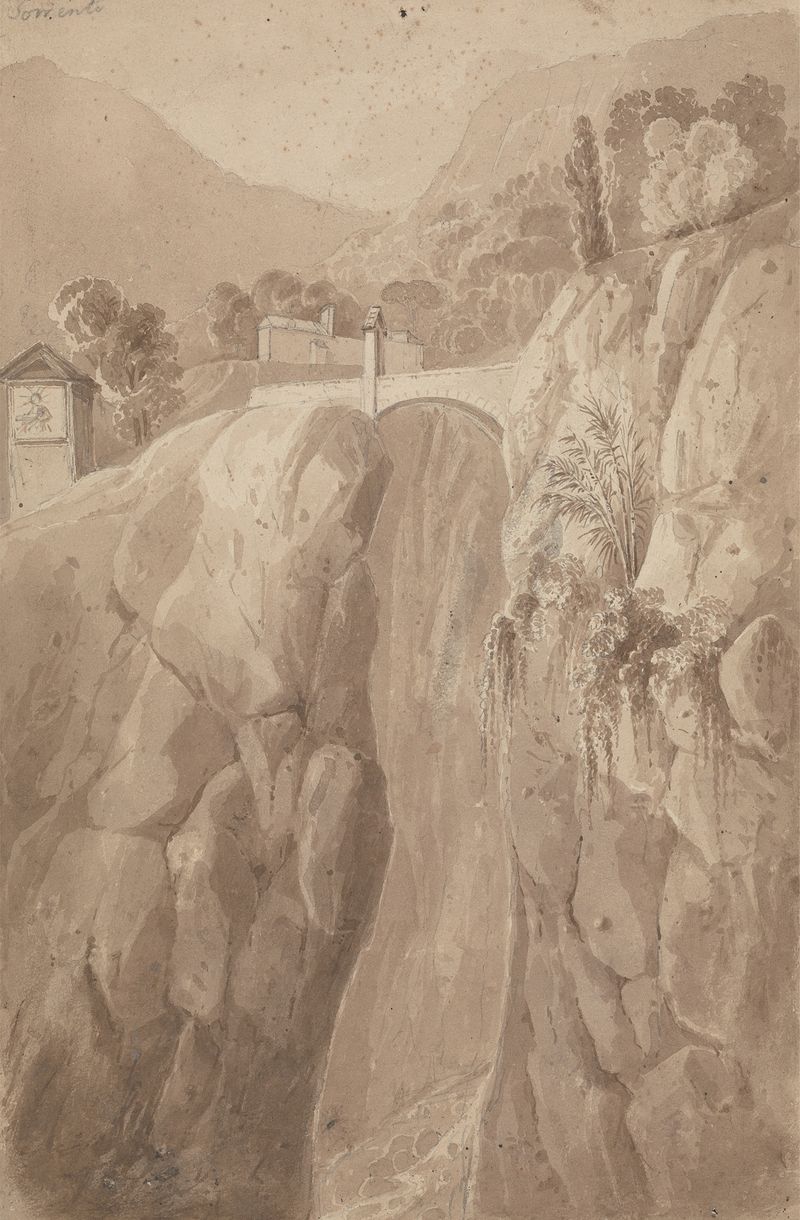
Sorrento
Isaac Weld
More Architecture Art
Browse all →
The statue of Liberty
Frédéric Auguste Bartholdi

View of Houses in Delft, Known as ‘The Little Street’
Johannes Vermeer

View of Houses in Delft, Known as ‘The Little Street’
Johannes Vermeer

The Cathedral in Rouen. The portal, Grey Weather
Claude Monet

The yellow house
Vincent van Gogh

The Church in Auvers-sur-Oise, View from the Chevet
Vincent van Gogh