
Southwest Corner, Public Square, Cleveland — History & Facts
Did the painter know this moment would outlive them? In the quiet embrace of Southwest Corner, Public Square, Cleveland, a sense of melancholy lingers, inviting viewers to ponder the passage of time and the fleeting nature of existence. It captures the essence of a scene that plays out daily, yet remains untrapped in its temporal confines. Look to the left at the sturdy figures gathered beneath the grand architecture, their postures and expressions revealing stories untold. Notice how soft, diffused light bathes the square, accentuating the contrast between the shadows and the warmth of the sunlit surfaces.
The muted palette of earth tones evokes a somber mood, while the meticulous brushwork brings texture to the cobblestones, grounding the viewer in the physicality of this space. Here, the tension between solitude and community unfolds. The scattered figures, seemingly engaged in their own thoughts, reflect a shared human experience, their isolation underscored by the vastness of the square. The towering structures loom above, embodying the weight of history and the relentless march of urban progress.
Each detail—be it the archway in the background or the distant rooftops—invites contemplation on the interrelationship between people and their environment. In 1878, Otto Henry Bacher was immersed in the vibrant art scene of America, particularly influenced by the growing interest in realism and urban life. Working in Cleveland during a period of industrial expansion, he captured not just a physical space but an emotional snapshot of society's evolution. This piece serves as a window into a moment that, while mundane, resonates with timeless themes of connection and solitude.
More Artworks by Otto Henry Bacher
Browse all →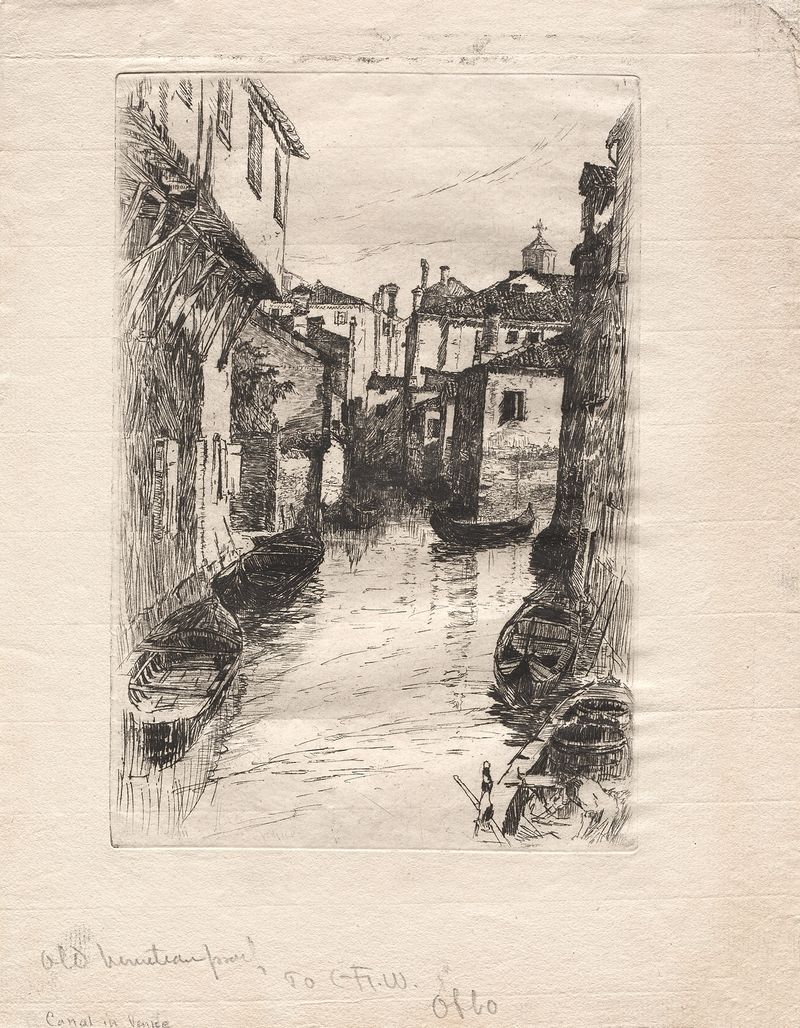
Canal in Venice
Otto Henry Bacher
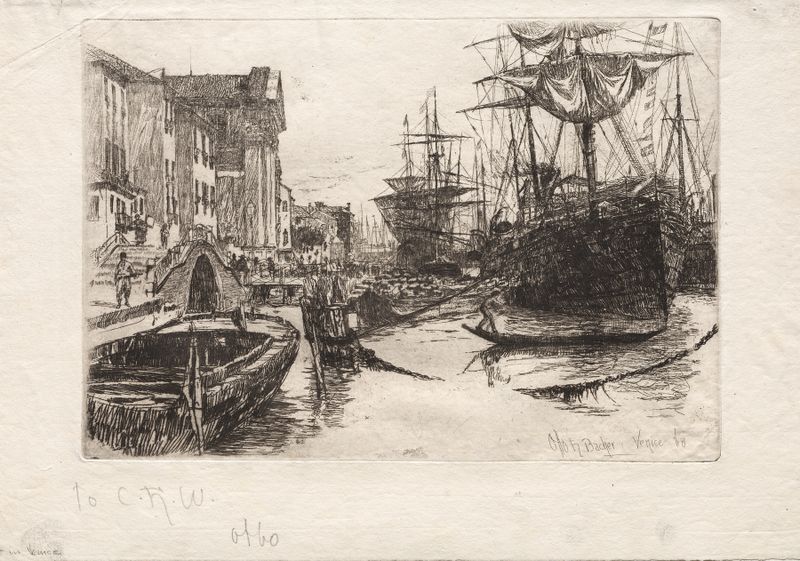
View in Venice
Otto Henry Bacher
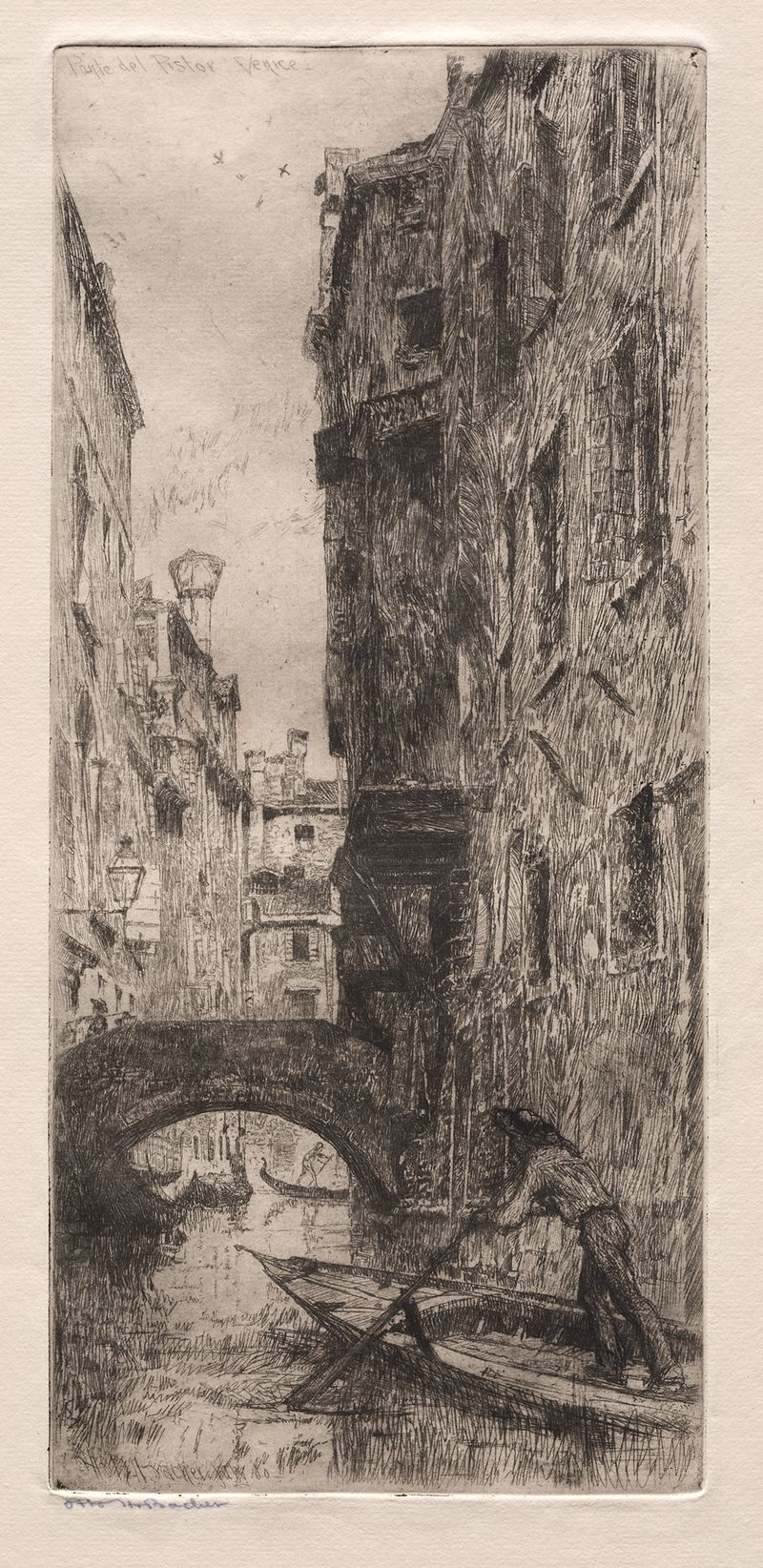
Ponte del Pistor, Venice
Otto Henry Bacher
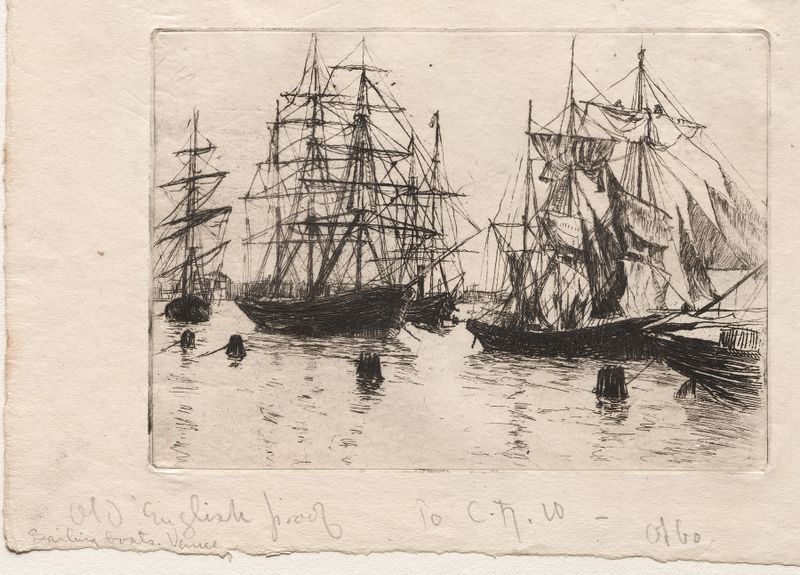
Sailing Boats, Venice
Otto Henry Bacher
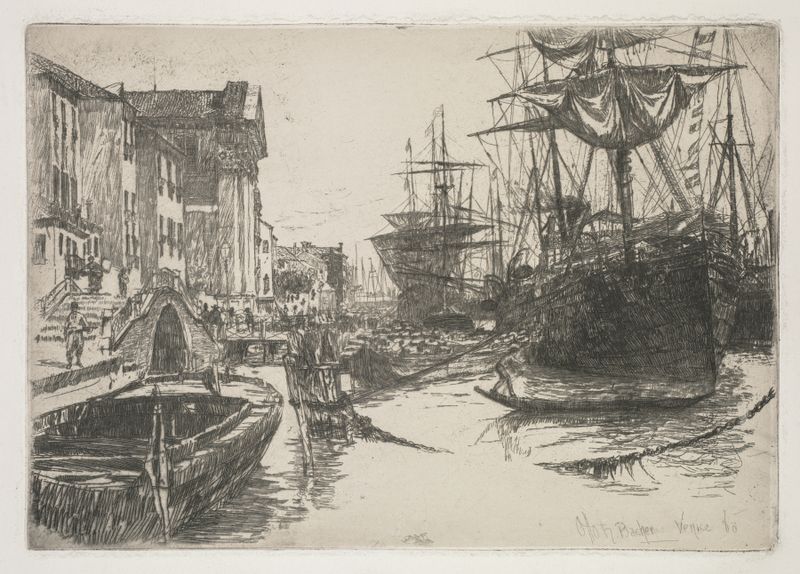
Fondamenta della Zattere
Otto Henry Bacher
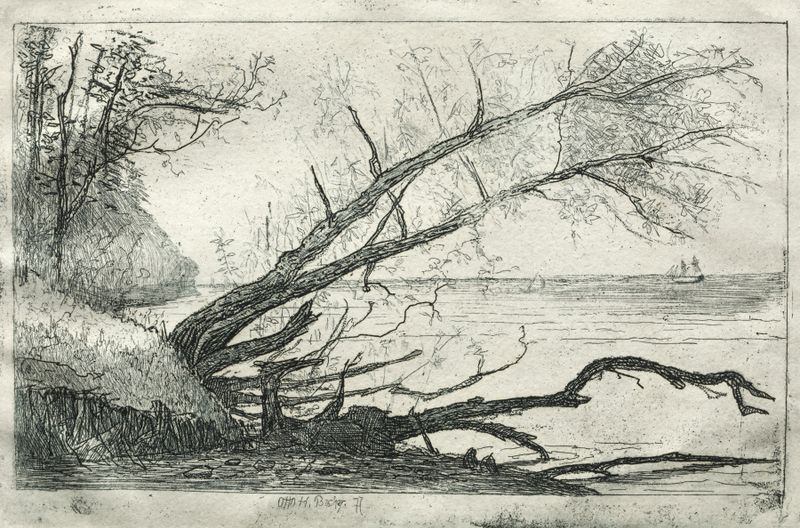
Old Sycamore
Otto Henry Bacher
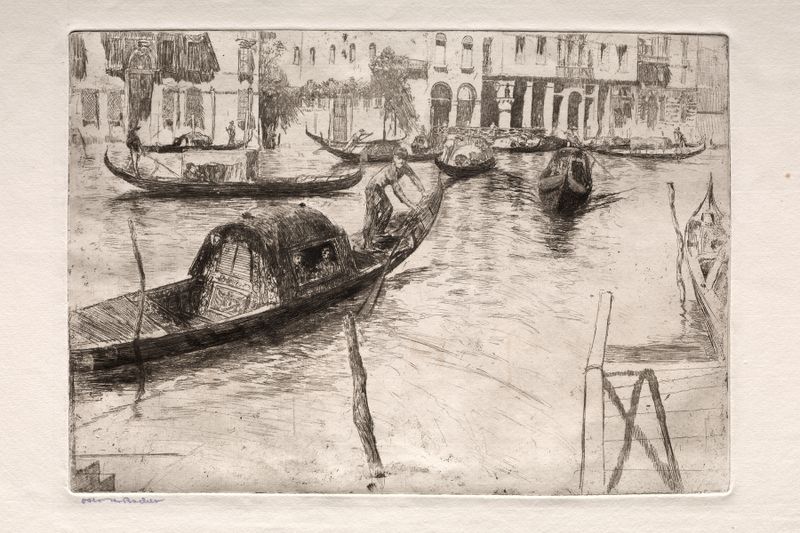
Traghetto San Felice
Otto Henry Bacher
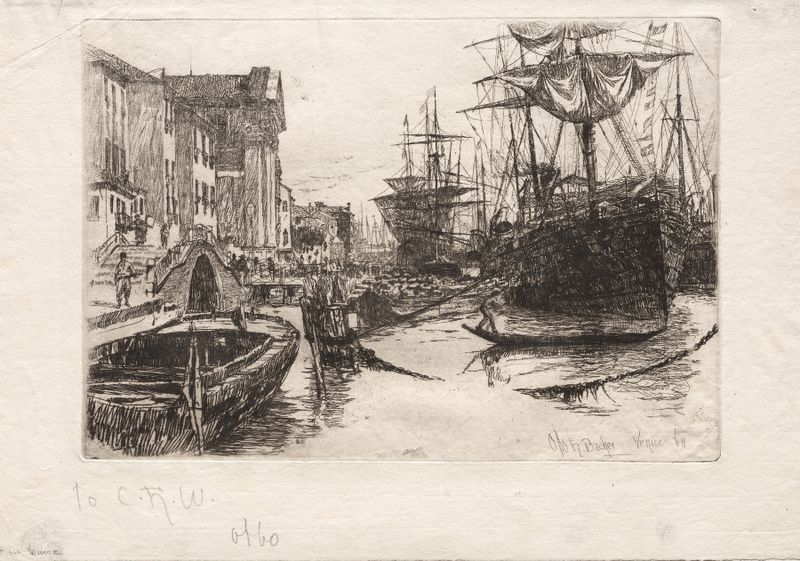
View in Venice
Otto Henry Bacher
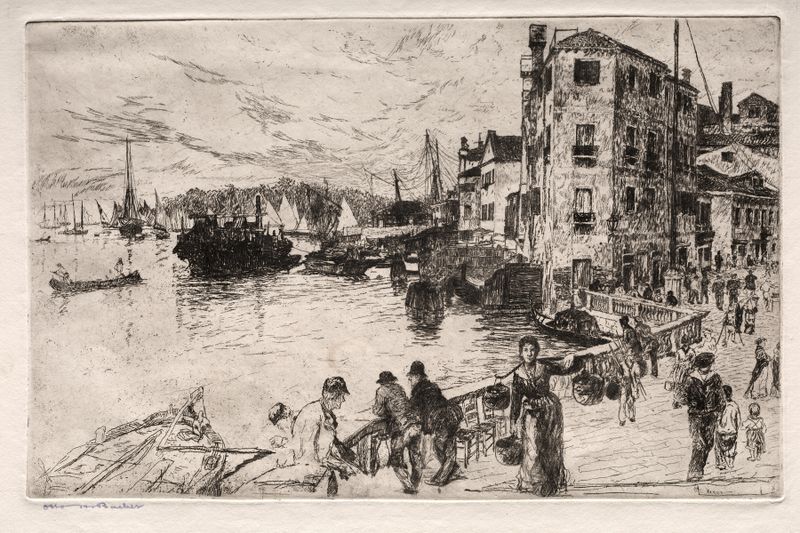
Castello Quarters, Riva
Otto Henry Bacher
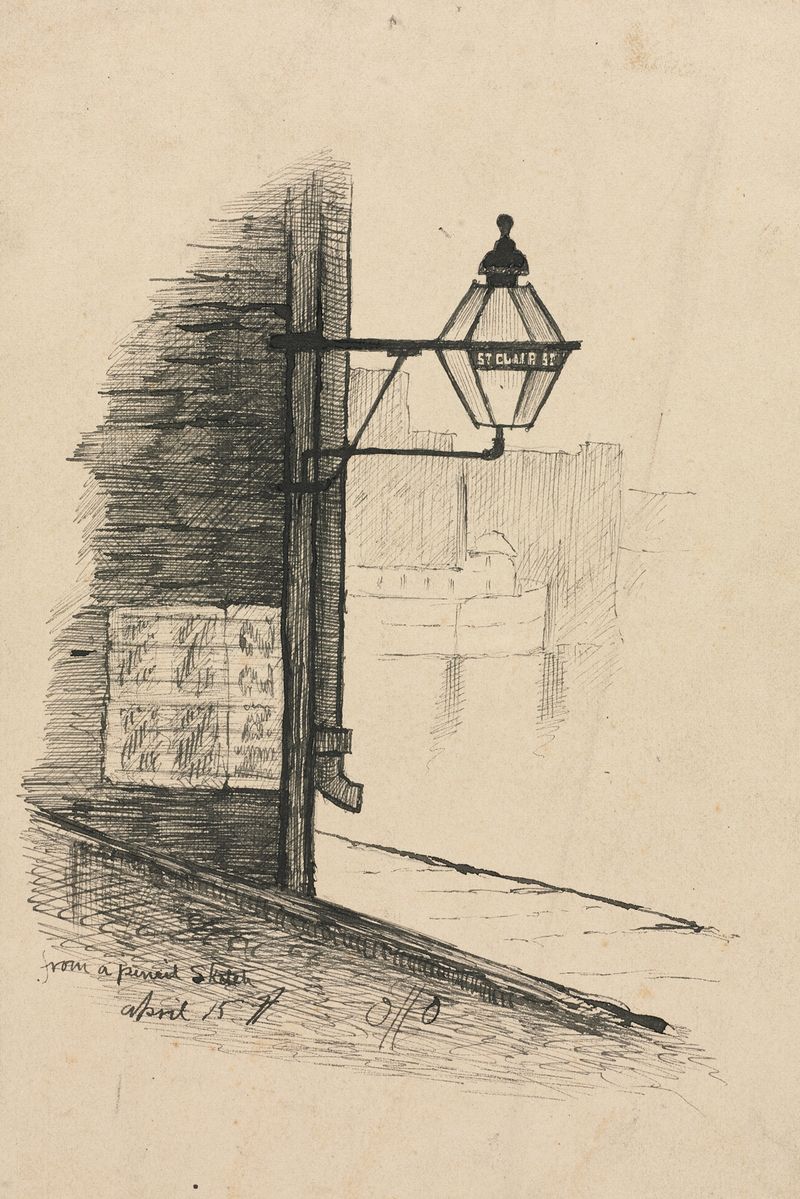
St. Clair Street, Cleveland
Otto Henry Bacher





