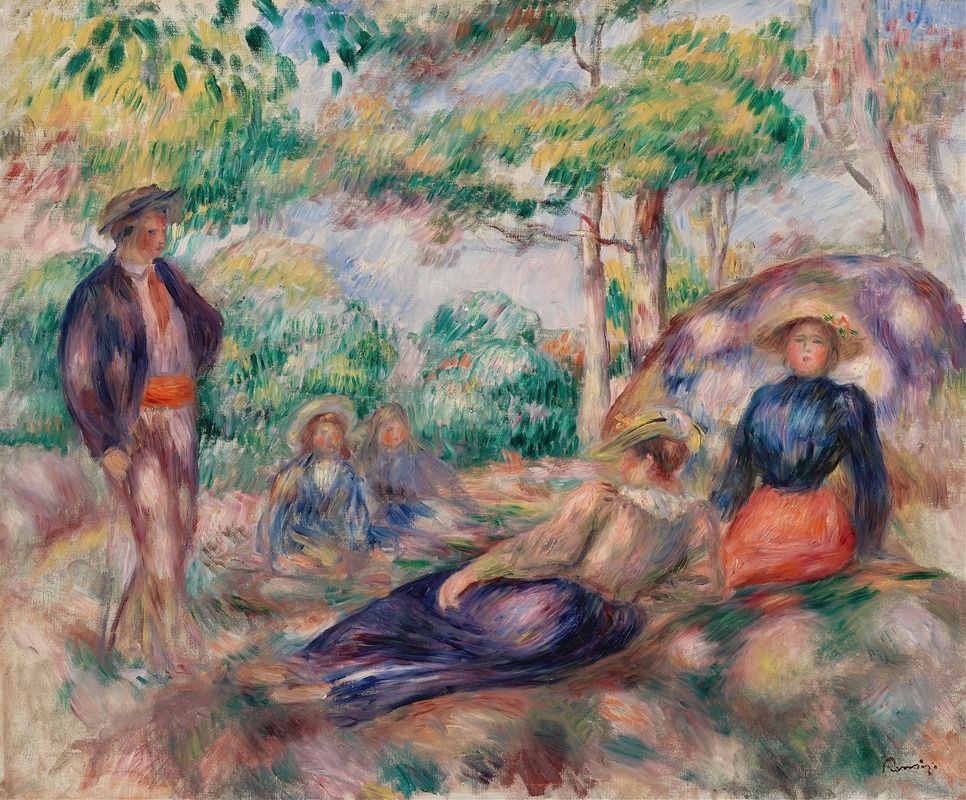
Discover insights about this artwork
Spanish Dancers — History & Facts
In Spanish Dancers, Paul Cézanne captures the lively essence of dance through vibrant colors and dynamic figures. The dancers are depicted in traditional Spanish attire, their movements suggesting rhythm and energy. The background is a blend of warm tones, enhancing the festive atmosphere of the scene.
The use of bold brushstrokes adds to the sense of movement and liveliness in the painting. The painting is characterized by its Post-Impressionist style, where Cézanne employs thick layers of paint and a unique color palette. The figures are simplified yet expressive, showcasing Cézanne's ability to convey emotion through form. The composition is balanced, with the dancers occupying the foreground against a more abstract background.
This technique invites viewers to focus on the dancers while still appreciating the overall harmony of the piece. Paul Cézanne, a pivotal figure in the transition from Impressionism to modern art, created Spanish Dancers during a period when he was exploring the representation of movement. This work reflects his interest in capturing the essence of life and culture through art. Interestingly, Cézanne's approach to color and form influenced many later artists, including the Fauves and Cubists.
Spanish Dancers exemplifies his innovative style and remains a significant piece in understanding his artistic evolution.
More Artworks by Paul Cézanne
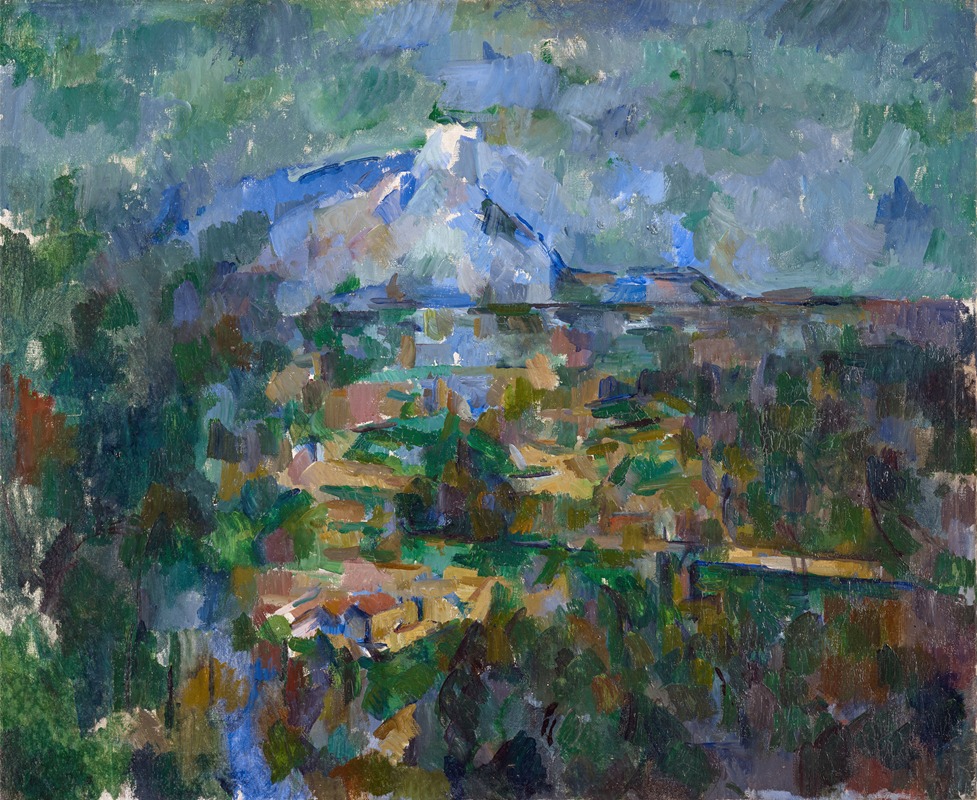
The Mont Sainte-Victoire Seen From Les Lauves
Paul Cézanne
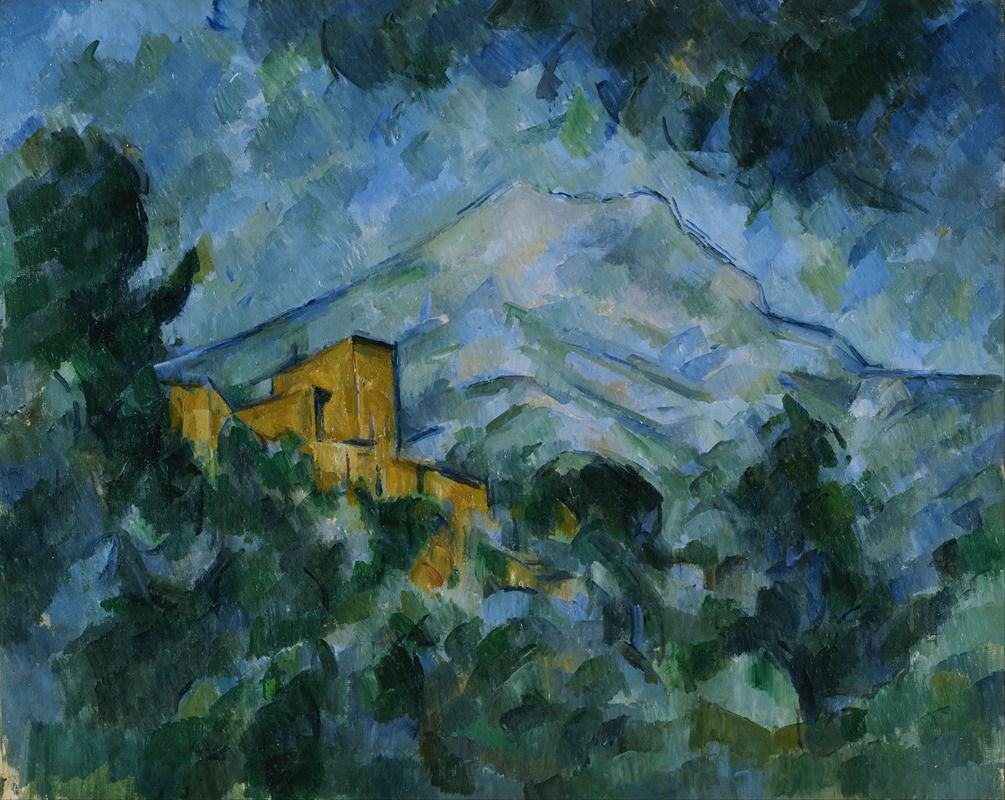
Mont Sainte-Victoire and Château Noir
Paul Cézanne
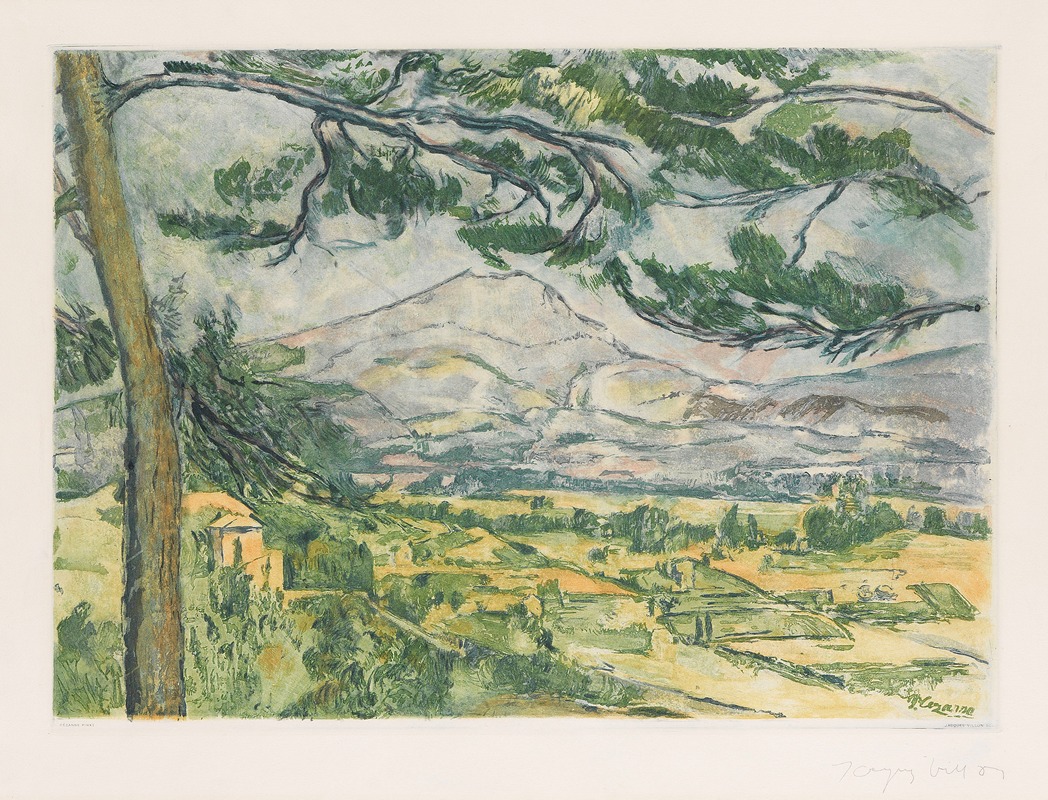
La Montagne Sainte-Victoire
Paul Cézanne
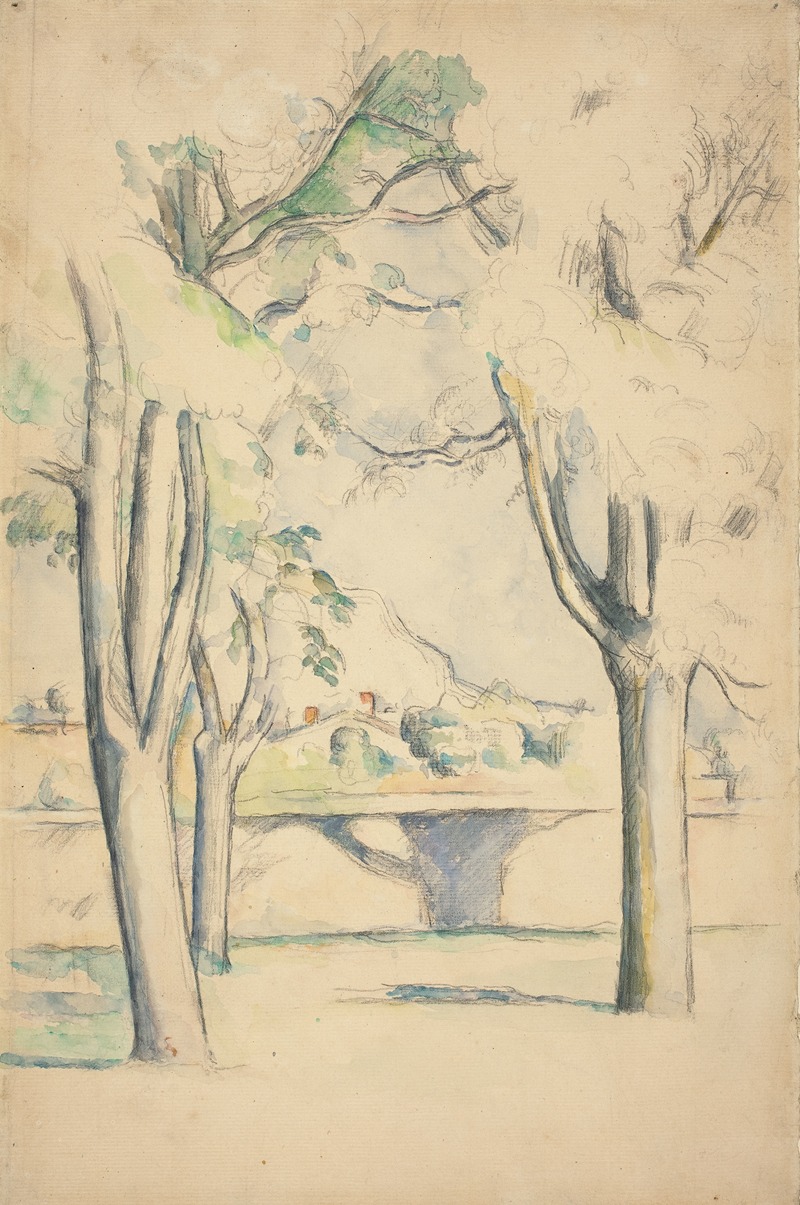
Mont Sainte-Victoire Seen beyond the Wall of the Jas de Bouffan
Paul Cézanne
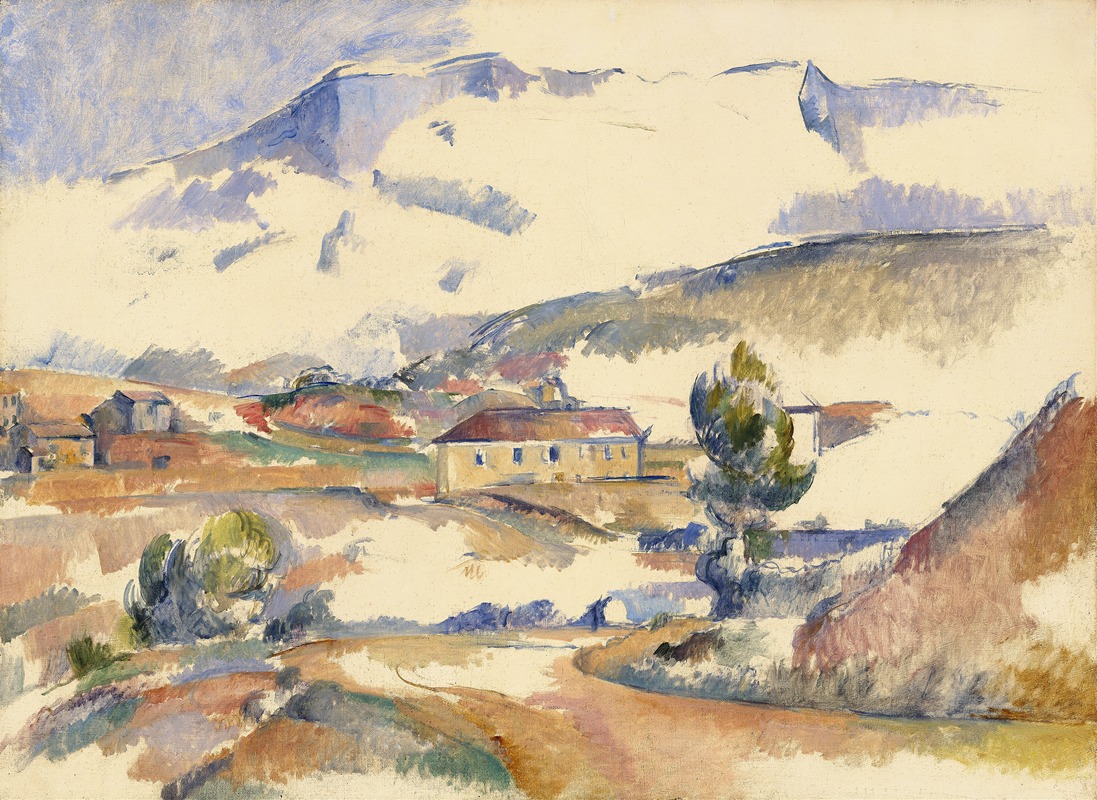
Montagne Sainte-Victoire,from near Gardanne
Paul Cézanne
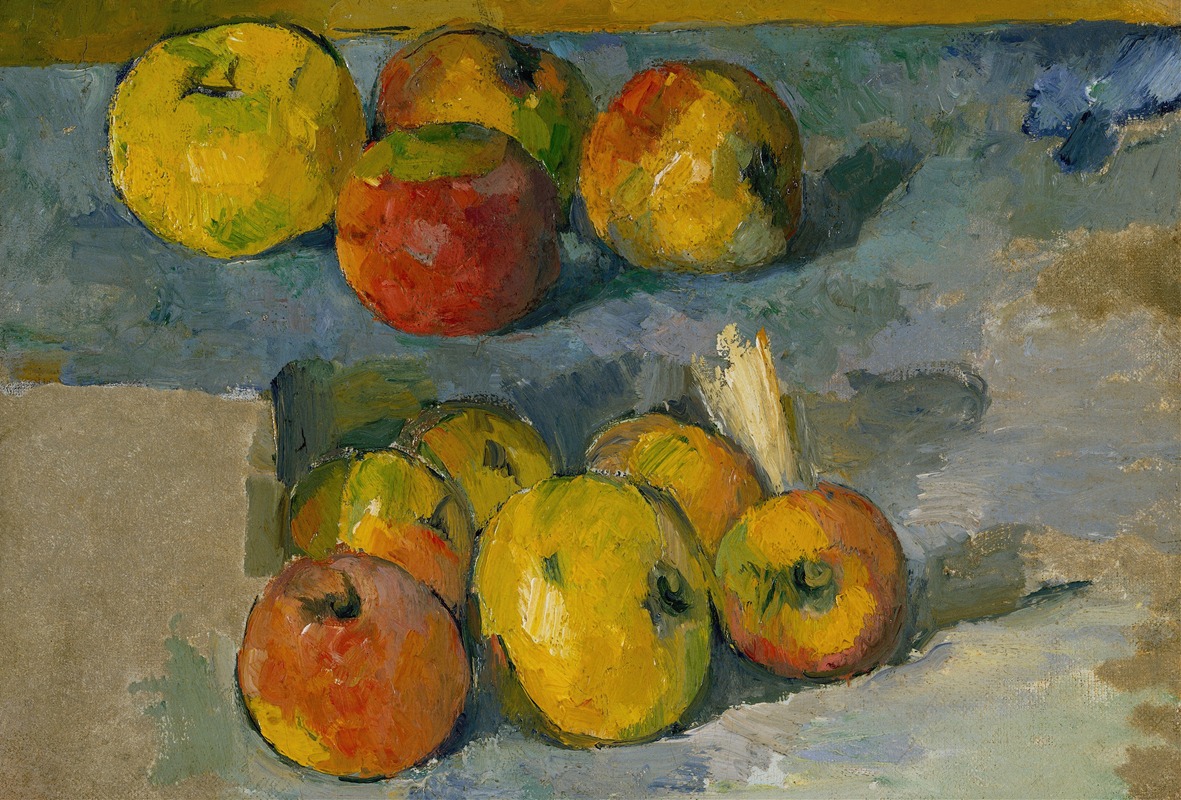
Apples
Paul Cézanne
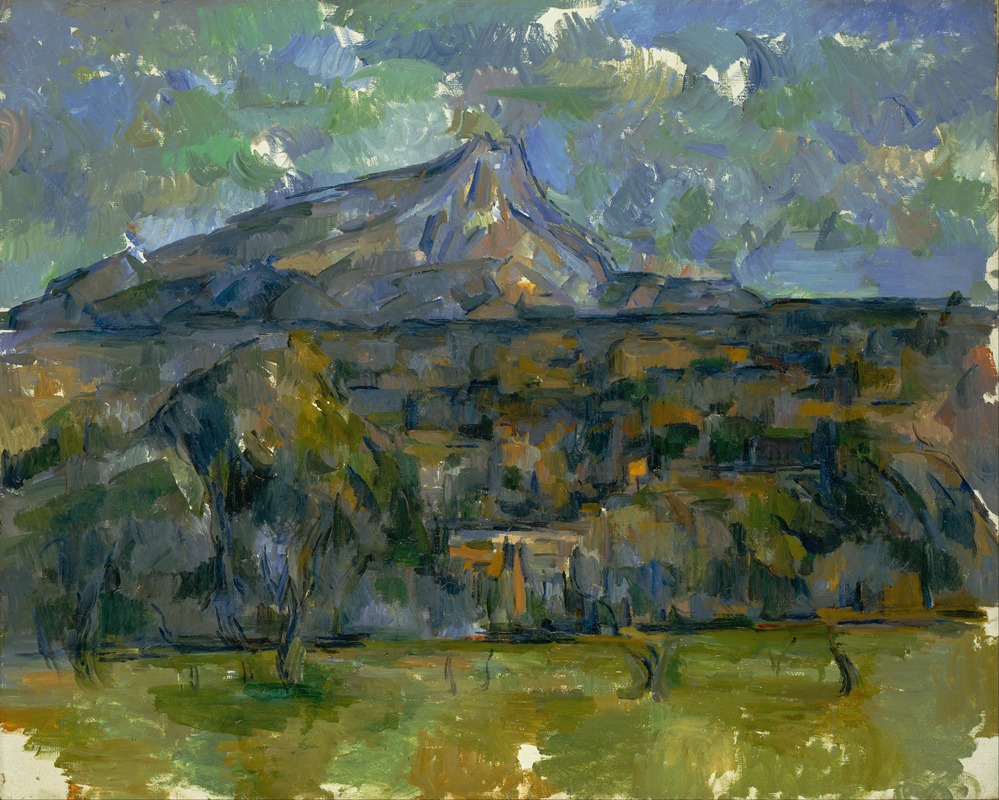
Mont Sainte-Victoire
Paul Cézanne
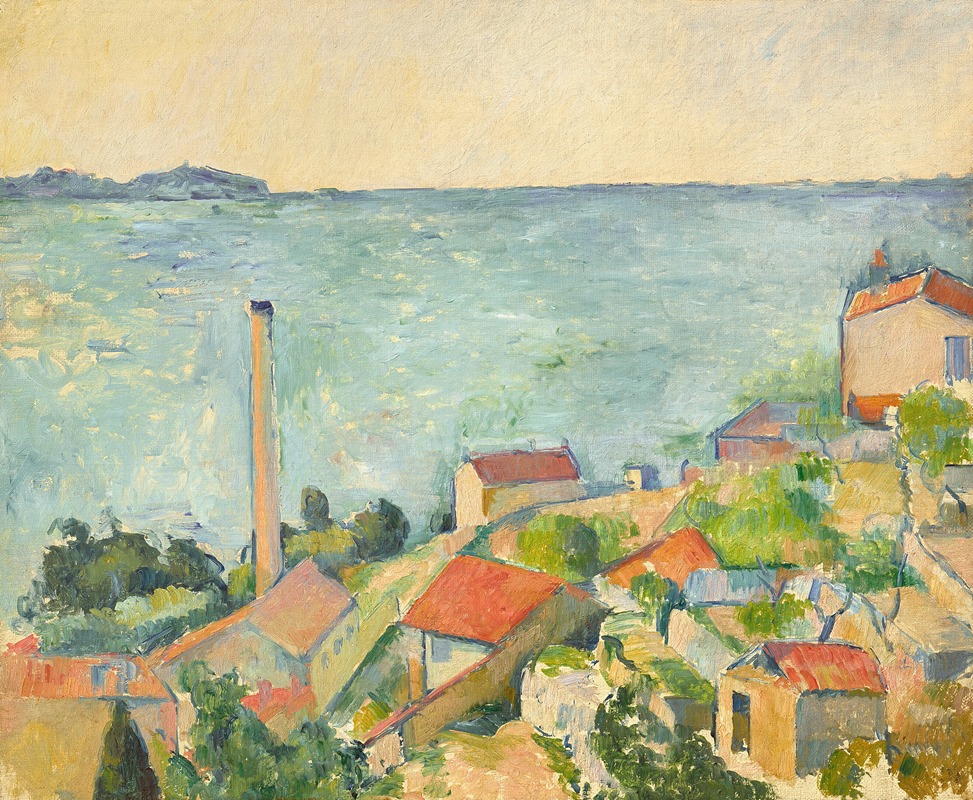
La mer à l’Estaque
Paul Cézanne
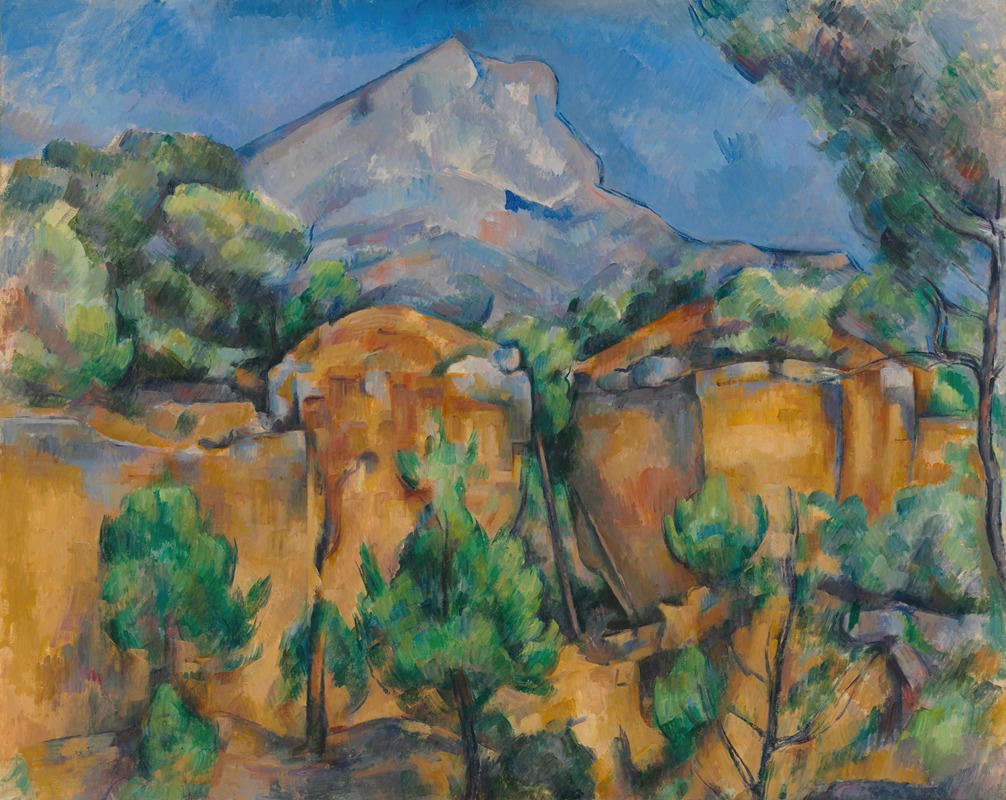
La Montagne Sainte-Victoire vue de la carrière Bibémus
Paul Cézanne
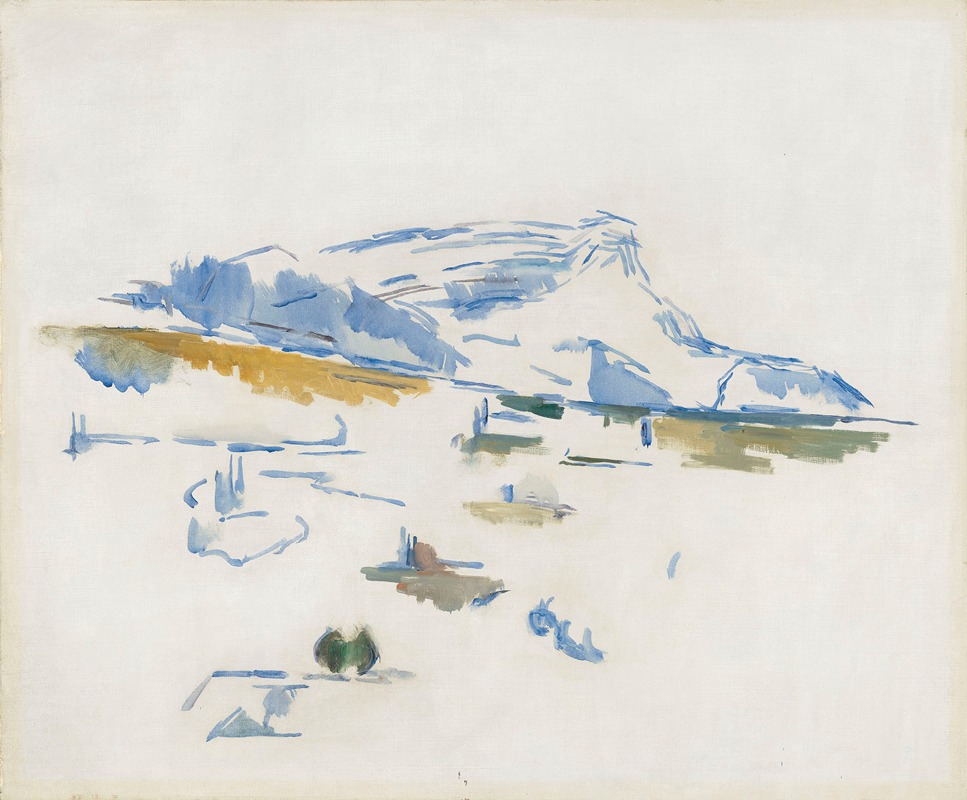
La Montagne Sainte-Victoire vue des Lauves
Paul Cézanne