
Sphinx by the moonlight. From the journey to Egypt — History & Facts
Can beauty exist without sorrow? In Jan Ciągliński’s Sphinx by the Moonlight, this question resonates through the haunting presence of the ancient monument beneath a celestial glow. The moonlight bathes the Sphinx in an ethereal luminance, suggesting a tranquil passage of time, yet it also evokes a sense of melancholy and the weight of history. Look to the left at the Sphinx’s steadfast gaze, stoic yet inviting, as it seems to ponder the ages. The artist employs a soft, muted palette of blues and grays, with the moon casting silvery highlights that shimmer against the desert's dark expanse.
Notice the delicate interplay of light and shadow, which not only shapes the Sphinx but also infuses it with a spectral quality, creating an atmosphere of introspection and reverie. Ciągliński's meticulous brushwork adds texture to the stone, revealing every weathered crevice and mark that tells a story of both endurance and vulnerability. Beneath the surface, the contrast between the Sphinx and the moonlight speaks to themes of rebirth and eternity. The Sphinx, a symbol of ancient wisdom, stands resilient in the face of passing time, while the soft lunar light encapsulates a fleeting beauty that hints at impermanence.
Together, they embody a dialogue between the permanence of history and the ephemeral nature of existence, inviting contemplation on the cycles of life, death, and renewal. Painted in 1903, during a period of growing fascination with Egyptology and the mysteries of the ancient world, the artist found inspiration on a journey to Egypt. Ciągliński, a Polish painter, was deeply influenced by the interplay of light and culture during his travels. His work captures not just a moment in time but also reflects the broader artistic movements of the early 20th century, where explorations of the exotic and the historical began to shape modern artistic expression.
More Artworks by Jan Ciągliński
Browse all →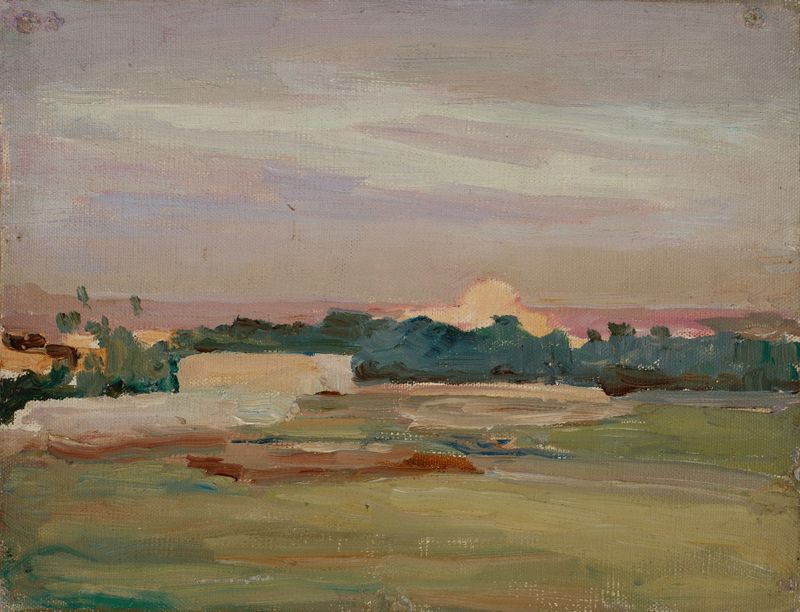
The Sirocco
Jan Ciągliński
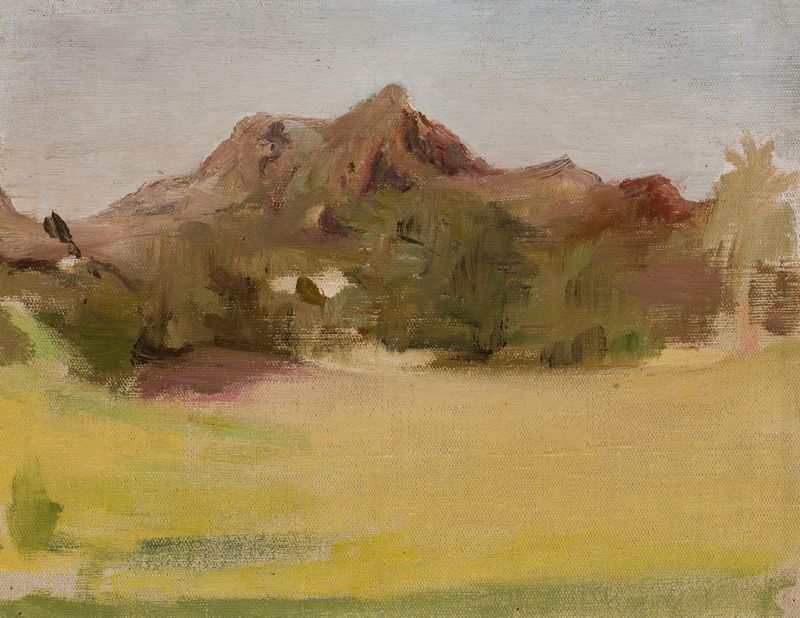
Mountain landscape. From the journey to India
Jan Ciągliński
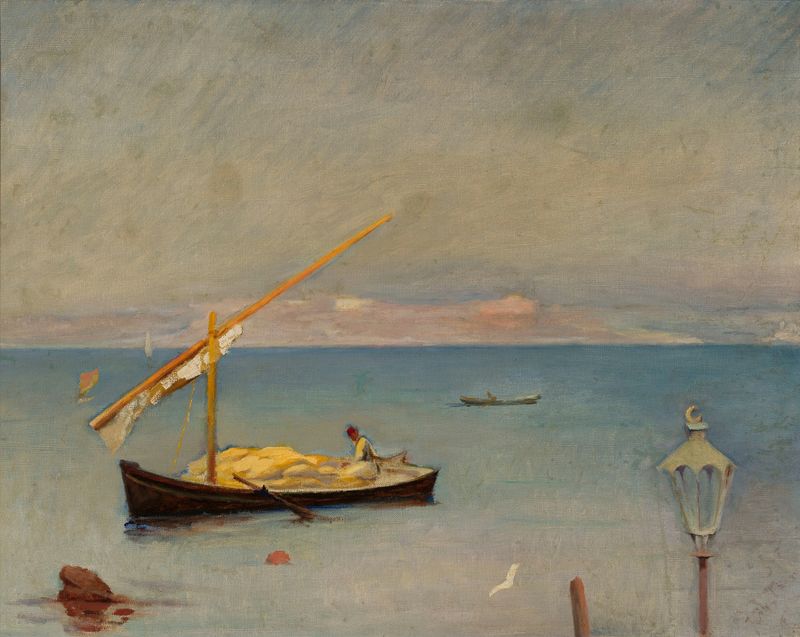
At Bosporus
Jan Ciągliński
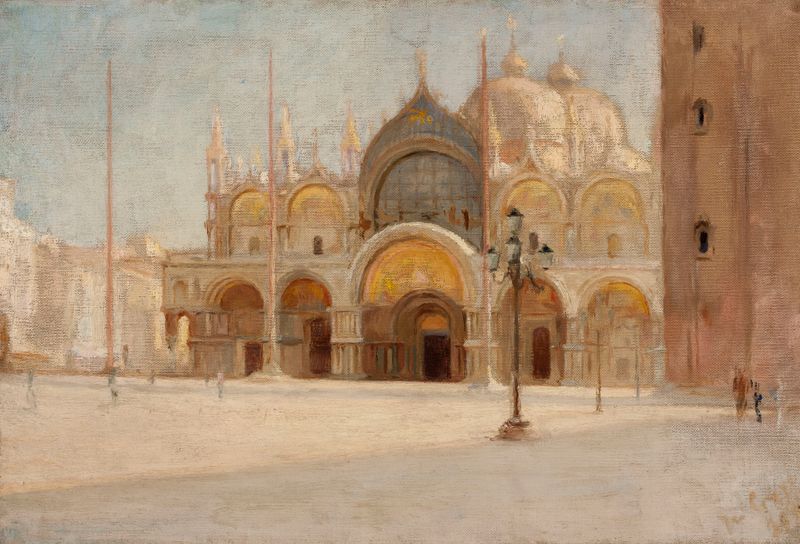
St Mark’s Square in Venice
Jan Ciągliński
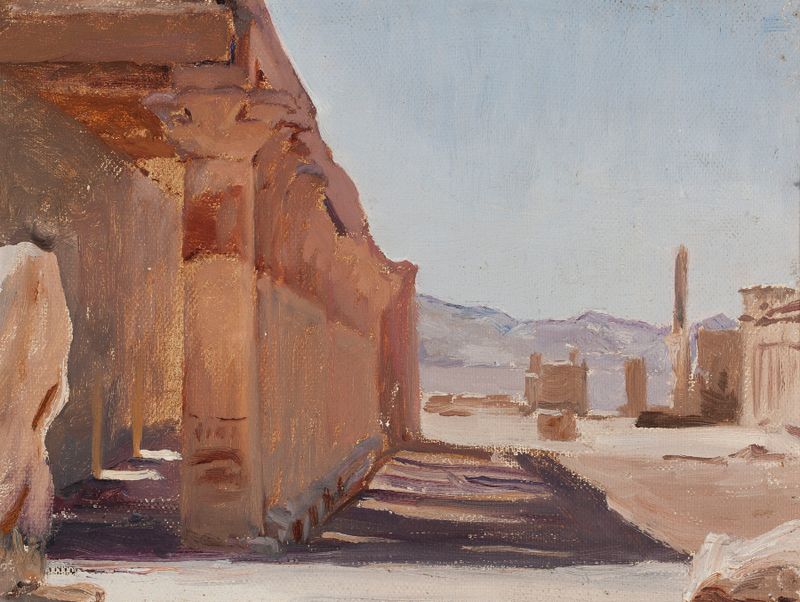
Temple. From the journey to Egypt
Jan Ciągliński
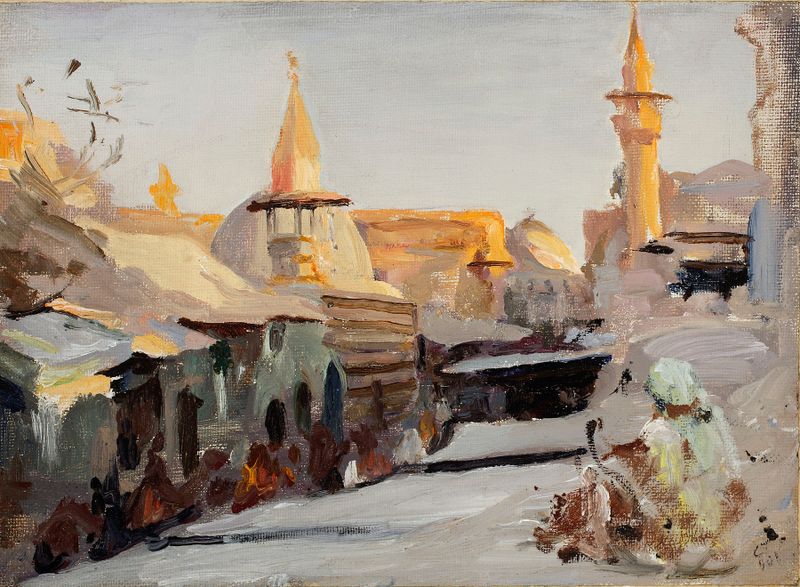
Street in Damascus. From the journey to Palestine
Jan Ciągliński
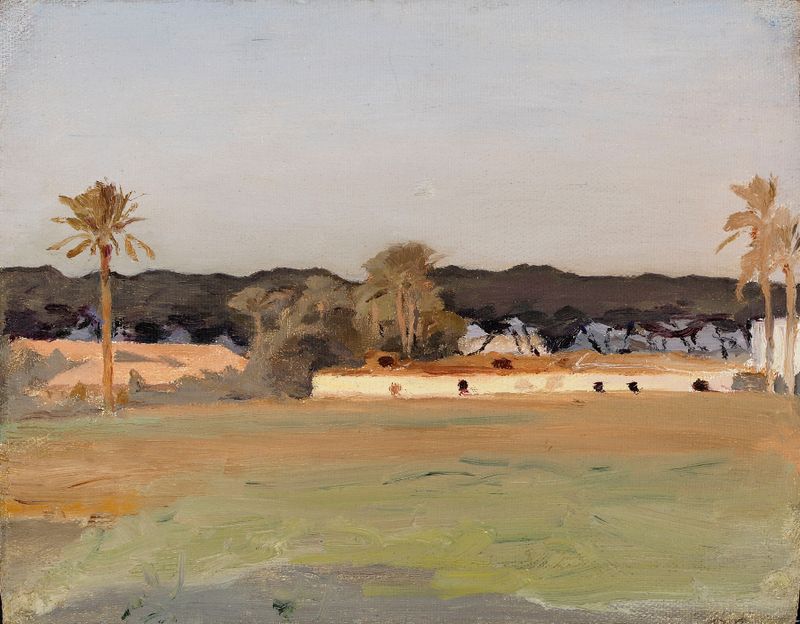
Evening. From the journey to Egypt
Jan Ciągliński
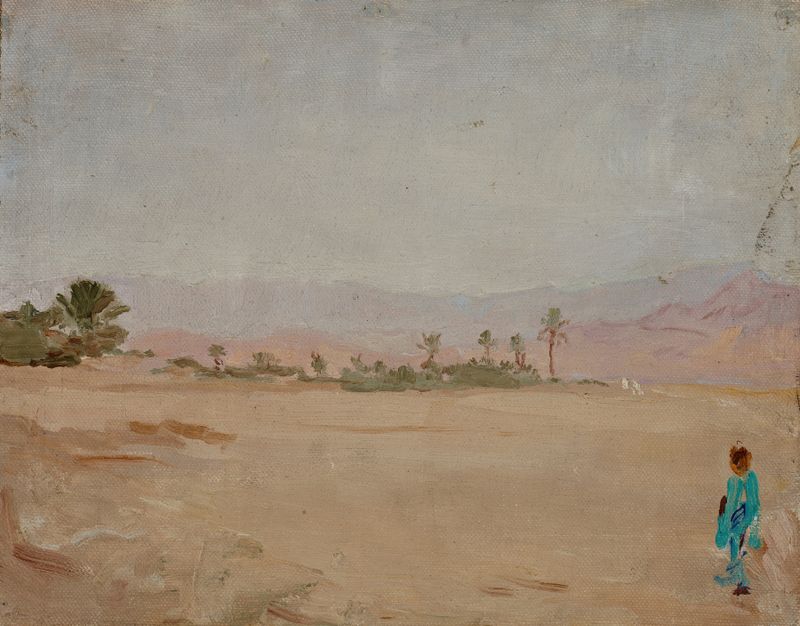
Sahara (Desert)
Jan Ciągliński
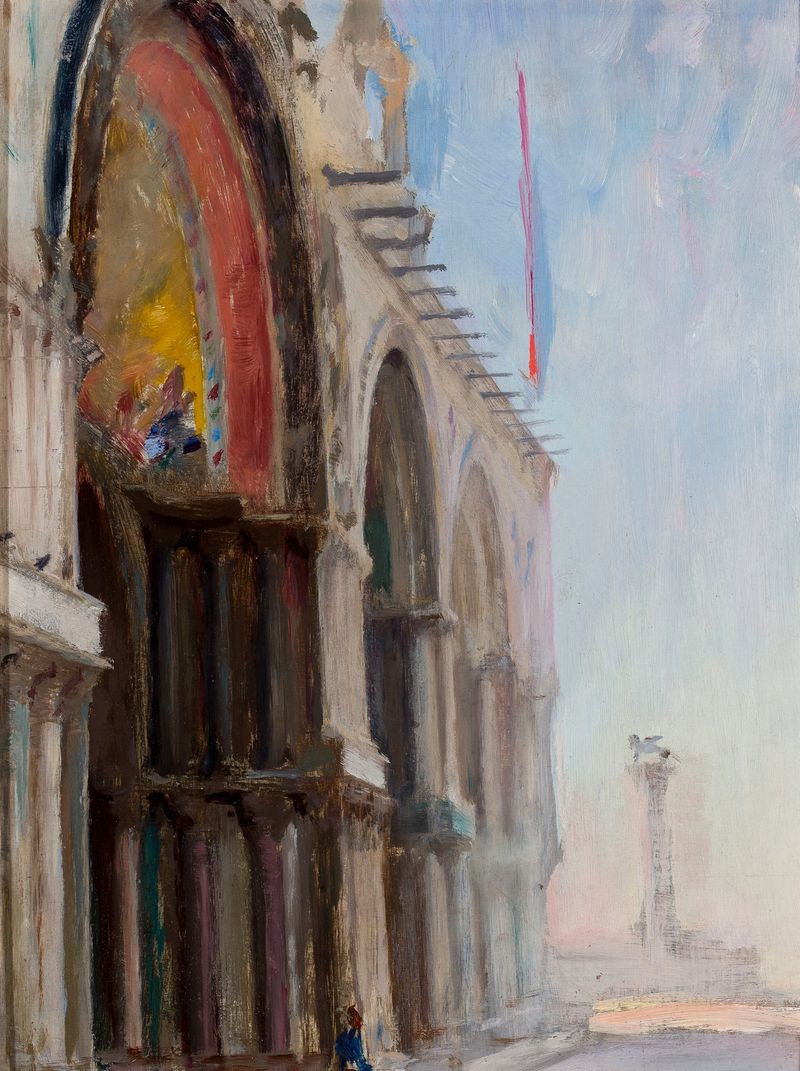
Venice – San Marco. From the journey to Italy
Jan Ciągliński
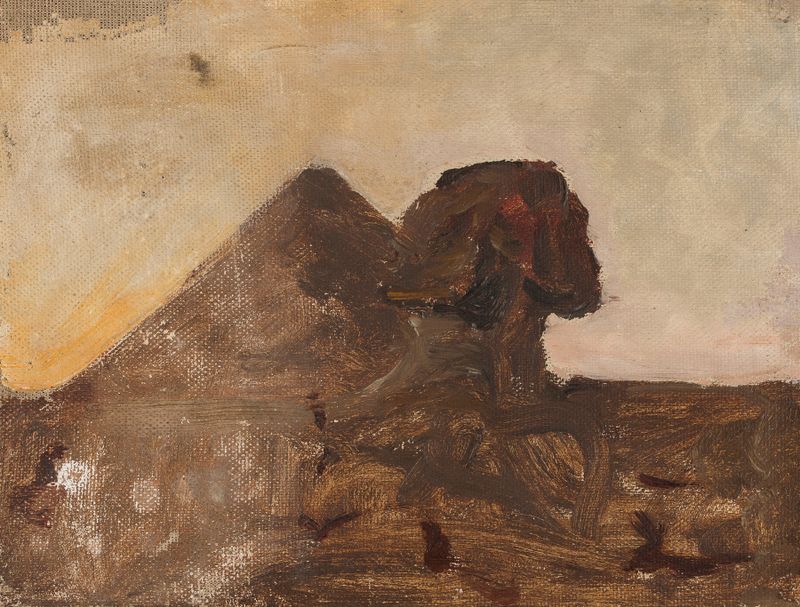
Evening in the desert – Sphinx and pyramid. From the journey to Egypt
Jan Ciągliński





