
Spitzbergen, Bearing South — History & Facts
In the chaos of existence, what truths lay hidden beneath layers of paint and emotion? Look to the center where tumultuous brushstrokes collide, a wild dance of greens and blues, capturing the essence of nature’s fury. The sweeping curves suggest movement, leading the eye toward the horizon where sky and sea blend into a restless tumult. Notice how the white highlights flicker across the canvas, invoking both ice and light, while the darker shades lurking at the edges whisper of the unknown depths below. Beneath the surface, the contrast between color and form speaks to the duality of beauty and danger.
The turbulent waves embody chaos, yet they also cradle the glimmers of hope presented by the pale, cold light. This interplay suggests a fragile balance, where nature’s sublime power can both inspire awe and evoke fear. The artist’s choices resonate with an underlying tension — the struggle between man and the unforgiving natural world, urging viewers to confront their own relationship with chaos. Charles Hamilton Smith painted this work during a time of exploration and discovery in the 19th century, when the allure of uncharted territories captivated the imagination.
Living in England, he was surrounded by a growing fascination with the polar regions, which reflected broader interests in adventure and the natural sciences. This period was marked by a desire to document the beauty and peril of the world, making Spitzbergen, Bearing South a poignant reflection of its time.
More Artworks by Charles Hamilton Smith
Browse all →
Situation of H.M.S. Hecla & Griper
Charles Hamilton Smith
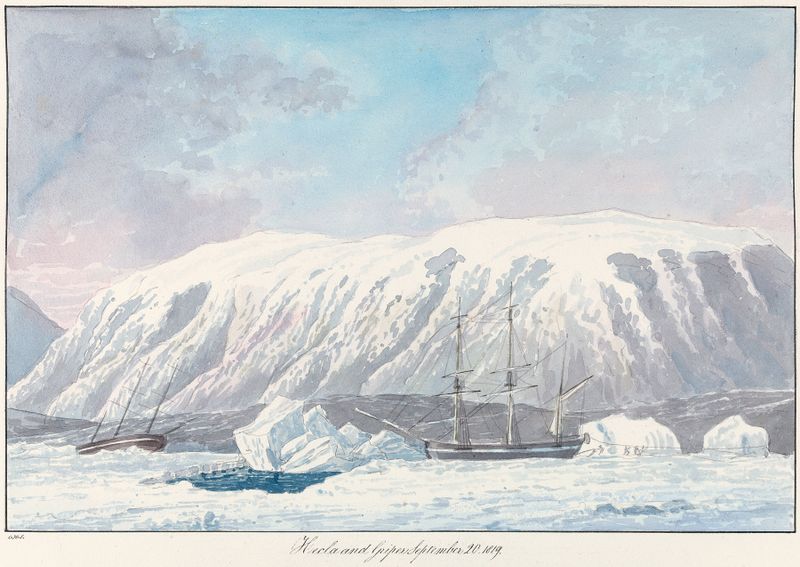
Hecla and Griper
Charles Hamilton Smith

Friendly Cove, Nootka Sound
Charles Hamilton Smith

Iceberg in Baffin’s Bay
Charles Hamilton Smith
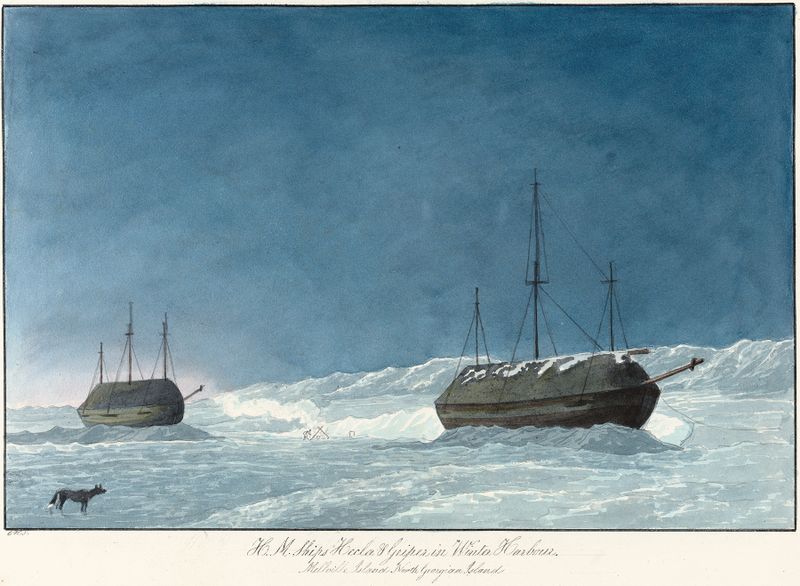
H. M. Ships Hecla and Griper in Winter Harbour
Charles Hamilton Smith

The Erebus & Terror in a Gale in the Pack of the Ice
Charles Hamilton Smith
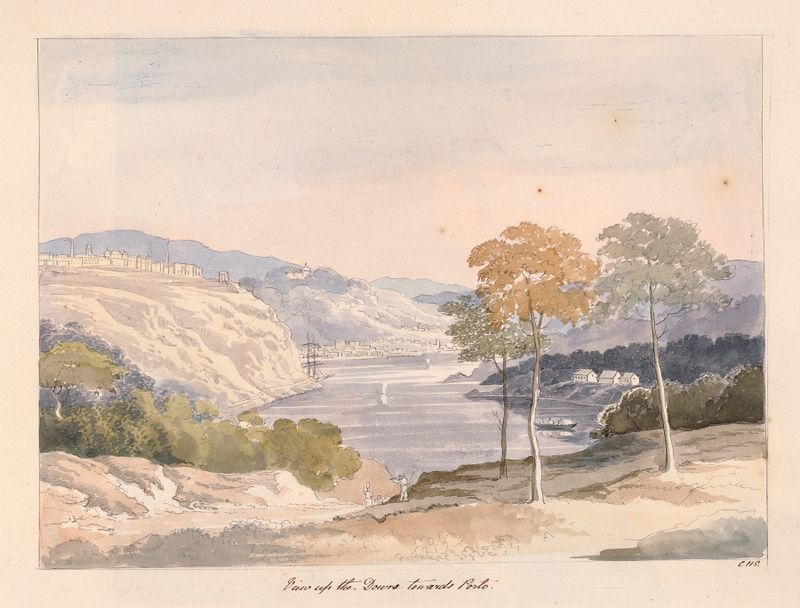
View of the Douro towards Porto
Charles Hamilton Smith
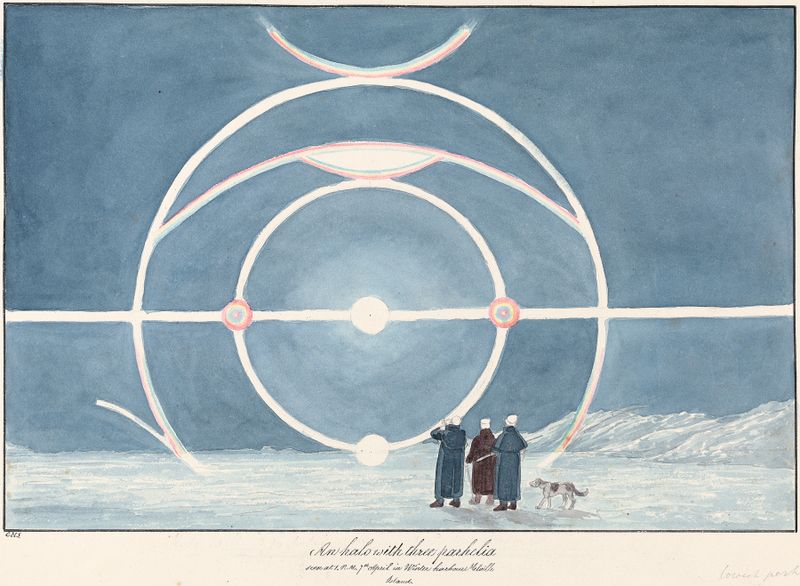
Halo with Three Parhelia, Winter Harbour Melville Island
Charles Hamilton Smith
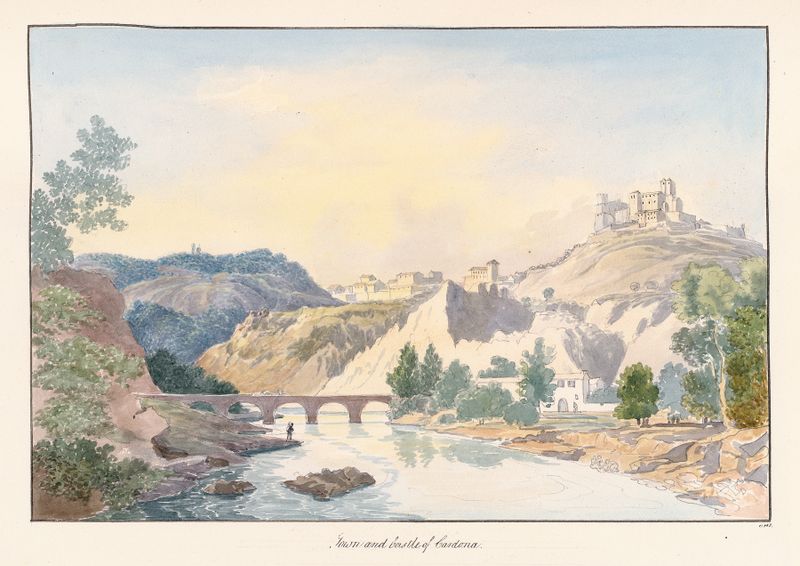
Town and Castle of Cardona
Charles Hamilton Smith
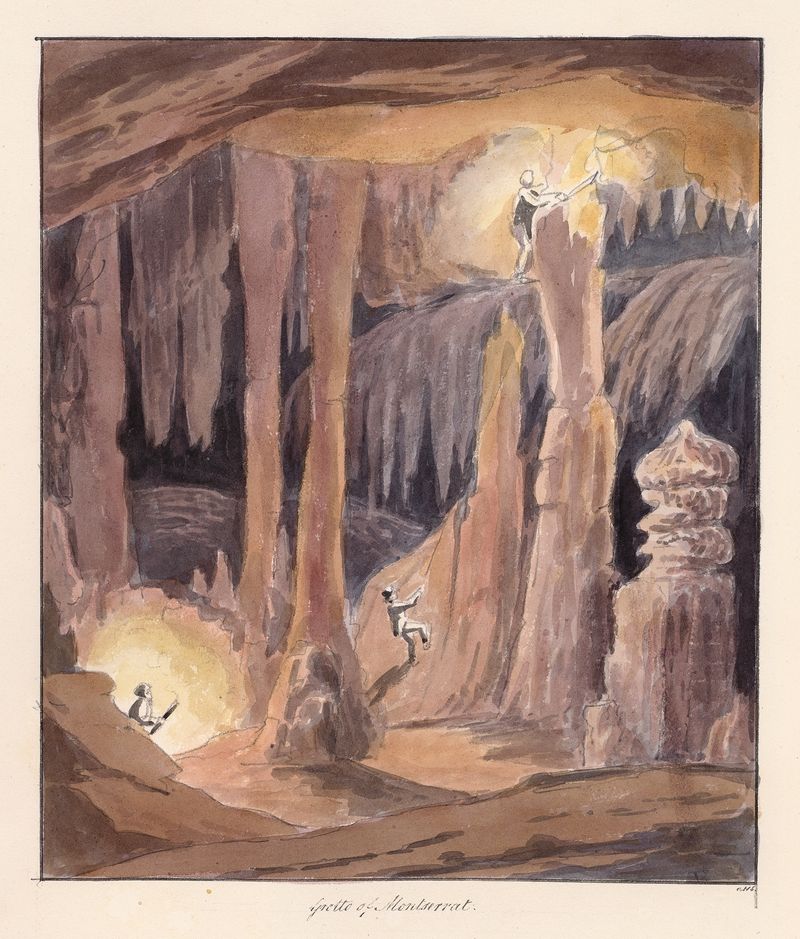
Grotto of Montserrat
Charles Hamilton Smith





