
Spitzbergen, East End — History & Facts
In every stroke lies the essence of beauty, waiting to be unveiled. Look to the foreground, where rugged cliffs emerge from the canvas, their jagged edges softened by the delicate play of muted greens and blues. Notice how the sky, a swirling mass of grays and whites, creates an ethereal backdrop against the solid earth. The artist’s skillful layering allows the viewer to feel the texture of the landscape, as if they could reach out and touch the cool stone or feel the crisp air.
Each brushstroke is purposeful, guiding the eye through a harmonious composition that balances the harshness of nature with serene beauty. Delve deeper into the contrasts that define this work. The interplay between shadow and light is palpable, suggesting both the weight of history and the fleeting nature of time. The slight movement of clouds indicates an ever-changing sky, evoking a sense of transience and impermanence.
Here, the ruggedness of the cliffs and the softness of the sky coalesce, challenging the viewer to find tranquility amidst the tumult of nature. This dance between elements hints at a world that is at once formidable and inviting—a duality that resonates with our own human experience. Created during a time of great exploration and scientific inquiry, this piece reflects Charles Hamilton Smith’s passion for capturing the natural world. Although the exact date remains uncertain, his work was part of a broader artistic movement in the early 19th century that sought to document and celebrate the beauty of remote landscapes.
It was a period marked by a fascination with the sublime, as artists like Smith ventured into uncharted territories, blending art with a deeper understanding of geography and environmental splendor.
More Artworks by Charles Hamilton Smith
Browse all →
Situation of H.M.S. Hecla & Griper
Charles Hamilton Smith
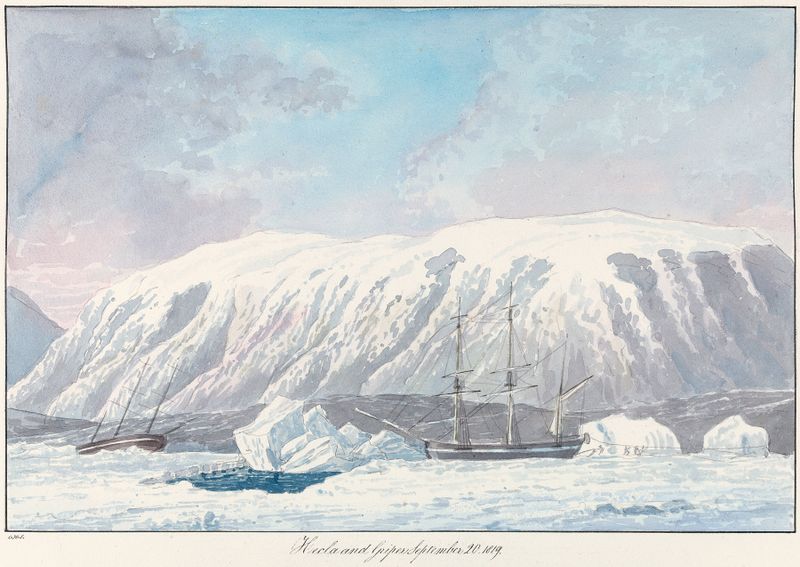
Hecla and Griper
Charles Hamilton Smith

Friendly Cove, Nootka Sound
Charles Hamilton Smith

Iceberg in Baffin’s Bay
Charles Hamilton Smith
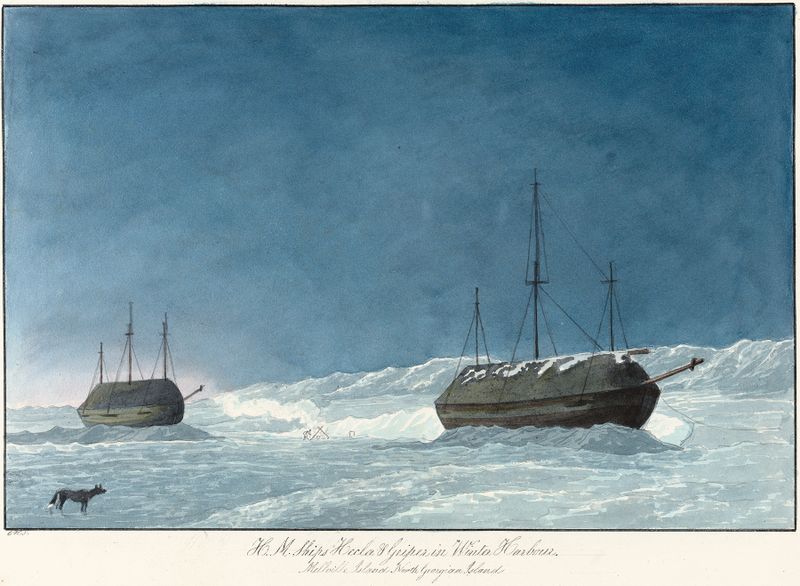
H. M. Ships Hecla and Griper in Winter Harbour
Charles Hamilton Smith

The Erebus & Terror in a Gale in the Pack of the Ice
Charles Hamilton Smith
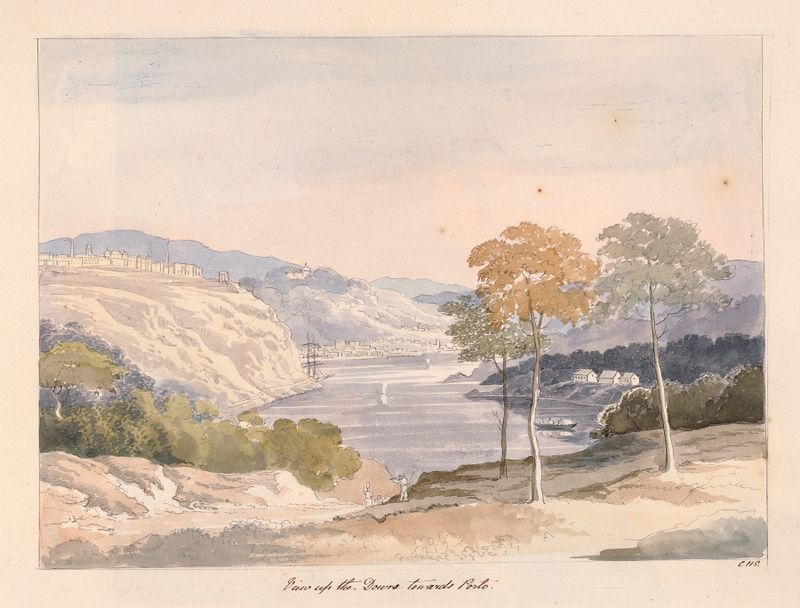
View of the Douro towards Porto
Charles Hamilton Smith
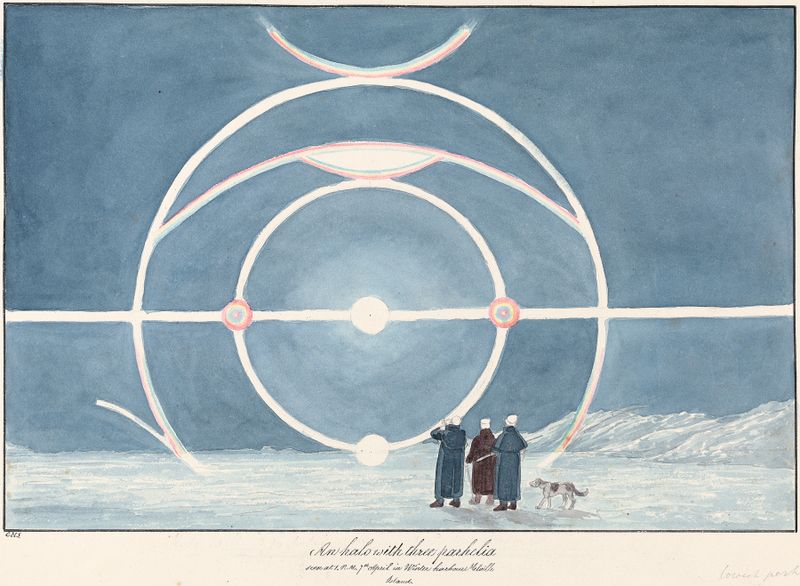
Halo with Three Parhelia, Winter Harbour Melville Island
Charles Hamilton Smith
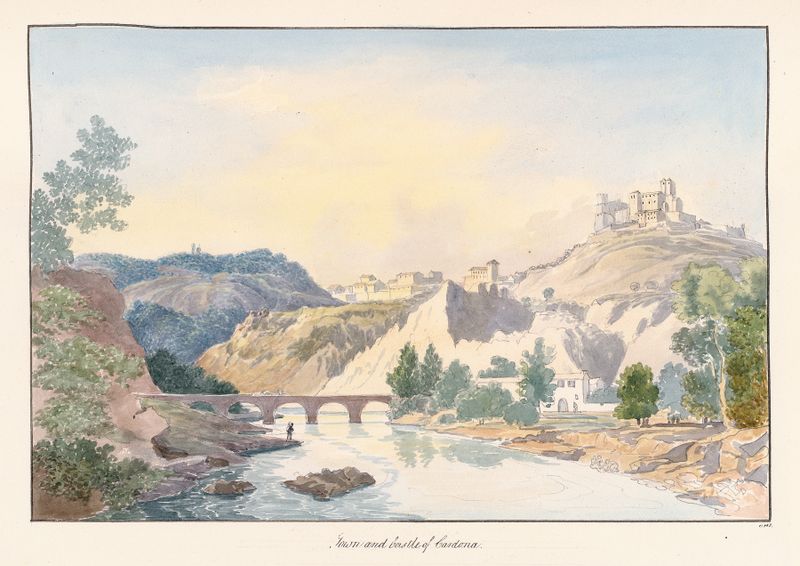
Town and Castle of Cardona
Charles Hamilton Smith
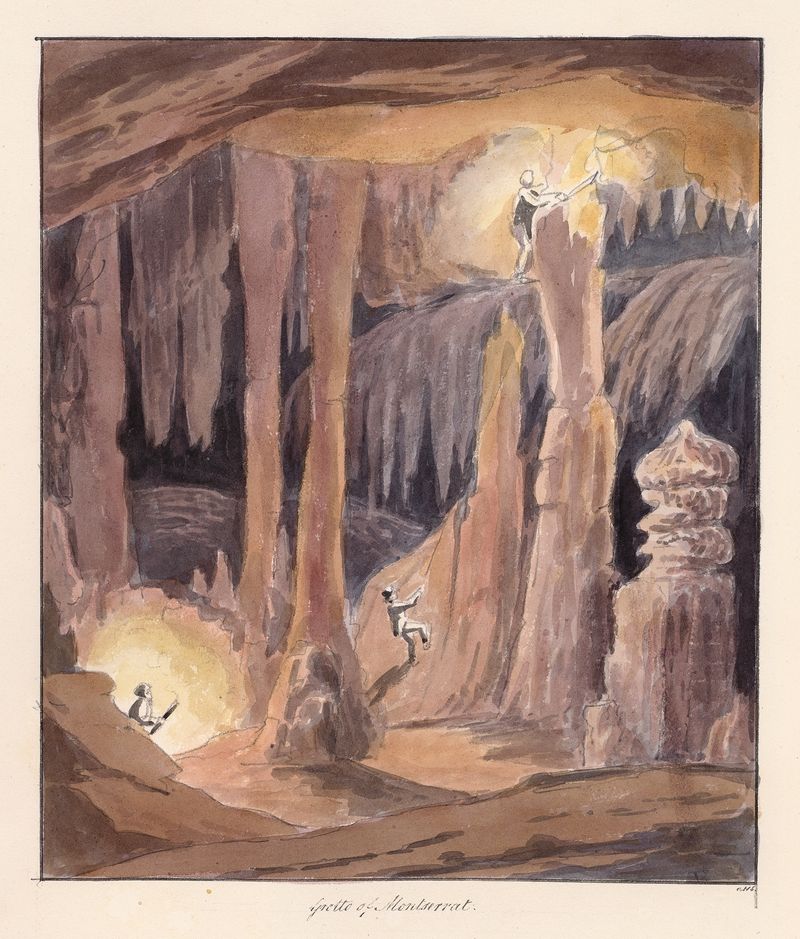
Grotto of Montserrat
Charles Hamilton Smith





