
Spitzbergen, Main Peaks Bearing West — History & Facts
In the tumult of chaotic natural beauty, how does one capture the essence of raw, unyielding landscapes? Look closely at the rugged peaks that dominate the canvas, their jagged outlines clawing at the bright sky. The artist’s palette bursts with earthy browns and deep greens, inviting the viewer to trace the contours, while the strokes convey both motion and stillness. Notice the ghostly wisps of white clouds swirling around the heights, hinting at the tempestuous weather that defines this remote region.
The interplay of light and shadow creates a dynamic tension, emphasizing the immense scale and majesty of nature. Beneath the surface, the painting whispers of contrasts: the calmness of the distant horizon is juxtaposed with the violent strokes of the foreground. You can almost sense the chaos of the elements, with the mountains standing as silent witnesses to the storms that rage against them. Each brushstroke encapsulates the struggle between serenity and chaos, evoking a sense of reverence for the untamed wilderness that seems both inviting and intimidating. At the time of creating this work, Charles Hamilton Smith was likely navigating the tumultuous waters of early 19th-century art, amidst the Romantic movement that celebrated nature's sublime power.
His exploration of the Arctic landscapes coincided with a growing fascination with the natural world and its depiction in art. It was a period marked by scientific discovery and a desire to capture the sublime, where the artist sought to evoke emotions through the grand vistas he portrayed.
More Artworks by Charles Hamilton Smith
Browse all →
Situation of H.M.S. Hecla & Griper
Charles Hamilton Smith
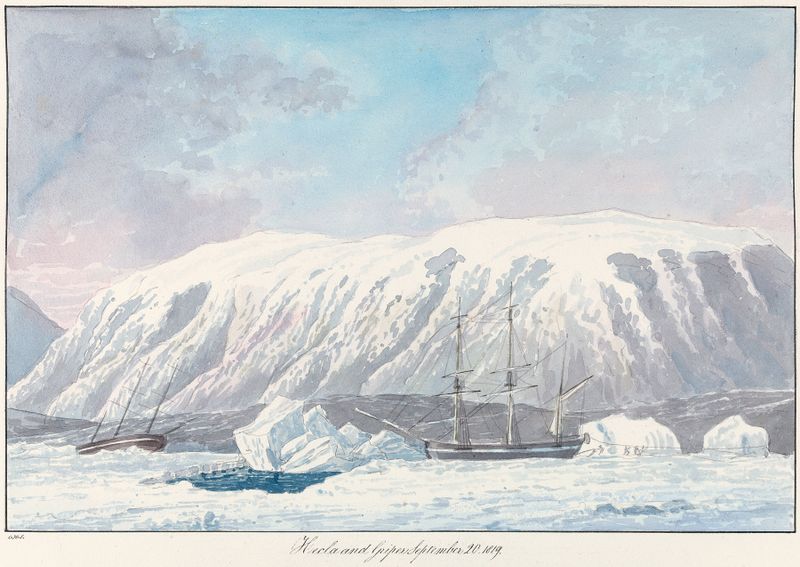
Hecla and Griper
Charles Hamilton Smith

Friendly Cove, Nootka Sound
Charles Hamilton Smith

Iceberg in Baffin’s Bay
Charles Hamilton Smith
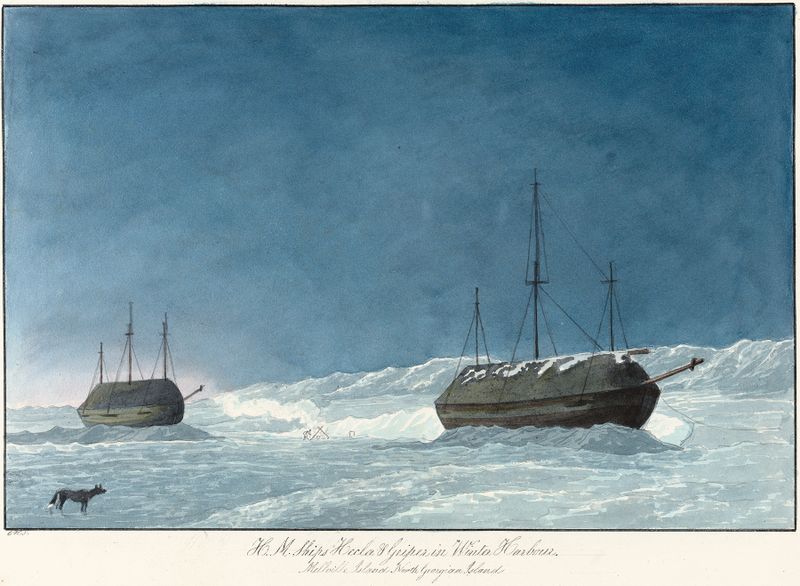
H. M. Ships Hecla and Griper in Winter Harbour
Charles Hamilton Smith

The Erebus & Terror in a Gale in the Pack of the Ice
Charles Hamilton Smith
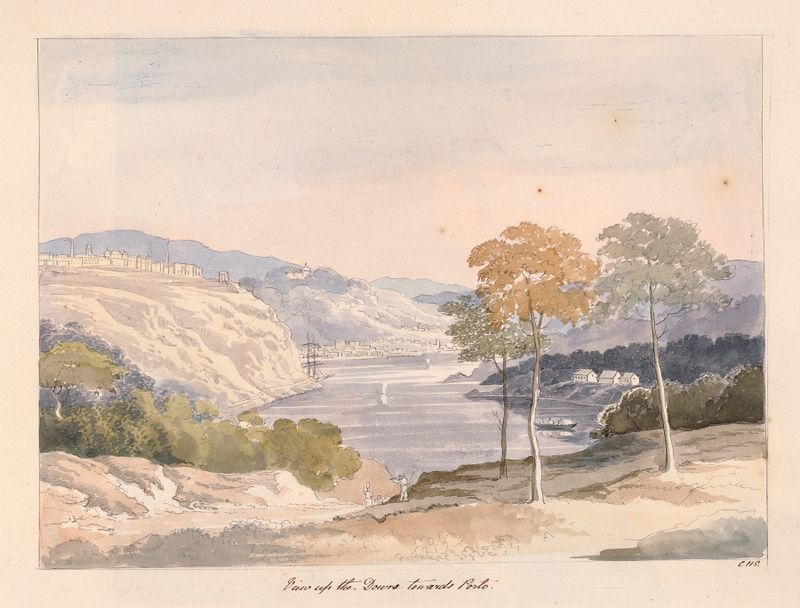
View of the Douro towards Porto
Charles Hamilton Smith
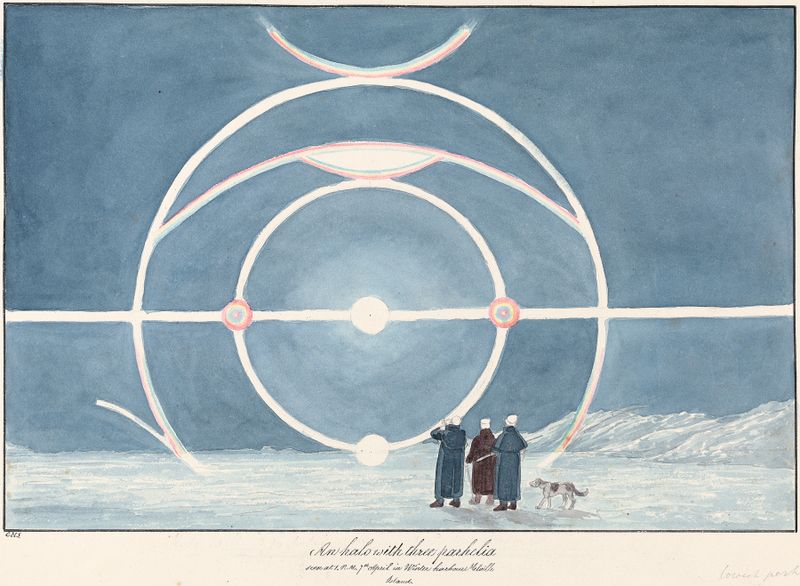
Halo with Three Parhelia, Winter Harbour Melville Island
Charles Hamilton Smith
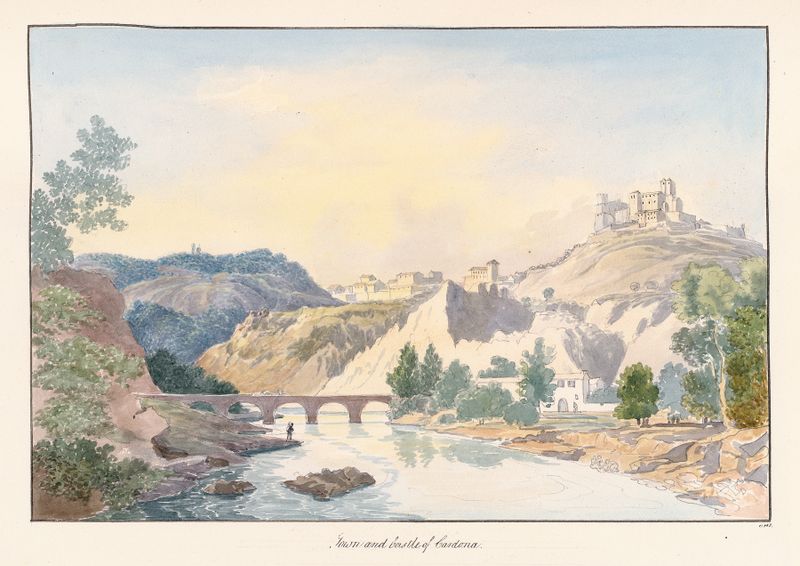
Town and Castle of Cardona
Charles Hamilton Smith
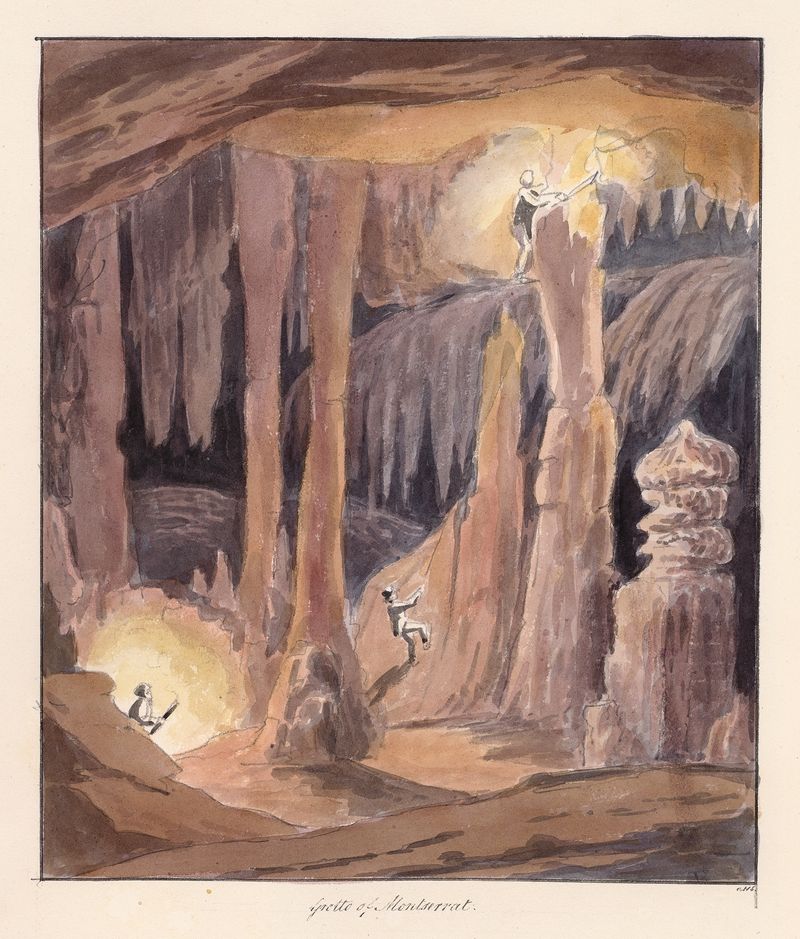
Grotto of Montserrat
Charles Hamilton Smith





