Spoon tray with a pheasant on a rock and flower scrolls — History & Facts
Did the painter know this moment would outlive them? In a world where fleeting beauty often fades into obscurity, the delicate rendition of a pheasant perched upon a rock speaks to an eternal truth: artistry can capture the ephemeral. This tranquil tableau invites us to reflect on the illusion of permanence, a sentiment deftly translated through the artist's hand. Look closely at the pheasant, its plumage intricately detailed with vibrant hues that blend seamlessly into the surrounding scrolls of flowers. Notice how the artist uses light to breathe life into the feathers, giving them a luminous quality that dances across the canvas.
The stone beneath the bird is rendered with a tactile realism, drawing the viewer's eye to its rough texture contrasted with the softness of the surrounding blooms. This interplay of elements creates a harmonious balance, leading your gaze around the composition. Beneath the surface, the work conveys themes of nature's fleeting beauty and human attempts at preservation. The juxtaposition of the solid rock and the delicate flower scrolls encapsulates the tension between resilience and transience.
The pheasant, seemingly alive in its depiction, becomes a symbol of the artist's desire to immortalize moments that would otherwise slip away. Each brushstroke whispers secrets of time, nature, and the artist's understanding of life's impermanence. Created between 1725 and 1749, this piece reflects a period rich in decorative arts, where the boundaries of fine art and craft blurred. The artist, lost to history, likely worked amidst a growing appreciation for still lifes, where nature's grace was celebrated not just for its fleeting beauty but as a testament to skill.
In this era, such artworks became cherished reminders of the natural world, merging illusion with the tangible.
More Artworks by Unknown Artist
Browse all →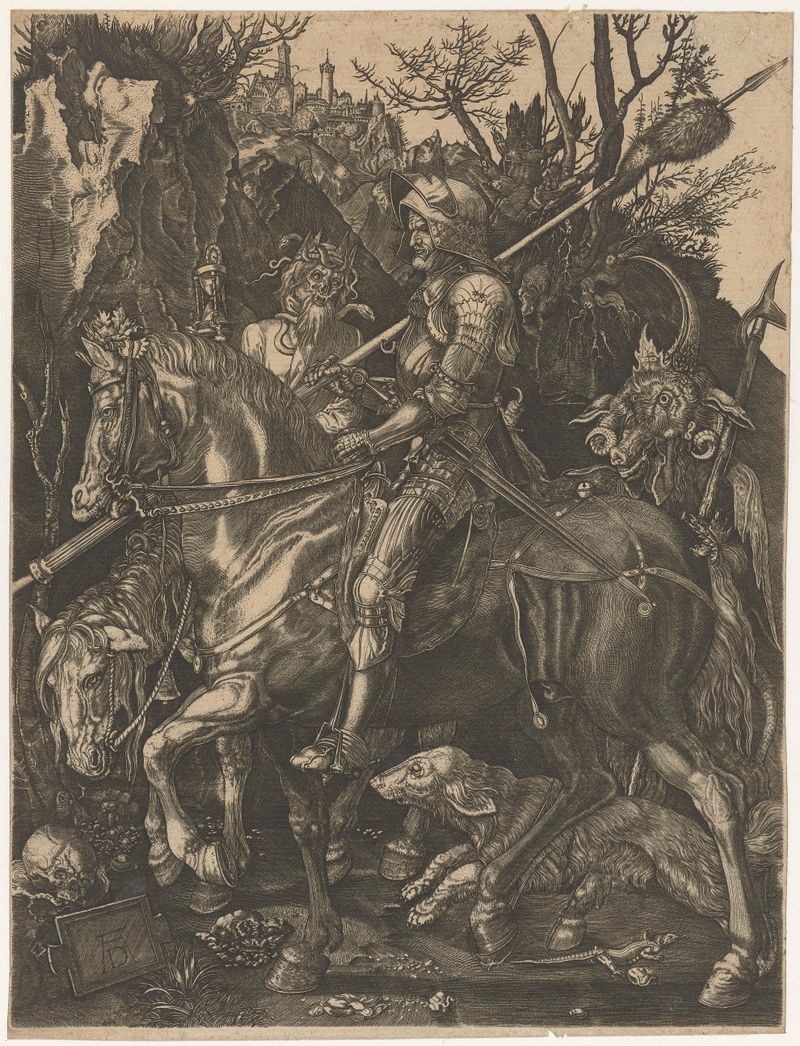
Ridder, Dood en Duivel
Unknown Artist
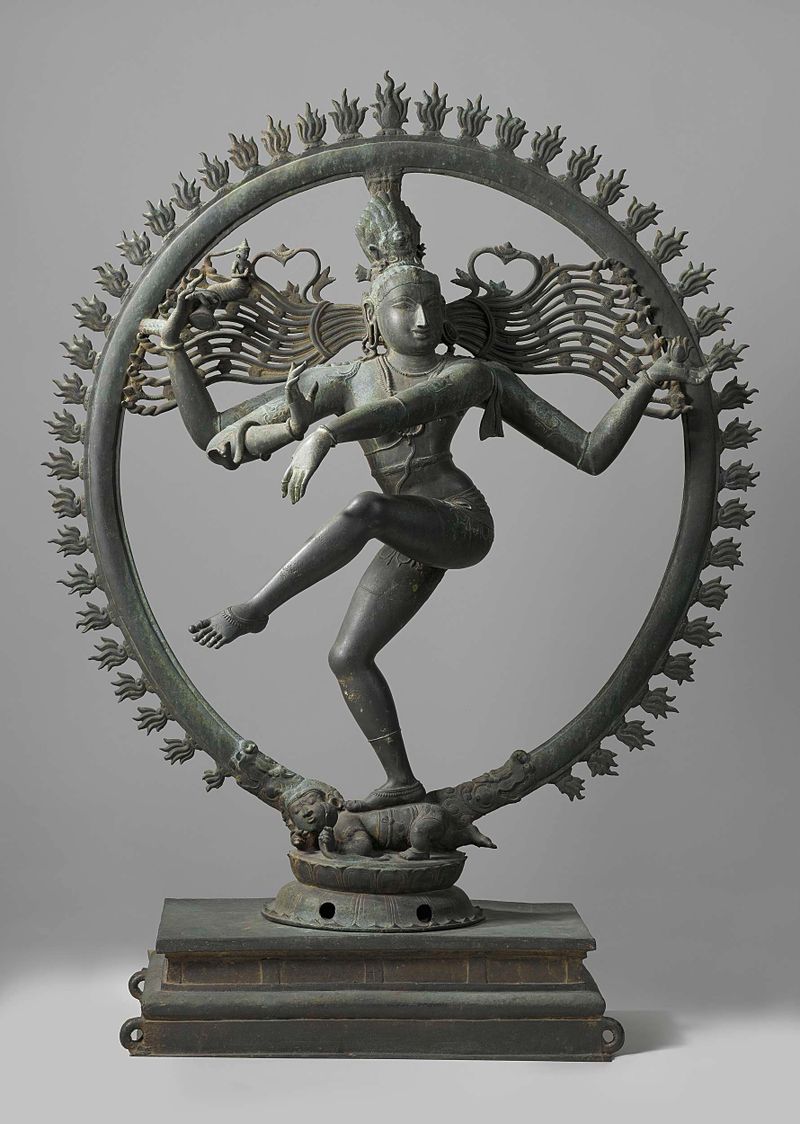
Shiva Nataraja
Unknown Artist
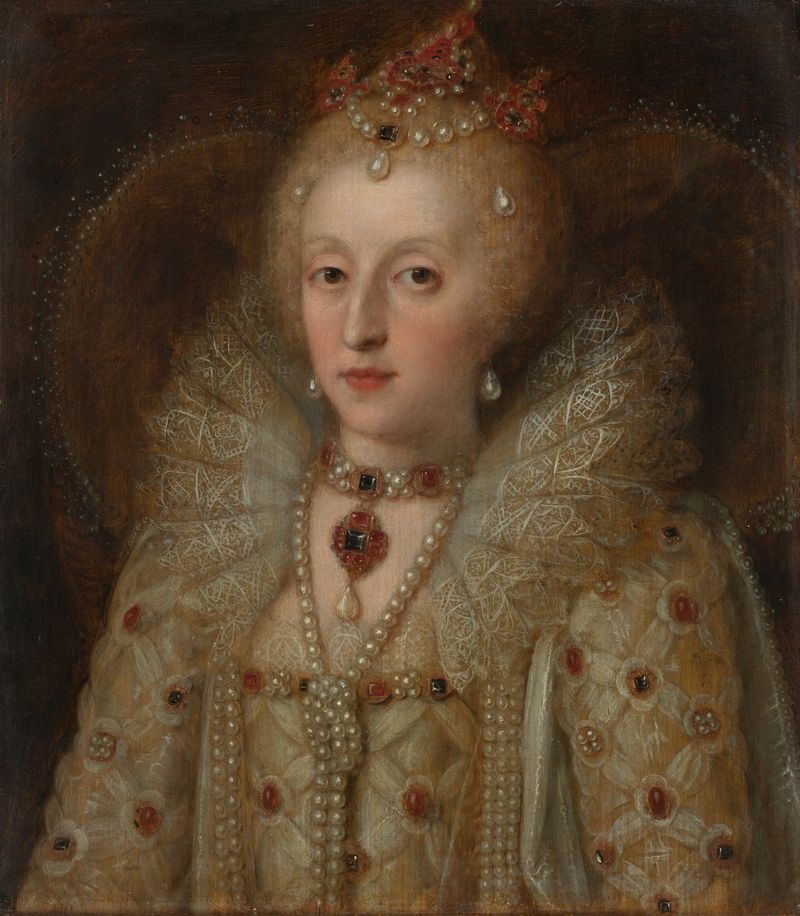
Portrait of Elizabeth I, Queen of England
Unknown Artist
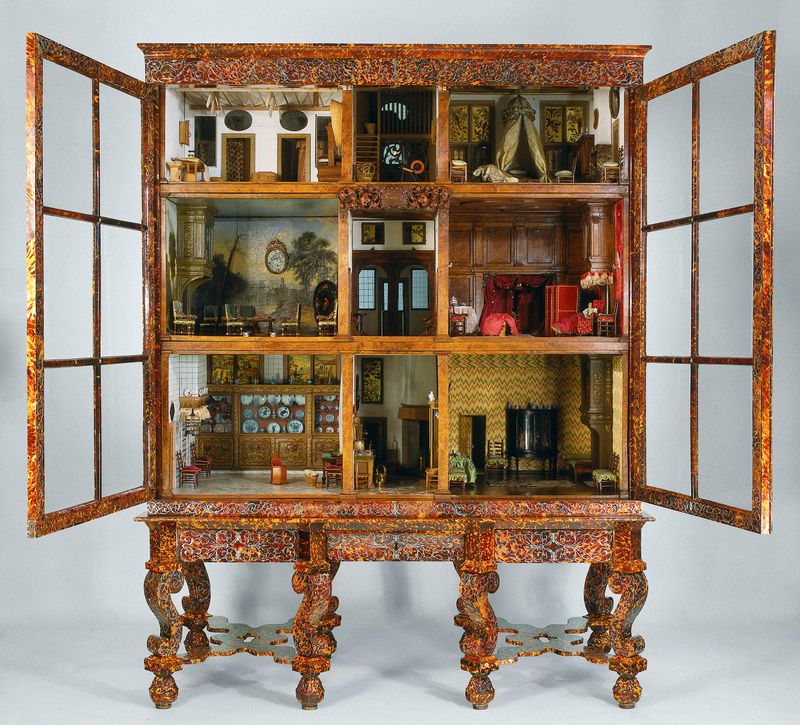
Dolls’ house of Petronella Oortman
Unknown Artist
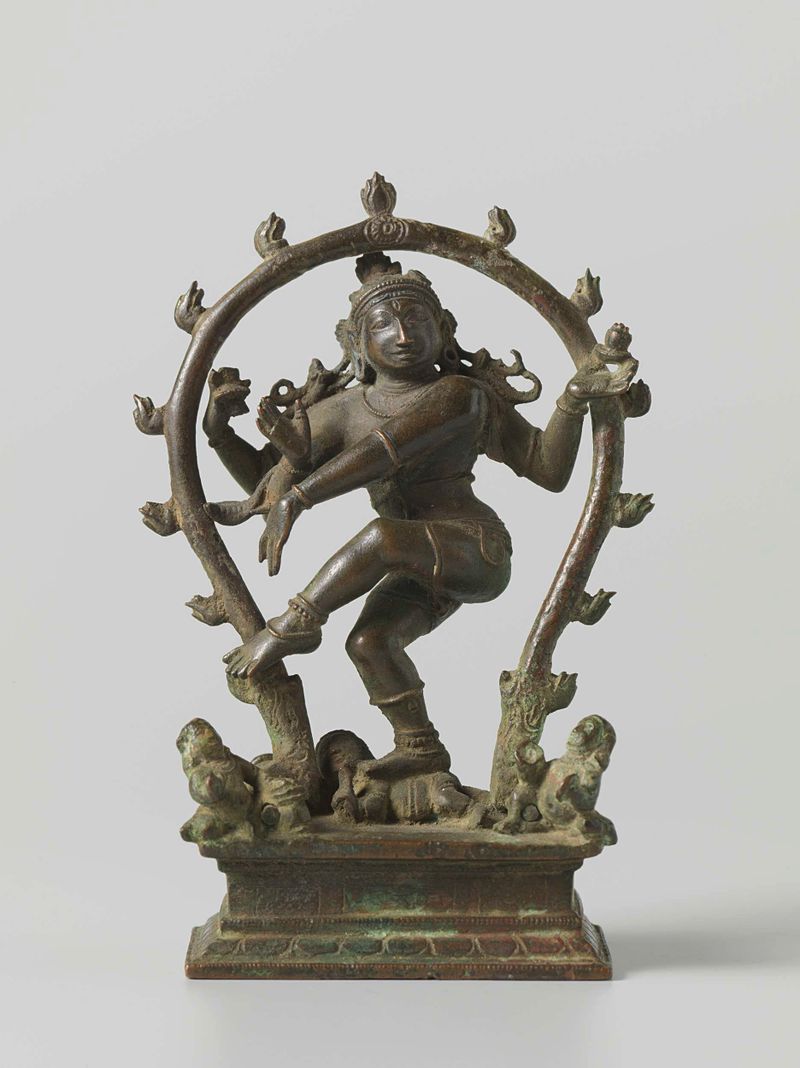
Shiva Nataraja
Unknown Artist

The Tale of Genji
Unknown Artist

The Tale of Genji
Unknown Artist

Cong
Unknown Artist
The bodhisattva Maitreya
Unknown Artist

Teabowl with a 'hare's fur' glaze
Unknown Artist