
Spring in the Forest of Fontainebleau — History & Facts
When did color learn to lie? The essence of transformation breathes within the strokes, reflecting nature's ever-changing spirit and the vibrancy of life. Look to the center of the canvas, where bursts of green command attention, infusing the scene with a palpable energy. Notice how the artist employs dappled light, filtering through leaves, casting intricate shadows against the forest floor. The interplay of warm and cool colors creates an inviting atmosphere, beckoning the viewer to journey deeper into this lush setting.
Each brushstroke seems alive, as if the very air is infused with the scent of blooming flora. Yet, amid this vivid celebration, a quiet tension is woven into the fabric of the scene. The contrasting light and dark areas evoke a sense of mystery, suggesting that beneath spring's joyful facade lies an inevitable cycle of change. Intertwined branches hint at the struggle between growth and decay, while the soft haze enveloping the background raises questions about what remains unseen.
The balance between exuberance and melancholy captures nature's duality, reminding us that beauty often coexists with impermanence. Created during a period of artistic exploration, this piece reflects the transformative spirit of the early 20th century in which Henri worked. Active in New York and influenced by the Ashcan School, he sought to capture the vitality of everyday life through his art. As the world around him experienced the throes of modernity, his focus on the natural world served as a poignant reminder of the vibrant yet transient beauty that defines the human experience.
More Artworks by Robert Henri
Browse all →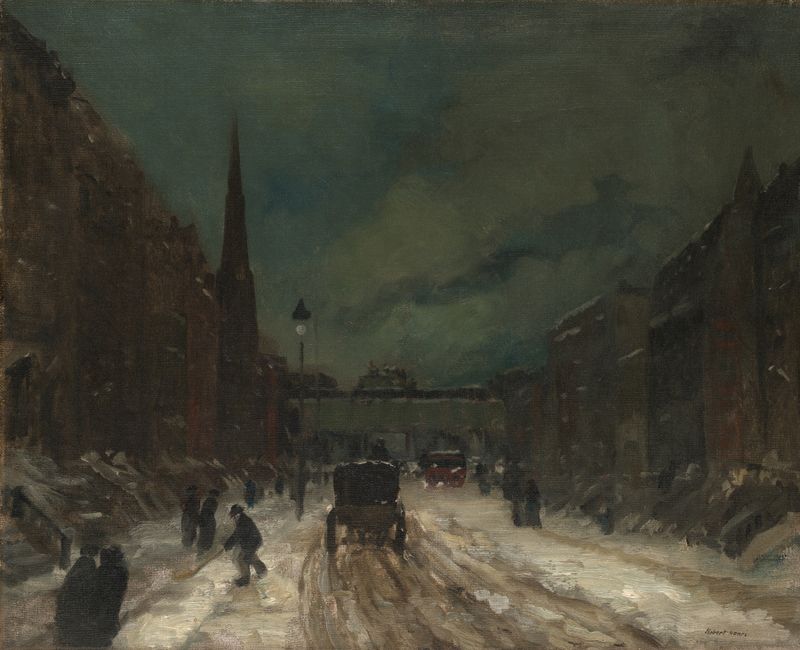
Street Scene with Snow (57th Street, NYC.)
Robert Henri
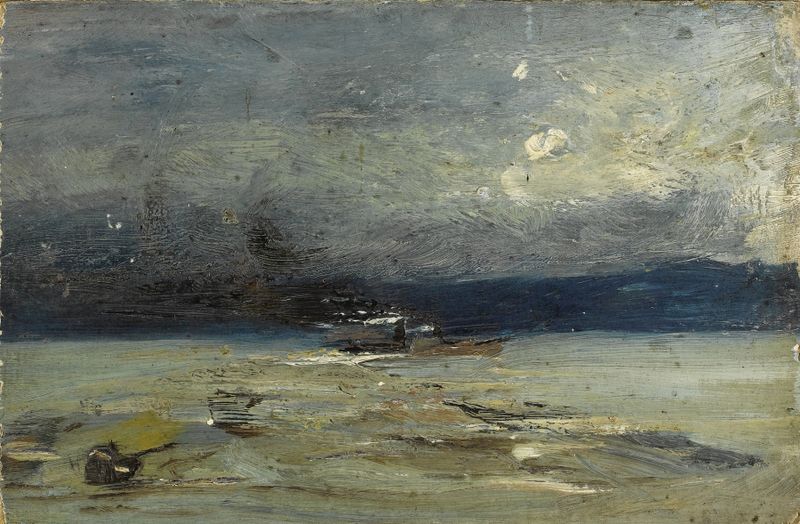
On the Hudson River
Robert Henri
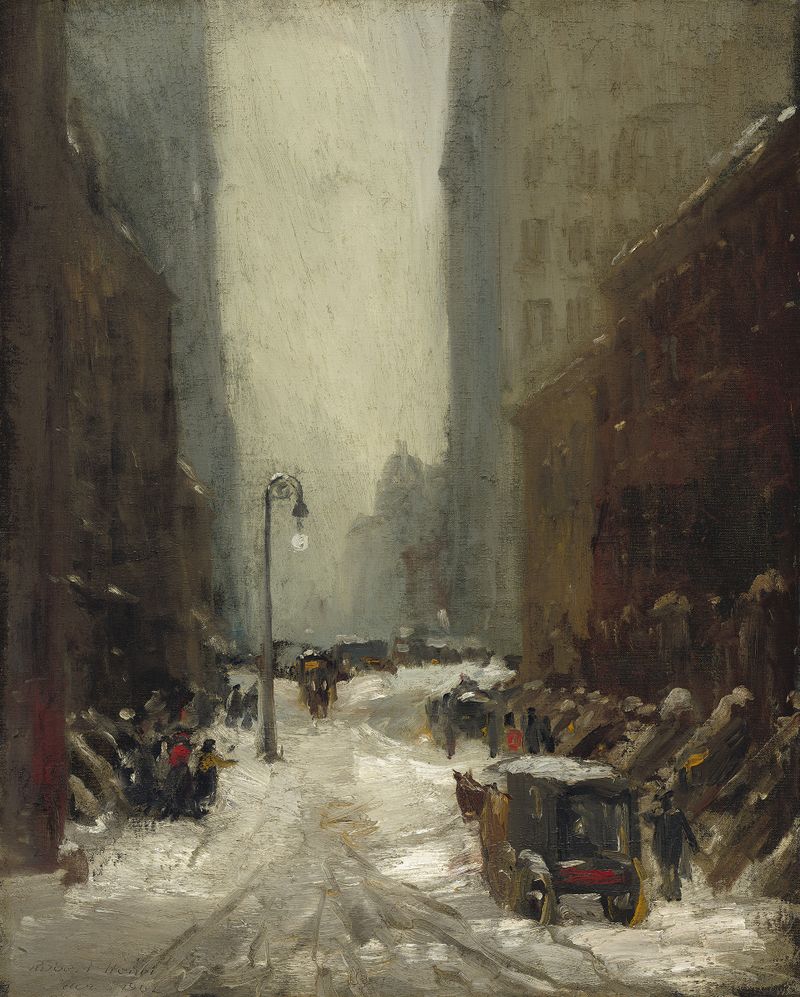
Snow in New York
Robert Henri
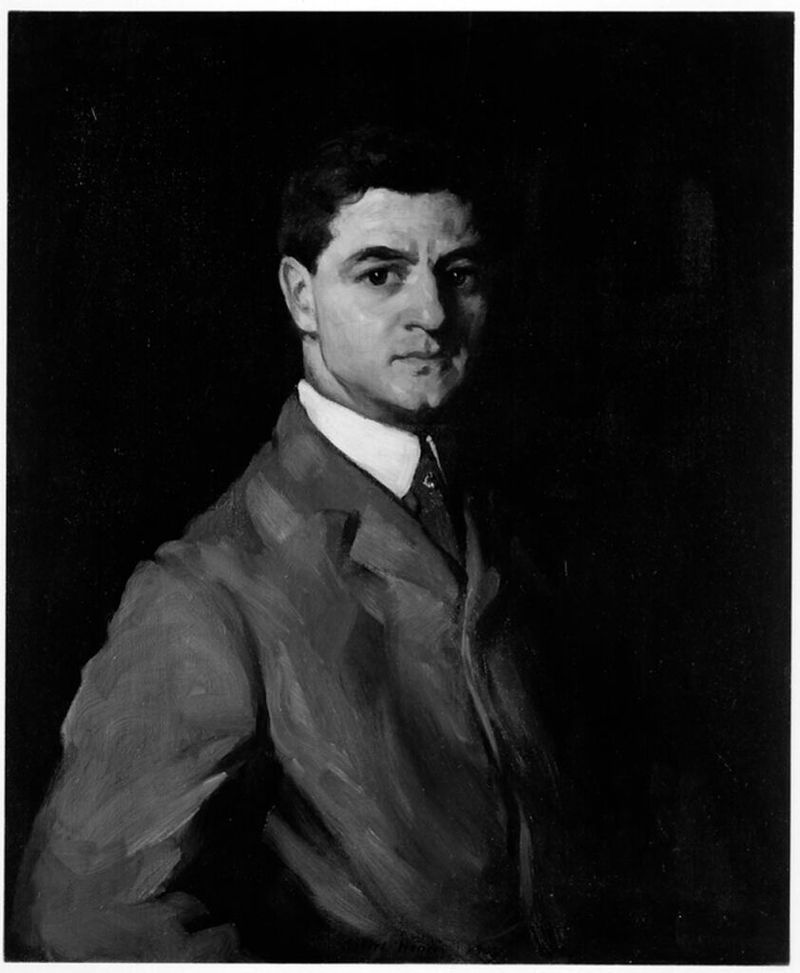
Carleton Eldredge Noyes (1872-1950)
Robert Henri
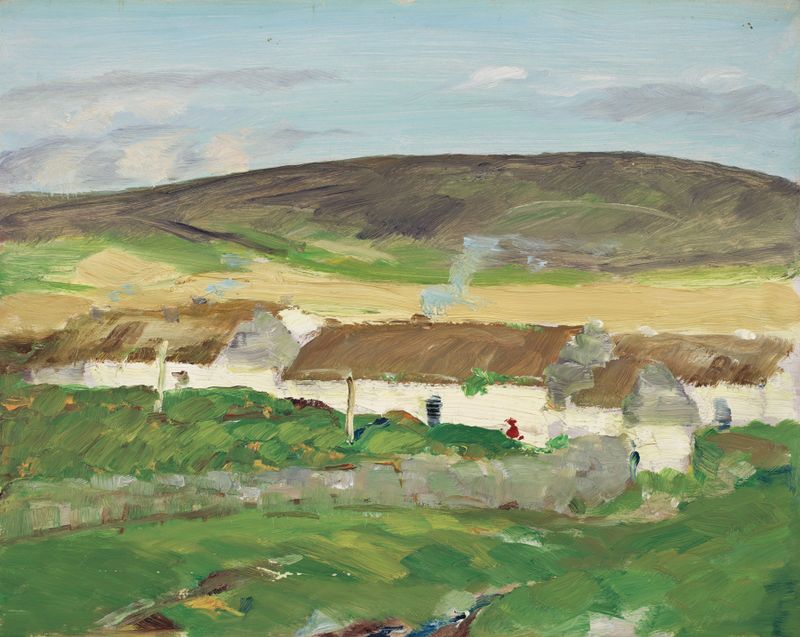
The White Cottage, Ireland
Robert Henri
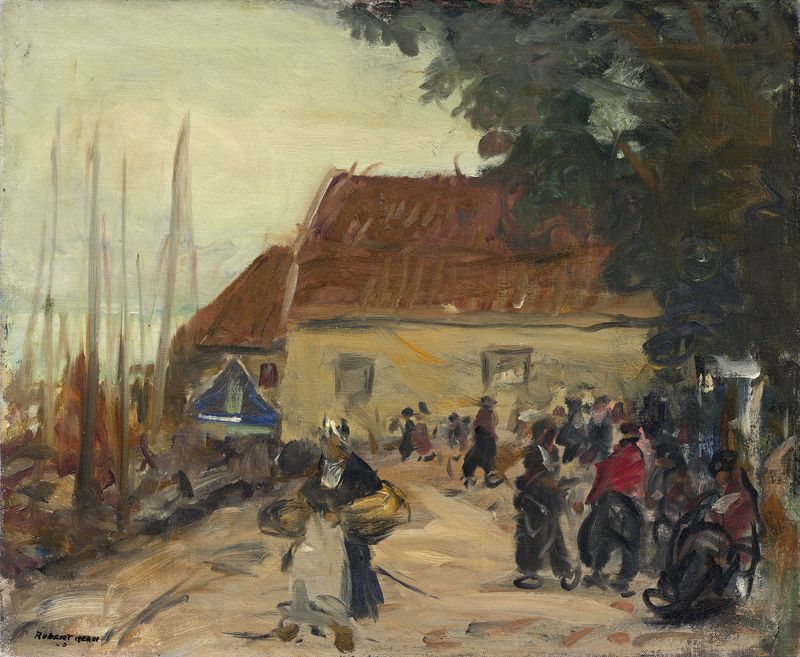
Volendam Street Scene
Robert Henri

Young Woman in Black
Robert Henri
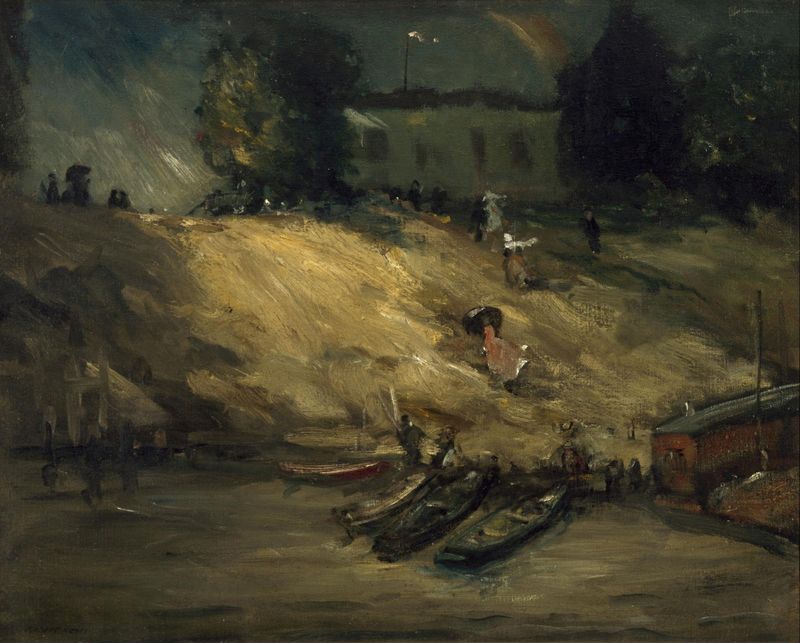
Sudden Shower
Robert Henri

Herself
Robert Henri
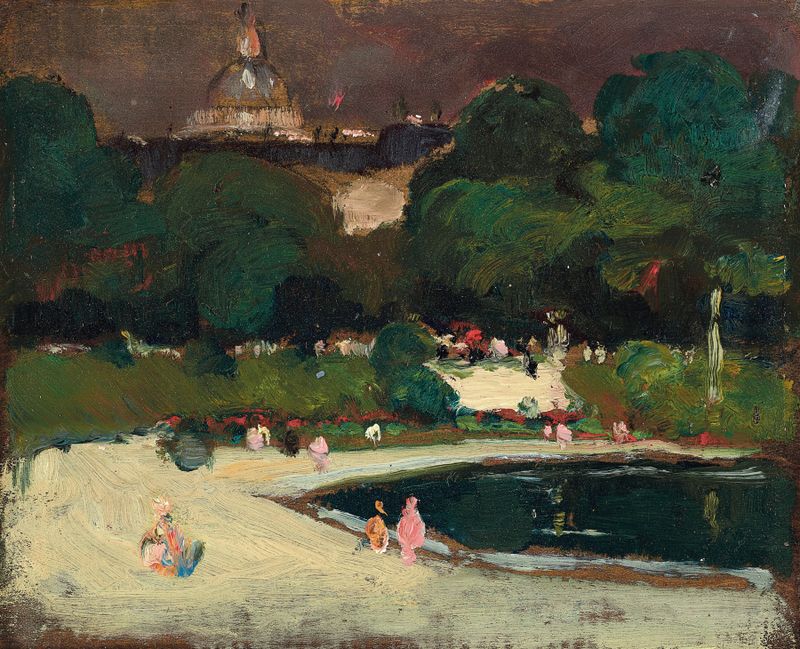
Luxembourg Gardens, Stormy Sky
Robert Henri





