
Spring landscape — History & Facts
In the stillness of a spring landscape, vibrant life unfurls amidst a backdrop of void, inviting contemplation and reflection. Focus on the center of the canvas, where a gentle burst of greens and yellows radiates warmth and vitality. Look closely at the brushstrokes that dance across the surface, a rhythmic interplay of color that brings life to the scene. The faint outlines of trees, almost ethereal, emerge from a soft haze, while distant hills provide a tranquil horizon, grounding the viewer in this serene moment.
The light, diffused yet present, creates a harmonious balance between shadow and illumination, pulling you deeper into the world Giacometti has crafted. Yet beneath this idyllic surface lies an emotional tension—the haziness suggests not only beauty but also a sense of longing. The absence of figures hints at solitude, evoking feelings of introspection, and perhaps even melancholy. The vivid colors contrast sharply with the void surrounding them, reinforcing the idea that within the lush landscape, one can feel both the exuberance of life and the weight of absence. In 1926, while living in Switzerland, Giovanni Giacometti painted this piece amidst an evolving art scene, transitioning from the vibrant colors of Post-Impressionism to the more subdued tones of Modernism.
This shift reflected his personal struggles, as he grappled with themes of existence and identity, seeking to express the depths of human experience through his art.
More Artworks by Giovanni Giacometti
Browse all →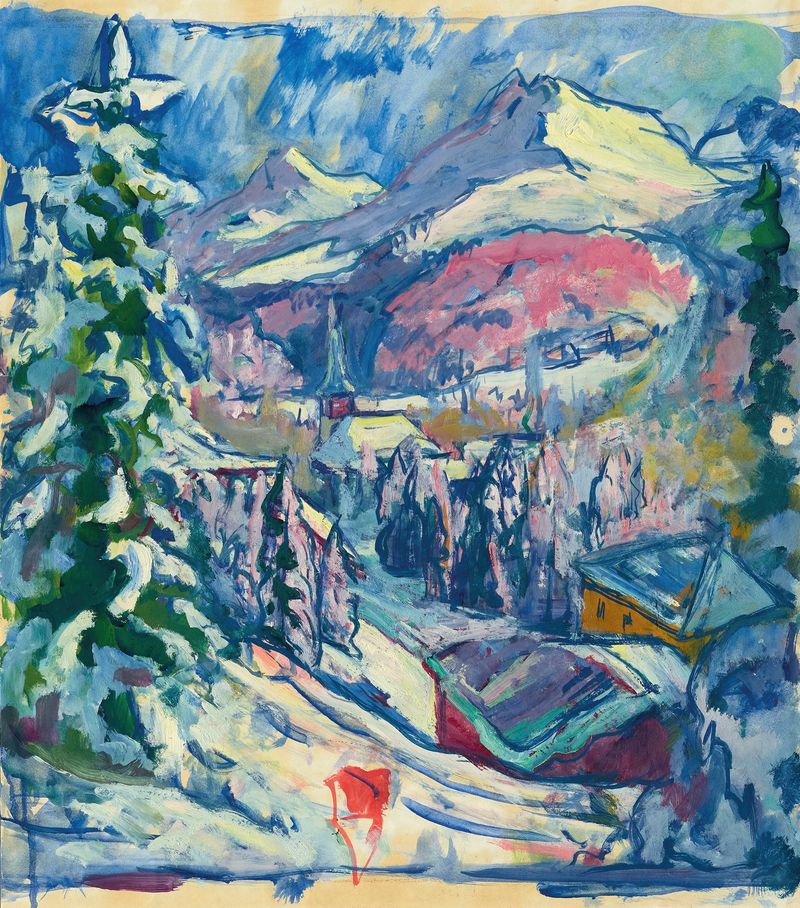
Davos im Winter
Giovanni Giacometti
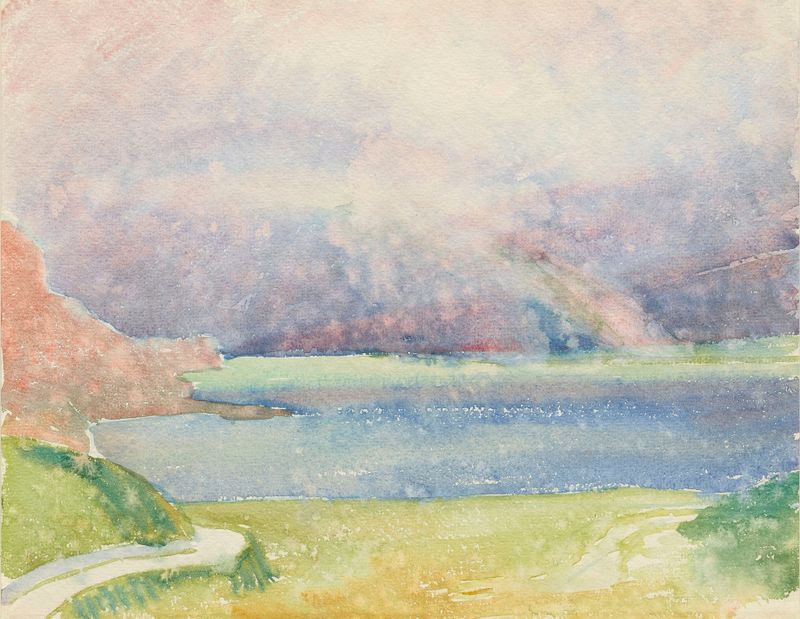
Blick von Maloja auf den Silsersee mit Regenbogen
Giovanni Giacometti
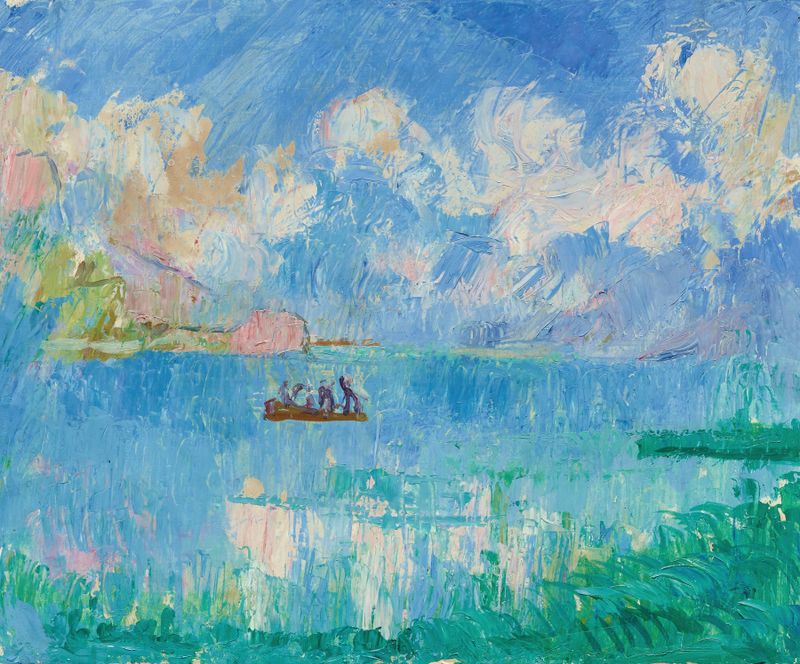
i Pescatori
Giovanni Giacometti
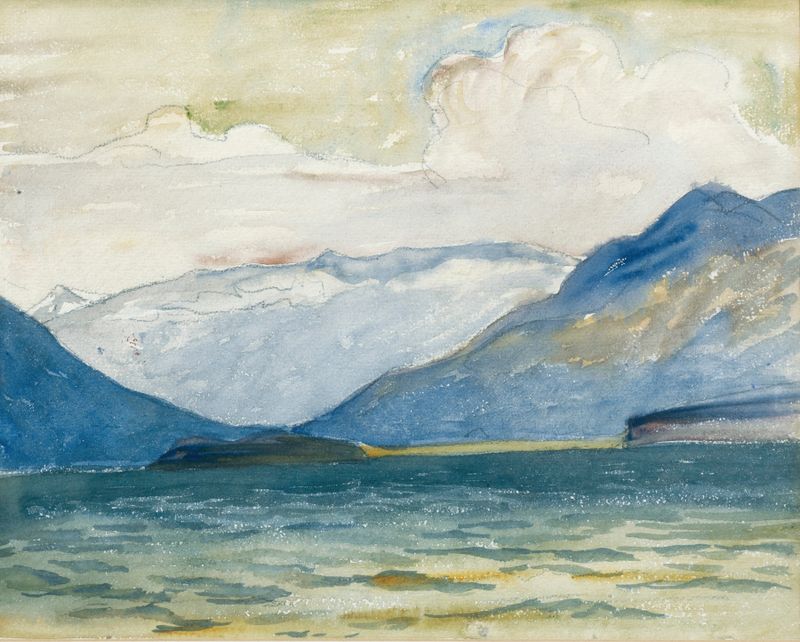
View From Plaun Da Lej Towards Chasté Peninsula
Giovanni Giacometti
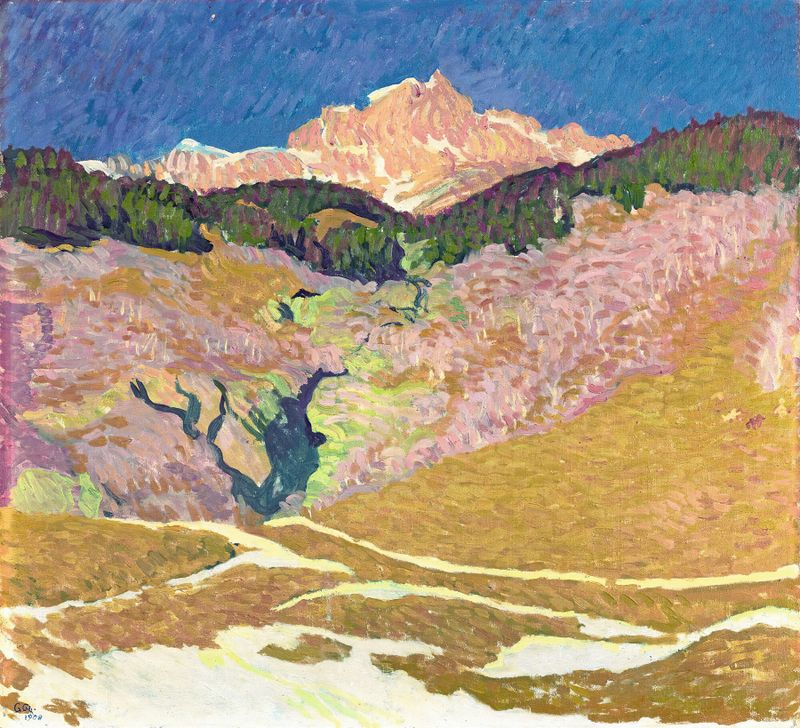
Piz Duan
Giovanni Giacometti
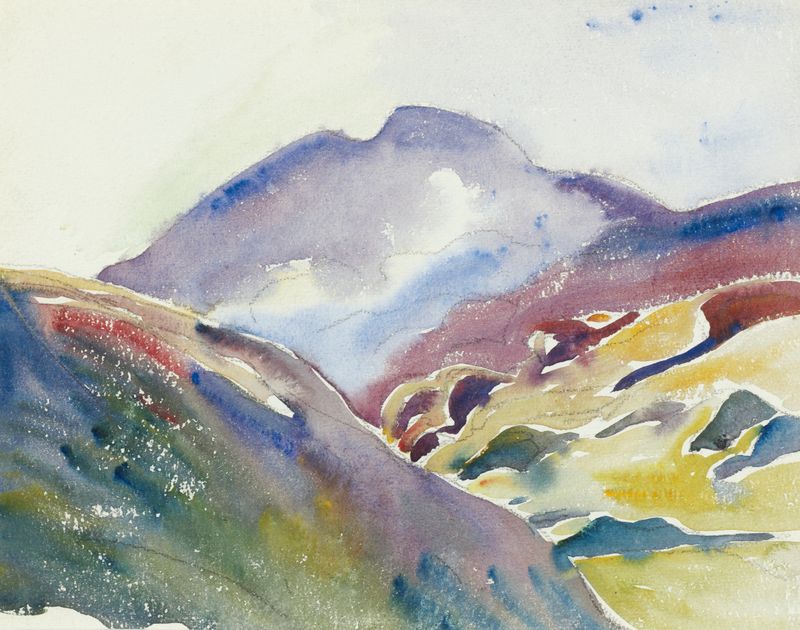
Alpine Landscape
Giovanni Giacometti
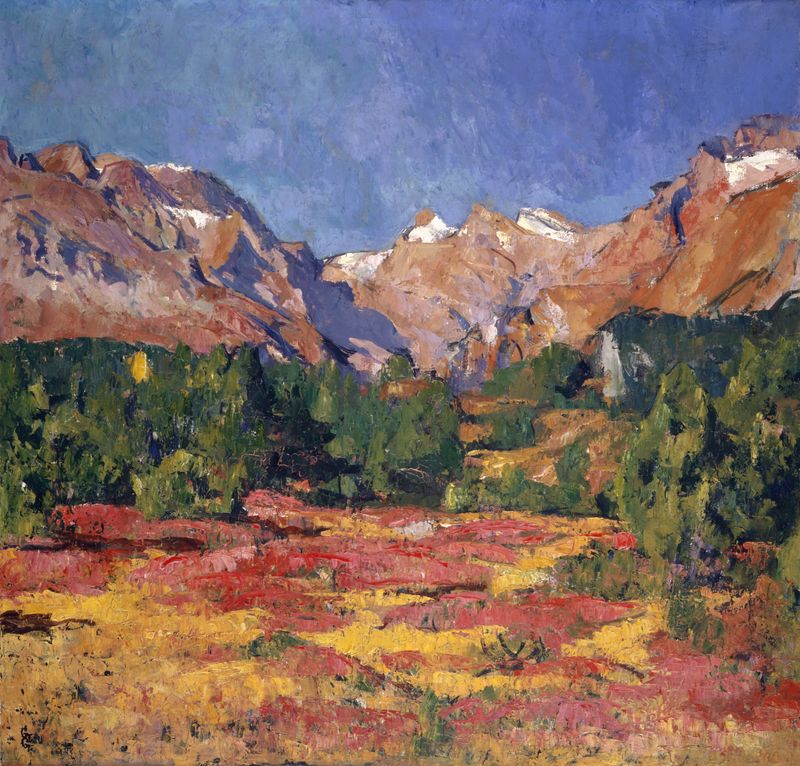
Autumn Landscape (Maroz Valley With Piz Duan And Gletscherhorn)
Giovanni Giacometti
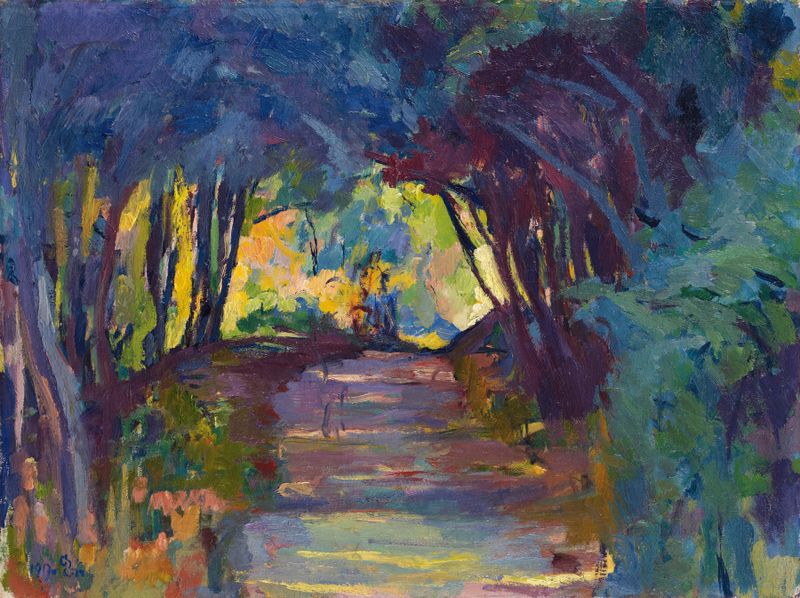
Forest Track
Giovanni Giacometti
Maloja
Giovanni Giacometti
Inverno
Giovanni Giacometti





