
Spring Street — History & Facts
What if silence could speak through light? In Otto Henry Bacher’s Spring Street, the muted palette and soft brushstrokes weave a delicate narrative of anticipation and destiny. Look to the left at the sun-kissed rooftops. The warm glow of the morning light bathes the buildings, illuminating their weathered facades in hues of gold and amber. Notice how the artist expertly captures the stillness of the street below, with its cobblestone path stretching into the horizon, leading the viewer’s eye toward an unseen future.
The gentle interplay of light and shadow suggests an atmosphere of calm, yet carries an underlying tension, as if the scene is suspended in a moment of expectation. Bacher’s choice of composition reveals deeper contrasts: the rigid structure of the buildings juxtaposes the fluidity of the light spilling across the street. The gentle curve of the path hints at the unpredictable journey of life, suggesting that destiny is both a choice and a mystery. The sparse presence of figures adds to the feeling of solitude, evoking a sense of introspection – a quiet moment before the world bursts into vibrancy and activity. In 1878, Bacher painted Spring Street while living in Paris, a time of artistic exploration and transition.
He was influenced by the Impressionists, whose focus on light and color was redefining the art scene. This period was marked by a search for individuality in expression, as artists began to move away from traditional depictions, and Bacher's work reflects that evolving sensibility.
More Artworks by Otto Henry Bacher
Browse all →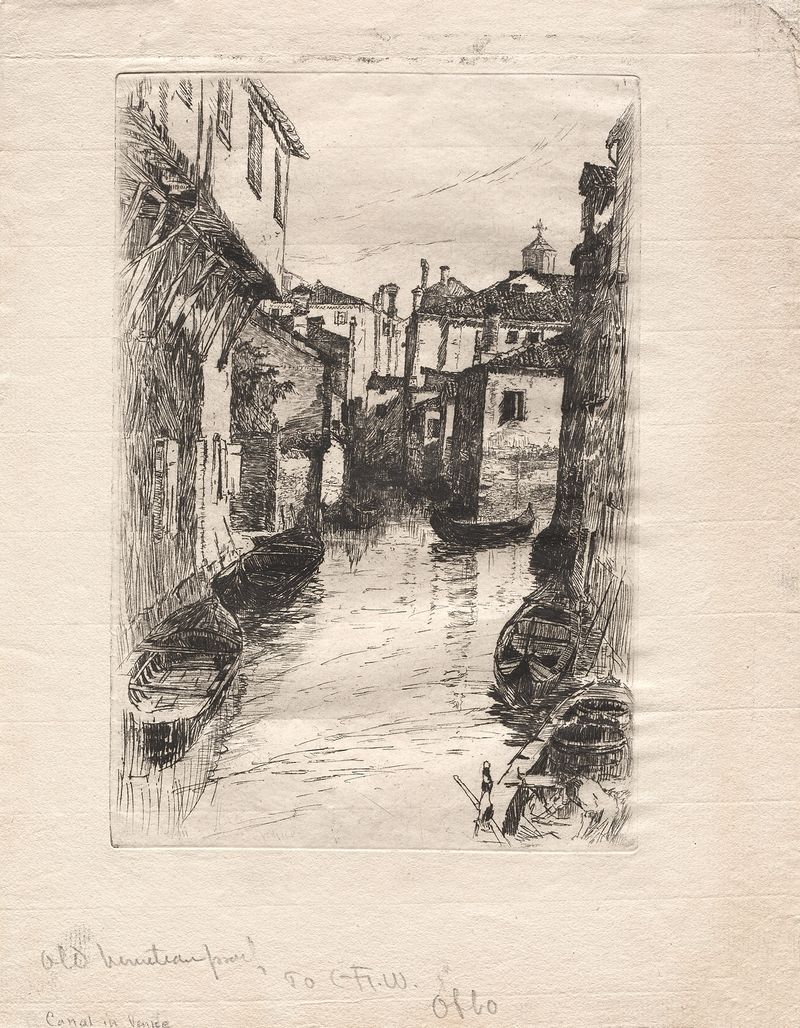
Canal in Venice
Otto Henry Bacher
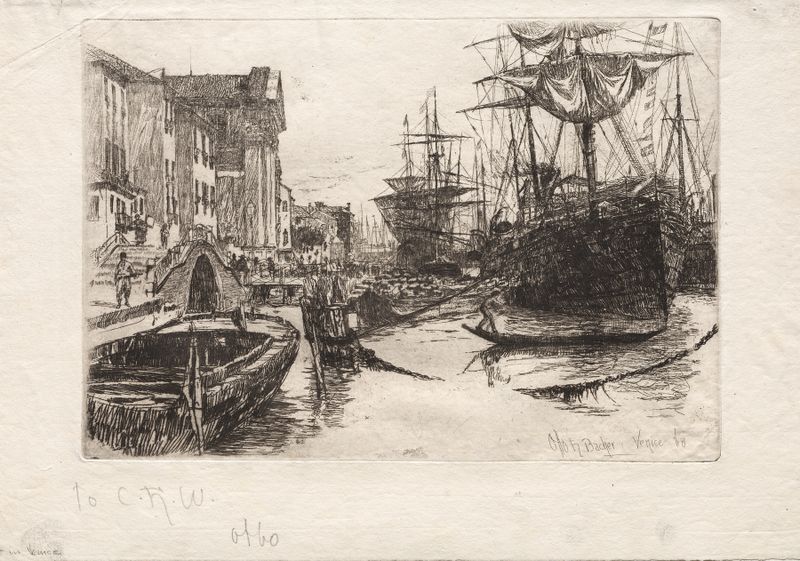
View in Venice
Otto Henry Bacher
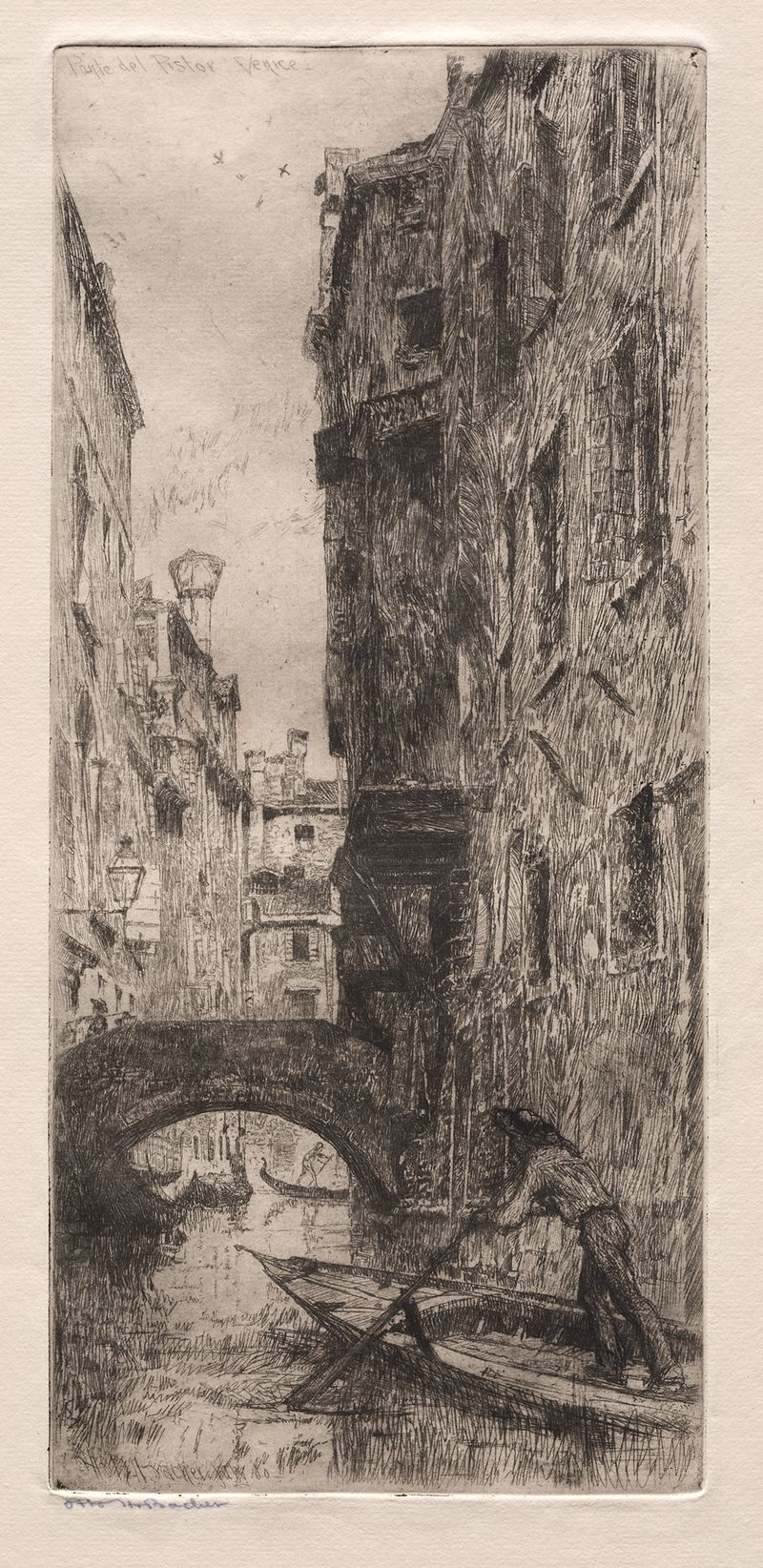
Ponte del Pistor, Venice
Otto Henry Bacher
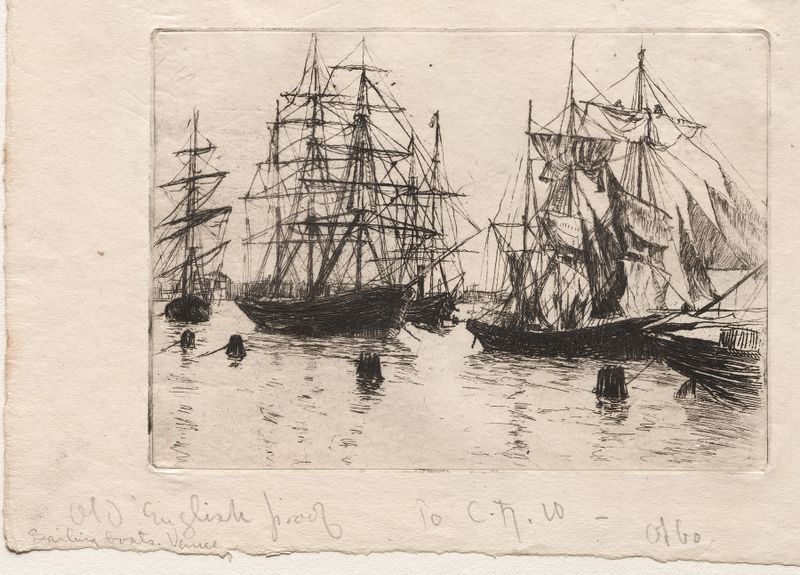
Sailing Boats, Venice
Otto Henry Bacher
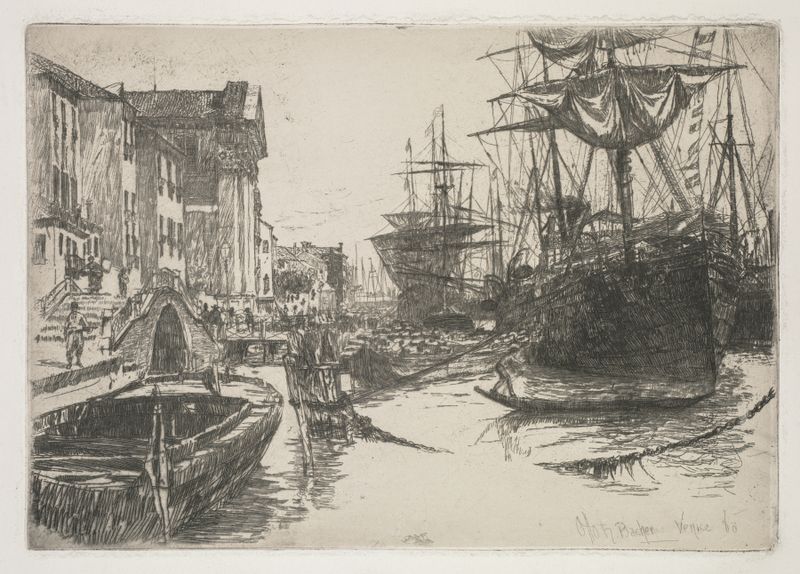
Fondamenta della Zattere
Otto Henry Bacher
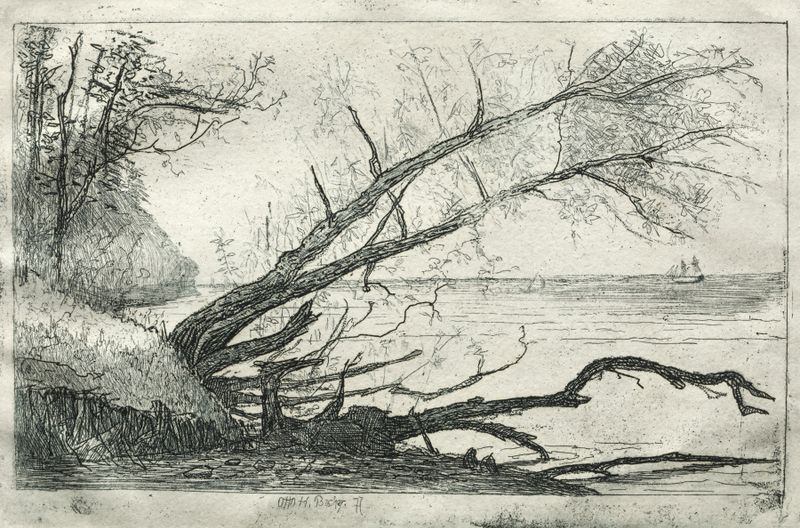
Old Sycamore
Otto Henry Bacher
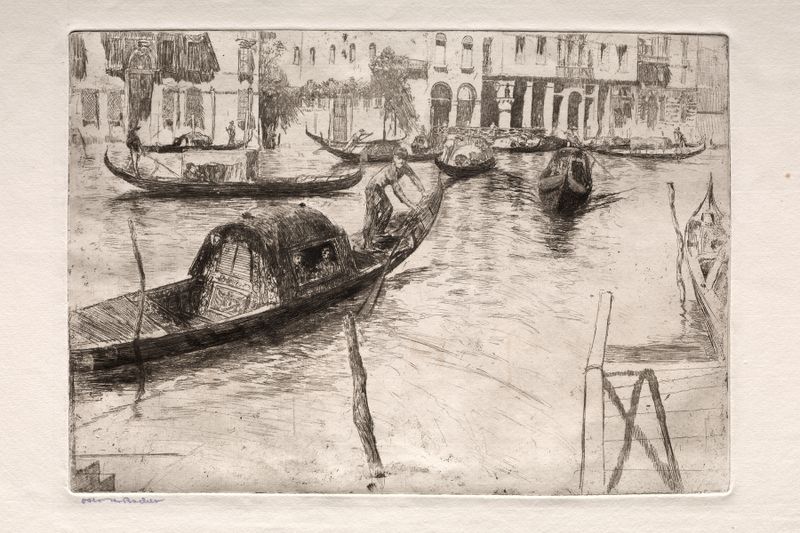
Traghetto San Felice
Otto Henry Bacher
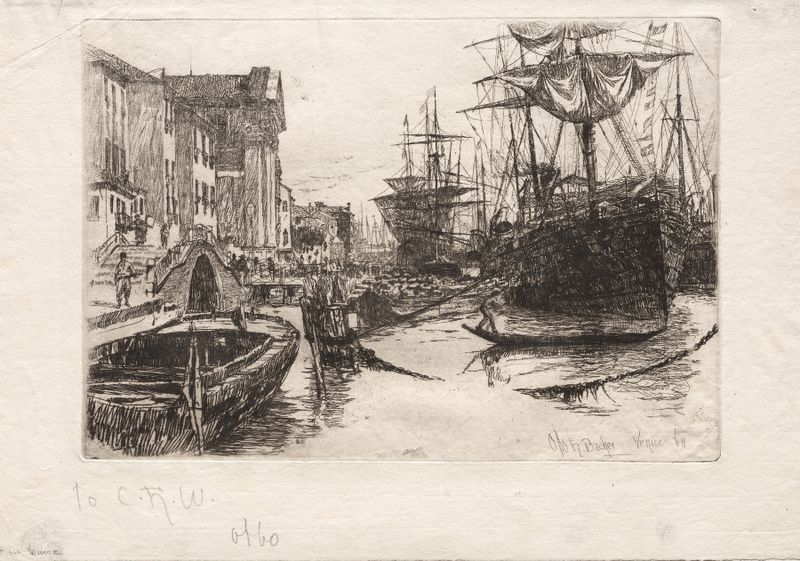
View in Venice
Otto Henry Bacher
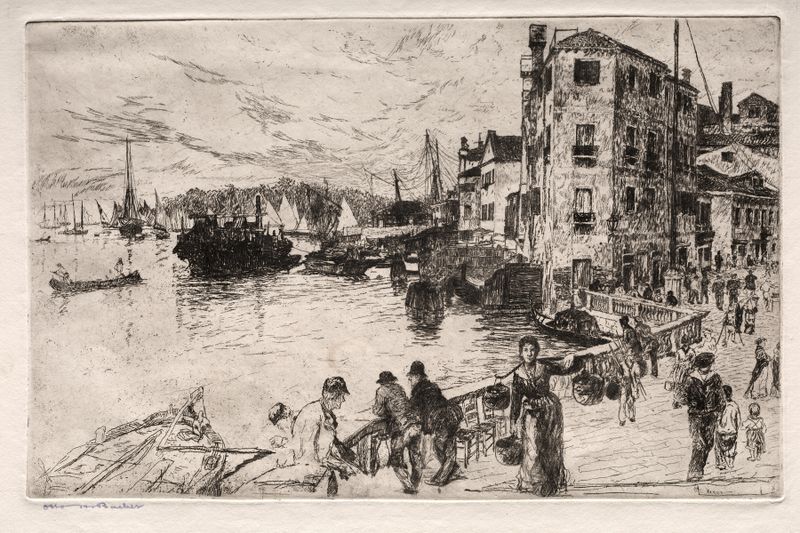
Castello Quarters, Riva
Otto Henry Bacher
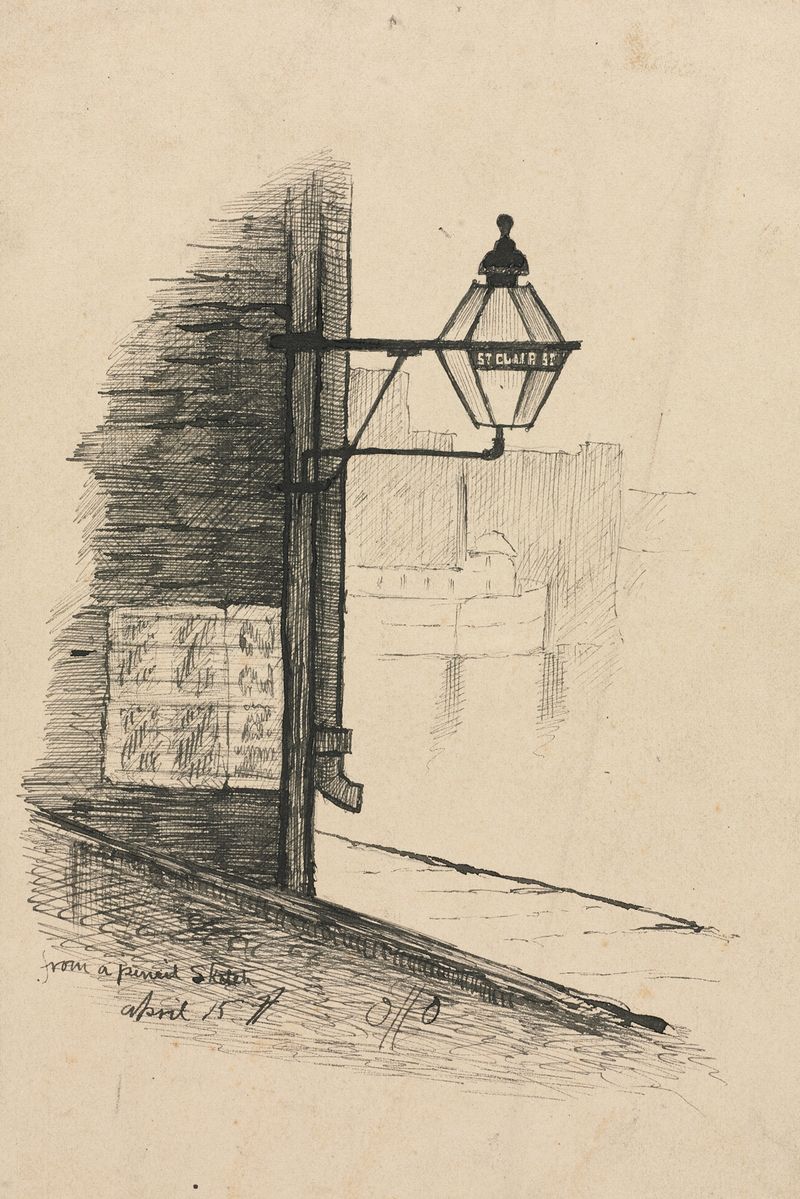
St. Clair Street, Cleveland
Otto Henry Bacher





