Spring Time — History & Facts
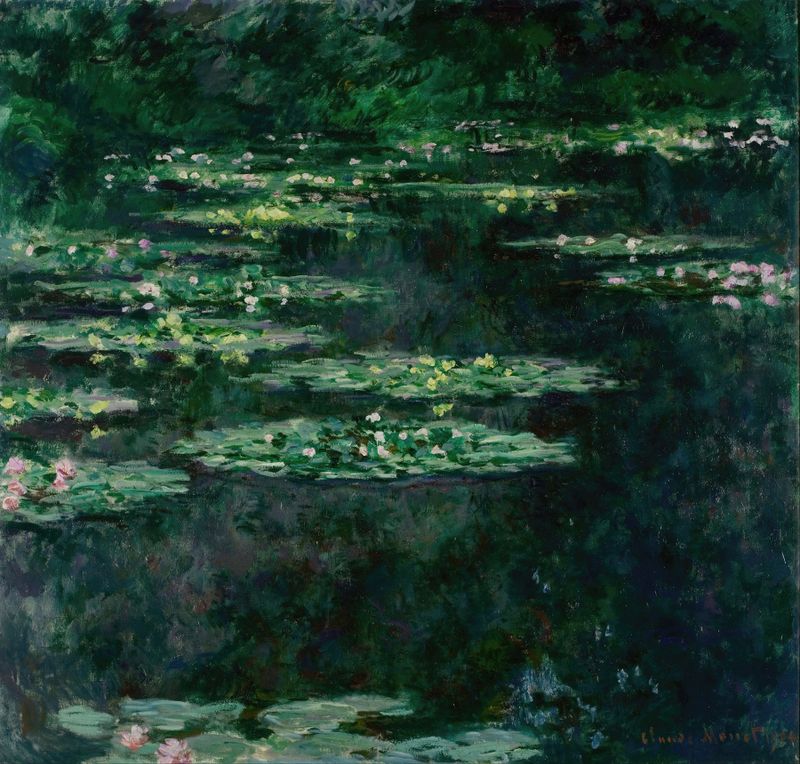
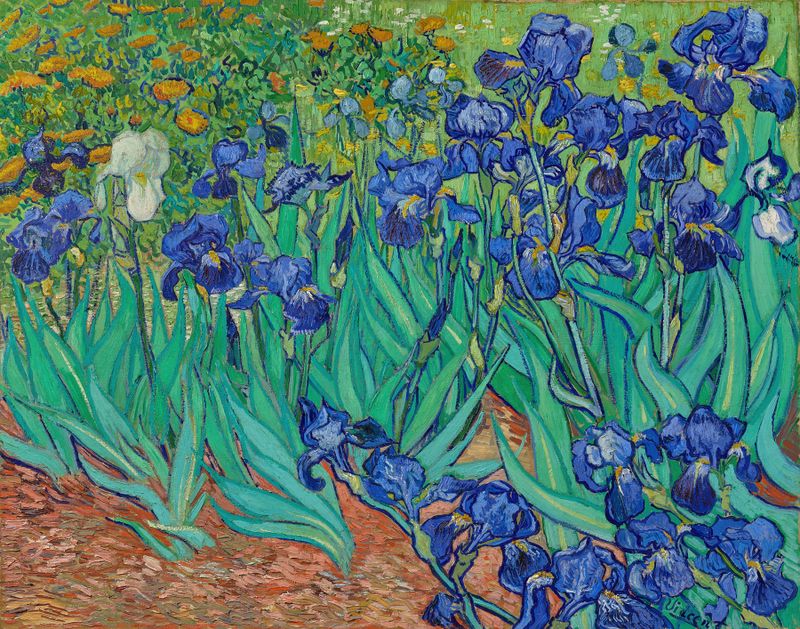
This idea resonates profoundly in the world of art, where turbulent emotions often find their expression and balance on canvas. The intricate dance of color, light, and form can transform the raw energy of existence into something harmonious and captivating. Look to the center of the canvas, where vibrant blossoms bloom in a riot of pinks and whites. Notice how the gentle strokes create a sense of movement, as if the flowers sway in a spring breeze.
The rich greens envelop them, grounding the scene and highlighting the delicate petals. The soft interplay of light and shadow deepens the experience, inviting the viewer to linger in this moment of natural splendor. Within this vibrant composition, there exists a subtle yet profound tension between chaos and serenity. The juxtaposition of vivid blooms against the calm backdrop speaks to the balance of life itself—how beauty can emerge amidst disorder.
The viewer might also sense a celebration of renewal; spring is not just a season but an embodiment of hope and transformation. The artist’s choice of color and brushwork breathes life into this moment, capturing the ephemeral essence of nature’s cycles. In 1913, Spring Time was created during a period of personal growth and creative exploration for the artist, who was based in the United States. Emerging in the realm of American Impressionism, he sought to convey the beauty of the natural world.
At this time, the art scene was evolving, with influences from Europe beginning to filter in, enhancing the dialogue between tradition and modernity in the American landscape.