
St. Botolph’s Bridge No. 1 — History & Facts
Echoes of emptiness resonate within the landscape, inviting contemplation and reflection on what lies beneath the surface of serene beauty. Look to the horizon, where the delicate strokes of muted greens and blues blend seamlessly into a tranquil sky. The bridge arcs gracefully, cradled by the gentle embrace of the surrounding water, while the soft interplay of light and shadow dances across the surface. Notice how the artist uses a palette of subdued tones, which evokes a sense of calm yet hints at an underlying melancholy. Hidden within the tranquility is a profound stillness, a silence that suggests an absence of life.
The bridge, though architectural and sturdy, appears lonely, as if it stands as a monument to forgotten journeys. The reflections in the water mirror this sentiment, amplifying the sense of solitude while simultaneously inviting viewers to ponder the stories that once flowed across this passage. Griggs captures the delicate balance between beauty and void, creating an emotional tension that lingers in the heart. Created in 1917, this piece emerged during a tumultuous period in history, marked by the shadows of World War I.
Living in England, Griggs drew inspiration from the natural landscape around him, aiming to transform traditional scene painting into a sophisticated expression of introspection. With the world grappling with loss and despair, this work reflects not just the physical landscape, but the emotional landscape of a society yearning for peace amidst chaos.
More Artworks by Frederick Landseer Maur Griggs
Browse all →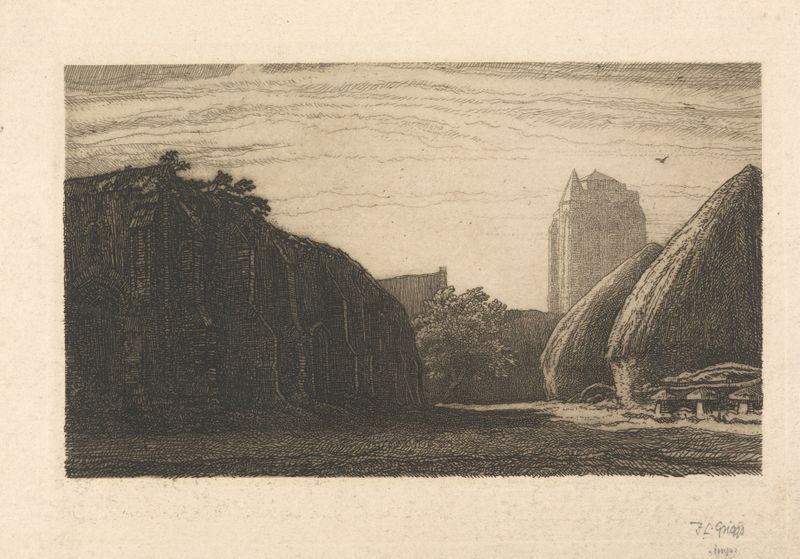
Maur’s Farm
Frederick Landseer Maur Griggs
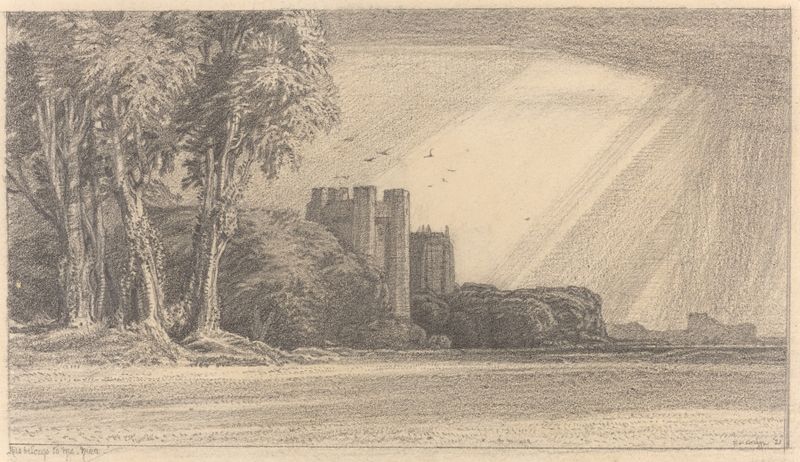
Landscape with Castle
Frederick Landseer Maur Griggs
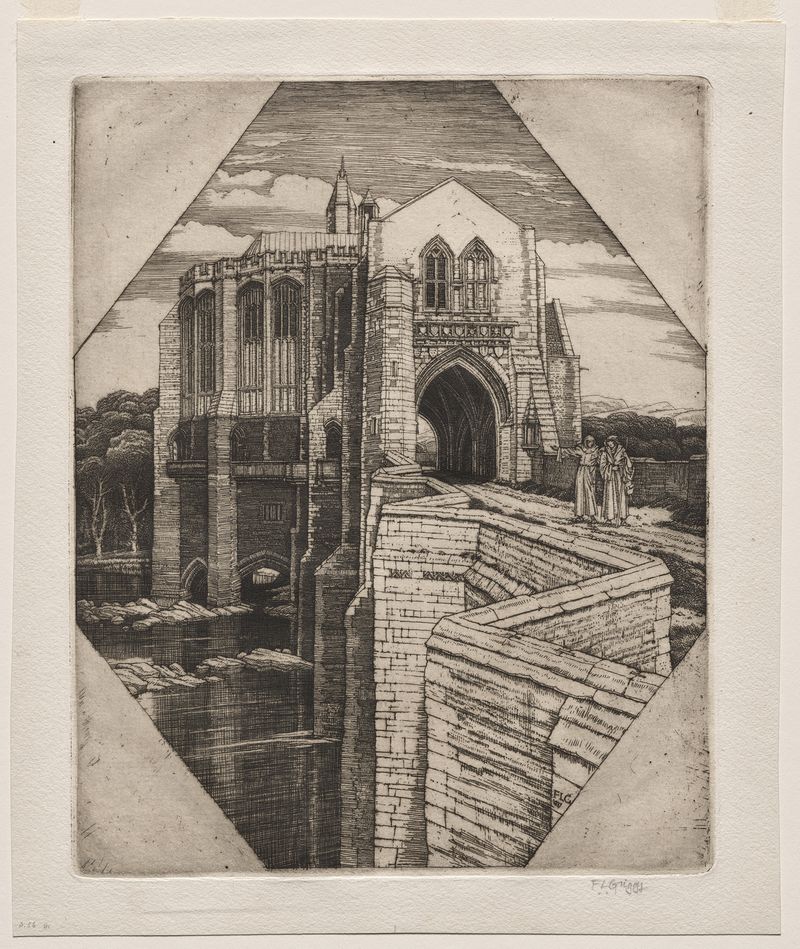
St. Botolph’s Bridge No. 2 1937
Frederick Landseer Maur Griggs
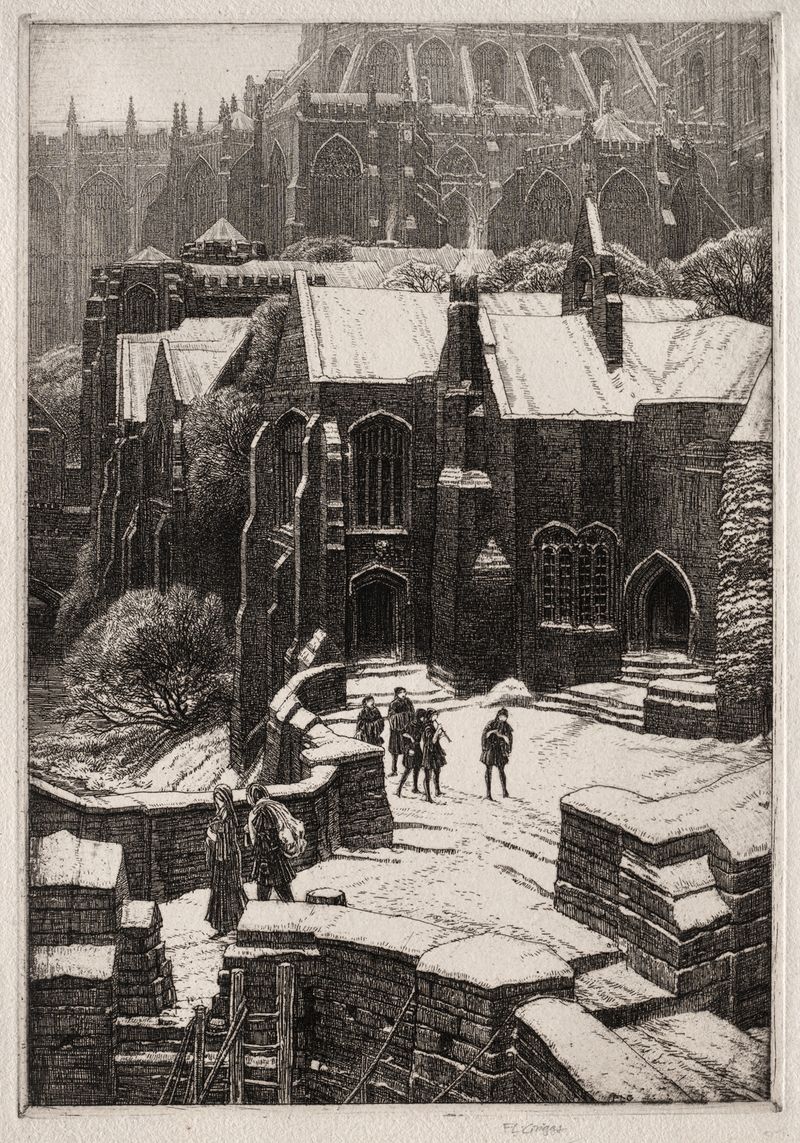
The Almonry
Frederick Landseer Maur Griggs

The Cresset
Frederick Landseer Maur Griggs
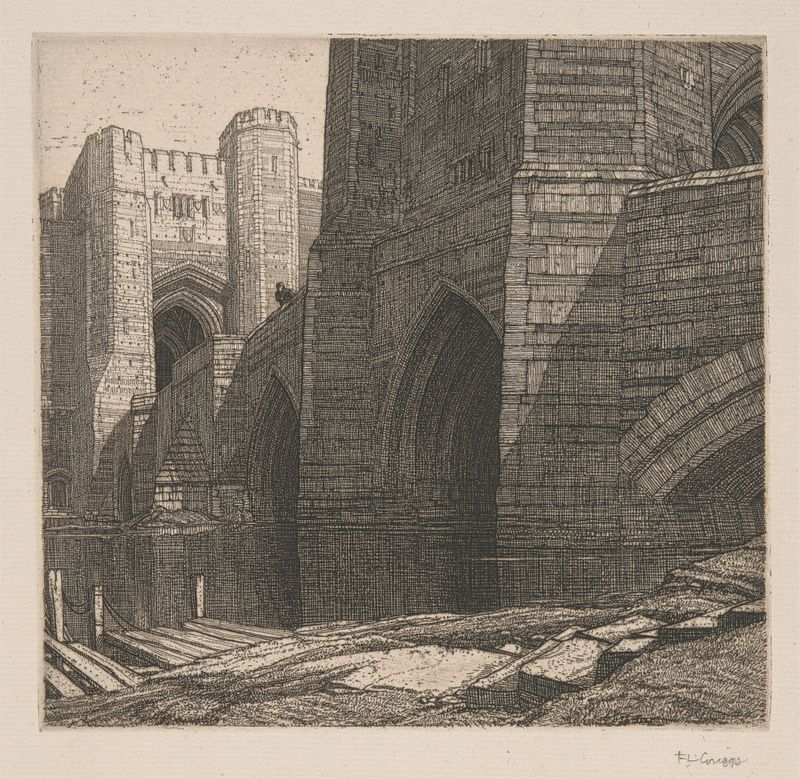
The Barbican
Frederick Landseer Maur Griggs

Maur’s Farm
Frederick Landseer Maur Griggs
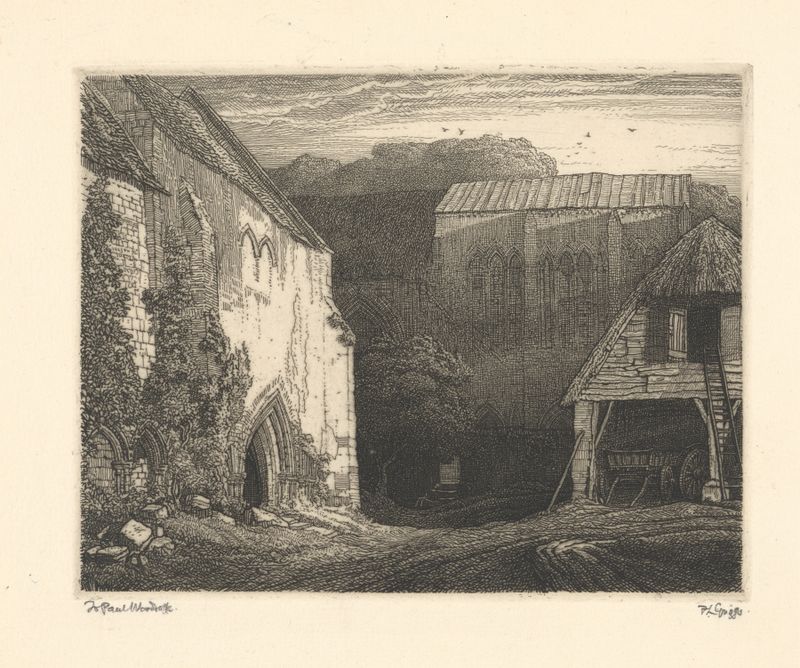
Priory Farm
Frederick Landseer Maur Griggs

St. Wendred’s March
Frederick Landseer Maur Griggs
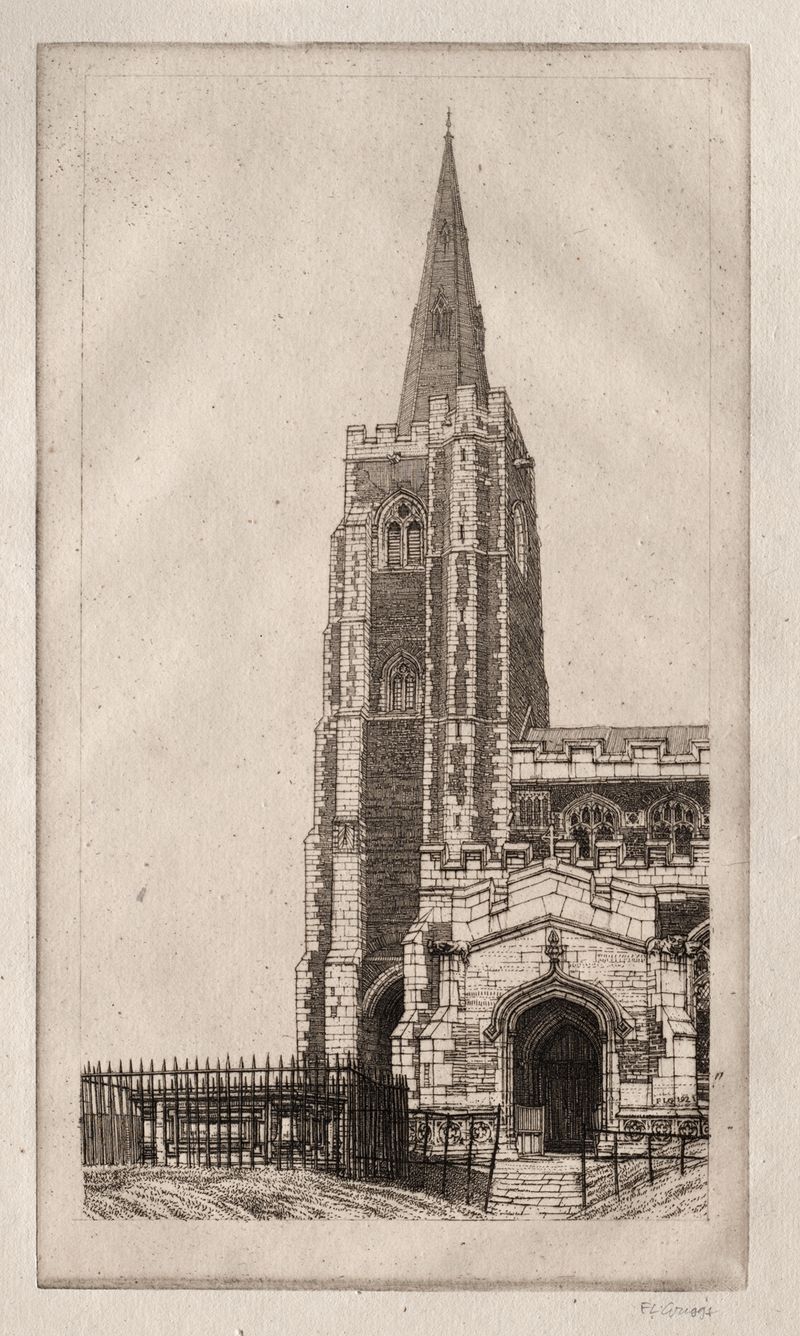
St. Wendred’s, March
Frederick Landseer Maur Griggs





