
St. Germain des Pres no. II — History & Facts
Could beauty survive in a century of chaos? In St. Germain des Pres no. II, the delicate interplay of color and form invites contemplation on the essence of desire amid tumultuous times. Look to the center of the canvas, where soft hues of greens and blues converge, creating a tranquil yet dynamic backdrop.
The gentle strokes that suggest the architectural lines of the church draw your eye, while lighter shades dance along the edges, revealing the sunlight filtering through leafy branches. Notice how the brushwork varies—some areas are fluid and ethereal, while others possess a sharpness that brings life to the scene, highlighting the tension between the sacred and the everyday. Beneath the surface, contrasts emerge; the serene facade of the church stands resolutely against the swirling energy of the surrounding environment. The vibrant colors mirror the vitality of desire itself, evoking a yearning for connection and stability in a fleeting world.
Each brushstroke seems to harmonize the chaos of existence with the beauty found in sacred spaces, suggesting that even in the midst of turmoil, hope and longing persist. During the time St. Germain des Pres no. II was created, Frank Edwin Scott was immersed in the vibrant art scene of the early 20th century.
While the exact date remains uncertain, the artist's works often reflected the tension of modernity against the backdrop of traditional themes. Living in a period marked by rapid change, Scott's exploration of desire in his art echoed the struggles and aspirations of a society on the brink of transformation.
More Artworks by Frank Edwin Scott
Browse all →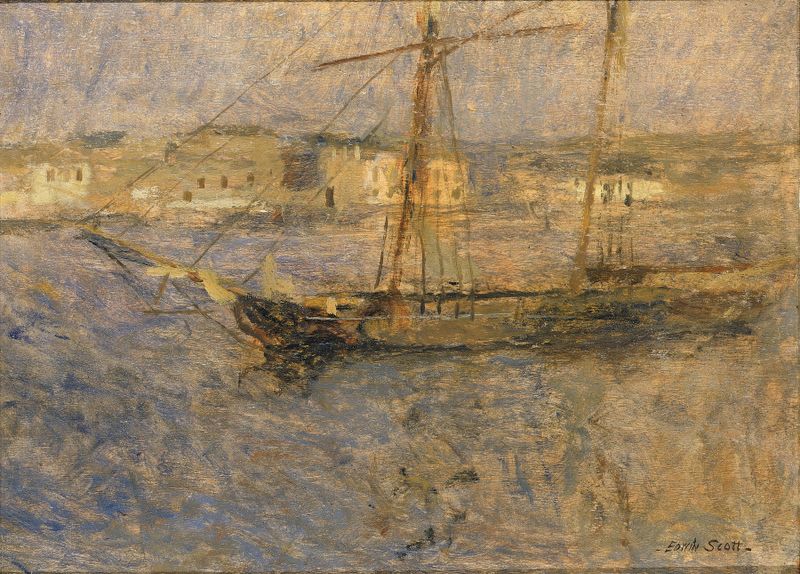
Ships at Anchor, Cherbourg no. I
Frank Edwin Scott
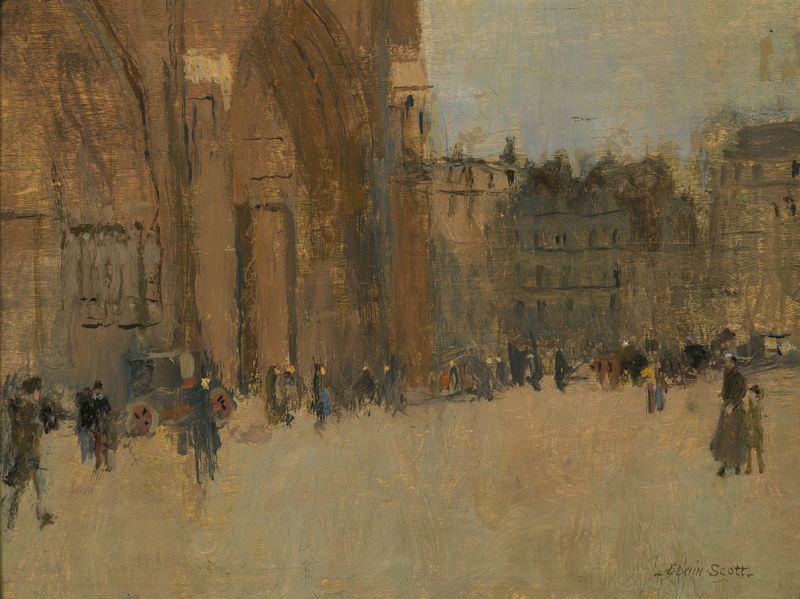
Notre Dame no. III
Frank Edwin Scott
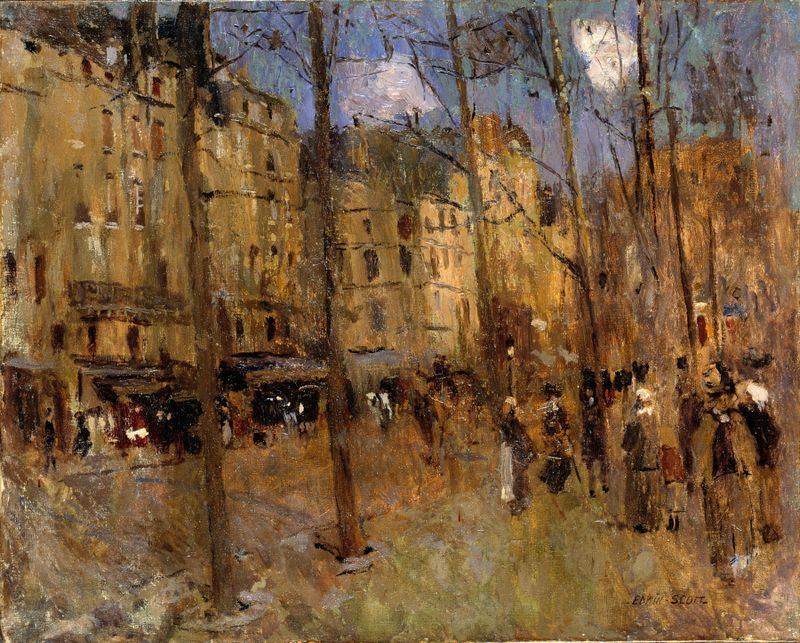
Boulevard St. Germain
Frank Edwin Scott
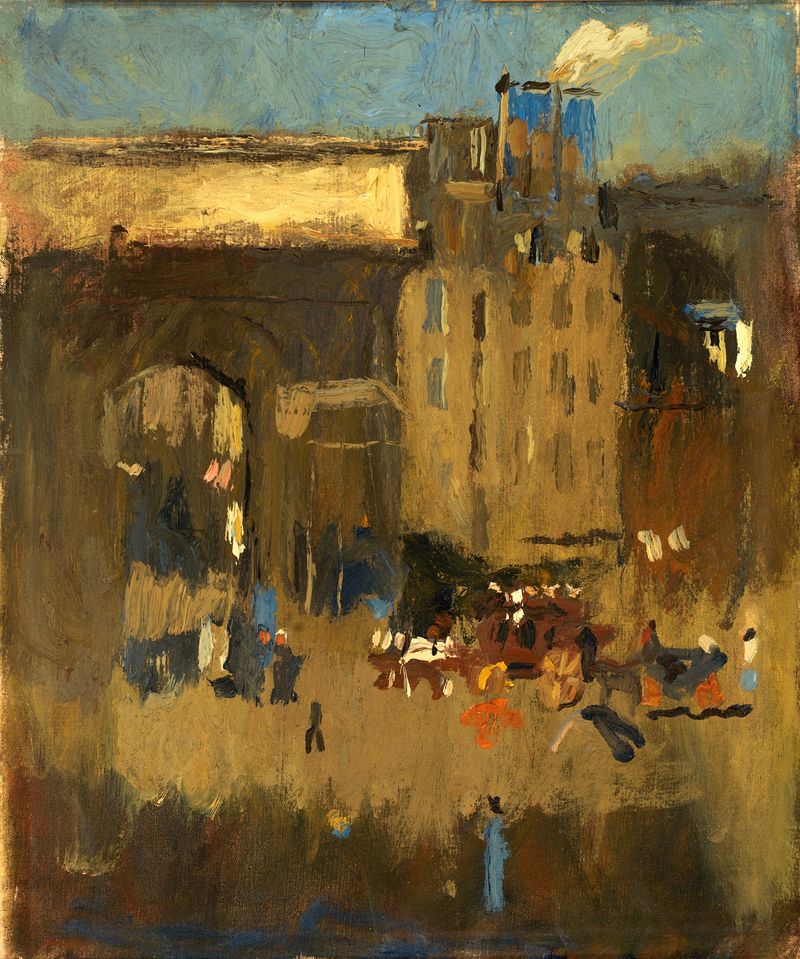
Porte St. Martin et Enterrement
Frank Edwin Scott
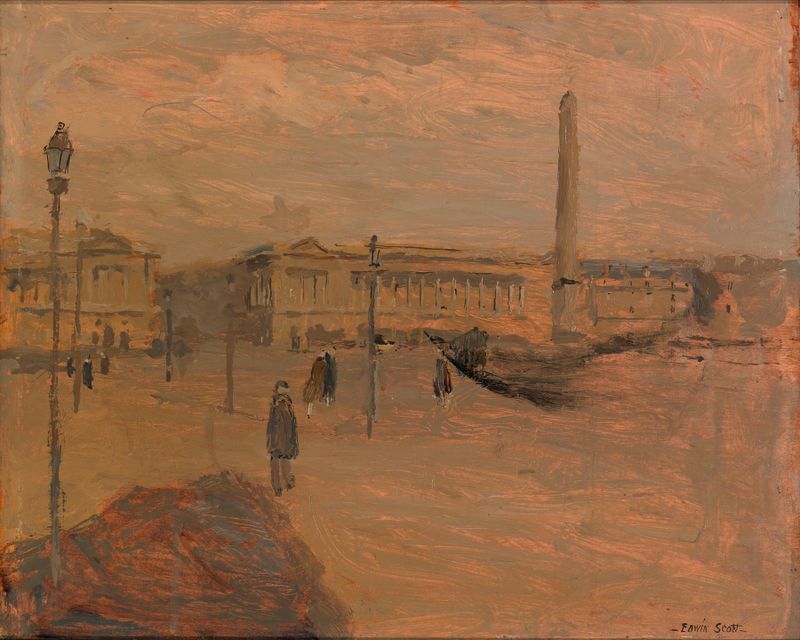
La Concorde
Frank Edwin Scott
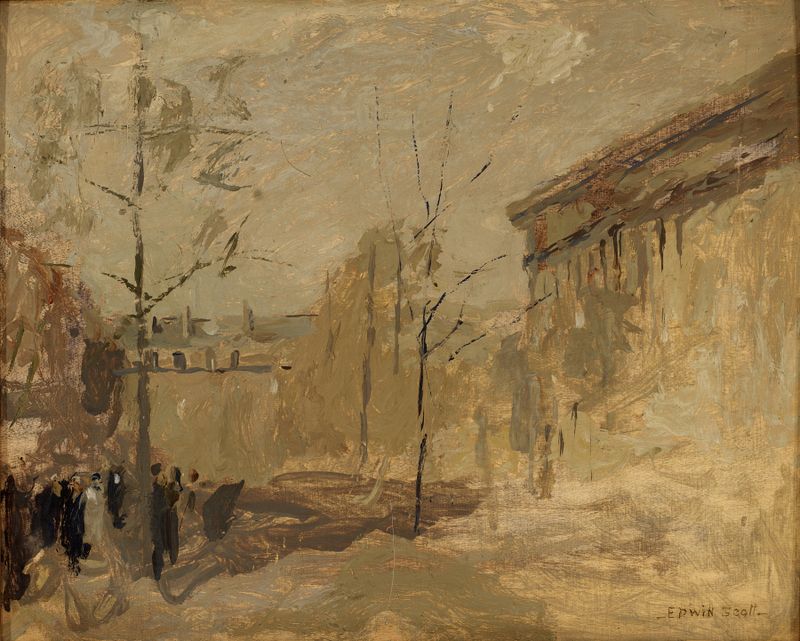
Place de la Madeleine no. II
Frank Edwin Scott
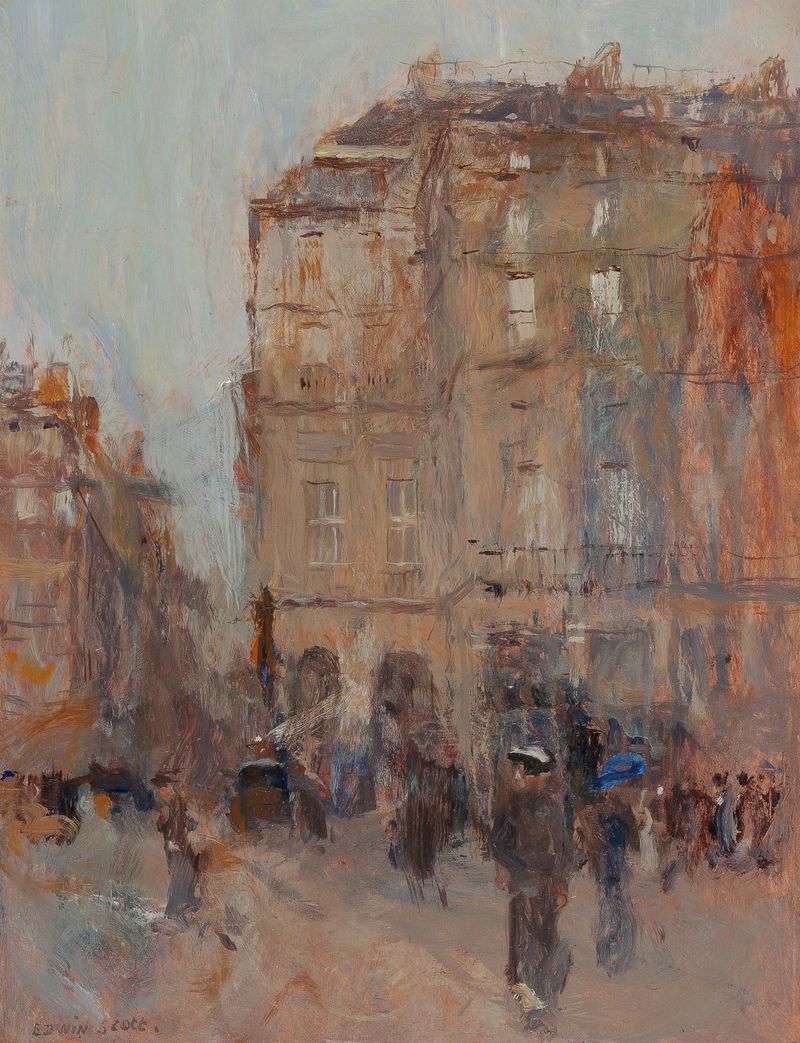
A Gray Day in Paris
Frank Edwin Scott
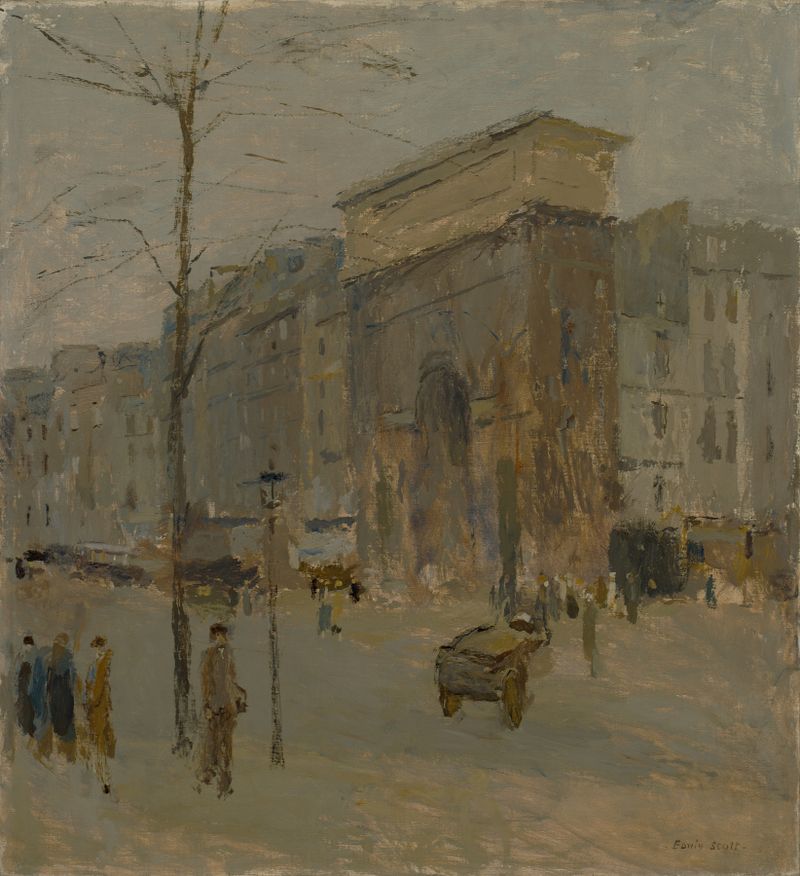
Porte St. Martin no. II
Frank Edwin Scott
Place de la Concorde no. II
Frank Edwin Scott
Eglise de Ville
Frank Edwin Scott





