
St. German l’Auxerrois — History & Facts
Can beauty exist without sorrow? In David Young Cameron’s St. German l'Auxerrois, the answer unfolds amidst the shadows and light that dance delicately across the canvas, reminding us of the inextricable bond between joy and pain, creation and loss. Look to the center, where the towering spire of the church rises majestically against a backdrop of swirling clouds. Notice how the artist employs a rich palette of ochres and blues, accentuating the interplay of light filtering through the atmosphere.
Your gaze is drawn upward, tracing the architectural lines that lead the eye to the heavens, while the lower part of the painting captures the tranquil ripples of the nearby water, reflecting a world both serene and turbulent. It’s a harmonious composition, yet imbued with an undercurrent of tension, as if the scene itself is a quiet meditation on life’s dualities. There is a palpable contrast between the enduring structure of the church and the ephemeral beauty of the surrounding landscape. The shadows hint at the passage of time, suggesting that even the most steadfast elements of life bear witness to inevitable change.
The church, a symbol of destiny and hope, stands resilient against the fleeting moments captured in light and color. Each brushstroke tells a story, evoking a sense of nostalgia and the weight of history; it beckons the viewer to reflect on their own journey through joy and sorrow. In 1904, Cameron produced this work while navigating the shifting tides of the art world, having recently embraced his role as a prominent etcher and painter in Scotland. Influenced by the Impressionist movement and the evolving aesthetic of the day, he sought to capture the essence of a moment rather than its literal form, planting his feet firmly in the soil of both tradition and innovation.
More Artworks by David Young Cameron
Browse all →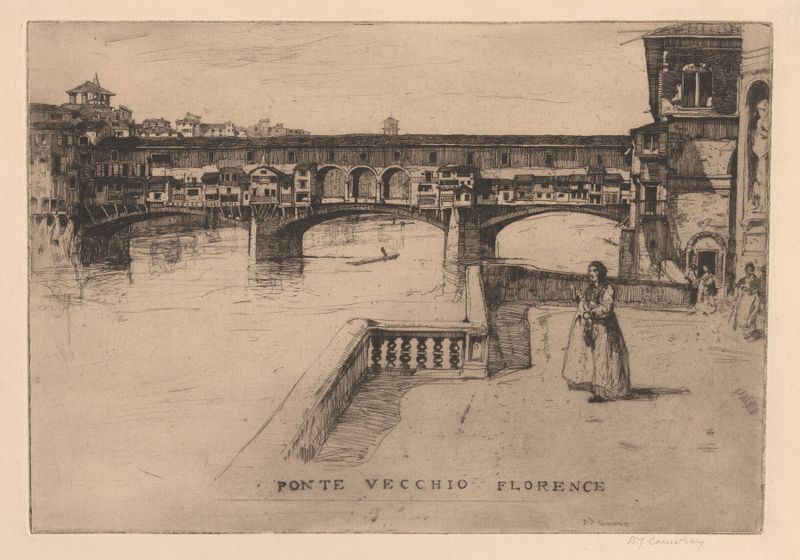
Ponte Vecchio
David Young Cameron

The Deanery, Winchester
David Young Cameron
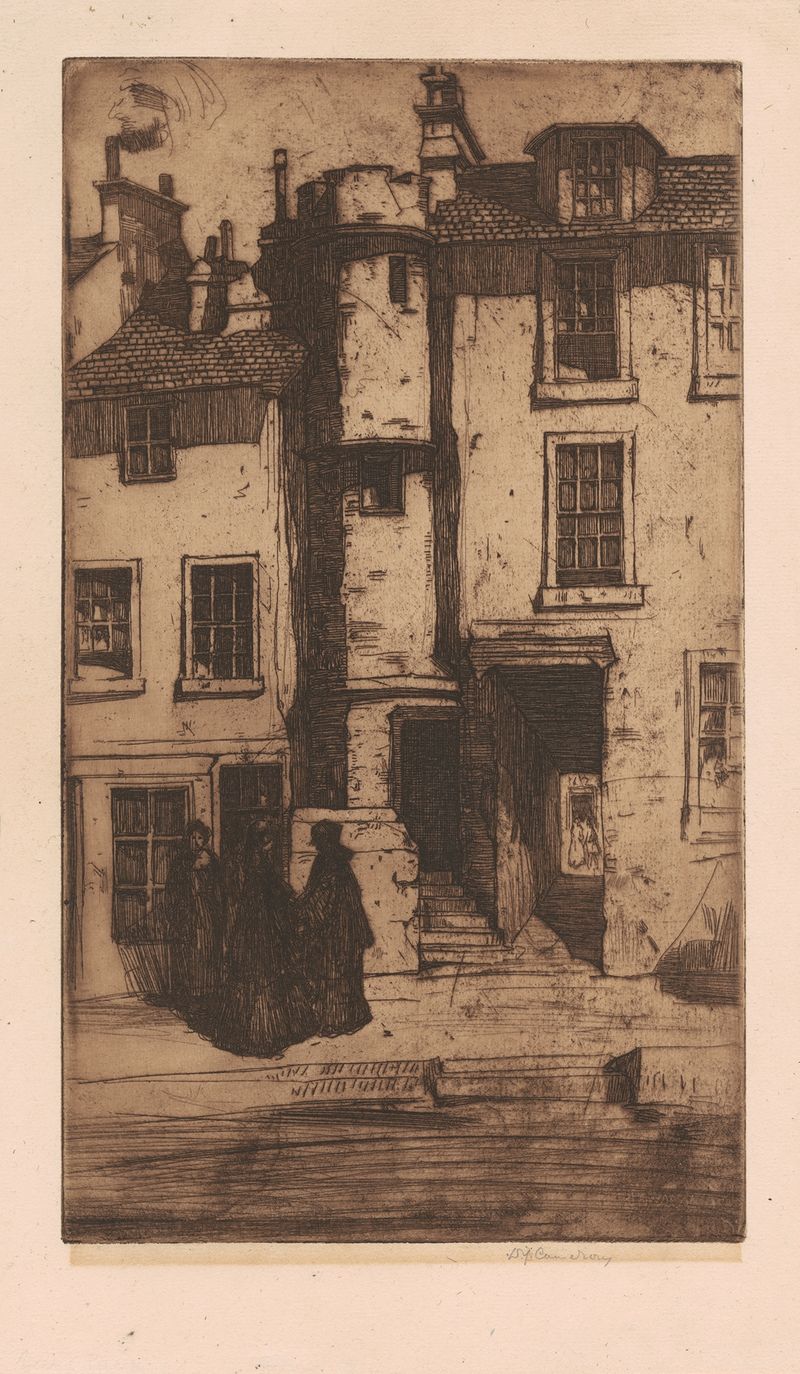
Old Houses, Stirling
David Young Cameron
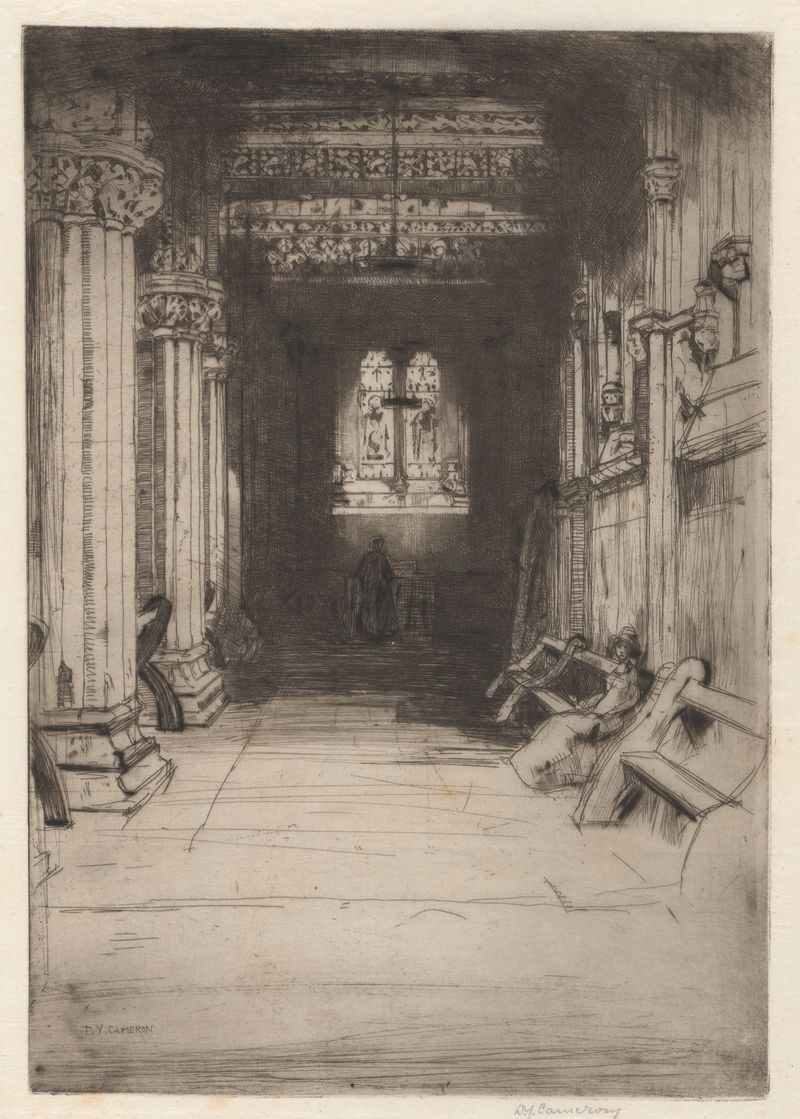
Rosslyn Chapel
David Young Cameron

The Old Museum, Beauvais
David Young Cameron
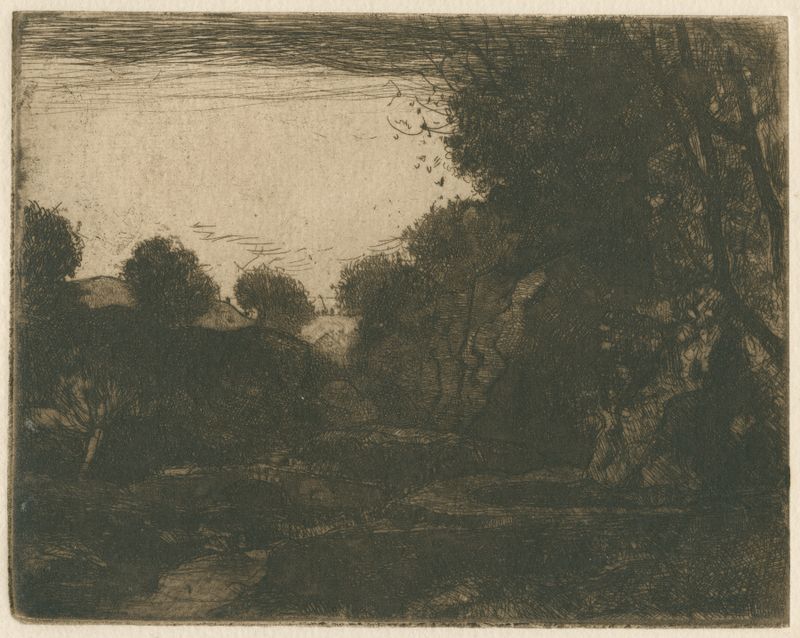
On the Bradford
David Young Cameron

The Smithy
David Young Cameron
Castle Moyle
David Young Cameron
Downing Street
David Young Cameron

Glasgow Cathedral
David Young Cameron
More Architecture Art
Browse all →
The statue of Liberty
Frédéric Auguste Bartholdi

View of Houses in Delft, Known as ‘The Little Street’
Johannes Vermeer

View of Houses in Delft, Known as ‘The Little Street’
Johannes Vermeer

The Cathedral in Rouen. The portal, Grey Weather
Claude Monet

The yellow house
Vincent van Gogh

The Church in Auvers-sur-Oise, View from the Chevet
Vincent van Gogh