
St. Ippolyts, no. 2, 1903 — History & Facts
Could a single brushstroke hold eternity? In St. Ippolyts, no. 2, the textured layers of paint seem to breathe with a quiet madness, embodying the complexity of human experience and emotion. Focus your gaze on the left side of the canvas, where the delicate interplay of verdant greens and earthy browns invites you into a tranquil landscape.
The light gently pierces through the trees, illuminating the soft contours of the underbrush and casting a serene glow over the scene. Notice how your eye is drawn along the winding path, leading into the depths of the painting, urging you to explore not just the depicted landscape but also the intricate world it represents. In the stillness of this natural setting, the ghostly figures that emerge sporadically in the foliage evoke a sense of nostalgia and fleeting presence. The contrasting colors suggest a tension between life and madness, where the beauty of the countryside intertwines with the chaotic thoughts of the mind.
Each brushstroke carries a weight of memory, evoking the balance between serenity and the underlying turmoil that often accompanies moments of clarity. Frederick Landseer Maur Griggs painted St. Ippolyts, no. 2 in 1903 amidst the burgeoning English art movements that sought to capture the essence of nature and the human spirit.
At this time, he was deeply involved in exploring the complexities of light and shadow, reflecting the tensions of an era that grappled with industrialization's impact on the natural world. Griggs' work resonates with a profound understanding of the delicate balance between madness and tranquility, emblematic of his artistic journey.
More Artworks by Frederick Landseer Maur Griggs
Browse all →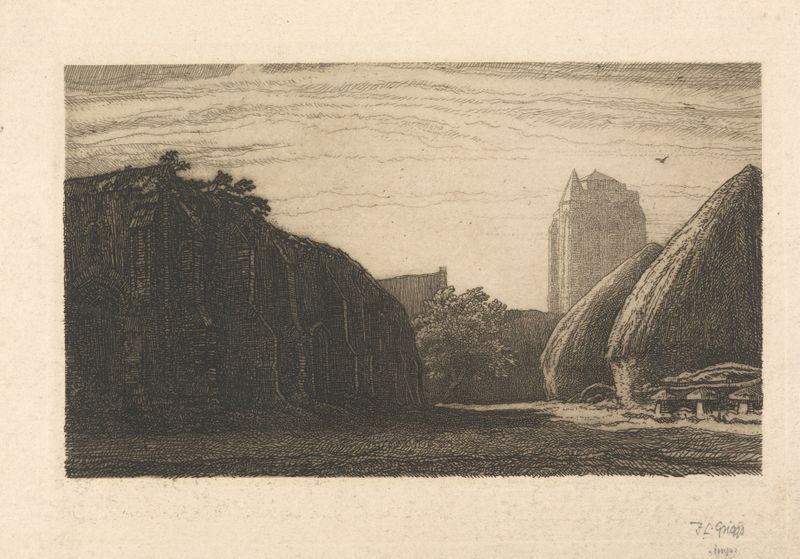
Maur’s Farm
Frederick Landseer Maur Griggs
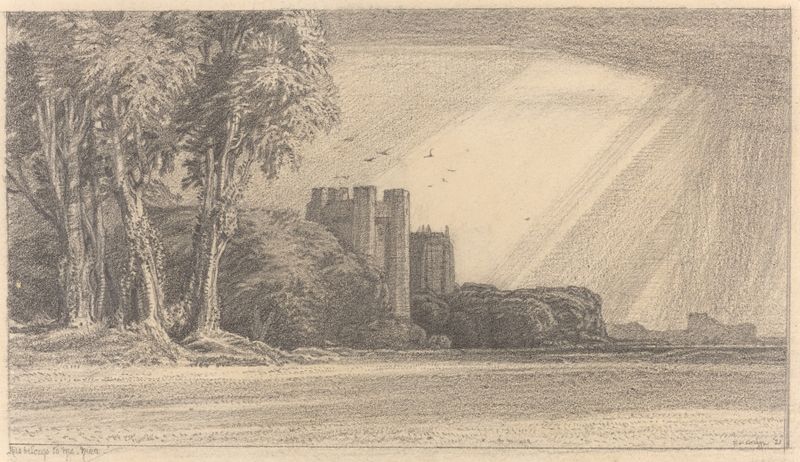
Landscape with Castle
Frederick Landseer Maur Griggs
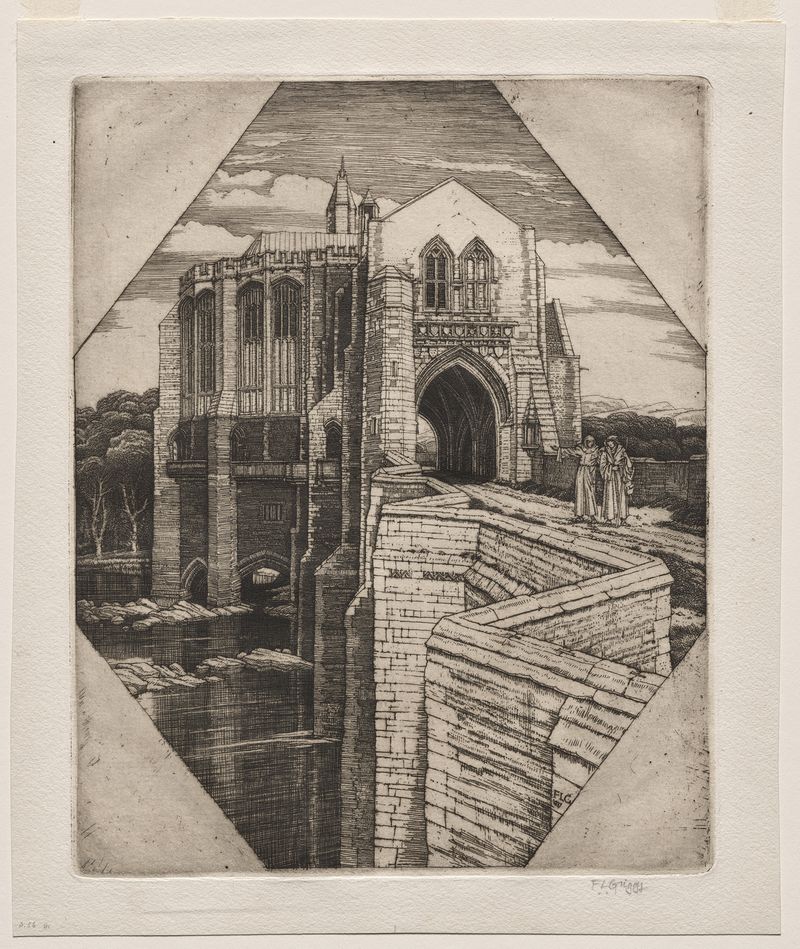
St. Botolph’s Bridge No. 2 1937
Frederick Landseer Maur Griggs
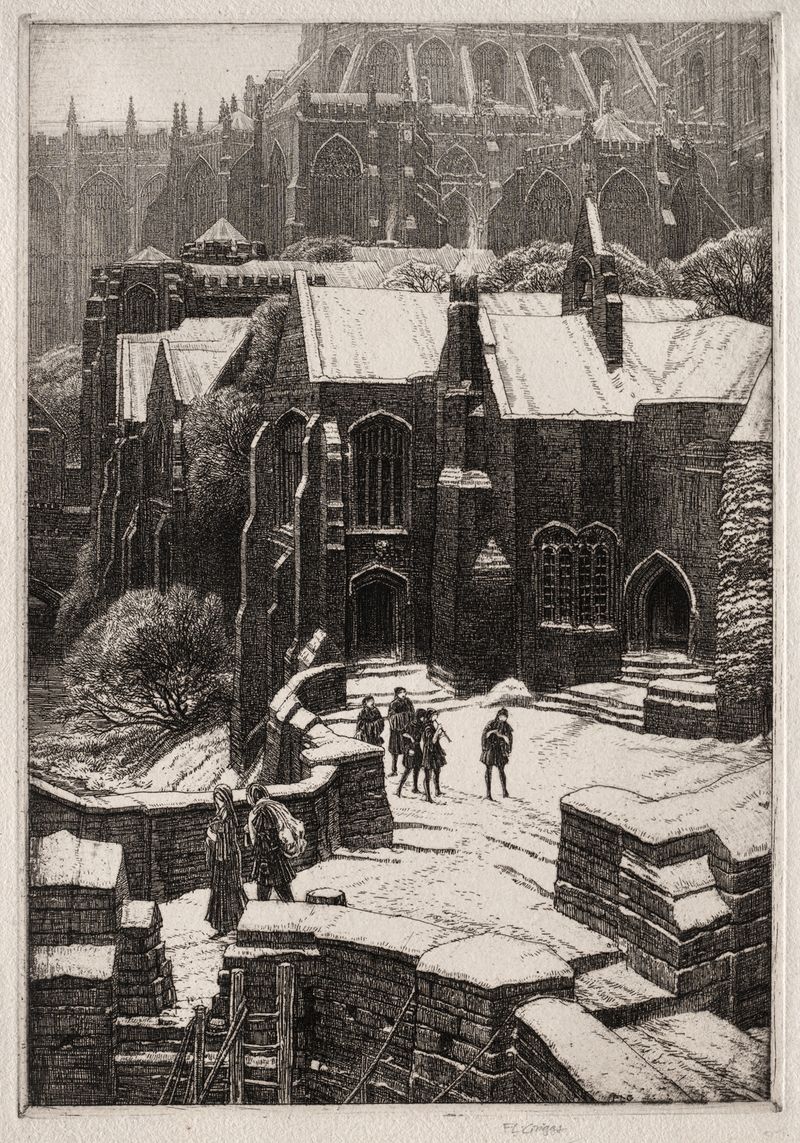
The Almonry
Frederick Landseer Maur Griggs

The Cresset
Frederick Landseer Maur Griggs
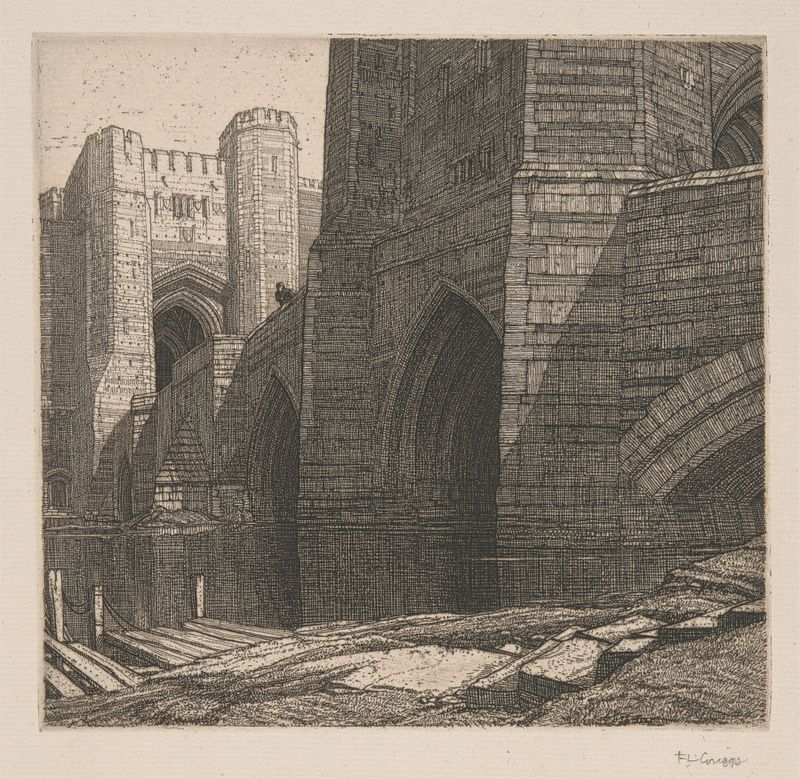
The Barbican
Frederick Landseer Maur Griggs

Maur’s Farm
Frederick Landseer Maur Griggs
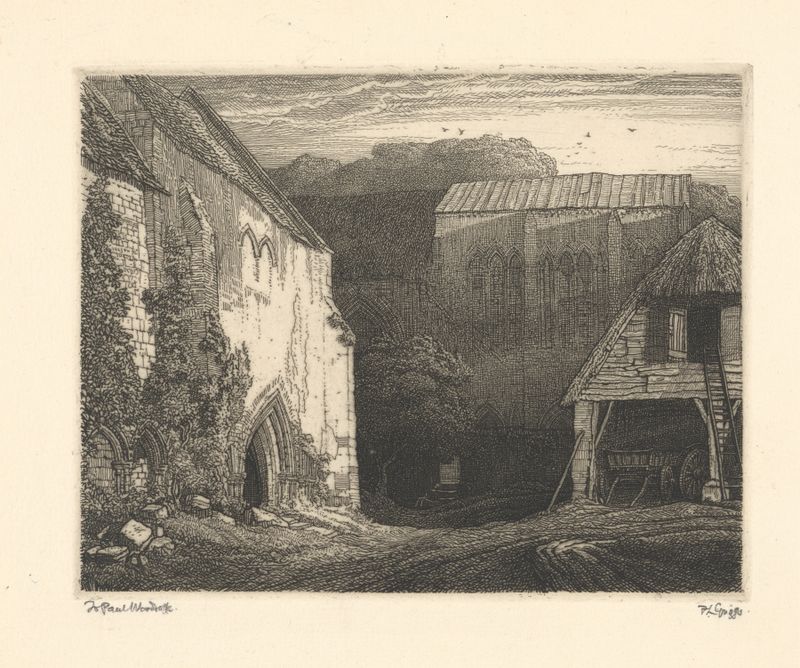
Priory Farm
Frederick Landseer Maur Griggs

St. Wendred’s March
Frederick Landseer Maur Griggs
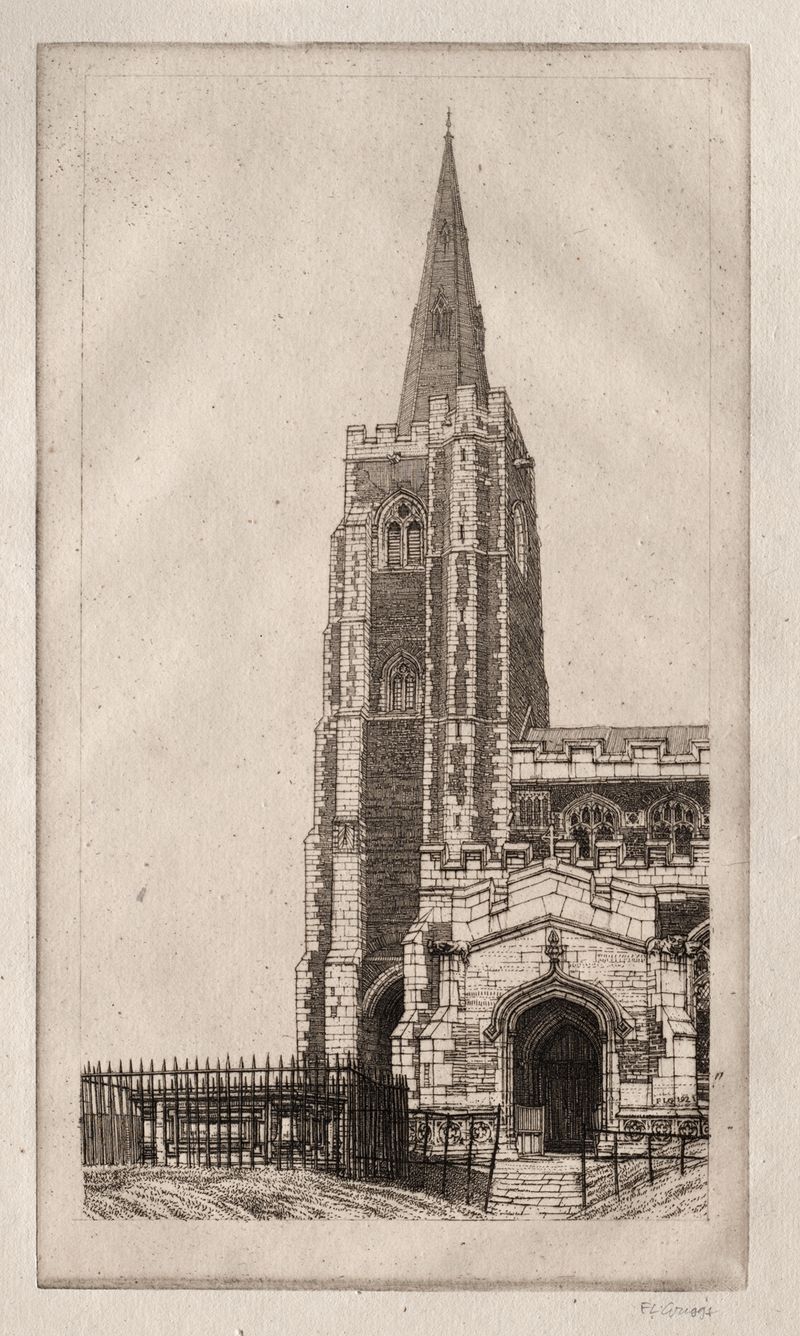
St. Wendred’s, March
Frederick Landseer Maur Griggs





