
St. Mark’s, No. 3 — History & Facts
Where does light end, and longing begin? In the delicate interplay of shadow and illumination, we find a whisper of hope that transcends the moment captured. Look toward the center, where the interplay of soft light bathes the architectural grandeur of St. Mark’s in a golden embrace. The intricate details of the façade emerge from the canvas; every curve and ornament dances with the warm hues of the setting sun.
Notice how the artist harnesses a muted palette, allowing shades of amber and ochre to blend seamlessly, creating an almost ethereal quality that invites the viewer to linger. As your gaze wanders, you'll uncover the layers of emotional depth hidden within the urban landscape. The juxtaposition of the robust stone structure against the delicate skies evokes a sense of resilience amid fleeting beauty. Each brushstroke hints at a story of devotion and longing, encapsulating the timeless connection between humanity and its environment—a reminder that hope can rise even in the shadows. In 1900, while painting *St.
Mark’s, No. 3*, Cameron was immersed in the atmospheric beauty of Venice, where he sought to render not just the architecture but the very essence of the city. At this time, he was establishing himself within the artistic community in Scotland, drawing inspiration from the Impressionists.
The world was on the brink of modernity, and amidst this, Cameron captured a moment that resonates with the enduring quest for connection and light.
More Artworks by David Young Cameron
Browse all →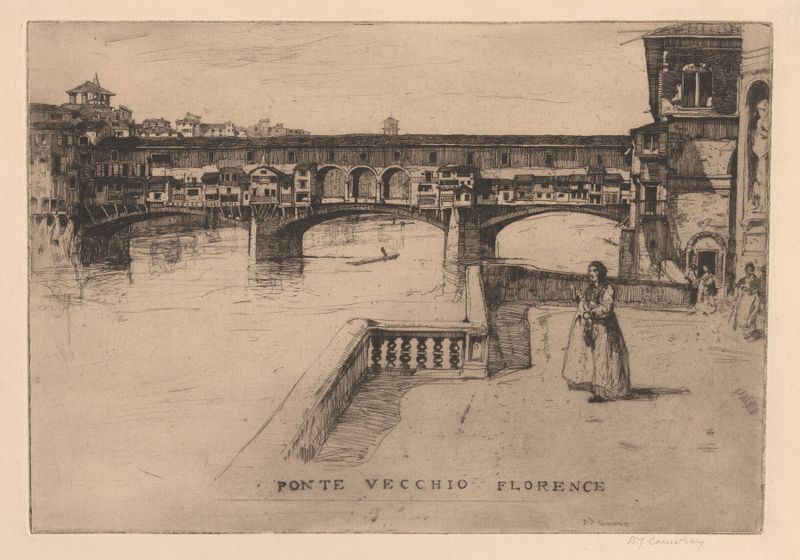
Ponte Vecchio
David Young Cameron

The Deanery, Winchester
David Young Cameron
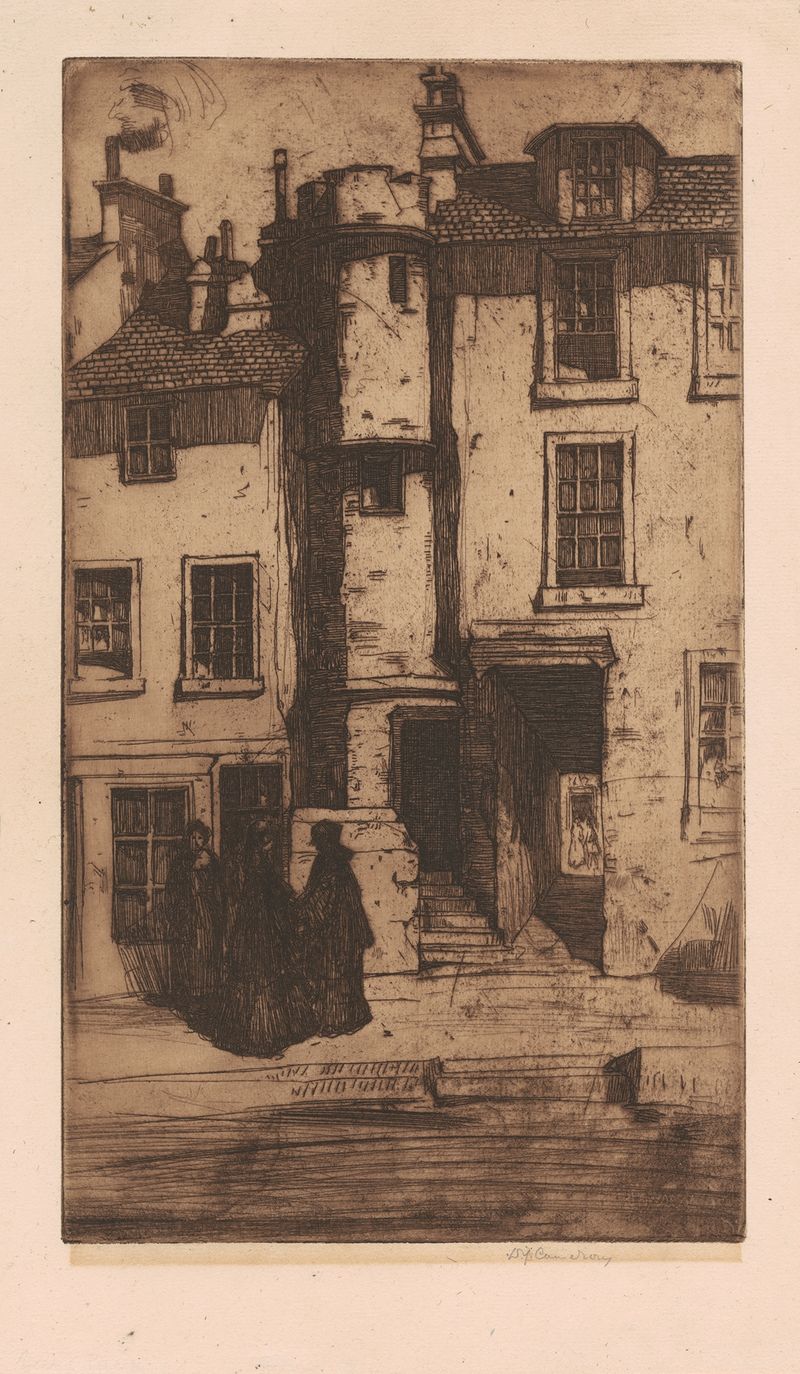
Old Houses, Stirling
David Young Cameron
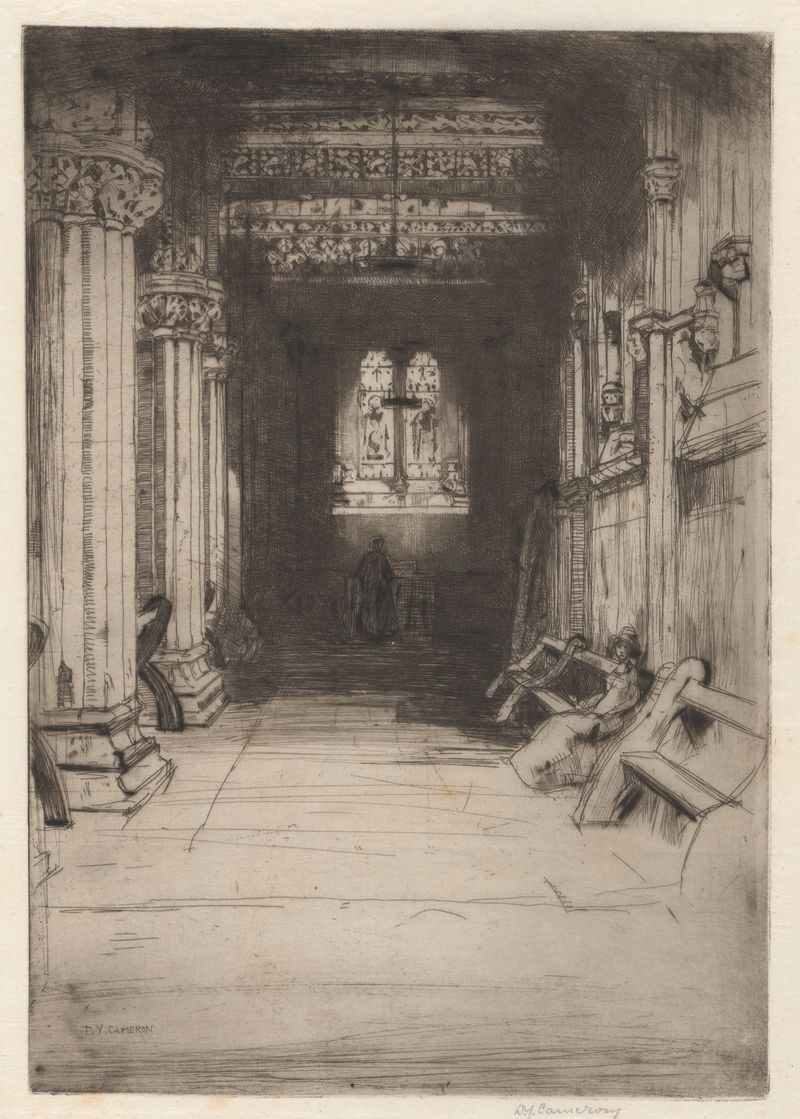
Rosslyn Chapel
David Young Cameron

The Old Museum, Beauvais
David Young Cameron
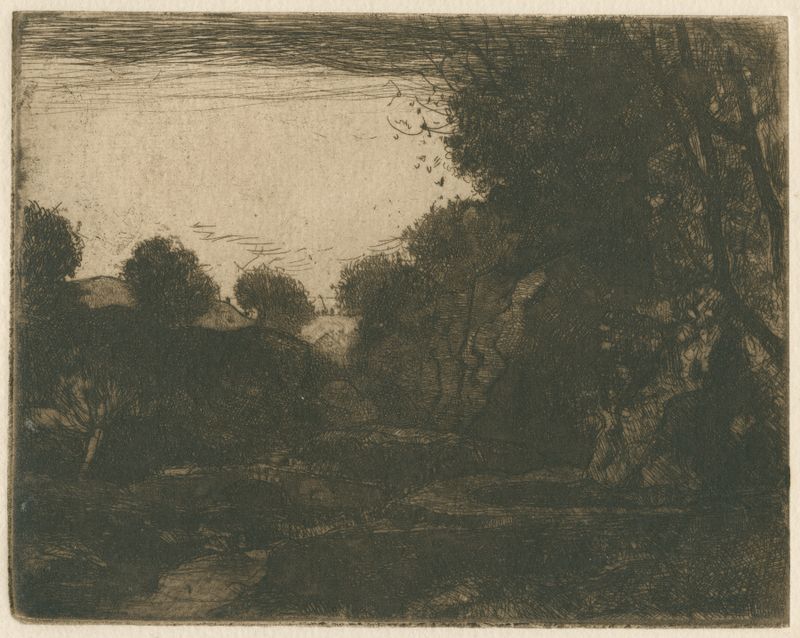
On the Bradford
David Young Cameron

The Smithy
David Young Cameron
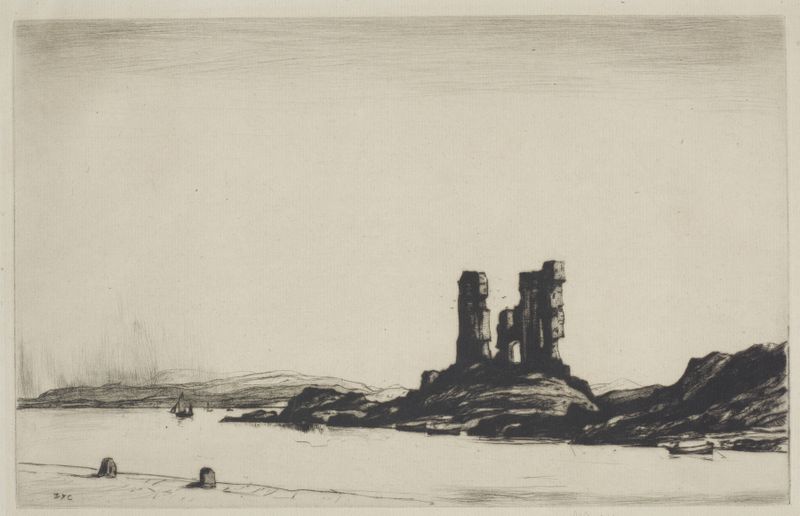
Castle Moyle
David Young Cameron
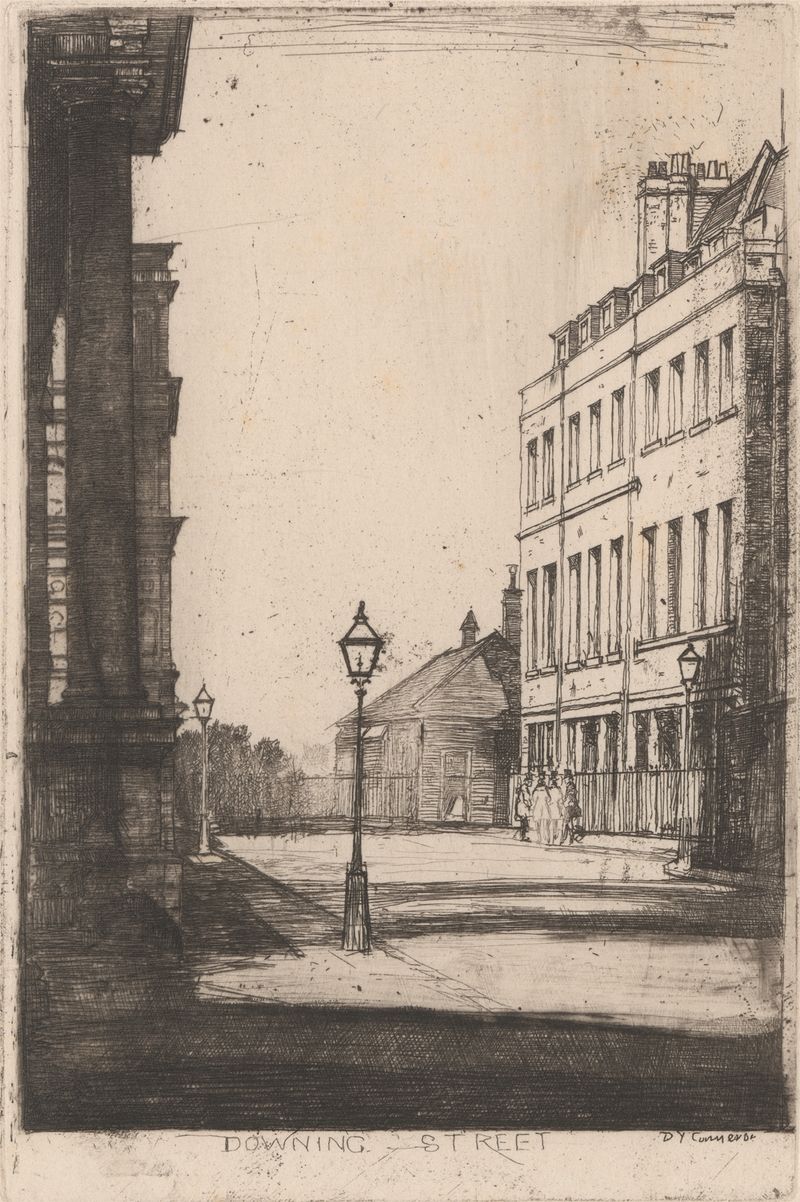
Downing Street
David Young Cameron

Glasgow Cathedral
David Young Cameron
More Architecture Art
Browse all →
The statue of Liberty
Frédéric Auguste Bartholdi

View of Houses in Delft, Known as ‘The Little Street’
Johannes Vermeer

View of Houses in Delft, Known as ‘The Little Street’
Johannes Vermeer

The Cathedral in Rouen. The portal, Grey Weather
Claude Monet

The yellow house
Vincent van Gogh

The Church in Auvers-sur-Oise, View from the Chevet
Vincent van Gogh