
St. Mark’s Place, Venice — History & Facts
What secret hides in the quiet of the canvas? In the stillness of the moment, an air of longing permeates, inviting us to delve into the depths of an unspoken narrative. Focus on the intricate details of the architecture that dominates the scene. Look to the left at the majestic basilica, with its ornate domes and delicate spires, awash in gentle sunlight. Notice how the soft hues of gold and muted pastel colors blend harmoniously, casting a warm glow over the cobblestone square.
The figures, seemingly frozen in time, add depth and context, their silhouettes contrasting against the rich textures of the buildings, reminiscent of the emotional landscape that lies just beneath the surface. Hidden meanings abound within the interplay of light and shadow. The seemingly mundane activity of passersby suggests a collective yearning, as if each person carries a fragment of history or desire unfulfilled. The gentle ripple of the water reflects not only the architecture but also the passage of time, bridging the past with the present.
Cameron captures a fleeting moment of beauty amidst the constant flow of life, evoking a sense of nostalgia that resonates with the viewer. Painted in Venice in 1895, this piece emerged during a period when David Young Cameron was deeply influenced by his surroundings, embracing the city’s romance and architectural splendor. At this time, he was establishing himself within the British art scene, experimenting with light and atmosphere, and capturing the essence of place in a manner that would define his future works. The canvas reflects his growing mastery of landscape and architectural painting, resonating with a sense of both immediacy and timelessness.
More Artworks by David Young Cameron
Browse all →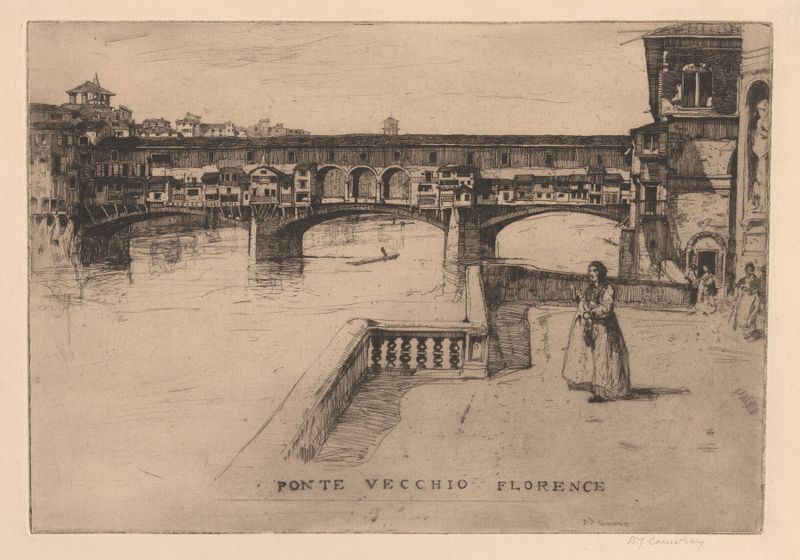
Ponte Vecchio
David Young Cameron

The Deanery, Winchester
David Young Cameron
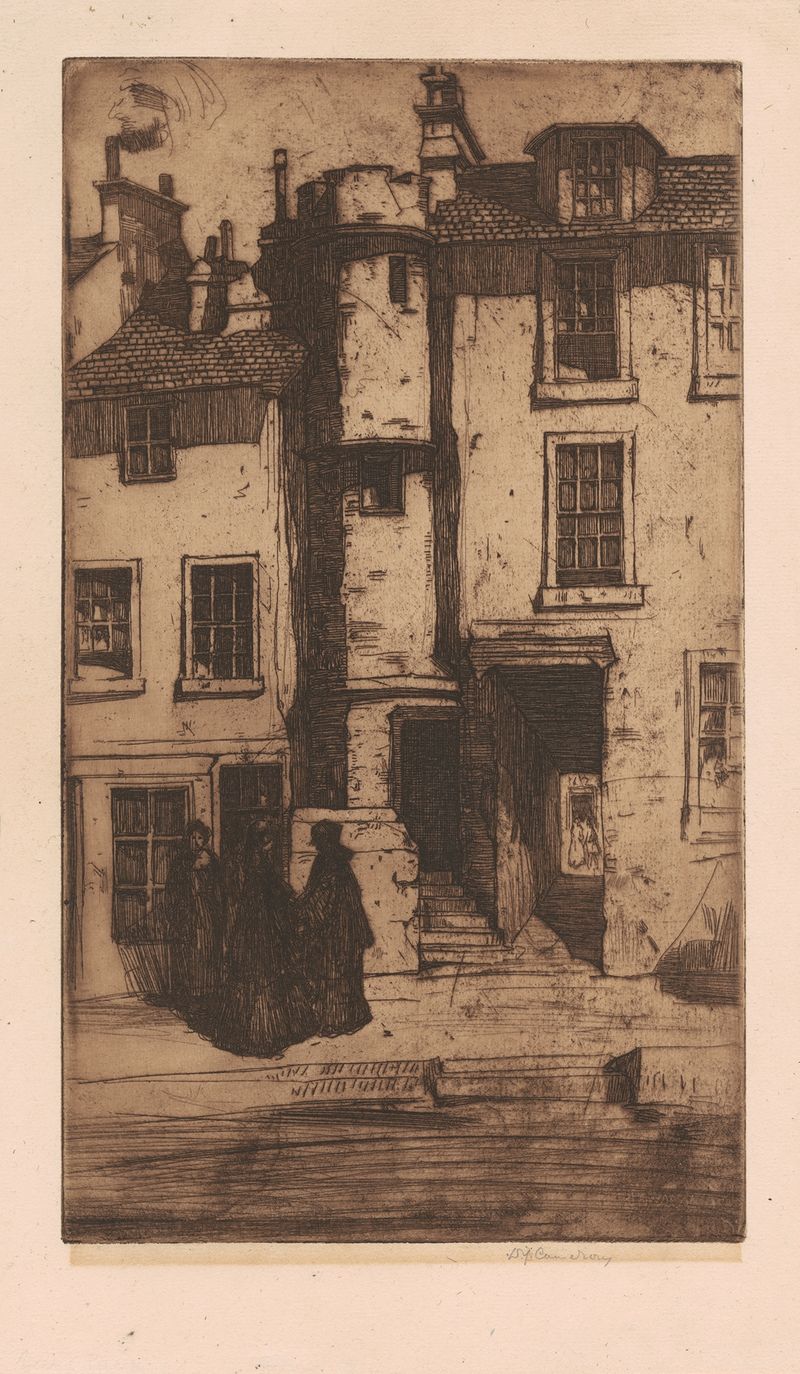
Old Houses, Stirling
David Young Cameron
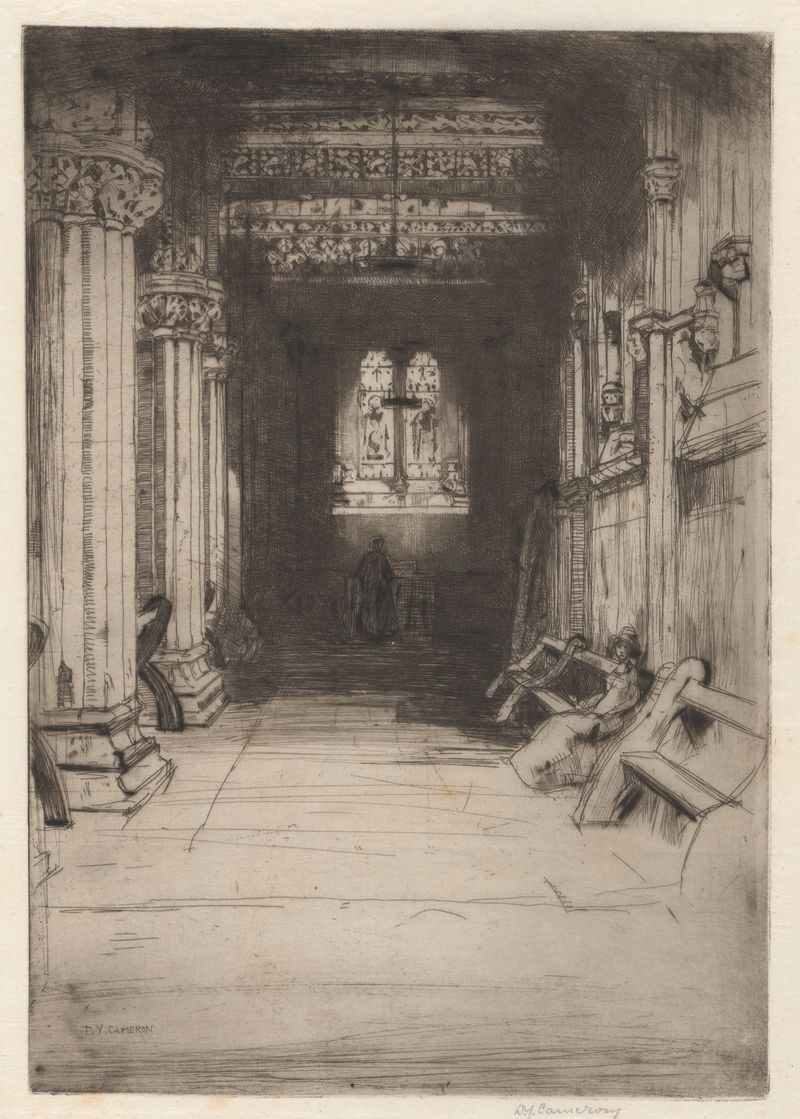
Rosslyn Chapel
David Young Cameron

The Old Museum, Beauvais
David Young Cameron
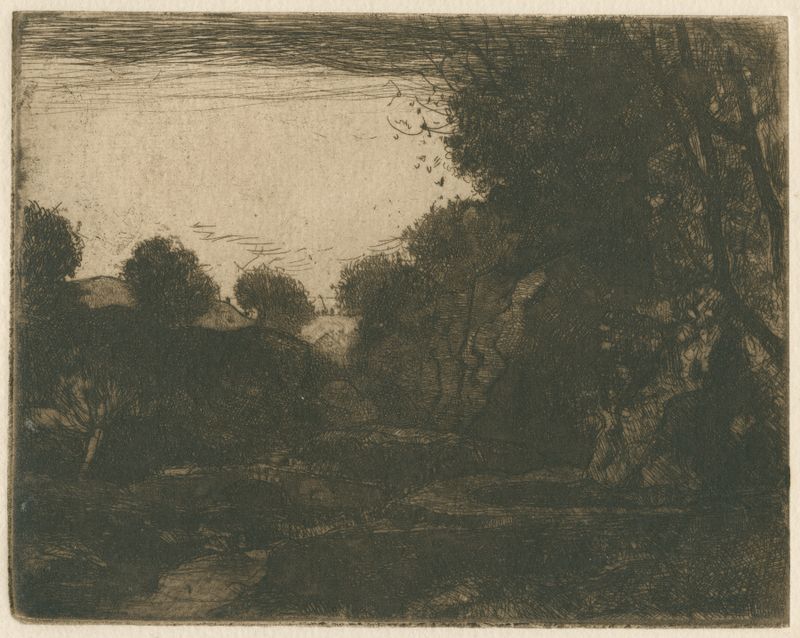
On the Bradford
David Young Cameron

The Smithy
David Young Cameron
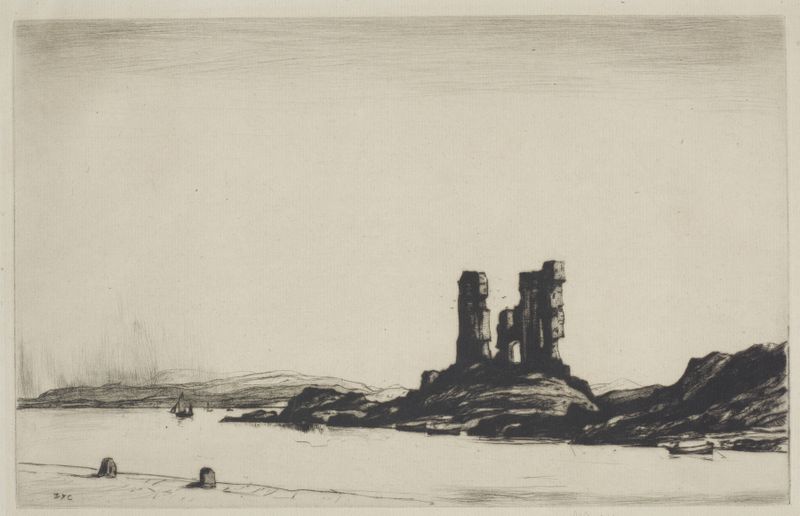
Castle Moyle
David Young Cameron
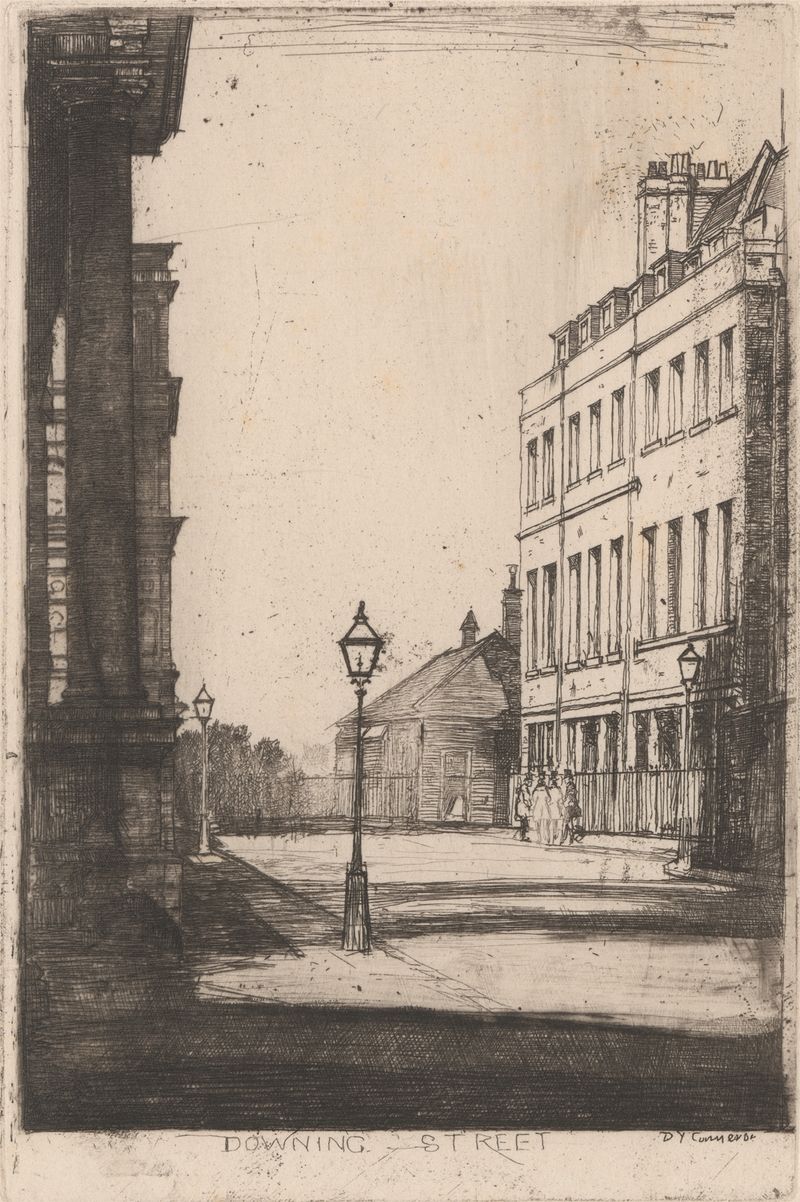
Downing Street
David Young Cameron

Glasgow Cathedral
David Young Cameron
More Architecture Art
Browse all →
The statue of Liberty
Frédéric Auguste Bartholdi

View of Houses in Delft, Known as ‘The Little Street’
Johannes Vermeer

View of Houses in Delft, Known as ‘The Little Street’
Johannes Vermeer

The Cathedral in Rouen. The portal, Grey Weather
Claude Monet

The yellow house
Vincent van Gogh

The Church in Auvers-sur-Oise, View from the Chevet
Vincent van Gogh