
St. Martyns Bruche — History & Facts
Could a single brushstroke hold eternity? In the quiet expanse of St. Martyns Bruche, a haunting emptiness reflects a longing that resonates through time. Focus first on the serene waterway winding through the landscape, where light dances upon its surface, revealing an intricate interplay of blues and greens. Notice how the gentle strokes of the brush capture the stillness of the scene, creating a delicate boundary between water and sky.
The muted palette evokes a sense of tranquility, while the soft, almost ethereal quality of the light invites contemplation. As you delve deeper into the painting, observe the contrasting elements of solitude and serenity. The sparse trees lining the banks stand as silent witnesses to the tranquility, their branches extending like open arms towards the horizon, yearning yet restrained. This juxtaposition of emptiness and potential speaks to the emotional tension of nature's quiet beauty, suggesting both a sense of peace and an underlying melancholy. Isaac Weld created *St.
Martyns Bruche* in 1826, during a period marked by a shift in artistic focus towards romanticism and the sublime in nature. While living in England, he sought to capture the essence of landscape painting, influenced by the works of contemporaries who explored the deeper emotional connections between humanity and nature. This piece reflects his pursuit of beauty and introspection amidst a rapidly changing world.
More Artworks by Isaac Weld
Browse all →
View of Mount Vernon, the seat of General Washington
Isaac Weld

Caernarvon (Castle)
Isaac Weld

View of Niagara Falls with Two Figures Sitting on a Rock Center Foreground
Isaac Weld
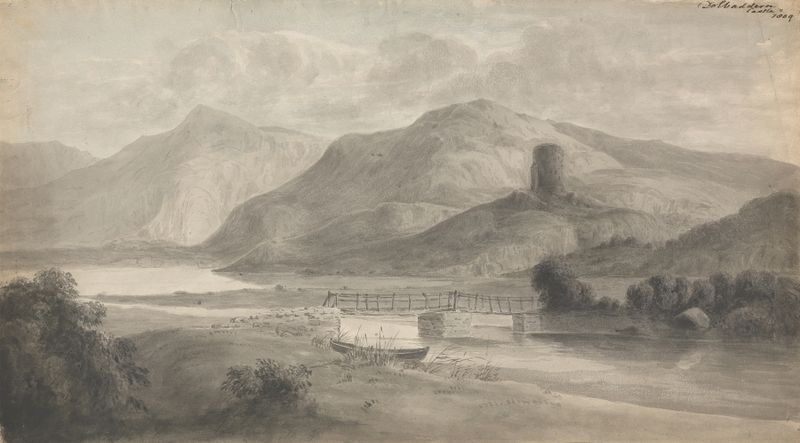
Dolbadarn Castle (North Wales)
Isaac Weld

View of Niagara Falls with Two Figures on Rock in Right Foreground
Isaac Weld
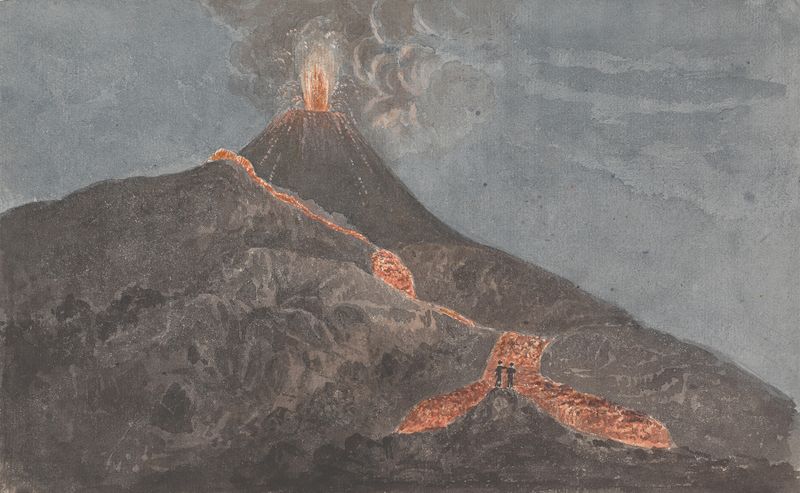
Vesuvius in Eruption
Isaac Weld
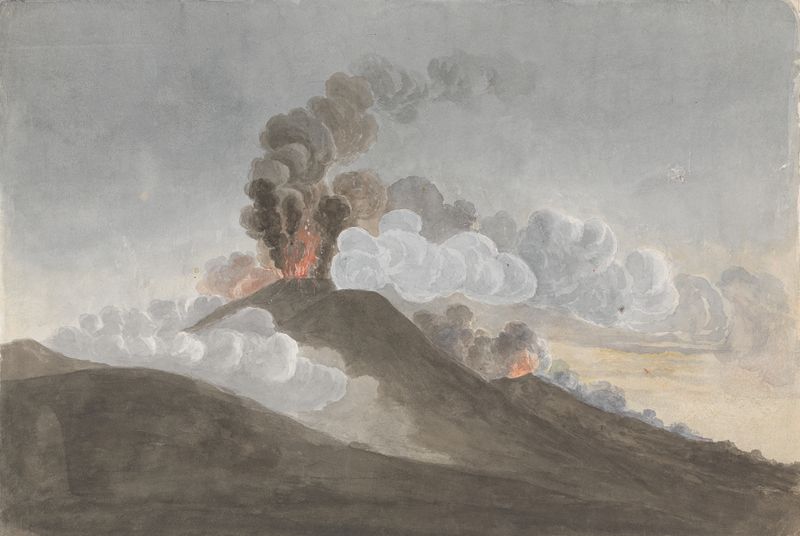
Vesuvius in Eruption.
Isaac Weld
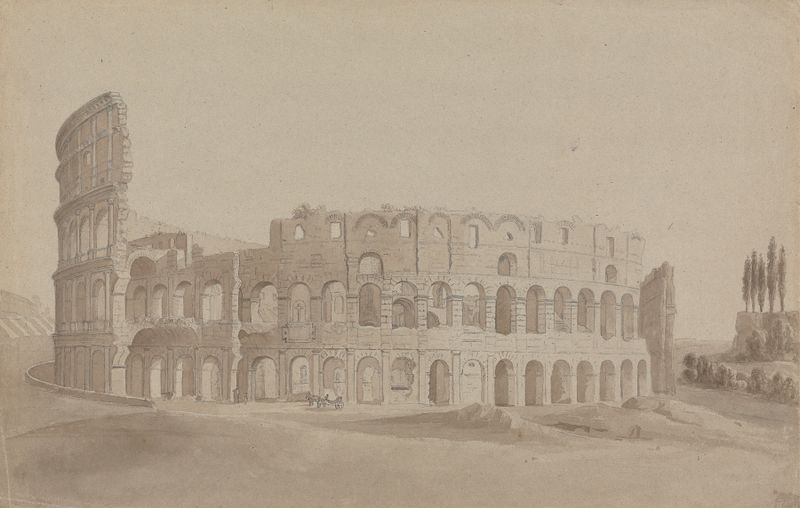
The Colosseum, Rome
Isaac Weld
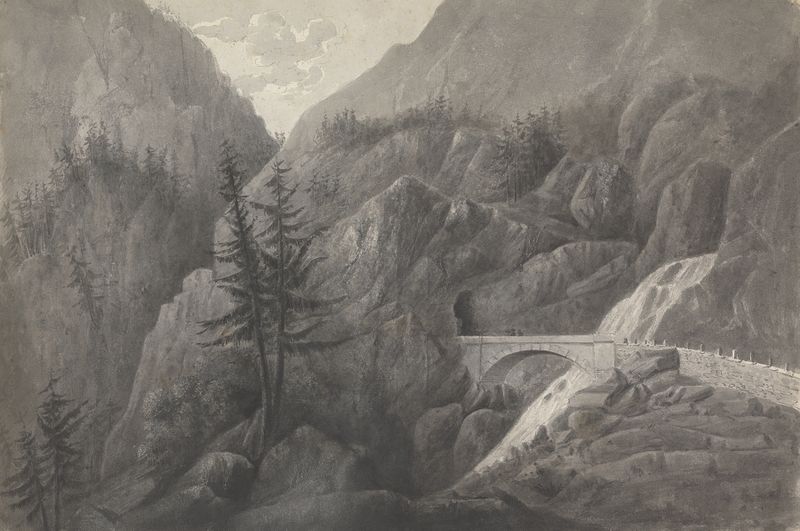
Simplon (Switzerland)
Isaac Weld
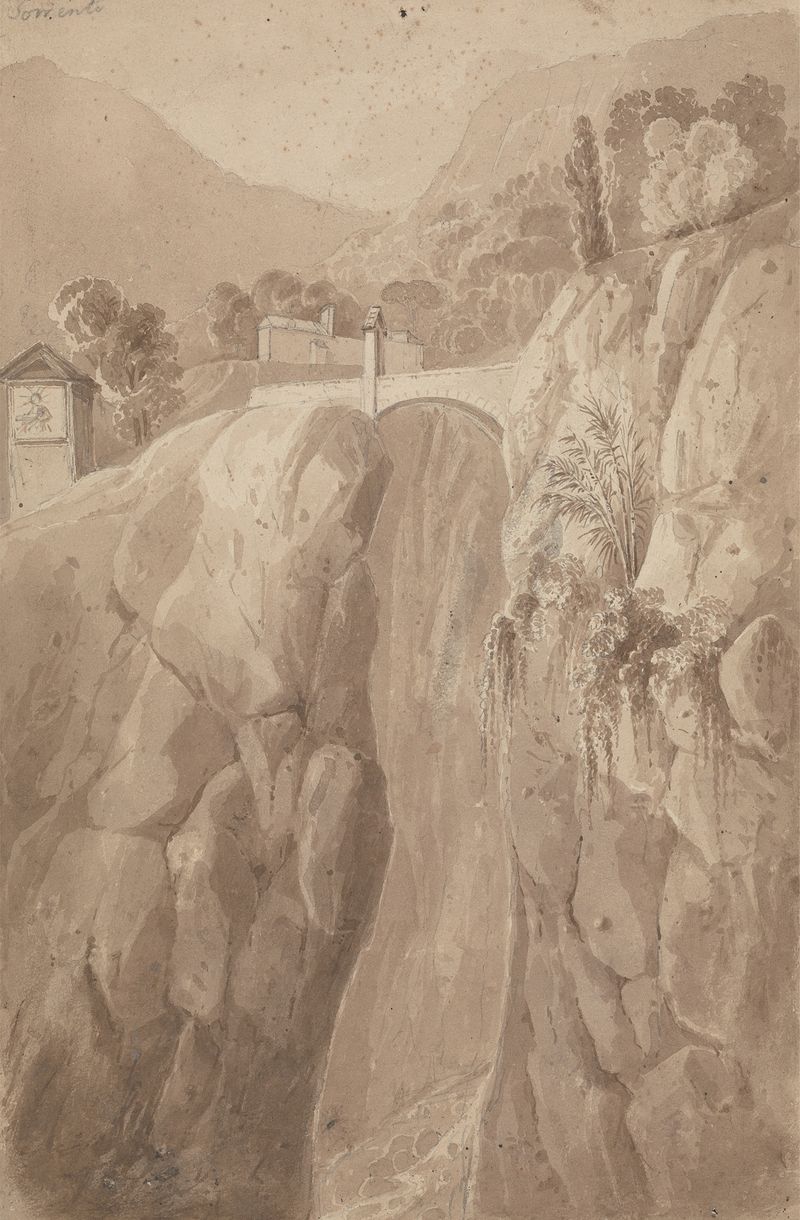
Sorrento
Isaac Weld





