Discover insights about this artwork
Stakittet — History & Facts
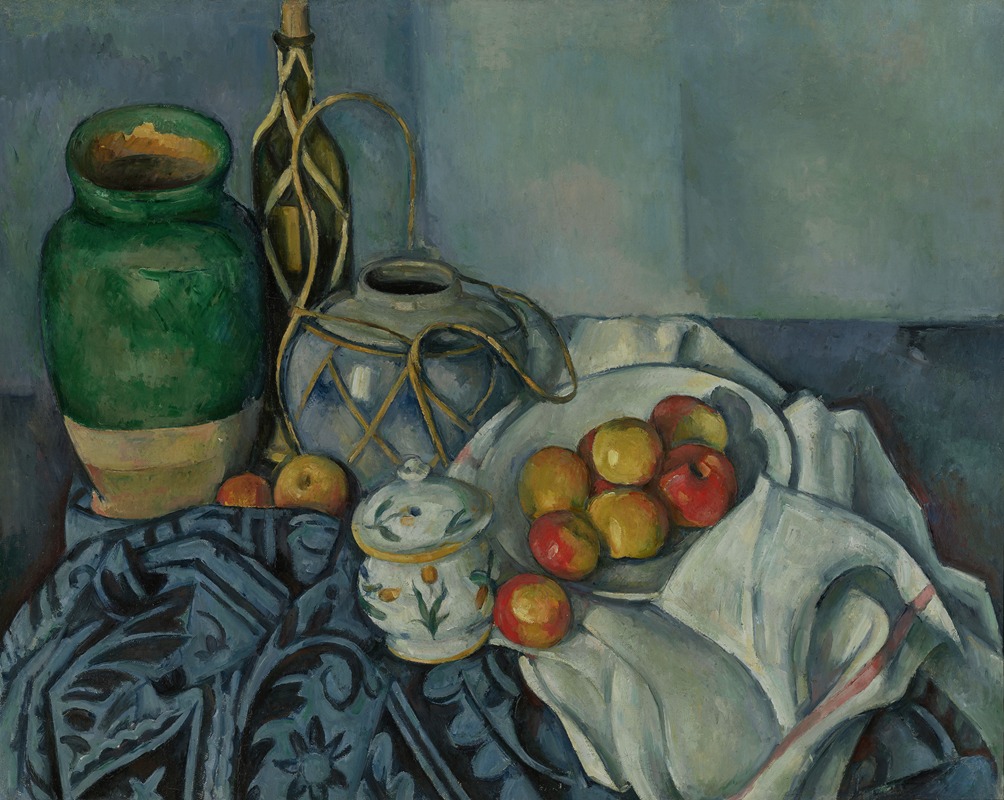
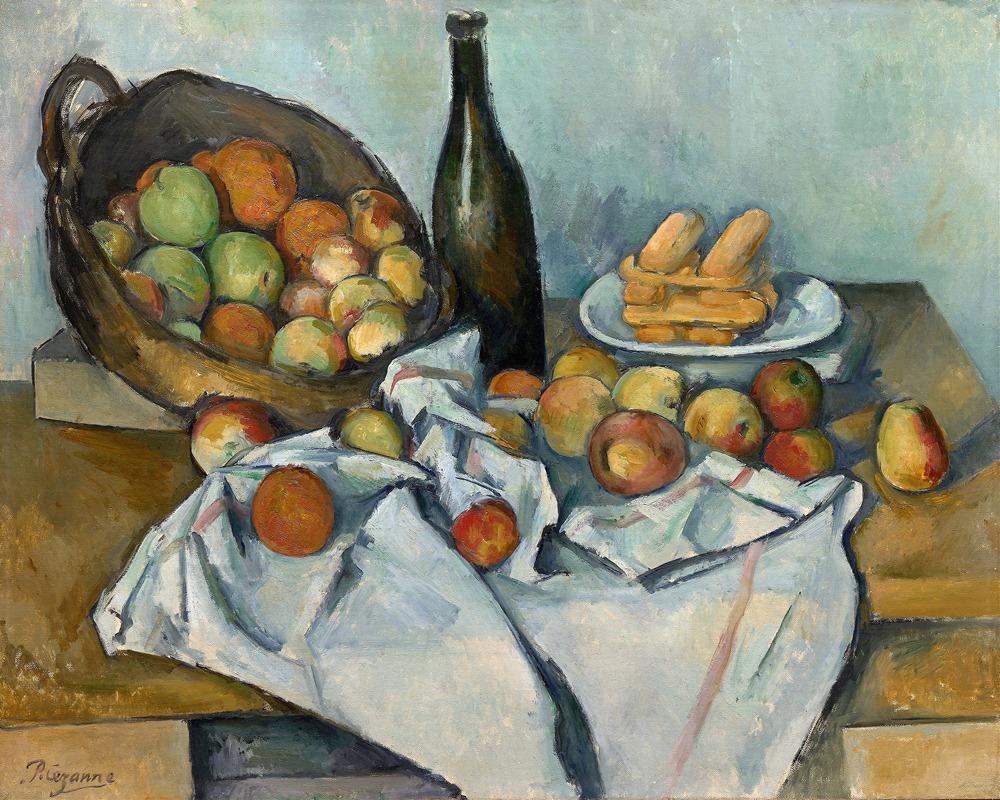
In Stakittet, Paul Cézanne presents a still life filled with vibrant colors. The painting features a variety of fruits, including apples and oranges, arranged on a table. The background is a soft, muted tone that allows the fruits to stand out.
The brushstrokes are visible, adding texture and depth to the composition. Cézanne's technique in this work showcases his Post-Impressionist style. He uses bold colors and distinct brushstrokes to create a sense of volume and form. The arrangement of objects is carefully considered, leading the viewer's eye across the canvas.
The use of light and shadow enhances the three-dimensional quality of the still life. Stakittet reflects Cézanne's ongoing exploration of still life as a genre. During the 1890s, he focused on the interplay of color and shape, which became a hallmark of his work. An interesting fact about this painting is that it exemplifies his transition from Impressionism to a more structured approach.
Cézanne's influence can be seen in the works of many modern artists who followed him.
More Artworks by Paul Cézanne
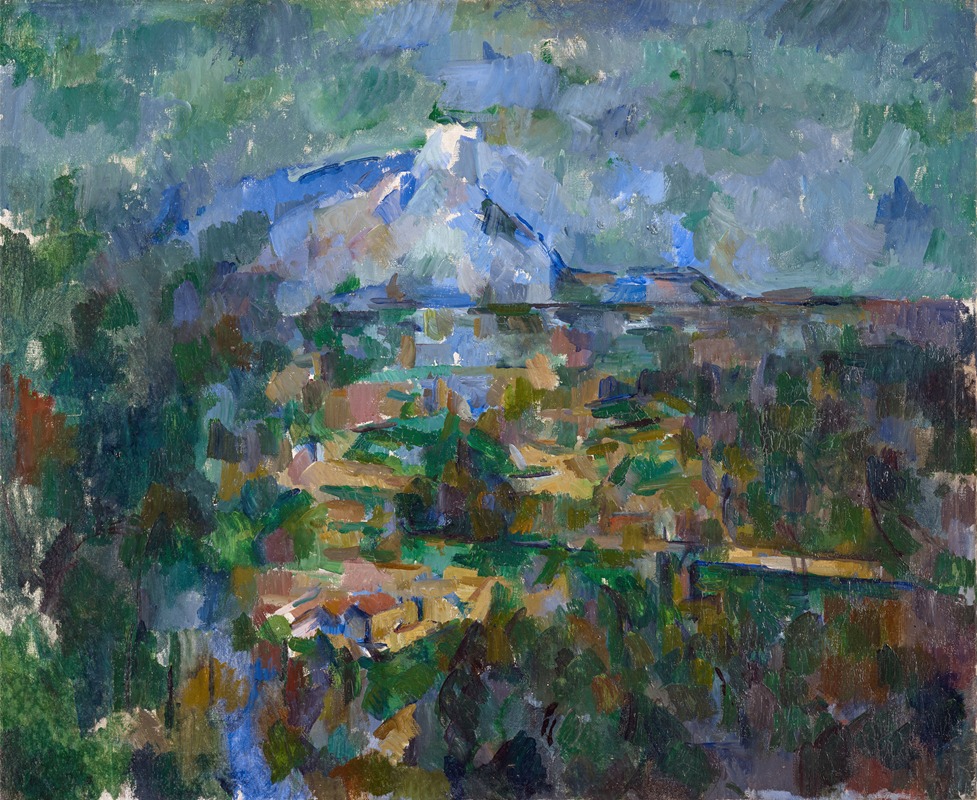
The Mont Sainte-Victoire Seen From Les Lauves
Paul Cézanne
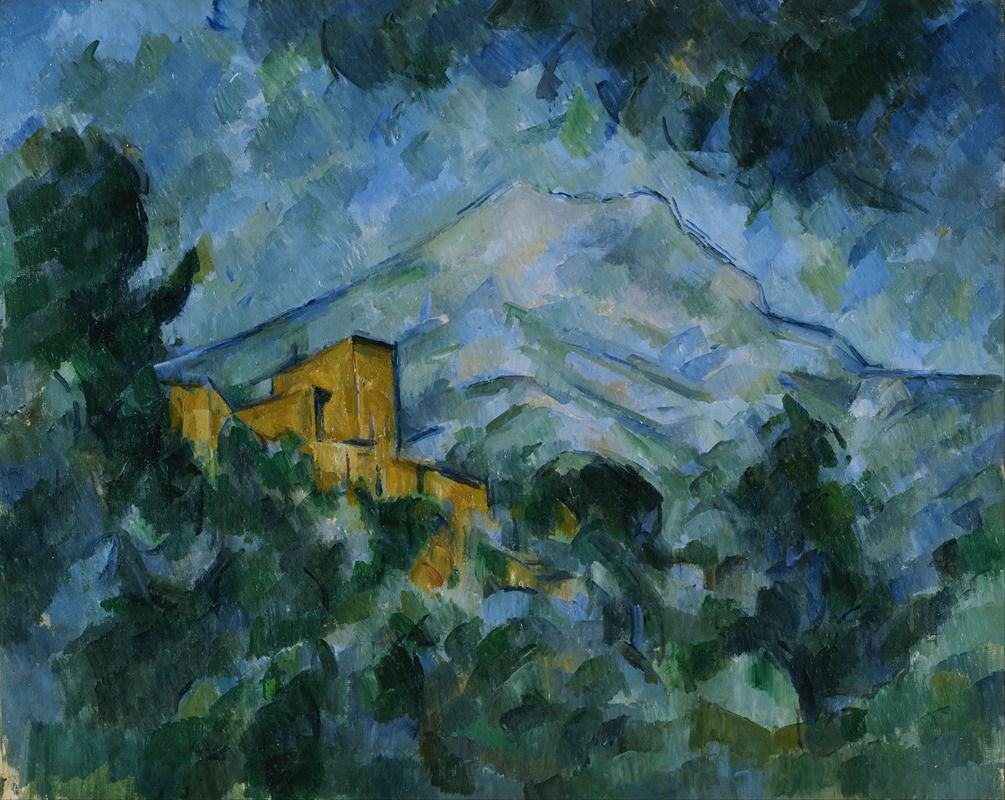
Mont Sainte-Victoire and Château Noir
Paul Cézanne
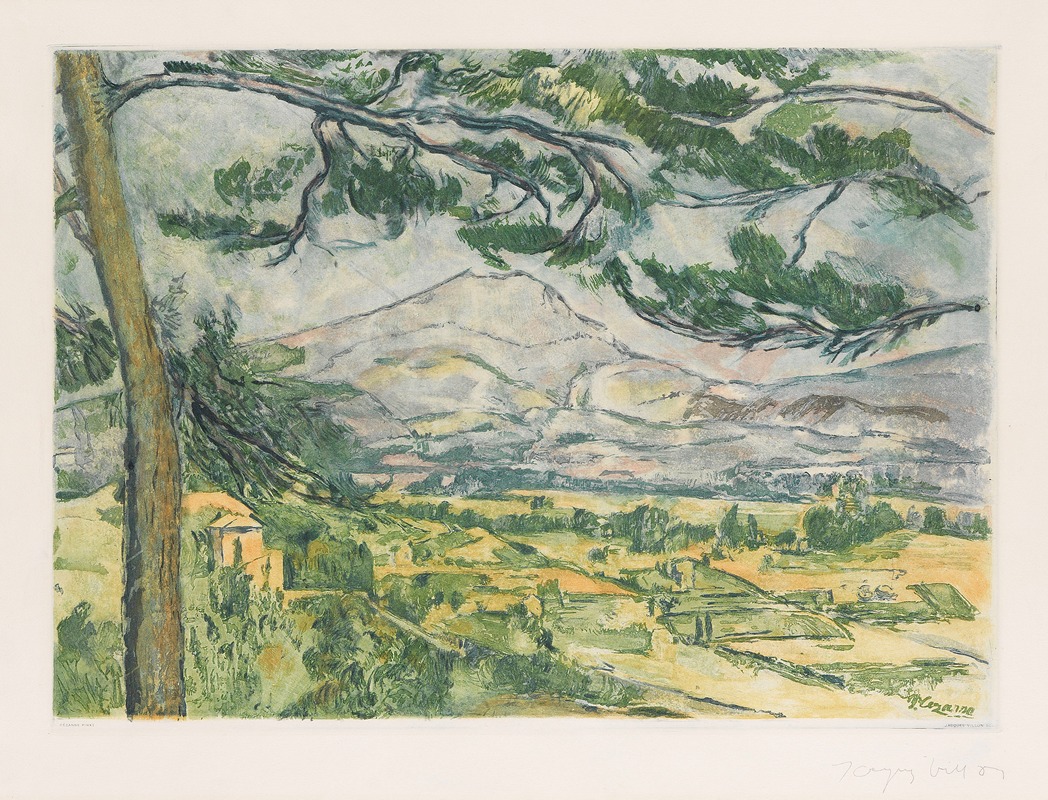
La Montagne Sainte-Victoire
Paul Cézanne
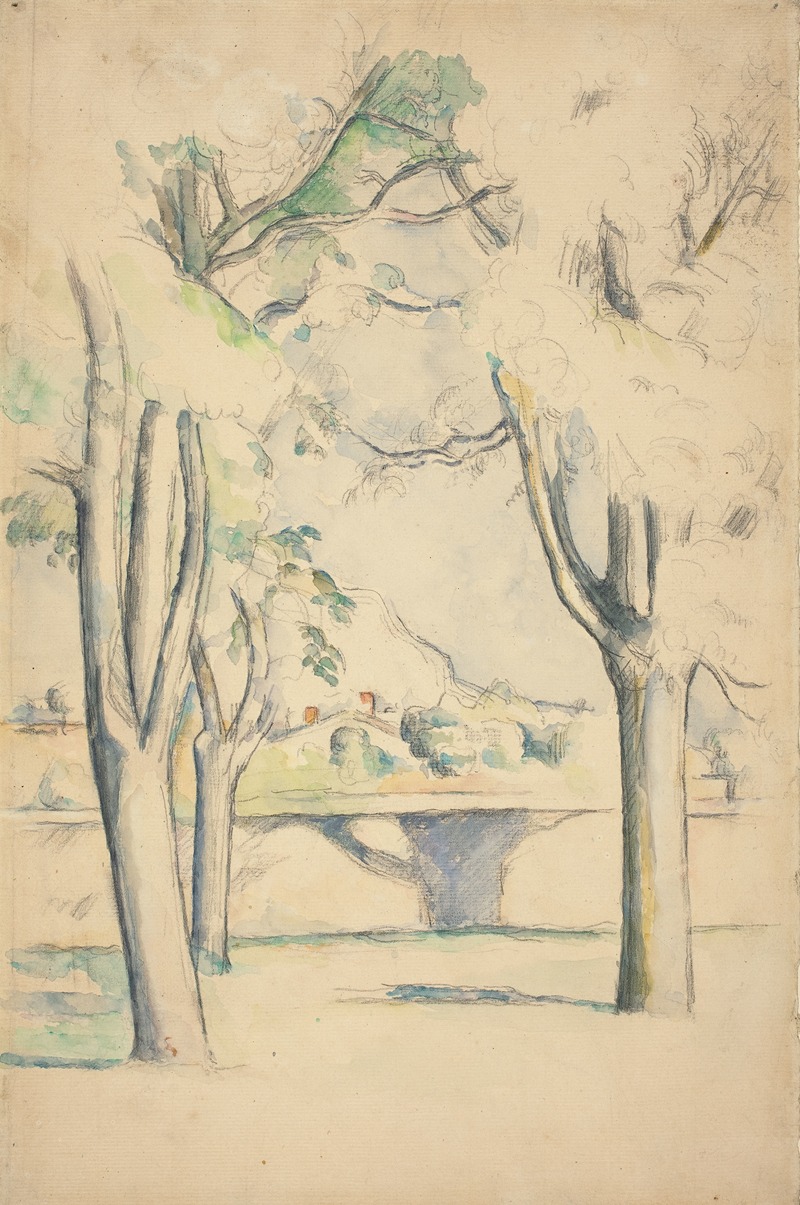
Mont Sainte-Victoire Seen beyond the Wall of the Jas de Bouffan
Paul Cézanne
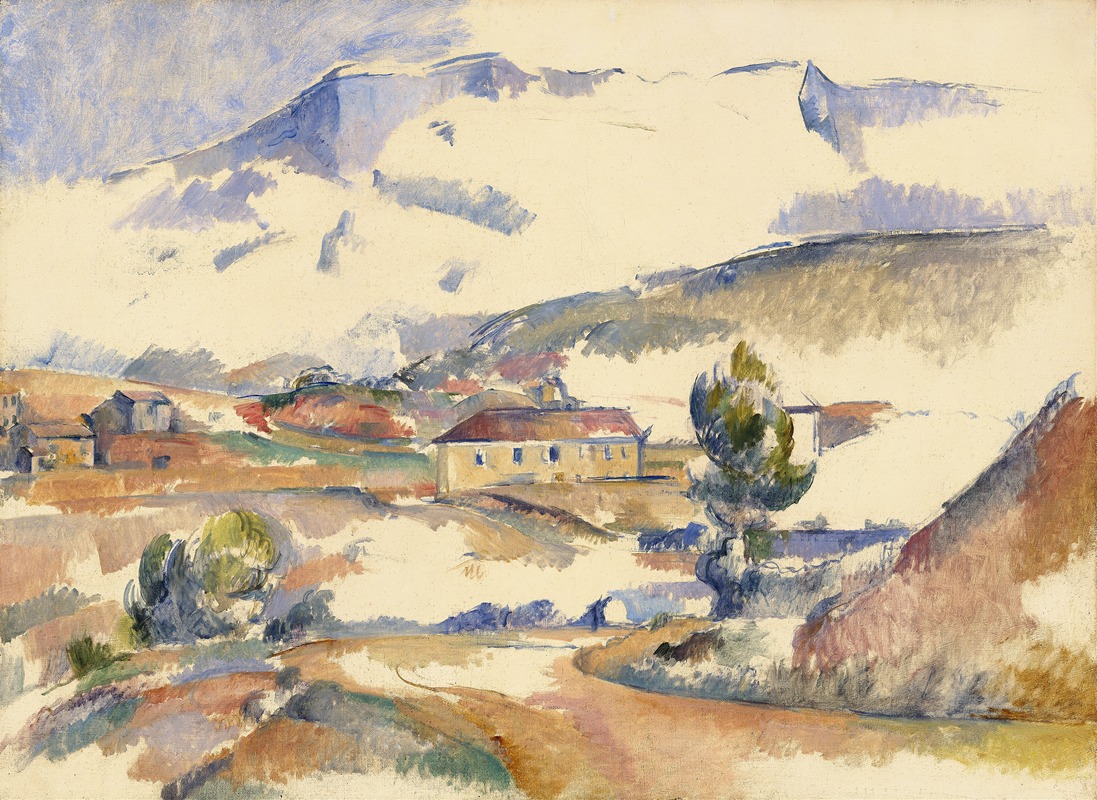
Montagne Sainte-Victoire,from near Gardanne
Paul Cézanne
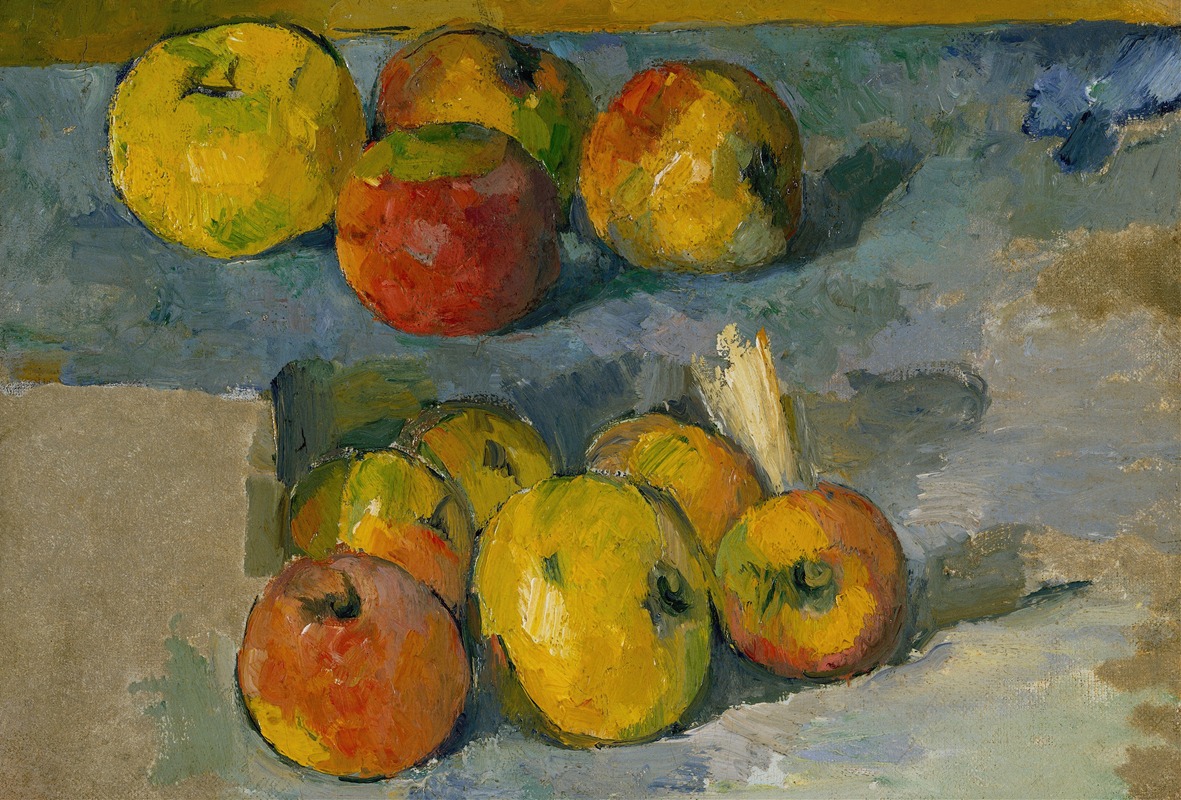
Apples
Paul Cézanne
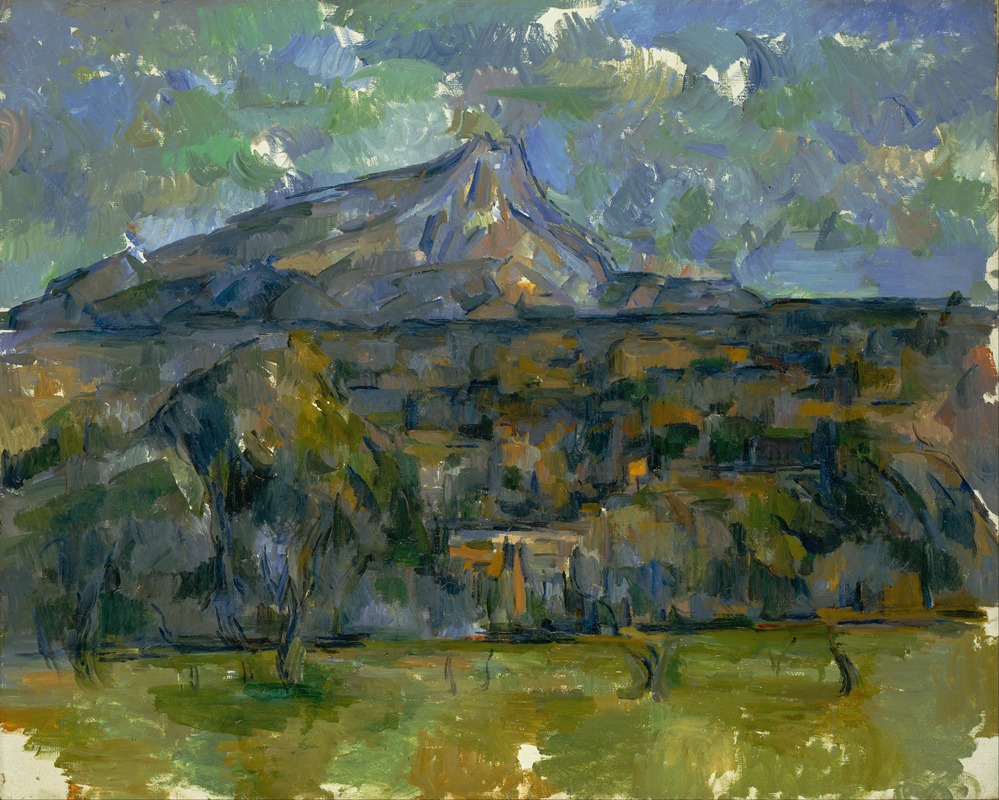
Mont Sainte-Victoire
Paul Cézanne
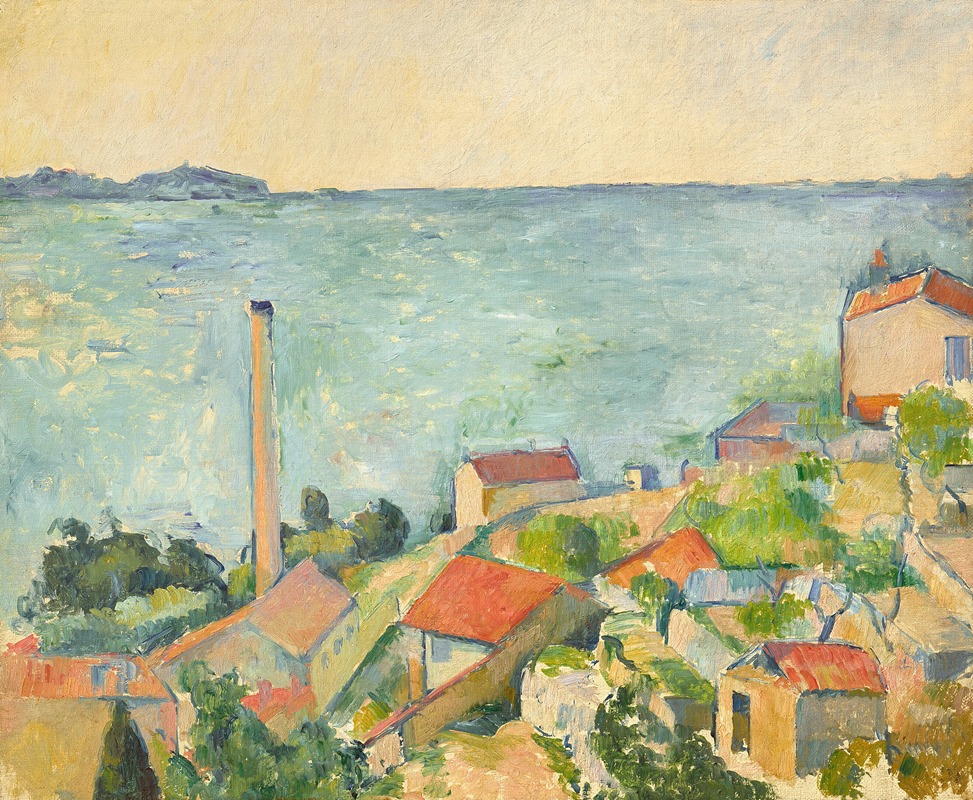
La mer à l’Estaque
Paul Cézanne
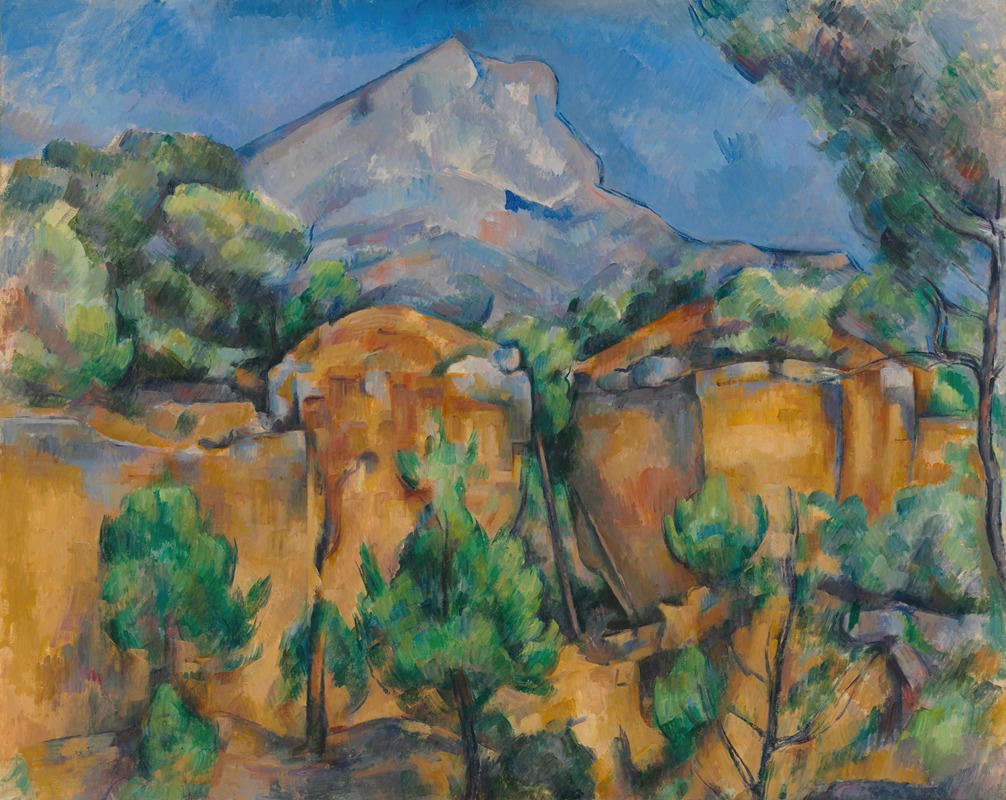
La Montagne Sainte-Victoire vue de la carrière Bibémus
Paul Cézanne
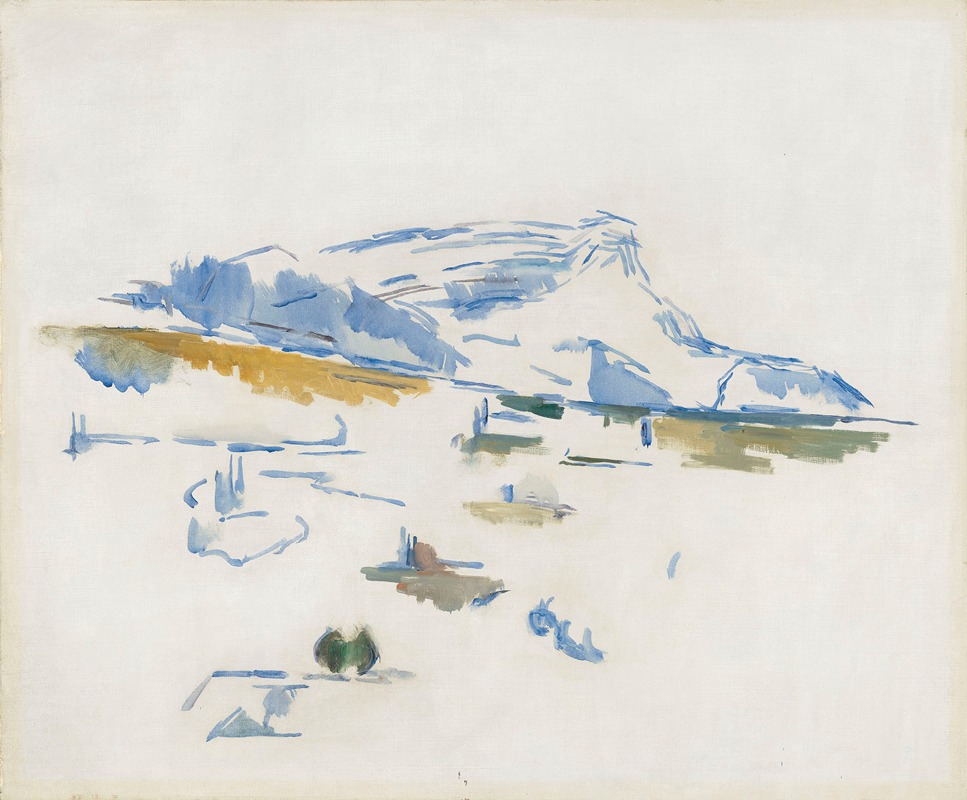
La Montagne Sainte-Victoire vue des Lauves
Paul Cézanne