
Standing Nude (Elvira) — History & Facts
When Amedeo Modigliani exhibited his series of nudes in Paris in 1917, the police shut down the show on its very first day, scandalized by the frank sensuality and direct gaze of his models. Standing Nude (Elvira), painted the following year, belongs to this groundbreaking moment when Modigliani was redefining the nude for the twentieth century. The sitter, Elvira, was one of several professional models who posed for the artist during his feverish final years.
The painting stands as a testament to both the controversy and the innovation that surrounded Modigliani’s approach to the human figure. In Standing Nude (Elvira), the model confronts the viewer with a steady, almost challenging gaze, her elongated body rendered in sinuous, flowing lines. The simplified, mask-like face and the stylized curves of her form are signatures of Modigliani’s style, influenced by African sculpture and Renaissance portraiture alike. The background is bare, focusing all attention on Elvira’s presence and the subtle interplay of light on her skin.
Unlike the soft, idealized nudes of Renoir or the playful figures of Ingres, Modigliani’s nude is both vulnerable and assertive, her individuality preserved rather than erased. The painting captures a moment of stillness, as if Elvira has paused mid-motion, inviting the viewer to witness her strength and humanity. The exact provenance of Standing Nude (Elvira) is not fully documented, a common fate for many of Modigliani’s works, which often changed hands privately in the years following his early death in 1920. What is certain is that this painting belongs to the celebrated group of nudes that marked the artist’s late period, a time when he was at the height of his creative powers but struggling with illness and poverty.
Today, works from this series are prized by museums and collectors alike, recognized as pivotal in the history of modern art. Standing Nude (Elvira) stands as both a personal tribute to the artist’s models and a bold statement of artistic freedom, its journey from scandal to acclaim mirroring Modigliani’s own legacy.
More Artworks by Amedeo Modigliani
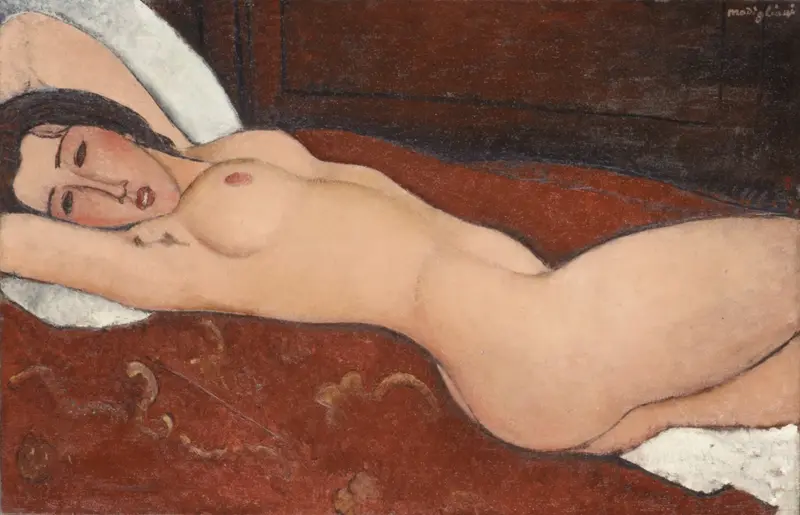
Reclining Nude
Amedeo Modigliani

Portrait Of Jeanne Hébuterne
Amedeo Modigliani

Jeanne Hébuterne
Amedeo Modigliani
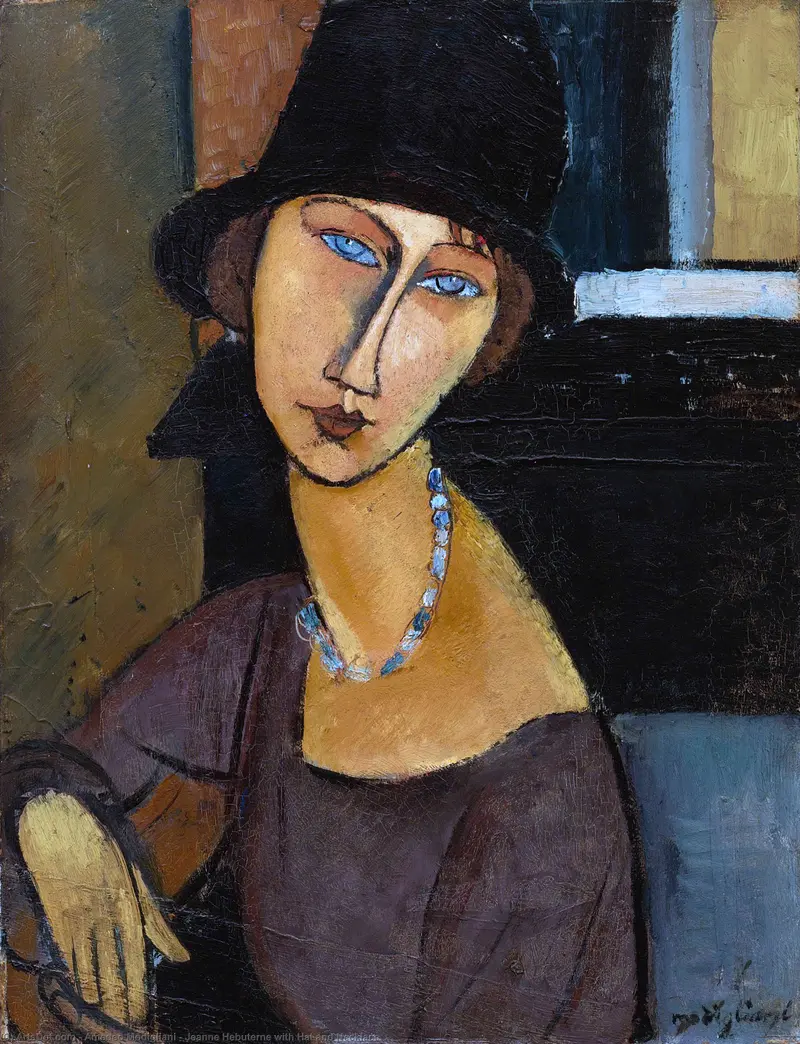
Jeanne Hébuterne with Hat and Necklace
Amedeo Modigliani
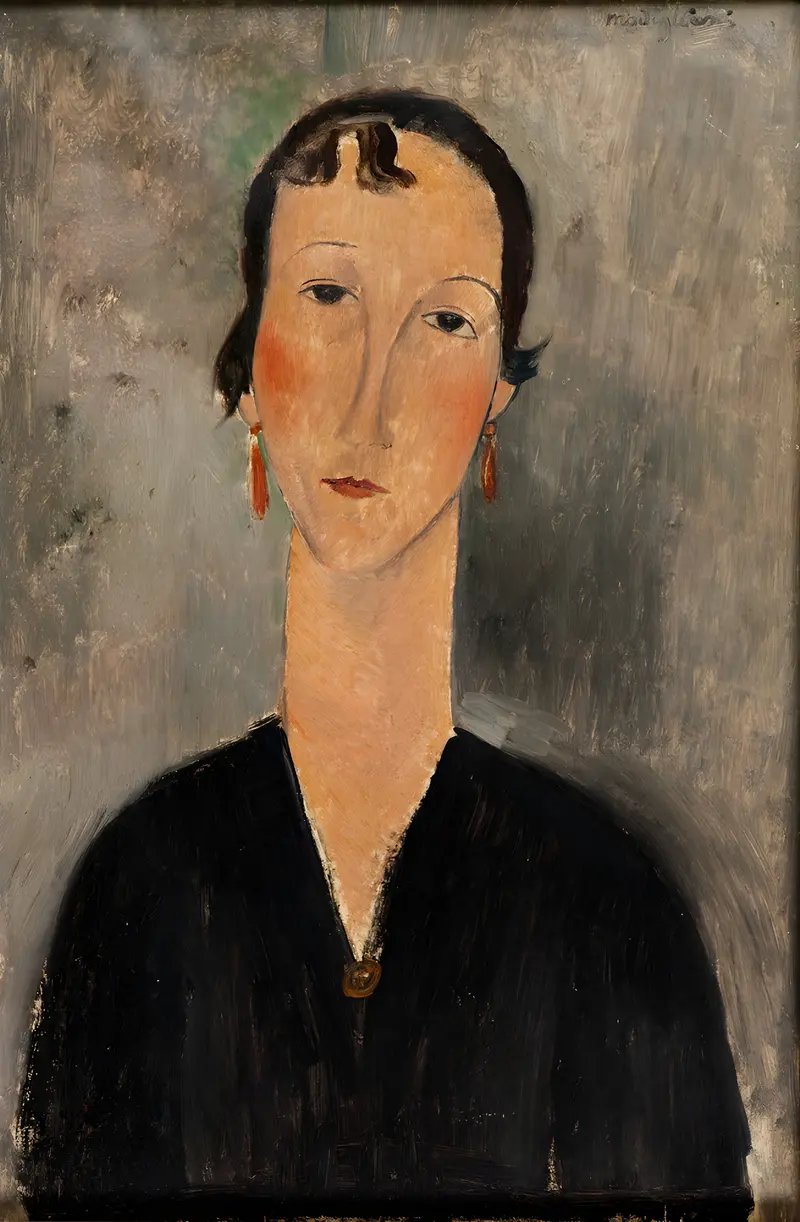
Femme aux boucles d'oreilles
Amedeo Modigliani
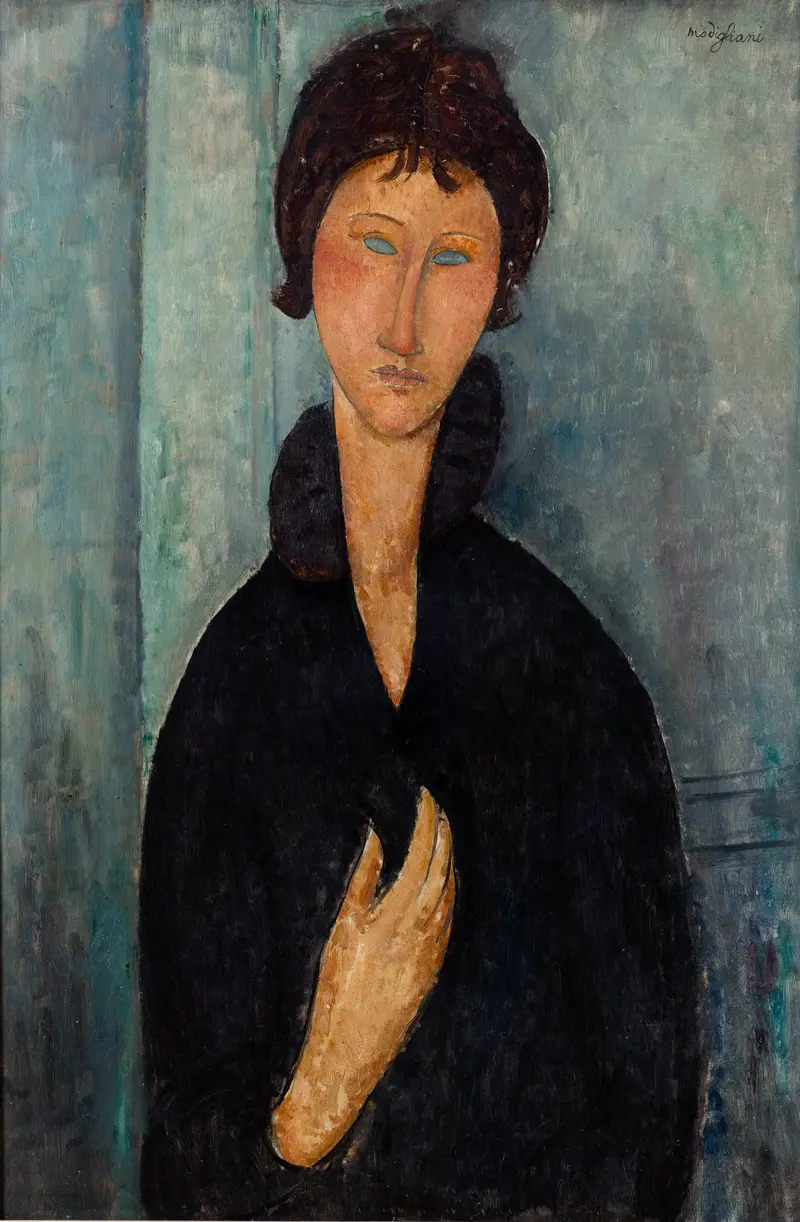
Femme aux yeux bleus
Amedeo Modigliani
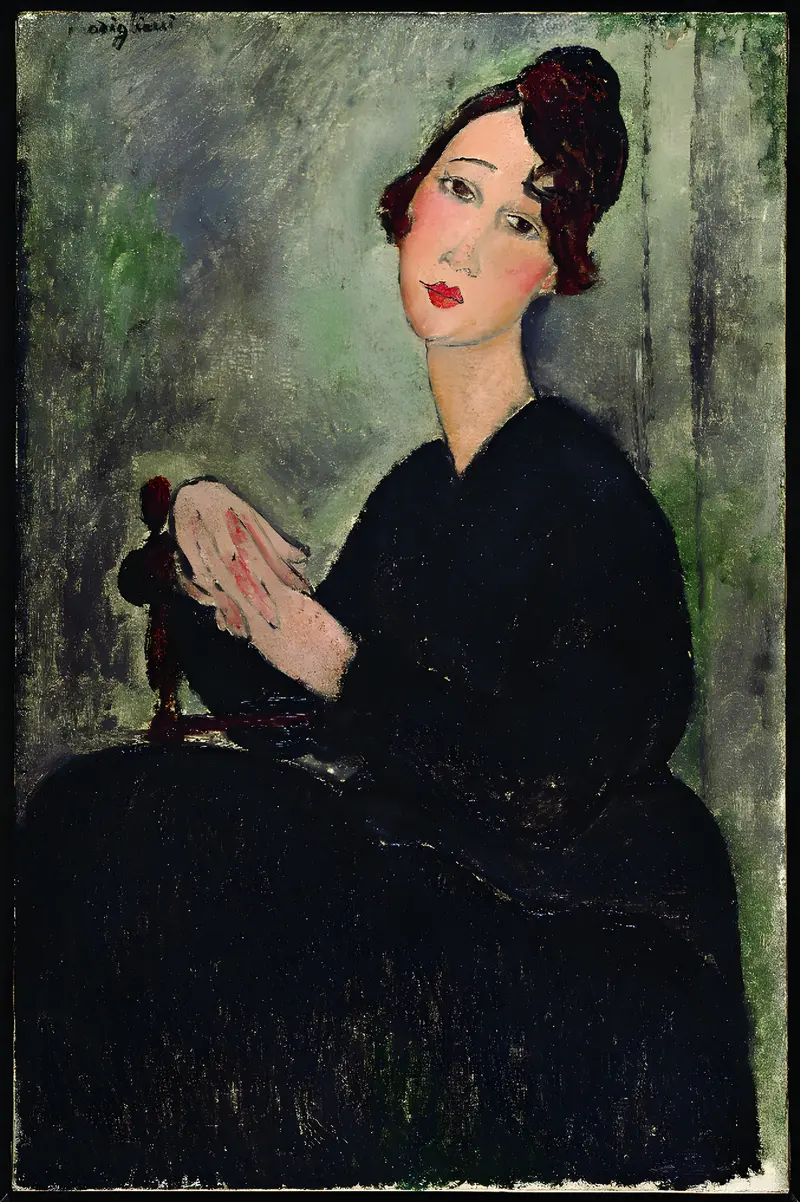
Portrait of Dedie
Amedeo Modigliani
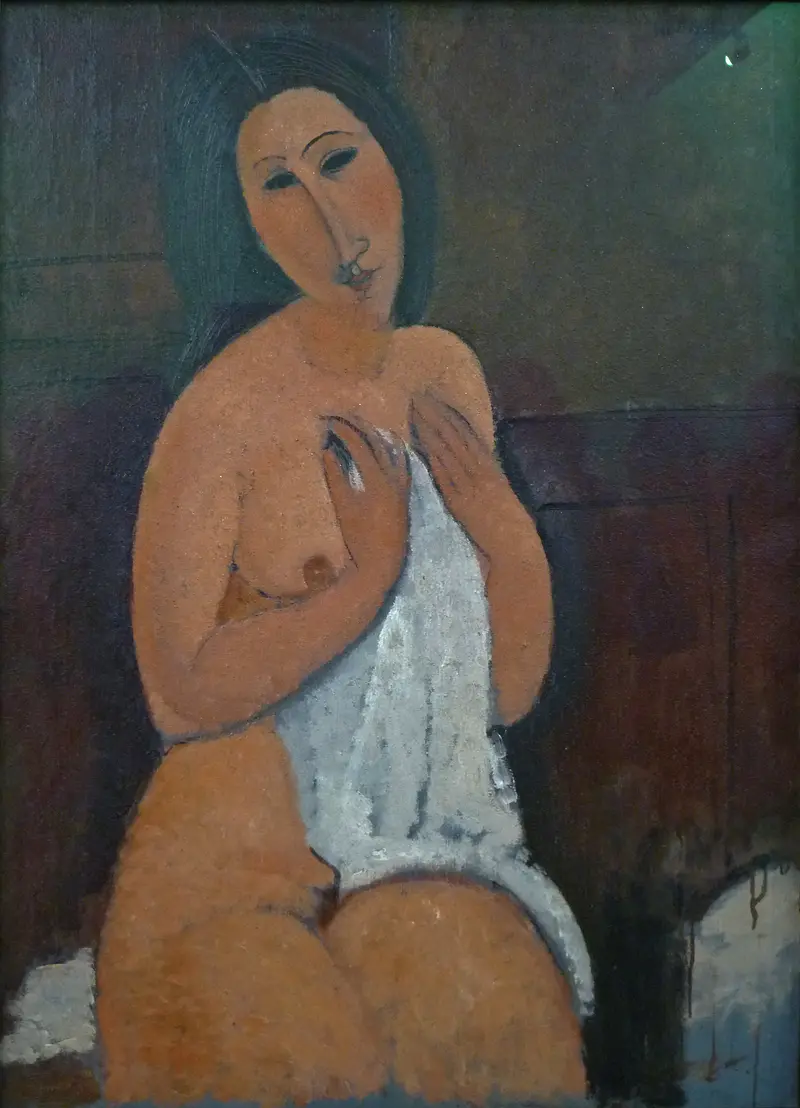
Seated nude with shirt
Amedeo Modigliani
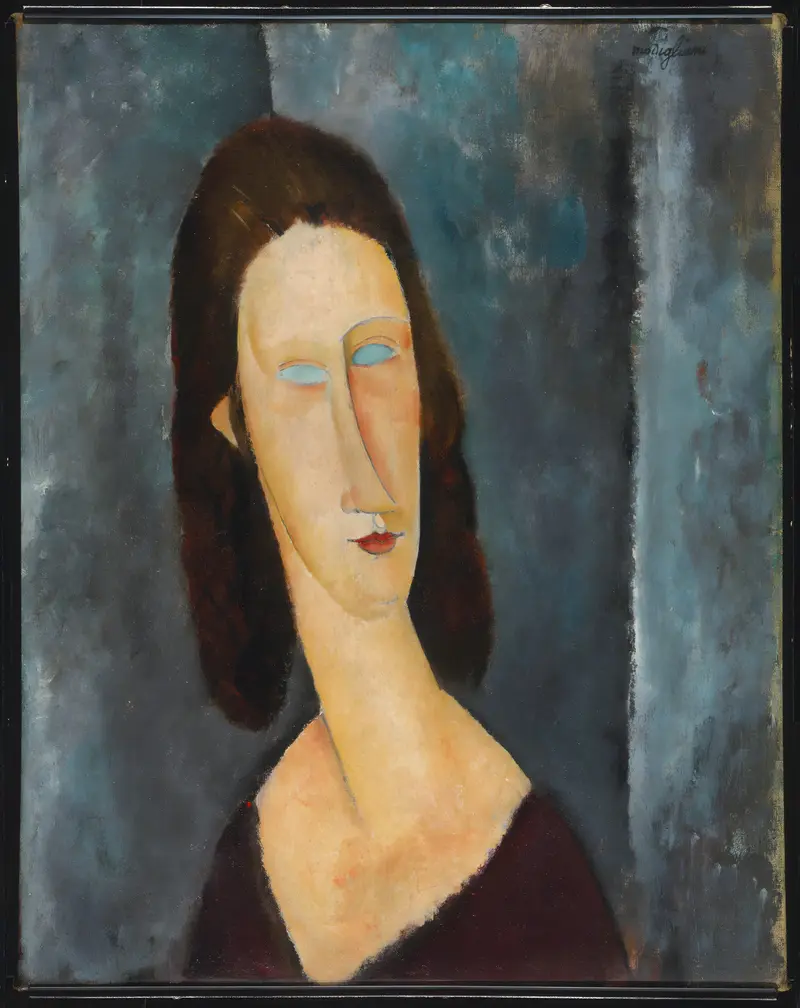
Blue Eyes (Portrait of Madame Jeanne Hébuterne)
Amedeo Modigliani
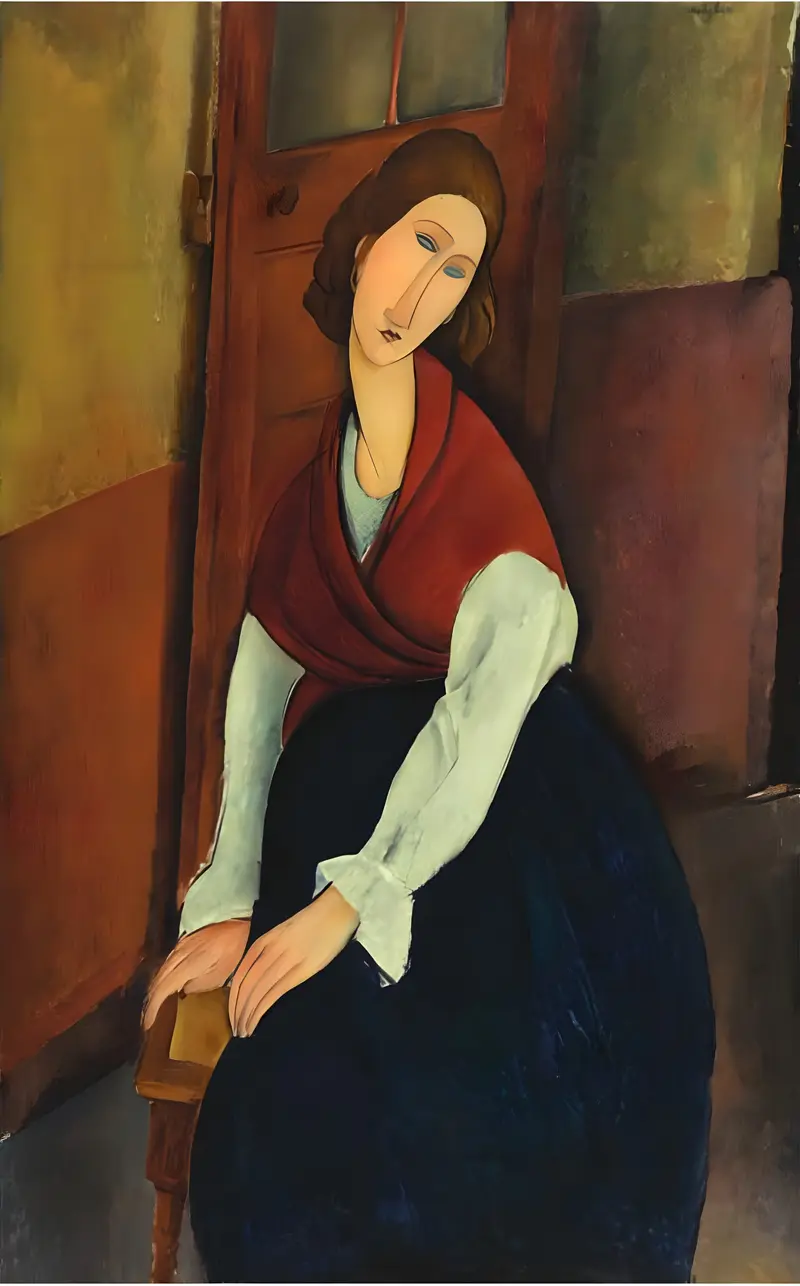
Jeanne Hebuterne in Red Shawl
Amedeo Modigliani



